Blog

  • How Cooking At Home Helps You Score Healthy Points

    HEALTHY EATING

    Image of cooking pot fill with different vegetables.

    Most people enjoy an occasional night out at a favorite restaurant. Unfortunately, many Americans eat out too frequently, and this often means consuming more calories and fat. The Academy of Nutrition and Dietetics says restaurant portions are often too large, contributing to overeating and obesity. A serving of French fries 20 years ago was 2 ounces and 210 calories. Today, it averages 7 ounces and 610 calories!

    Cooking at home allows you to control portion sizes, calories, fat, and sodium. Challenge yourself to eat at home just once or twice a week more. You may find that you save money and lose excess weight by cooking your own meals more often.

    © American Institute for Preventive Medicine

  • Home-Cooked Mealspromote Family Togetherness

    HEALTHY EATING

    Image of young family sitting around the table eating together.

    Busy weeknights often lead parents to skip family meals and instead rely on fast and processed foods, but a growing number of public health officials and parents alike agree that enjoying home-cooked meals as a family promotes health and well-being.

    Adolescents who participated in even one or two family meals per week were less likely to be overweight or obese in adulthood as compared to adolescents who never participated in family meals, according to a study in The Journal of Pediatrics.

    On this page, try the kid-friendly recipe by Kids Cook Monday, a national nonprofit campaign, which aims to help parents incorporate family meals at least once a week by offering a variety of free online resources. The latest is The Family Dinner Date, an easy-to-navigate e-cookbook featuring recipes that parents and kids can easily prepare together. Download free here:http://bit.ly/TKCMdinner.

    Each recipe features the campaign’s signature kid/adult/together instruction format to help parents determine which steps in the cooking process are safe for children to complete.

    The Kids Cook Monday is an initiative of The Monday Campaigns, a nonprofit public health organization in association with Columbia Mailman School of Public Health, Johns Hopkins Bloomberg School of Public Health, and the Maxwell School at Syracuse University.

    © American Institute for Preventive Medicine

  • Home Alone (After School)

    FAMILY LIFE

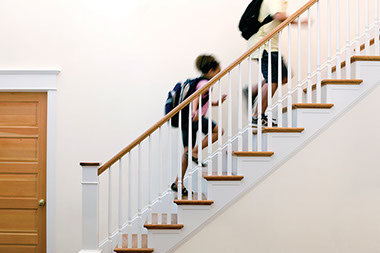
    Image of 2 school kids running up the stairs.

    Set rules for success if kids are home alone after school. The Red Cross recommends that parents and guardians take the following steps for kids alone at home:

    *  Have your kids call you at work or send a text to check in when they get home.

    *  Lock the doors and don’t open the door for delivery or service workers. Don’t tell anyone on the phone that the parents are not home. Don’t reveal this information online or in social media chats or texts.

    *  Set ground rules for older kids about whether other kids can come over or if they can cook or leave the home.

    *  Post an emergency phone list with parents’ work numbers, cell numbers, neighbors, and others the kids can trust including 9-1-1.

    *  Practice an emergency plan about what to do in case of fire, injury, or other emergencies. Know where the flashlights and first-aid kit are kept.

    *  Remove or safely store in locked areas dangerous items like guns. Keep potential poisons such as lighter fluid out of reach. Lock up medications.

    *  Limit the time kids spend in front of the television or computer. Activate parental controls.

    © American Institute for Preventive Medicine

  • Hiv And Aids – How Much Do You Know?

    MEDICAL NEWS

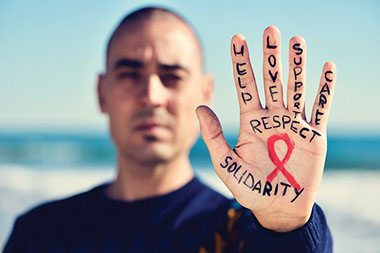
    Image of man's hold with the AIDS ribbon and words on fingers, that inlcude 'help', 'love', 'support', 'care.'

    When HIV and AIDS were first discovered, they were commonly thought to be one in the same. Nearly everyone who had HIV would eventually get AIDS. But as treatment for AIDS and HIV has continued to progress, HIV does not always turn  into AIDS.

    Today, there are special medicines called antiretroviral therapy (ART) that can help keep HIV from getting worse. These drugs can help a person live a long, healthy life with HIV, preventing them from getting AIDS later on.

    HIV: What it is and how it’s treated

    HIV stands for human immunodeficiency virus. HIV is spread through certain bodily fluids. Most commonly, it is spread through sexual contact or sharing needles.

    HIV attacks the body’s immune system, destroying the body’s cells that fight off infections. There is no cure for HIV, but there is treatment.

    Early treatment with ART is important. Someone who begins HIV treatment in the early stages of the infection can live nearly as long as someone who doesn’t have HIV.

    About 166,000 people have HIV and don’t know it. This means they aren’t getting the treatment they need to live longer and they can spread HIV to others.

    HIV is NOT spread through:

    *  Hugging or casual kissing

    *  The air, such as sneezing or coughing

    *  Mosquito or other insect bites

    Symptoms of HIV

    Within 2 to 4 weeks of getting HIV, a person may feel like they have a bad case of the flu. Symptoms include:

    *  Fever

    *  Headache

    *  Swollen glands

    *  Sore throat

    *  Body aches

    *  Rash

    These symptoms may last a few days or several weeks. Having these symptoms does not mean you have HIV.

    Some people do not feel sick at all after getting HIV. That’s why it’s important to get tested if you think you may have been exposed.

    To find an HIV testing site near you, go tolocator.hiv.gov.

    AIDS

    The last stage of an HIV infection is acquired immunodeficiency syndrome, or AIDS. Once HIV has progressed to AIDS, the body’s immune system is badly damaged. A person with AIDS may get sick often, and may get infections and cancers because the body cannot fight them off.

    Starting treatment at this late stage can still be helpful to someone with AIDS. But, it is much better to begin treatment as soon as possible after getting HIV.

    Sources: HIV.gov and Centers for Disease Control and Prevention

    © American Institute for Preventive Medicine

  • Hit The Ground Running Safely

    BE FIT

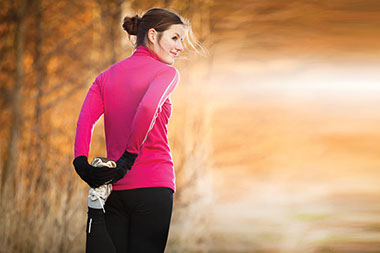
    Image of women stretching.

    If you’re ready to train for a charity 5K or more serious road running, follow this advice from Saint Louis University physical therapy professor Chris Sebelski. You’ll hit the ground running and have realistic expectations about the work ahead.

    *  Before you begin, visit your doctor for a complete overall body check-up and talk about your exercise plans.

    *  It’s easy to go overboard during the enthusiasm of planning, but be sure you accurately acknowledge your current level of fitness. If you haven’t been exercising at all, you’ll want to start with a walking/jogging mix.

    *  Consider journaling to keep track of your progress and how you feel.

    *  Make small steps and celebrate little victories.

    *  Anticipate setbacks and obstacles (a cold, an injury, caregiving) and adjust your workout.

    *  Always do something. A few minutes doing squats is better than nothing.

    *  Consume calories smartly (lean proteins, whole grains). Drink water.

    *  Cross train with yoga for stretching or Pilates to build core strength.

    *  Join friends to train. Follow each other on Facebook. Blog about your experience. Let others cheer you on.

    © American Institute for Preventive Medicine

  • High-Intensity Workouts Aren’t Always Best

    BE FIT

    Image of women running during sunset.

    High-intensity workouts aren’t always best

    When it comes to exercise, is harder and longer always better? No, according to two studies recently published in the academic journal, Heart.

    The first study found that those who performed the most strenuous daily exercise were more than twice as likely to die of a heart attack or stroke. The second study found that men who exercised intensely for more than five hours a week were more likely to develop an irregular heartbeat later in life.

    So what’s the best exercise to do? Strive for moderate intensity exercise. You develop a fast heart rate while doing this type of exercise, but you should still be able to talk while doing the activity.

    Moderate exercise = longer life

    Studies show if you do seven hours of moderate intensity exercise each week, you will lower your risk of dying early by 40 percent. This is compared with those who exercise 30 minutes or less per week. If seven hours a week is too much for you, aim for 150 minutes per week. This amount of exercise also produces similar benefits.

    Before you start any exercise program, talk with your doctor about what’s best for you.

    Source: CDC and World Health Organization

    © American Institute for Preventive Medicine

  • High Blood Pressure And Cold Medicines: A Potentially Bad Combination

    MEDICAL NEWS

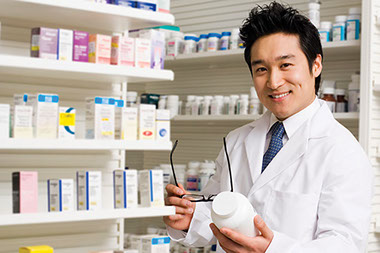
    Image of a pharmacist.

    If you have high blood pressure, you need to be cautious when taking over-the-counter (OTC) medicines for coughs, colds, and flu. Most people didn’t know they were at risk if they took certain decongestants, according to a survey by St. Joseph Health Products.

    Here’s the caution:The most common OTC ingredient to avoid: decongestants. OTC cough and cold medicines with decongestants help to reduce nasal swelling in part by narrowing the blood vessels in the nose and facial area. However, the narrowing effect of decongestants can also affect other blood vessels while increasing blood pressure and heart rate, making it a potentially dangerous situation for the millions of Americans who have high blood pressure.

    Talk with your doctor or pharmacist about which cold and cough medications might be better for you if you have high blood pressure.

    © American Institute for Preventive Medicine

  • Hey, Want To Improve Your Balance?

    SELF-CARE CORNER

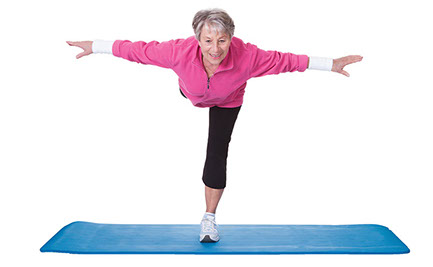
    Image of older women balancing on one leg while bending over half way.

    Everyone wants to prevent falls and improve balance, at any age. NIH in Health offers these daily exercises to steady your balance (and you could do these while talking on the phone or at work too):

    *  Stand on one leg at a time for a minute. Slowly increase the time. Try to balance with your eyes closed or without holding on to anything.

    *  Stand on your toes for a count of 10, and then rock back on your heels for a count of 10.

    *  Move your hips in a big circle to the left, and then to the right. Do not move your shoulders or feet. Repeat 5 times.

    © American Institute for Preventive Medicine

  • Helping Your Child Succeed At School

    FAMILY LIFE

    Image of school children with backpacks.

    Although learning may be easier for some children than others, any child can find success at school with some extra help from their family. The American Academy of Pediatrics recommends these tips to help your child get a great education.

    Make reading a priority.

    Reading to your child helps them become a better learner. When they’re old enough, let them read to you. Don’t let reading be a chore. Make it a fun time for them by allowing them to choose books they enjoy. If they have difficulty reading aloud, offer to take turns reading to give them a break.

    Be involved.

    Ask your child about their class, their friends, and what they like about school. Attend parent-teacher conferences. If you’re concerned about how your child is doing, ask the teacher how you can help.

    Get them to bed on time.

    Children need the right amount of sleep for learning and good health. Lack of sleep affects the immune system, brain, and emotional control. To find out how much sleep your child needs, visitsleep.org/articles/how-much-sleep-children.

    Power their bodies with healthy food.

    Be sure your child eats a healthy breakfast each morning. Pack their favorite fresh fruits and vegetables in their lunches. Avoid soda and sugary drinks. A healthy diet can boost energy levels and help them stay alert.

    When a child is too sick for school

    Your child gets up in the morning and says she doesn’t feel well. It can be difficult to decide when your child truly needs to stay home, especially if  she doesn’t appear sick. In general, a child should stay home if she:

    *  Has a fever greater than 99.5 degrees

    *  Isn’t feeling well enough to participate in activities

    *  Has an illness that could spread to other children

    *  Has no appetite

    *  Has diarrhea, vomiting or nausea

    Often, you’ll have to use your best judgment to decide if your child should go to school. If he seems “not like himself” or you’re concerned about any symptoms, it’s usually best to play it safe and keep him home.

    © American Institute for Preventive Medicine

  • Helping Others Makes You Happy

    SUCCESS OVER STRESS

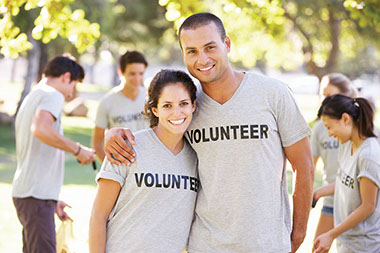
    Image of volunteers smiling.

    It’s commonly believed that when we feel down, we should do something good for ourselves. But research suggests the opposite: you should do something good for someone else.

    Research shows that helping others may decrease depression. People who help others regularly may live longer, healthier lives. Studies have shown the following effects of helping others:

    *  Doing five acts of kindness a day can make you feel happier.

    *  Supporting others may lower stress levels in older people.

    *  Donating money to charity boosts a feel-good part of the brain.

    Acts of kindness can make you feel connected to other people. It can also make you feel needed and generous. This may distract you from your own stress and worries. It can also make you feel that your life has more purpose and meaning.

    Source: Mental Health America

    Simple ways to help

    There are a number of ways you can help others. Try one of these ideas.

    Small acts of kindness (try to do more than one each day):

    *  Call a friend or neighbor who lives alone or could use some company.

    *  Let someone go in front of you in line.

    *  Hold the elevator open for someone.

    *  Smile at people you meet and ask how they’re doing. The store cashier or receptionist at the doctor’s office may appreciate your kindness.

    Volunteer ideas:

    *  Outdoor work: parks and highways often need people to help clean up. Local garden clubs often need people to weed and plant.

    *  Offer to make fundraising calls for your favorite charity.

    *  Help with coaching a kids’ sports team.

    *  Volunteer at your local hospital. Most have a variety of ways you can help.

    *  Libraries often use volunteers to help organize materials and help patrons.

    To find local volunteer opportunities, visitwww.volunteermatch.org.

    © American Institute for Preventive Medicine