Blog

  • Harmful Hookahs

    WELL-BEING

    Image of a hookah.

    Despite warnings from the CDC that hookah smoking can be just as dangerous as cigarettes, many young adults believe that using the water pipes is not harmful to their health, according to a UCLA School of Nursing study.

    Researchers visited three Southern California hookah lounges and asked patrons between the ages of 18  and 30, “Do you believe smoking a hookah is harmful  to your health?”

    Fifty-seven percent said they thought that it was not. When asked why they thought hookahs were not harmful, 47% said they believed that the smoke gets filtered through water, and 35% said they thought that fruit used to flavor the tobacco would detoxify tobacco’s harmful chemicals. Still others, 16%, said they assumed hookahs are not harmful because the tobacco is not addictive and does not contain nicotine.

    Unfortunately, none of those beliefs is true.

    © American Institute for Preventive Medicine

  • Hard To Pronounce, Painful Foot Pain

    SELF-CARE CORNER

    Illustration of an inflammed plantar fascia.

    Ouch! That heel pain you feel when you first get up in the morning has a name.

    Plantar fasciitis(PLAN-ter fash-ee-EYE-tus). An inflammation of the fibrous band of tissue that connects your heel bone to the base of your toes along the bottom of your foot. The condition usually starts with pain the morning after a day of increased physical activity. You may not remember a specific injury.

    Ice the sore area for 20 minutes two times a day, after dinner and before bedtime, to relieve symptoms. Ask your doctor about taking nonsteroidal anti-inflammatory pain relievers, suggest experts at the American Orthopaedic Foot & Ankle Society.

    Stretching the plantar fascia with these exercises (www.aofas.org/footcaremd/conditions/ailments-of-the-heel/Pages/Plantar-Fasciitis.aspx) is the best treatment after the initial inflammation has gone down.

    For longer-term problems and pain that won’t go away, some injections are available, and shock wave therapy is an option. Surgery may be a final solution.

    © American Institute for Preventive Medicine

  • Happier Moods Mean Healthier Foods

    HEALTHY EATING

    Image of women holding a healthy salad in one hand and chocolate in the other.

    Looking to lose weight? Think a happy thought before you eat. A Cornell study has found that mood and food do more than just rhyme. Your mood impacts what kind and how much food you eat.

    “People use food to either maintain a good mood or regain a good mood, and if you’re already in a good mood, you tend to eat more healthfully than if you’re in a bad mood,” said Professor Brian Wansink, whose study was published in the Journal of Consumer Psychology.

    “The take away of this study is you can change your mood and eat better. Before a snack or meal, think of something that makes you happy or grateful, and you’ll eat less and better,” said Wansink.

    © American Institute for Preventive Medicine

  • Halloween Candy Control

    HEALTHY EATING

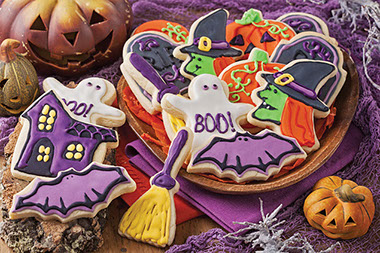
    Image of halloween treats.

    Despite all your work to help your kids eat healthy, holidays like Halloween can quickly throw your efforts off track. Candy in the stores and at school, and, of course, while trick-or-treating means your kids have plenty of access to junk food. It might be downright scary.

    While a little candy isn’t harmful, it can be easy to overdo it when junk food seems to be everywhere. And the health problems associated with sugary snacks and unhealthy foods are real:

    *  The Centers for Disease Control and Prevention says 1 in 5 school-aged children has obesity. While candy alone isn’t to blame, experts know that eating too many foods high in calories and low in nutrition (such as candy and sugary treats) are part of the problem.

    *  Sugary treats can cause cavities. The American Dental Association says some of the worst offenders are sticky treats that cling to teeth and those that sit in the mouth for a long time like hard candies and suckers. But, any high-sugar snack can spell trouble for someone’s dental health.

    The good news is, even health-conscious families can enjoy the fun of Halloween (and a few treats) if they have a plan in place before the spooky day arrives:

    *Don’t leave candy out where it can be grabbed any time.Kids (and adults) tend to reach for whatever is available, and may mindlessly eat whatever is sitting out. Put candy and other goodies in a hard-to-reach cupboard instead. This requires more effort to get to it, so it is “out of sight, out of mind.”

    *Teach kids moderation.If you make candy and sweets off-limits, kids may want the forbidden food even more. Instead, allow them a small treat after they’ve eaten a healthy dinner.

    *Lead by example.If you have a hard time avoiding sweet treats, now is a great time to make healthy eating a family effort. Reserve your candy and other treats for after dinner. Make it a small amount, such as one fun-sized candy bar.

    *Buy what you don’t like.If you like to grab a piece here and there while the trick-or-treaters visit your house, buy candy you won’t be tempted to eat.

    *Donate your candy!Teach kids to do good by giving their candy to soldiers and charitable causes, such as for kids who are in the hospital. A variety of organizations accept candy, but check first. Try your local food bank, Operation Gratitude, the Halloween Candy Buy Back and Ronald McDonald House.

    © American Institute for Preventive Medicine

  • Hair Loss: More Than Skin Deep

    WELL-BEING

    Image of man with thining hair.

    Hair loss is a common issue among men and women alike. The U.S. National Library of Medicine says about 50 million men and 30 million women have some degree of hair loss or baldness. Most of the time, this is due to hereditary hair loss.

    Sometimes, however, hair loss is a sign of a health problem. Hair loss can sometimes be caused by:

    *  Thyroid problems

    *  Diabetes

    *  Low iron in the blood (anemia)

    *  Prostate cancer in men

    *  High blood pressure (hypertension)

    *  Polycystic ovary syndrome (PCOS) in women

    Hair loss doesn’t always mean you have a serious illness. Sometimes hair falls out for a little while and then starts to grow back. Some of the reasons this happens include:

    *  Hair breakage from chemicals like perms and hair color

    *  Hairstyles that pull on the hair, such as tight ponytails and braids

    *  A stressful event, such as a death in the family

    *  Stress on the body from major surgery, childbirth or some illnesses

    *  Brushing hair too hard or too often

    *  Some prescription medicines, including those for arthritis, cancer, depression, gout, heart disease and high blood pressure

    *  Hormone changes, such as during pregnancy or menopause

    If you notice sudden hair loss, it’s important to find out the cause. If you notice large amounts of hair falling out when combing or washing your hair, or thinning or bald spots, make an appointment with your doctor.

    Common hair loss treatments

    Knowing the cause of your hair loss is the first step to treatment. For instance, if iron levels are low, your doctor may recommend an iron supplement. Treatments for common hereditary hair loss include:

    *  Topical minoxidil (brand name Rogaine, which can be purchased in stores)

    *  Finasteride (prescription medicine for men only)

    *  Topical or oral estrogen or other hormones (prescription for women only)

    *  Hair transplant surgery

    Source: American Academy of Dermatology

    © American Institute for Preventive Medicine

  • Grilled Fish Tacos

    HEALTHY EATING

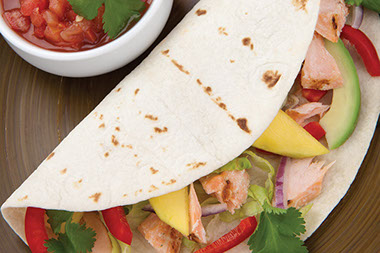
    Image of grilled fish tacos.

    Ingredients

    For the salsa:

    1 can of peach halves

    1/2 red bell pepper

    1/4 red onion

    1 whole jalapeno pepper

    1 Tablespoon fresh cilantro

    2 teaspoons lemon juice

    In a medium bowl, stir together chopped peaches, bell pepper, onions, jalapenos, cilantro and lemon juice; cover and refrigerate until ready to use.

    For the fish:

    4 tilapia fillets (about 1 lb)

    1 Tablespoon chili powder

    1/4 teaspoon low-sodium adobo seasoning

    1 packet low-sodium sazon seasoning

    8 flour tortillas (6″ diameter, warmed)

    Directions

    1. In a small bowl, stir together chili powder, adobo seasoning and sazon packet. Rub fish with spice mixture to coat completely.

    2. Place fish on hot greased grill grates.

    3. Cook, flipping once until fish is opaque and flakes easily with a fork (145 degrees Fahrenheit), about 8 minutes.

    4. Thinly slice fish. To serve, fill each tortilla with 1/2 fish fillet and about 1/3 cup of salsa.

    Serves 4: Per serving: Calories: 330; Total Fat: 5 g; Saturated Fat: 2 g; Sodium: 380 mg; Total Carbohydrate: 44 g; Dietary Fiber: 3 g; Protein: 27 g

    Source: What’s Cooking? USDA Mixing Bowl

    © American Institute for Preventive Medicine

  • Grill Master

    HEALTHY EATING

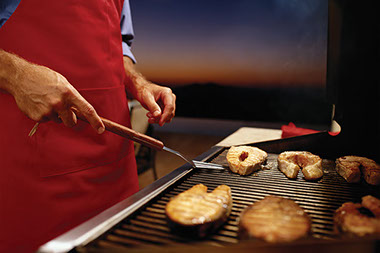
    Close up image of a person grilling.

    Charring, burning, or grilling meat, poultry, and fish over high temperatures causes heterocyclic amines (HCAs) to form. These HCAs can damage your genes and raise your risk for stomach and colorectal cancers, says The University of Texas MD Anderson Cancer Center. You can avoid HCAs:

    *  Use a marinade. Marinating meat in vinegar, lemon juice, and herbs such as mint, rosemary, tarragon, or sage can reduce HCA formation by as much as 96%. Just 30 minutes can help.

    *  Stick with fish. Fish contains less fat and cooks faster than meat and poultry.

    *  Lightly oil the grill. This keeps charred materials from sticking to your food.

    *  Pre-cook food. Cook meat, poultry, or fish in the microwave or oven for 2 to 5 minutes, then finish them on the grill.

    *  Lower the temperature. For a charcoal grill, spread the coals thinly or prop the grill rack on bricks. This reduces the heat by increasing the distance between your food and the coals. And use barbecue briquettes and hardwood products, such as hickory and maple. They burn at lower temperatures than softwood (pine) chips.

    *  Scrub the grill. Cleaning the grill after each use prevents harmful chemicals from building up and transferring to your food.

    © American Institute for Preventive Medicine

  • Great American Smokeout

    MEDICAL NEWS

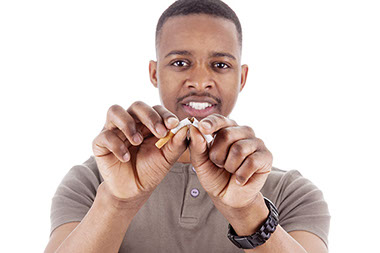
    Image of a man breaking a cigarette in half.

    Every year, on the third Thursday of November, the American Cancer Society asks tobacco users to make a plan to quit on this day, or plan in advance and then quit smoking that day.

    Earlier this year, the Surgeon General’s office released The Health Consequences of Smoking-50 Years of Progress. The report showed that adult smoking rates have fallen from about 43% in 1965 to about 18% today, but more than 42 million American adults and more than 3.5 million middle and high school students continue to smoke.

    Get help to quit

    Quitting tobacco is not easy. Nicotine is as addictive as cocaine or heroin.

    *  Use a nicotine replacement product, such as a patch, gum, or lozenges. Use as directed.

    *  Ask your doctor about prescribed medications that can help you quit.

    *  Take part in a non-tobacco use program  and events at work or in your community.

    *  Use the “Get Help to Quit” resources listed on this page.

    Ready, set, go…

    *  Set a quit date. The CDC advises doing this within 2 weeks.

    *  Write down the top reasons you want to quit.

    *  Tell others so they can encourage you. Ask others not to smoke around you.

    *  Get rid of tobacco products and related items from your home, car, and workplace. This includes matches, lighters, and ashtrays.

    *  Avoid drinking while you’re quitting cigarettes. Drinking alcohol can trigger cravings for a cigarette.

    *  When you get the urge to smoke, dip, or chew, take a deep breath through your mouth. Slowly exhale through pursed lips. Repeat 5-10 times.

    *  Have sugarless gum or mints or drink water.

    *  Hold a pen, stress ball, or other small object to keep your hands busy.

    *  Put the money you used to spend on tobacco products in a “ciggy” bank.

    *  Don’t give up if you relapse. Most people try several times before they succeed!

    Get help to quit

    American Lung Association

    800.LUNG.USA (586.4872)

    www.lungusa.org/tobacco

    National Cancer Institute’s Smoking Quitline

    877.44U.QUIT (448.7848)

    www.cancer.gov/cancertopics/smoking

    National Network of Tobacco Cessation Quitlines

    800.QUIT.NOW (784.8669)

    Smokefree Women

    www.women.smokefree.gov

    U.S. Department of Health & Human Services

    www.smokefree.gov

    © American Institute for Preventive Medicine

  • Grab On

    WELL-BEING

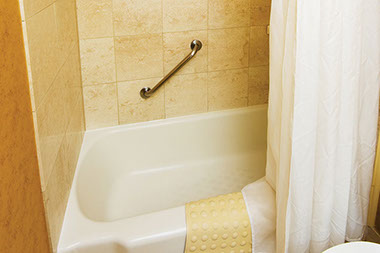
    Image of tub and shower with grab bars.

    You don’t have to be a senior to risk falling in a steamy, slippery bathroom. Grab bars provide extra support through unique anchoring systems that can support up to 500 pounds of pressure, depending on the manufacturer, according to Lifetime Products.

    When installing safety grab bars, look for places where you are most likely to lose your balance:

    *Tub/Shower.Install grab bars at a lower level to help bathers with raising and lowering. A grab bar at waist level or slightly higher is ideal to help with stepping in and out of the tub, as well as to hold for extra balance while washing and shampooing when showering.

    *Toilet.Install a grab bar on the wall near the toilet for support when sitting down and standing up. Some toilet-paper holders are specifically designed to double as safety bars.

    *Towel racks.Regular towel racks aren’t designed to support the weight of someone leaning on them and will loosen over time and eventually detach from the wall, which could lead to serious injury. Install safety towel bars and/or towel shelves that are designed to provide support.

    © American Institute for Preventive Medicine

  • Good Mood Foods

    HEALTHY EATING

    Image of couple eating dinner.

    Colder temps, darker and longer days, and the temptation to eat more and move less. Sound like your winter schedule? Boost your mood with this advice from Highmark, a health care company.

    *Focus on nutrient-rich foods.Eating “comfort foods” may help you relax and give you a mood boost, but it’s only temporary. Nutrient-rich foods like fruits, vegetables, whole grains, and lean protein foods provide a consistent and long-lasting impact on your health, mood, energy, and alertness.

    *Cut back on your fat intake.A high-fat diet can be a real brain and energy drainer. Just say “no” to deep-fried foods and look for foods that contain no more than 3 grams of fat per serving.

    *Eat moderate portion sizes and avoid large meals.Have you ever wondered why you feel tired after eating a large meal? During periods of digestion, your blood supply is directed to the digestive tract and away from the rest of the body, which causes you to slow down.

    *Eat regular meals.Skipping meals can slow your metabolic rate, and the lower your metabolism, the lower your energy level. Plan regular meals and snacks to keep your metabolic rate and blood sugar levels normal to provide your brain the best means to function and handle stress.

    *Remember balance, variety, and moderation.The best strategy for maintaining a good mood, high-energy level, and concentration is to consistently eat a wide variety of foods high in nutritional value.

    © American Institute for Preventive Medicine