Blog

  • Fitting In Fitness When Life Is Busy

    BE FIT

    Image of two female friends walking outside in the winter.

    Regular exercise improves your physical and mental health in many ways. Despite its benefits, exercise can be hard to fit into a busy schedule. But no matter how busy your life is, there are ways to make physical activity a part of your routine. Try these small steps to work toward a more active life.

    *Focus on small chunks of time.Many people feel overwhelmed when they think about having to exercise for 30 to 60 minutes. But even 10 minutes of exercise has health benefits. Instead of surfing the web for 10 or 15 minutes, turn on some music and dance, climb the stairs or take a walk.

    *Schedule it in.Most people have at least a few minutes a day they could spend doing exercising instead of leisure activities. TV or Internet time are great examples of things you could cut back on to make time for physical activity. Put your exercise time in your calendar or set an alarm to remind you to get up and move.

    *Make it convenient.Try to find a gym that’s close to your home or work so you can stop by without going out of your way. Or, check out fitness DVDs from the library to use at home. If you make it easier to get started, it may be easier to stick with it.

    *Don’t forget about weekends.Use your days off to get in a few extra minutes of exercise. Instead of quick 10-minute walks, make it 30 minutes. Or, go to a park or walking trail and enjoy the scenery and the extra time for yourself. Go for a family exercise outing to help everyone get healthier!

    *Make the most of break time.Take just five to 10 minutes to walk around the building or up some stairs when you have a break from work.

    © American Institute for Preventive Medicine

  • Find Unclaimed Money

    WELL-BEING

    Image of the word 'scam' spread across money.

    Uncle Sam may actually owe you money. How? If the government owes you money, and you do not collect it, it becomes unclaimed money. This can happen because of bank or credit union closures, investment funds, pensions, tax refunds, or savings bonds, among others.

    But before you assume that there has to be unclaimed money out there for you, beware, says USA.gov, a government information website.

    There are people out there who will contact you, claim to be the government, saying they will send you unclaimed money for a fee. This is a scam. Legitimate government agencies will not contact you about unclaimed money or assets.

    Right now, there is no single government site for finding unclaimed money by name, social security number, or state. You need to visit each site separately and perform a search.

    After searching, if you are owed funds, there will be instructions and steps to follow to collect your money.

    For more information on unclaimed money, or other government resources, visitUSA.gov.

    © American Institute for Preventive Medicine

  • Fiberize Your Kitchen

    HEALTHY EATING

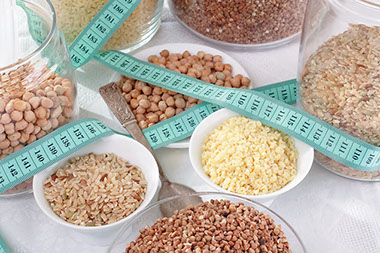
    Image of different grains in bowls and jars.

    To stock your kitchen with whole grains and fiber-containing foods from cupboard to refrigerator to freezer, use this handy list to get started, suggests Anita Kobuszewski, RD, author of Food: Field to Fork, How to Grow Sustainably, Shop Wisely, Cook Nutritiously, and Eat Deliciously. She reminded, “Remember-nutrition doesn’t begin until the food passes your lips.”

    *  Fresh and canned fruits and vegetables

    *  Dried fruits such as raisins and cranberries

    *  Preserves made with whole fruit

    *  Whole wheat, rye, cornmeal, soy, and buckwheat flours

    *  Whole-grain and fortified breads, crackers, bagels, and 100% whole wheat or whole-grain rolls

    *  Ready-to-eat fortified and whole-grain breakfast cereals

    *  Cooked cereals including quick-cooking whole-grains like oatmeal and quinoa

    *  Brown long-grain, brown short-grain, and wild rice

    *  Whole-grain spaghetti, macaroni, and other pastas

    *  Corn and whole wheat tortillas

    *  Air popped popcorn and lower fat microwave varieties

    *  Canned or dried garbanzo beans, pinto, black and lima beans; split peas, and black-eyed peas; refried beans, hummus

    *  Peanut butter

    *  Nuts (such as pecans, almonds, and walnuts) and seeds (such as flax seed, sesame, pumpkin, and sunflower seeds)

    *  Vegetable soups, chili with beans, minestrone

    *  Canned or frozen vegetarian dishes such as chili or cheese lasagna

    © American Institute for Preventive Medicine

  • Family Meals: Healthy & Simple

    HEALTHY EATING

    Image of mother with 2 young kids wearing chef hats.

    Try these time-saving tips to make eating healthier simpler for you and your family, says Penny Kris-Etherton, PhD, RD, professor of nutrition at Penn State University.

    Plan out 2 to 4 weeks of healthy meals for breakfast, lunch, and dinner.Sit down and map out meals that include your family’s heart-healthy favorites. Update your list as you come across new recipe ideas.

    Use the weekend to make menus.Start by using the list from the first tip and make sure you grab the ingredients you need when you go grocery shopping. Keep an eye out for fresh, seasonal items that are on sale.

    If you work during the week, cook over the weekend and store leftovers in the fridge or freezer.Meals can be hassle-free when you’re just thawing and reheating for quick lunches and dinners.

    Cut up vegetables and keep them handy in the fridge.You’ll have ready-made nutritious snacks and ingredients.

    Shop sales, clip coupons, and buy fruits and vegetables in season.Look for less-expensive items. For example, blueberries cost less in spring and summer, when they’re in season. You’ll pay more in the fall and winter when they’re shipped from warmer continents.

    Skip the ready-made foods.They can be higher in sodium and often cost more than homemade foods.

    Replace high-calorie or high-fat favorites with nutrition-rich foods one at a time.Your family won’t feel shocked or deprived of their favorites if the changes to their diets are gradual. Try one change per week as a starting point.

    © American Institute for Preventive Medicine

  • Family Matters

    FAMILY LIFE

    Image of family sitting on a couch with their pet dog.

    Your family is where you learn who you are and how to relate to others. It plays a vital role in fulfilling the human need to belong and have close, long-term relationships. Whether you are a child, teen, or adult, family experiences can promote or hinder your well-being.

    Tips to foster family well-being

    *  Live a healthy lifestyle together.

    – Plan for, shop, and eat healthy foods.

    – Exercise as a family if you can. Or, promote physical activity suited for each family member.

    – Get enough sleep.

    *  Plan to eat at least one meal a day together. Have each person talk about his or her day, such as stating the best part and worst part.

    *  Spend time together. Attend important events for each family member.

    *  Express care and concern. Be available to help each other out. Listen, listen, listen.

    *  Practice good manners. Say, “Thank you” and “You’re welcome.” Make it a practice to send thank you calls, notes, letters, or emails to others for gifts and other acts of kindness.

    *  Express affection. Say, “I love you,” “I care about you,” and “You mean a lot to me.”

    *  Discuss the value of the family as a whole. Encourage individual expression and development.

    *  Define clear, yet flexible roles for family members. Assign family chores.

    *  Keep the house as organized as possible.

    *  Discuss the need to adapt to changes and deal with stressful events.

    *  Seek professional help for problems the family cannot deal with on its own.

    © American Institute for Preventive Medicine
  • Fall In Love With Fall Vegetables

    HEALTHY EATING

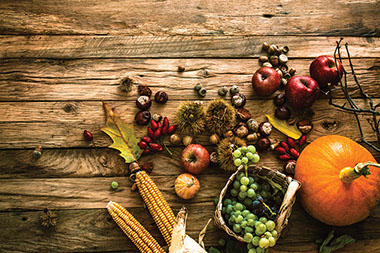
    Image of a variety of fall vegetables.

    Perhaps the days of watermelon and cucumbers are behind us for now, but fall has plenty of delicious in-season veggies and fruits to offer.

    Eating what’s “in season” often means you can get food that’s fresher, more nutritious, and costs less. Check out the grocery store or farmer’s market for some of these delicious fall favorites:

    *  Pumpkins

    *  Carrots

    *  Winter squash, such as acorn, butternut and buttercup

    *  Broccoli

    *  Cauliflower

    *  Sweet potatoes

    *  Mushrooms

    *  Spinach

    *  Grapes

    Of course, some produce is available year-round when it can be shipped from far away. But, check out where the food was grown to ensure you’re getting something fresh. The USDA requires that fresh and frozen fruits and vegetables, along with some meats and fish, have a label on them stating the “country of origin.” In general, the farther it’s had to travel, the less fresh it will be when it gets to your grocery store.

    Remember many of your favorites can be found in the frozen food section if it’s not available fresh at certain times of year.

    © American Institute for Preventive Medicine

  • Fall Foods Fight Cancer

    HEALTHY EATING

    Image of pumpkin soup.

    The harvest bounty should end up on your dinner table. Stacy Kennedy, a senior nutritionist at Dana-Farber Cancer Institute in Boston, says many fruits and vegetables are at their nutritional peak in the fall so it’s a great time to incorporate them into a healthy diet.

    Kennedy shares the ABC’s of fall foods:

    *“A” is for apple.Studies suggest that eating at least one apple a day can help prevent some types of cancer. Besides being crisp, sweet, and juicy, apples contain quercetin, a nutrient that protects the cells’ DNA from getting damaged. This damage could lead to cancer. Eat apples raw with the skin on because that’s where many of the nutrients are found.

    *“B” is for berries-cranberries.Eat cranberries year-round. Cranberries contain benzoic acid, which has been shown to inhibit the growth of lung cancer, colon cancer, and some forms of leukemia. Buy bags of fresh cranberries now, while they are in season and at their nutritional peak, and pop them in the freezer for later use. This will help ensure that the berries will provide the highest level of cancer protection whenever they’re used.

    *“C” is for color.Just like the leaves on the trees, fall is a time for colorful vegetables like beets, carrots, and parsnips. They add a burst of color and taste. The brighter and richer the pigment, the higher the level of cancer- fighting nutrients.

    *“D” is for dark leafy vegetables.Kale is a top choice because it’s rich in phytonutrients called indoles, which stimulate liver detoxification and help fight cancer. Other members of the cruciferous family include broccoli, cabbage, and Brussels sprouts.

    *“E” is for everything orange.Pumpkins, squash, carrots, and sweet potatoes are all packed with a cancer-fighting nutrient called carotenoid. Kennedy stresses that pumpkin isn’t just for pies. She suggests eating it year round by adding it to soup, smoothies, pancake batter and even raviolis.

    FYI: Tomatoes and plastic

    To keep your plastic storage containers from becoming discolored from acidic tomato products, spray with a non-stick cooking spray first, then place your food items inside. This food prep advice is from the extension experts at the University of Nebraska-Lincoln.

    © American Institute for Preventive Medicine

  • Face Facts About Acne

    SELF-CARE CORNER

    Image of young women washing her face.

    Acne. It’s embarrassing. It’s annoying. And it’s the most common skin condition in the U.S. Fortunately, acne can often be reduced with simple changes to your skin care routine, say experts from the American Academy of Dermatology.

    For clearer skin, follow these tips:

    *  Wash twice a day and after sweating. Perspiration, especially when wearing a hat or helmet, can make acne worse, so wash your skin as soon as possible after sweating.

    *  Use your fingertips to apply a gentle, non-abrasive cleanser. Using a washcloth, mesh sponge, or anything else can irritate the skin. Do not use skin care products that irritate the skin, which may include astringents, toners, and exfoliants. Dry, red skin makes acne appear worse.

    *  Rinse with lukewarm water.

    *  Shampoo regularly. If you have oily hair, shampoo daily.

    *  Let your skin heal naturally. If you pick, pop or squeeze your acne, your skin will take longer to clear and you increase your risk of getting acne scars.

    *  Keep your hands off your face. Touching your skin throughout the day can cause flare-ups.

    *  Stay out of the sun and tanning beds. Tanning damages your skin. In addition, some acne medications make the skin very sensitive to ultraviolet (UV) light, which you get from both the sun and indoor tanning devices.

    *  See a skin specialist for the most current treatments.

    © American Institute for Preventive Medicine

  • Eye-Popping Facts

    WELL-BEING

    Image of 2 young brothers using a tablet at bedtime.

    Kids (and adults) are spending hours using electronics such as iPads, video games, computers, and smartphones. How much is too much for your eyes when it comes to digital device use?

    Eye strain or Computer Vision Syndrome (CVS) is a serious condition that can cause back and neck pain, dry eye, and even headaches. Statistics show that 80% of what we learn is through our eyes, which means that digital eyestrain and CVS can have a major impact on productivity and success.

    VSP optometrist, Dr. Nate Bonilla-Warford suggests these eye-easing ways to avoid digital eye strain:

    *Blink often:When looking at a computer or hand-held digital device, it’s common for you to blink 2 to 3 times less than you normally would. This can lead to “dry eye.” Blinking bathes your eyes in tears, and tears are naturally helpful for the eyes.

    *Follow the 20/20/20 rule:When spending long periods in front of a digital device, every 20 minutes, spend 20 seconds looking at something 20 feet away to allow your eyes to rest.

    *Ensure proper lighting:Poor lighting often causes eye strain. To help ease the strain on your eyes, keep bright lighting overhead to a minimum and position your desk lamp to shine on your desk, and not at you.

    *Wear it:If you or your child wears prescription glasses-for digital use or otherwise-make sure to have them on.

    © American Institute for Preventive Medicine