Blog

  • Exercise To Keep The Pounds Away

    BE FIT

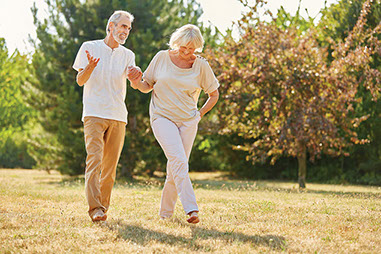
    Image of an older couple walking outside.

    Losing weight isn’t easy – and that’s only one part of the battle. After you’ve lost excess pounds, it can be hard to keep them off. Many people experience weight regain, which means they gain back some or all of the weight they worked so hard to lose. But why does this happen?

    Moving to Burn Calories

    To lose weight, there’s a good chance you’re cutting calories by eating less and choosing healthier, lower calorie foods, such as fruits and vegetables. But over time, it can be difficult to keep up a diet of fewer calories. If you start eating more calories and don’t burn them off, they can add up to extra weight.

    This is where an exercise program comes in. The National Heart, Lung, and Blood Institute says exercise is a great way to help keep pounds off after weight loss. Moving your body burns calories, so you don’t have to rely upon food choices alone to keep calorie counts within your healthy range.

    Not everyone needs the same amount of exercise to keep the weight off. But in general, experts recommend doing moderate-intensity exercises up to 30-60 minutes a day, 5 days a week. These activities are considered moderate-intensity exercises, and you can do them at home:

    *  Wash windows or floors for 45 to 60 minutes

    *  Garden for 30 to 45 minutes

    *  Push a stroller 1.5 miles in 30 minutes

    *  Rake leaves for 30 minutes

    *  Walk 2 miles in 30 minutes

    *  Walk up and down stairs for 15 minutes

    Your exercise can be done all at once or broken up throughout the day. If you’re looking to do sport-related activities, some good options include basketball, bicycling, jogging, tennis and dancing. The key is to find an activity that gets you moving – and that you can stick with.

    © American Institute for Preventive Medicine

  • Exercise Smart:Prevent Heat Stroke

    BE FIT

    Image of young man and women jogging on the beach.

    Exercising outdoors is a great way to get some fresh air and improve your health. But on the hottest days of the summer, be sure you don’t overdo it. Heat stroke can happen to anyone, even trained athletes, and can be life-threatening.

    How it happens

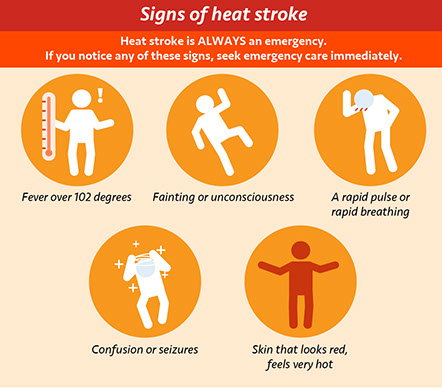
    Being out in hot temperatures, especially while exercising or doing any physical activity, can cause heat stroke. The body loses its ability to control its own temperature, and it keeps rising to unsafe levels. This can damage the brain, heart, and other organs.

    Warning signs

    Before heat stroke happens, you may notice warning signs of heat illness. This is the body’s way of saying it needs to cool down right away. They include:

    * Muscle cramps

    * Feeling very thirsty

    * Feeling very tired

    * Dizziness

    * Weakness

    * Headache

    * Nausea and vomiting

    * Skin feels moist and cool

    If you notice any of these signs, get the person out of the heat right away. Find shade, apply cool cloths to the head, and use a fan or ice packs to cool the person down. Giving a sports drink is best, but water will do if you don’t have a sports drink. If the person isn’t improving  quickly, call 911 or go to the nearest emergency room.

    Preventing heat stroke

    Preventing heat stroke is possible. Be smart about the summer sun with these tips:

    *  Drink plenty of fluids when you’re  out in the heat.

    *  Wear clothing that fits loosely and is lightweight.

    *  Seek shade or go inside during the hottest hours of the day.

    *  Don’t leave people or pets in parked cars, even with the windows down.

    *  Exercise indoors on days when there is a heat advisory, or anytime it feels too hot and humid.

    *  Keep the very old or very young out of the heat as much as possible.

    *  Wear sunscreen. A sunburn can make your body overheat.

    Anytime you feel too hot, it’s time to go inside for a cool down. Don’t try to push through it. Exercise is best done indoors on hot days. Heat stroke isn’t worth the risk!

    © American Institute for Preventive Medicine
  • Exercise On A Budget

    BE FIT

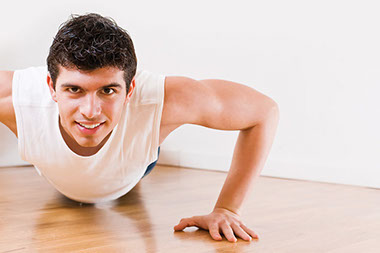
    Image of young man doing push-ups.

    Don’t let gym memberships, personal training fees, or the cost of the latest exercise gadget weigh you down. Exercise is about moving, stretching, lifting, bending, breathing – things you can easily do at home. Or simply walk – around the block, at a mall, or on a local school’s track.

    Get started

    Start with a few simple stretches to warm up your muscles. If you need help, go online for how-to instructions on everything from stretching to full routines. You can also find exercise tools to track your progress.

    No equipment necessary

    Do what you were taught in gym class – squats, push-ups, jumping jacks, and crunches. Lift your legs and arms, touch your toes, bend from side to side, jog in place, and twist. Just make sure you target all your major muscle groups at least once every week.

    No free weights? Try these substitutes

    *  Use cans instead of dumbbells to exercise biceps and triceps.

    *  A gallon jug filled with water, sand, or powdered detergent is just as effective as a kettle bell for squats and arm lifts.

    *  Put a paper plate under one foot and lunge forward. You can also attach plates to both feet with rubber bands to simulate skating. Or, get down on all fours, put the plates under your hands and slide them back and forth for a great chest workout.

    *  Pantyhose stretch just as well as resistance bands for rowing and stretching routines.

    *  A low, sturdy stool or a bottom stair can be used for a step exercise routine.

    © American Institute for Preventive Medicine

  • Exercise May Keep Some Cancers Away

    BE FIT

    Low angle image of women running.

    A recent study from the National Cancer Institute and the American Cancer Society says the most active people have a lower risk of getting 13 different types of cancers. The study said the most active people saw the most benefit, but even moderate exercise (150 minutes per week) was still very helpful. Examples of moderate exercise are walking, swimming and running.

    According to the study, people who exercise regularly have a lower risk of:

    *  Colon cancer

    *  Breast cancer

    *  Endometrial (uterine) cancer

    *  Esophageal adenocarcinoma

    *  Liver cancer

    *  Cancer of the gastric cardia

    *  Kidney cancer

    *  Myeloid leukemia

    *  Myeloma

    *  Cancers of the head and neck, rectum and bladder

    © American Institute for Preventive Medicine
  • Exercise Is Healthy For Your Mind

    BE FIT

    Image of older Asian couple brisk walking.

    Regular exercise offers many health benefits. You may already know it helps you stay strong and healthy, and can help you lose weight. It can also help prevent heart disease, diabetes, arthritis, and other diseases. But exercise is doing good for another vital organ in your body: your brain.

    Studies are now showing that regular aerobic exercise can help your brain work better. This includes:

    * Better memory

    * Ability to switch tasks

    * Ability to plan activities and stay organized

    * Possible reduced risk of Alzheimer’s disease

    Although researchers don’t know exactly why exercise helps the mind, there are some possibilities. It increases blood supply to the brain, and helps it form connections. These connections are responsible for forming memories and thinking about future activities. Exercise also improves an area of the brain that remembers and learns.

    Source: National Institute on Aging

    © American Institute for Preventive Medicine

  • Exercise For Stronger … Bones?

    BE FIT

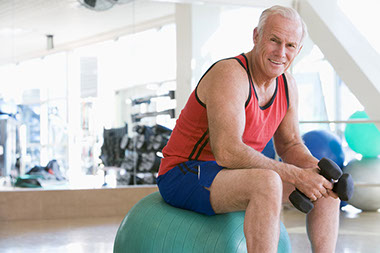
    Image of older man sitting on fitness ball holding dumb bells.

    If you’re lifting weights or doing push-ups, you must want strong muscles, right? Actually, weight-training exercises, sometimes called resistance exercises, are great for your bones too.

    Men and women of any age can benefit from the bone-building effects of strength training. It’s especially important as we get older, when bones tend to get thinner.

    If you’re new to strength training, be sure to check with your doctor before beginning. Just two to three days a week of strength training can have big benefits. And you don’t have to lift heavy weights or do difficult routines. Here are some quick and simple ways to get started.

    *  If you belong to a gym, try using the weight machines. These are safer and easier to start with than free weights. Ask the gym staff for help and for correct usage tips if needed.

    *  At home, you can do simple exercises without any equipment. Arm raises, leg curls, chair dips, and toe stands are all good examples. Get information and videos on various exercises for seniors and beginners atwww.nihseniorhealth.gov.

    Sources: National Osteoporosis Foundation, National Institutes of Health

    © American Institute for Preventive Medicine

  • Exercise Benefits Outweigh The Struggle At Any Age

    BE FIT

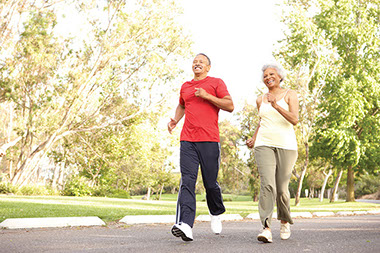
    Image of older couple on a brisk walk.

    The more you age, the more you need exercise to stay independent and healthy, said Dr. Keith Veselik, director of primary care at Loyola University Health System. “Around age 35 is when our muscle mass and resting metabolism starts to decrease. When this happens our bodies require more, not less exercise to manage our caloric intake. When this starts to happen, we can eat the same things, do the same things and may gain 3 pounds a year. That’s 30 pounds in a decade,” he said.

    Dr. Veselik said the best workout program balances heart healthy exercise, strength training, and flexibility. He recommends an hour of cardiovascular exercise 4 days a week, 2 days of strength training for 30 minutes, and balance and flexibility exercises such as stretching, yoga or pilates, 1 to 2 times a week.

    In your 50s:

    *  Muscle and joint aches and pains start becoming more apparent, so get creative about how to keep up cardiovascular exercise that is easy on the joints but gets the heart rate up (hint: swimming, biking, or running on softer surfaces).

    *  Cardiovascular exercise also helps to fight many of the most common and deadly medical concerns, including heart disease, asthma, and COPD.

    *  Don’t go from doing nothing to running a marathon. Talk to your doctor, ask about risk factors, and together create a plan that’s right  for you.

    *  If back pain occurs, protect your back by building strong core muscles and make sure you are lifting heavy objects correctly.

    In your 60s:

    *  Balance and strength should be a major focus. Many people are scared of breaking a hip, which can limit independence.

    *  Bones aren’t as strong and both men and women become more prone to osteoporosis.

    *  Add balance and leg strengthening exercises to increase flexibility, as well as balance to help prevent accidental falls. Weight-bearing exercise is crucial to bone health and keeping bone density strong.

    *  If arthritis develops at this age, exercise can help you cope. Swimming or aquatic classes are especially good.

    *  Walking is a great form of exercise. Just make sure you get your heart rate up.

    In your 70s and beyond:

    To combat seniors’ biggest worry, dementia, know that exercise is the only thing that is proven to prevent Alzheimer’s disease. And many of the major risk factors for dementia – high blood pressure, high cholesterol and diabetes can be countered with exercise.

    © American Institute for Preventive Medicine

  • Exercise & Health Conditions Can Mix

    BE FIT

    Image of doctor and patient talking.

    Working out isn’t easy, and if you have a health condition, exercise may seem even more difficult. In many cases, exercise is not only safe for those with health conditions – it’s recommended. Being active may improve your overall health and help you manage your condition. And, it can help you feel better too.

    Check out some of the ways exercise can help you if you have a health condition. Ask your doctor which activities are best for you.

    ARTHRITIS

    Exercise can prevent or slow some types of arthritis. In fact, it may be the most effective non-drug treatment for reducing pain and improving movement in people who have osteoarthritis (OA). Walking and water exercises are generally good choices.

    HEART DISEASE

    You can improve heart health when you move. Physical activity reduces your chance of having a heart attack or stroke. It helps your heart work better and improves blood flow. Forty minutes of moderate activity 3 to 4 times per week can lower cholesterol and blood pressure. If you have chest pain, or recently had a heart attack or a heart procedure, ask your doctor before you start exercising.

    DEPRESSION

    Depression, anxiety and high stress can be alleviated with exercise. Aerobic exercise may improve mood, sleep and self-esteem. The chemicals released during exercise have feel-good effects on the brain. Try walking, biking, aerobics or dancing.

    BLOOD SUGAR

    Working out may help manage blood sugar and diabetes. During exercise, your cells become more sensitive to insulin so it can work better. The cells are also able to lower your blood sugar. If you have diabetes, regular exercise can mean fewer diabetes medicines or less insulin. People with diabetes should ask their doctor how they can exercise safely before they begin exercise.

    ASTHMA/COPD

    Asthma and COPD (chronic obstructive pulmonary disease) can make exercise more challenging, but it’s often possible to do safely. Exercise can help manage weight, reduce stress and keep the heart healthy – all important factors with asthma and COPD. In general, people with asthma or COPD should avoid exercise when temperatures are low and air is dry or polluted. Wearing a mask over the mouth can help, and doing a proper warm-up and cool-down is also advised. Always carry your rescue inhaler when you exercise.

    Even if you don’t have a health condition, exercise to stay healthy. Regular physical activity can reduce the risk of many diseases including some cancers, and help you live longer. Talk to your doctor before you start an exercise routine.

    © American Institute for Preventive Medicine

  • Exercise Addiction: Are You At Risk?

    BE FIT

    Image of female in fitness attire.

    Many women think that with achieving a fabulous figure like fashion models comes happiness, wealth, and the ideal mate. They will often exercise to a dangerous point in pursuit of “their dream body,” say Dr. Julia Samton, a neuropsychiatrist, and Certified Personal Trainer Franci Cohen who speak out about the dangers of pushing yourself past your limit.

    “For some girls, this desire for that picture-perfect life can lead to exercise addiction-the beginning of this quest for perfection,” says Dr. Samton.

    Typical symptoms of someone who is letting exercise take over her (or his) life:

    *Intention effects.The amount of exercise or length of exercise sessions is longer than originally intended.

    *Time.Large amounts of time are spent exercising and conflict with other areas of life.

    *Continuance.The person will continue to exercise even with persistent physical or psychological issues that are made worse from exercising, such as a recurring injury.

    “The biggest red flag,” according to Dr. Samton, “would be when exercise starts to interfere with one’s occupational, social, and overall functioning. It’s at this point that treatment is recommended.”

    “Cognitive behavioral therapy can be helpful, but seeking a therapist with experience in exercise addiction is crucial. For extreme cases, there are inpatient treatment facilities,” says Dr. Samton.

    © American Institute for Preventive Medicine

  • Every Step Helps

    BE FIT

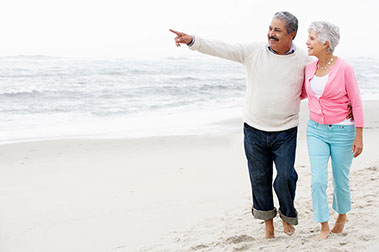
    Image of older Hispanic couple walking on the beach.

    You know exercising is great for you, but it’s hard to find time to do it. If going to the gym sounds impossible, why not walk? Research says that walking for just 30 minutes each day will improve your health. For those who are really short on time, you can even break those 30 minutes up. Walk for 10 minutes, three times a day – and you’re getting health benefits.

    The National Institutes of Health says regular exercise like walking can:

    *  Improve high blood pressure

    *  Lower your risk of heart disease

    *  Strengthen muscles and bones

    *  Improve type 2 diabetes

    *  Give you more energy

    *  Help you manage stress

    *  Reduce feelings of depression

    With exercise, every step helps. You don’t need fancy equipment or even a gym membership to get healthier – and you can start today.

    © American Institute for Preventive Medicine