Blog

  • Don’t Wait For The New Year – Get Fit Today!

    BE FIT

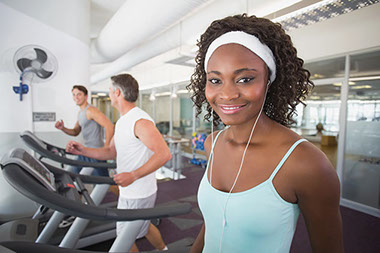
    Image of women at gym using the treadmill.

    Many people find it easier to wait until January 1 to start healthy habits. After all, getting more exercise is a great way to kick off a healthier year.

    But, with the tremendous benefits of exercise, why wait? Some people assume that it will take weeks of exercise to start looking or feeling better. Did you know there are some benefits to exercise that you will feel the first time you work out? You can reap the rewards of exercise – starting today!

    These are some of the benefits of exercise that can make your day even better:

    *  Better memory and thinking. If you need to stay focused on something, some exercise may help by promoting better memory and brain performance.

    *  Better sleep tonight. Tired of tossing and turning? People who exercise may fall asleep faster and have better quality sleep that very same night.

    *  Less stress or anxiety. The more you exercise, the better it is for your stress levels. But, even a few minutes of exercise can help improve your mood and lower anxiety right away.

    Start small

    It can be tough to fit in exercise around the holidays. With parties and gatherings, you may have even less time than usual. Don’t let that stop you.

    Instead, make a small and doable goal for exercise. Maybe walking twice a week is all you can do right now. Whatever it is, make it a goal you can achieve. A realistic goal will keep you motivated long after the New Year’s resolutions have come and gone.

    Sources: Anxiety and Depression Association of America, Journal of Psychology and Aging, International Sportmed Journal

    © American Institute for Preventive Medicine

  • Don’t Play With Fire: Fireworks Safety Tips

    WELL-BEING

    Image of a group of friends with sparkler fireworks.

    The most common firework injuries involve the fingers and hands, but may also include the face, head, ears, arms and legs. Many people injure their eyes from fireworks. They may burn or scratch the eye, or could even go blind if a firework ruptures the eyeball or harms the retina.

    Firecrackers are the worst offenders, accounting for 25 percent of all fireworks injuries. Sparklers can also cause serious harm because they burn up to 1,200 degrees Fahrenheit, or 10 times hotter than boiling water, while people are holding them.

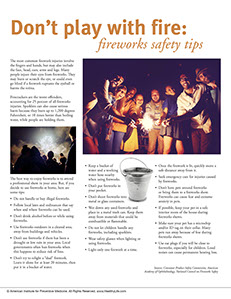
    The best way to enjoy fireworks is to attend a professional show in your area. But, if you decide to use fireworks at home, here are some tips:

    *  Do not handle or buy illegal fireworks.

    *  Follow local laws and ordinances that say when and where fireworks can be used.

    *  Don’t drink alcohol before or while using fireworks.

    * Use fireworks outdoors in a cleared area, away from buildings and vehicles.

    *  Don’t use fireworks if there has been a drought or low rain in your area. Local governments often ban fireworks when this happens to reduce risk of fires.

    *  Don’t try to relight a “dud” firework. Leave it alone for at least 20 minutes, then put it in a bucket of water.

    *  Keep a bucket of water and a working water hose nearby when using fireworks.

    *  Don’t put fireworks in your pocket.

    *  Don’t shoot fireworks into metal or glass containers.

    *  Wet down any used fireworks and place in a metal trash can. Keep them away from materials that could be combustible or flammable.

    *  Do not let children handle any fireworks, including sparklers.

    *  Wear safety glasses when lighting or using fireworks.

    *  Light only one firework at a time.

    *  Once the firework is lit, quickly move a safe distance away from it.

    *  Seek emergency care for injuries caused by fireworks.

    *  Don’t have pets around fireworks or bring them to a fireworks show. Fireworks can cause fear and extreme anxiety in pets.

    *  If possible, keep your pet in a safe interior room of the house during fireworks shows.

    *  Make sure your pet has a microchip and/or ID tag on their collar. Many pets run away because of fear during fireworks shows.

    *  Use ear plugs if you will be close to fireworks, especially for children. Loud noises can cause permanent hearing loss.

    Sources: Consumer Product Safety Commission, American Academy of Ophthalmology, National Council on Fireworks Safety

    © American Institute for Preventive Medicine
  • Don’t Make Me Choose

    WELL-BEING

    Image of women looking up at the words, 'Yes' and 'No'.

    Having more choices is generally considered a good thing, until you actually have to choose that one cell phone, one prescription drug plan, or one car model from among a dozen or so options. Economists call that problem choice overload, and the frustration it causes can lead to poor decisions.

    To help people make better choices when confronted by a large number of options, researchers at the Georgia Institute of Technology studied two decision-making strategies that break down the options into smaller groups that can be evaluated more effectively. Like the Final Four basketball elimination, the best technique goes like this when you have to choose from many options:

    *  Divide the options into piles of 4.

    *  Choose the best option from each pile.

    *  Put the winners from the first round into a new finalist pile.

    *  Choose the best option from winners of the earlier 4 selections.

    © American Institute for Preventive Medicine

  • Don’t Let The Bed Bugs Bite

    SELF-CARE CORNER

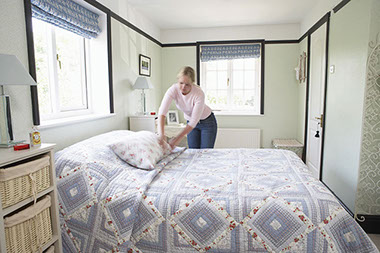
    Image of women making bed.

    Bed bugs have become more common in the U.S. in recent years. Common pesticides used to kill bed bugs may not work as well as they once did. The bugs may be getting “resistant,” which means they can survive pesticides used on them. This resistance, along with increased travel by people and lack of knowledge about how to get rid of them, are likely to blame for the rise in these pests.

    Bed bugs feed on blood so they are attracted to people and animals. They also come out at night, so the bed is the best place for them to find their meal.

    Check for bed bugs

    If you want to keep bed bugs out, you’ll need to check your home, as well as hotels while traveling. Look for small, reddish brown bugs about the size of an apple seed. Use a flashlight to get a good look. Check:

    *  Under and all around the mattress, box spring and bed frame

    *  Seams and small crevices where they like to hide –  bed bugs can get into cracks as thin as a credit card

    *  Nightstands and other furniture near beds

    Do I have bed bugs?

    Even if you don’t see any bugs, watch for signs that they are hiding in your home and biting people. The most common signs of bed bugs include:

    *  Small, reddish spots on bed sheets or mattresses

    *  Small round, dark spots on the bed  (may look like ink spots)

    *  Tiny eggs, egg shells or light yellow skins

    How to prevent them

    Bed bugs have been found in clean homes that are well cared for. They can be hard to keep out. These tips can help you keep them away:

    *  Check for bed bugs when you travel and don’t put your suitcase on the bed.

    *  When you get home from a trip, immediately wash your travel clothes in hot water.

    *  Keep luggage outside when you get home and vacuum it thoroughly. Empty the vacuum contents into a plastic bag, seal it and throw it in the garbage outside.

    If you find a bug that might be a bed bug, tape it to a piece of paper so you can show it to a pest control expert. Call a pest control company right away. If you live in an apartment or rental home, contact your landlord about what to do.

    The Environmental Protection Agency has information about getting rid of them on their website. Visitwww.epa.gov/bedbugs.

    Sources: National Institutes of Health, Environmental Protection Agency

    © American Institute for Preventive Medicine

  • Don’t Just Sit There

    BE FIT

    Image of man running.

    When you’re upright and active, even briefly, your body is at work. “You’re engaging a wide range of systems in your body when you move throughout your day,” says Dr. Charles E. Matthews, who studies physical activity and cancer risk at NIH. “Your muscles are contracting, you’re maintaining your balance, and you’re resisting the force of gravity.”

    When you’re sitting, he says, “Muscle contractions go way down, and your body’s resistance to gravity decreases.” When you sit for long periods, your body adapts to the reduced physical demand and slows down its metabolism. When metabolism slows, you burn fewer calories and boost the chance that extra energy will be stored as fat.

    The best way to raise your metabolism is simply by  moving. The more you move, the better.

    A new study led by NIH’s Dr. Steven Moore looked at data on more than 650,000 adults, mostly age 40 and older. The researchers found that leisure-time physical activity was linked to a longer life expectancy, regardless of how much people weighed.

    “We found that even a low level of physical activity-equivalent to about 10 minutes a day of walking-was associated with a gain of almost 2 years in life expectancy. High levels of activity-equivalent to about 45 minutes a day of walking-were associated with a gain of 4 years or more,” says Dr. Moore.

    Look for opportunities to be active throughout your day. Get moving as much as you can.

    © American Institute for Preventive Medicine
  • Don’t Just Eat Your Food – Grow It!

    HEALTHY EATING

    Image of couple in the garden harvesting carrots.

    Spring is here – and it’s the perfect time to think about starting a garden. But a garden doesn’t have to be just for decoration. Grow something you and your family can eat! Even if you don’t have a lot of room, many delicious and healthy foods can be grown in pots and small spaces.

    Benefits of gardening

    Many people grow their own food to save money on groceries – but the benefits of a fruit and/or vegetable garden go far beyond finances:

    *  By tending to your own garden, you can get more physical activity and fresh air.

    *  Being outside in nature can improve mental health and help reduce anxiety and stress.

    *  Children who grow their own foods may be more interested in trying – and eating – more fresh fruits and vegetables.

    *  Foods that are freshly picked often taste better and have the maximum amount of vitamins and nutrients. This is why “in season” foods and those fresh from the farmers market often look, feel and taste the best.

    Getting started with gardening

    Taking on a garden may feel overwhelming at first, but it doesn’t have to be a major chore. Start small and simple, and add more space or plants as you are able. Try to select larger containers so the plants have enough soil and room to grow. Start with one or two of your favorites, and expand your selection each year.

    Most seed packets will list directions for the amount of sun and space a plant needs. Certain plants, such as lettuce and salad greens, only need about five inches of soil depth. But, potatoes, tomatoes, carrots, broccoli and cucumbers need up to 12 inches of soil. If you purchase the seeds or plants from a nursery, ask the employee for success tips.

    Protect your garden from unwanted diners

    You don’t have to use chemicals or go to drastic measures to keep your bounty from animals, birds and bugs. A few simple barriers will keep out most of these uninvited guests:

    *  Hang balls of soap to repel deer from plants. You can also spray your plants with capsaicin, a natural ingredient found in hot peppers. This spray may also keep skunks and raccoons away.

    *  Keep birds and small animals, like squirrels, away from fruit plants. Simply cover the plants with plant netting that can be purchased at a hardware or gardening store.

    *  Plant bug-repelling herbs, such as basil, lavender, thyme, mint and lemongrass, in your garden. Flowers, such as marigolds, chrysanthemums and petunias, add beauty to your yard and help to repel insects.

    Source: Farmer’s Almanac

    © American Institute for Preventive Medicine

  • Don’t Get Cold Feet

    WELL-BEING

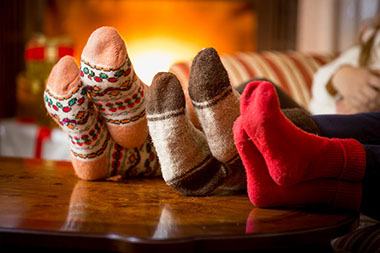
    Image of feet with socks on.

    Chilly weather can be hard on feet. The American College of Foot and Ankle Surgeons offers 5 tips to healthy feet.

    1.If the shoe fits, wear it-Narrow shoes, overly-high heels or shoes that aren’t worn very often, such as dress shoes, can irritate feet and lead to blisters, calluses, swelling, and even severe ankle injuries. Choose a shoe that has a low heel and fits your foot in length, width, and depth while you are standing.

    2.Don’t overindulge– Did you know your feet can feel the effects if you eat too much of certain foods and beverages high in purines. Shellfish, red meat, red wine, and beer can trigger extremely painful gout attacks, a condition when uric acid builds up and crystallizes in and around your joints. Uric acid is sensitive to temperature changes (so gout can start in the big toe, which is the coldest part of the body).

    3.Be pedicure-safety conscious-Nail salons can be a breeding ground for bacteria. To reduce your risk of infection, choose a salon that follows proper sanitation practices and is licensed by the state. Consider also purchasing your own pedicure instruments to bring to your appointment.

    4.Watch for ice and snow-Use caution when traveling outdoors. Watch for ice or snow patches along your trail. The ankle joint can be more prone to serious injury from falling on ice. If you fall, use R.I.C.E. therapy (Rest, Ice, Compression, and Elevation) to help reduce the pain and control swelling around the injury until you see a doctor.

    5.“Listen” to your feet-Inspect your feet regularly for any sign of ingrown toenails, bruising, swelling, blisters, dry skin, or calluses, especially if you have diabetes.

    © American Institute for Preventive Medicine

  • Don’t Be Rash

    SELF-CARE CORNER

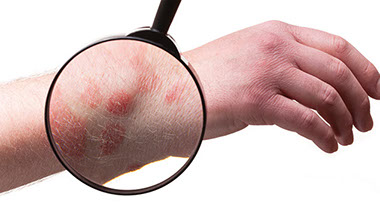
    Image of rash on a person's arm.

    It’s itchy and red. Maybe painful. A rash is your immune system’s way of saying, “I’m protecting you.”

    When skin cells detect something suspicious (such as poison ivy or chickenpox), they begin a chain reaction that leads to inflammation or swelling. Doctors call it dermatitis. But you might think of it as a rash.

    Rashes can be caused by bacteria, viruses, drugs, allergies, genetic disorders, and even light. So it’s important to find out what is causing the rash. Most rashes clear up and go away quickly. Others may need care over a long time.

    Call your doctor if any of these are true, advises the NIH News in Health:

    *  Your rash is so uncomfortable or painful it interferes with daily activities or sleep.

    *  The rash is on your face.

    *  Your rash looks worrisome or seems infected.

    *  You break out in a rash after taking a new medication.

    *  Your rash lasts for several days.

    © American Institute for Preventive Medicine

  • Don’t Be A Slouch, Posture Matters

    WELL-BEING

    Image of business women sitting at desk with correct posture.

    Just like the average coach airplane seat is uncomfortable for most people, office chairs and desks may not fit you either. Arrange your laptop, computer, and tablet so they fit you, urges Dr. Erik Peper, professor at San Francisco State University’s Institute for Holistic Health Studies. Don’t let an incorrectly adjusted chair or table height force you to work in an awkward body position.

    For working at a computer:Sit in a chair with your feet on the floor. Keep your elbows bent at 90 degrees with your hands, wrists, and forearms straight, in line, and roughly parallel to the floor so that your hands can be on the keyboard while the top of the monitor is level with your eyebrow.

    For working with a laptop:You will always compromise body position. If the screen is at eye level, you have to bring your arms and hands up to the keyboard, or, more commonly, you will look down at the screen while at the same time raising your hands to reach the keyboard. The solution is to use an external keyboard so that the keyboard can be at your waist position and the laptop screen eye level.

    For working with tablets and smartphones.You have little choice. You either look down or reach up to touch the screen. As much as possible tilt and raise the tablet so that you do not have to slouch to see the screen.

    © American Institute for Preventive Medicine

  • Does Your Family Calendar Need A “Time Out”?

    FAMILY LIFE

    Image of smiling family.

    Today’s families are busier than ever. Sports, music, and other extracurricular activities may take up most – if not all – of your child’s free time outside of school. Is this helping or hurting our kids?

    The American Academy of Pediatrics says free play time is an important aspect of a child’s development. All children need some time to be creative, interactive, and to problem-solve. This can be quiet time alone with toys, pretend play with friends, or even just daydreaming. The time should not be spent with electronics such as watching TV or playing video games.

    Also consider sleep. If your schedule is so packed that you or your children are exhausted all the time, it’s time to take another look. Children need adequate sleep for mental and physical development. Adults need enough sleep for optimal health and stress relief.

    If your household is running ragged with commitments, consider some “time out” for your whole family. It may be one of the best things you do for your child’s well-being – and your own sanity.

    © American Institute for Preventive Medicine