Blog

  • Does Stress Lead To Cancer?

    SUCCESS OVER STRESS

    Image of older female.

    Whether due to work, family or finances, most of us have felt stressed at some point in our lives. And to make matters worse, some studies have shown that stress can lead to depression, anxiety, or a weakened immune system. But can it cause cancer?

    The National Cancer Institute says no. There is no evidence that stress alone can lead to cancer. But, habits such as smoking, drinking, and eating unhealthy foods may be linked to cancer. These are often done in response to high stress events.

    Bottom line:cope with stress in healthy ways, such as exercising, deep breathing, meditation, and getting help from your doctor, if needed. Lowering your overall stress levels will help you feel your best emotionally and physically. And, don’t worry about whether the occasional stressful event may cause cancer. The experts say it won’t.

    © American Institute for Preventive Medicine

  • Does Stress Causeulcers?

    SELF-CARE CORNER

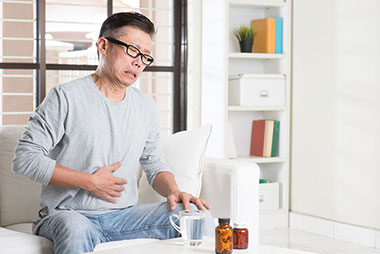
    Image of man holding his stomach in pain.

    A peptic ulcer, commonly called an “ulcer,” is a sore in the stomach caused by acid. Although many people believe that stress causes peptic ulcers, research has shown this is not the case. But there’s a catch: if you already have an ulcer, high stress levels can make it worse.

    The American College of Gastroenterology states that peptic ulcers are actually caused by two things: bacteria and some medicines.

    Helicobacter pylori infection:This bacteria, also called H. pylori, is the most common cause of peptic ulcers. Scientists aren’t sure why some people get infected with this bacteria, but genetics may be partly to blame. If you have symptoms of a peptic ulcer, your doctor may test you for this bacteria. If your test is positive, the infection can be treated with antibiotics and medicines that reduce stomach acid. Once the infection has been treated, your ulcer should go away. If you are prescribed antibiotics, be sure to take the entire course as instructed by your doctor.

    Medicines:Long-term use of NSAIDs (non-steroidal anti-inflammatory drugs) can cause peptic ulcers in some people. NSAIDs include pain relievers like aspirin, ibuprofen, and naproxen. Taking these occasionally will not cause an ulcer, but if you take them for a long time or at high doses, you increase your risk.

    Know the symptoms

    Peptic ulcers often cause burning pain in the stomach or abdominal area. The pain may be worse when you lie down at night or when your stomach is empty. If you have symptoms of an ulcer, your doctor may refer you to a specialist to get further tests done. Proper diagnosis and treatment can usually cure an ulcer.

    If you are taking NSAID medicines and are diagnosed with an ulcer, your doctor may talk with you about finding another treatment.

    If you have an ulcer, you do not have to follow a bland diet. Spicy or rich foods do not make an ulcer worse. Following a healthy diet, however, can improve your health and will help your ulcer heal as quickly as possible after treatment. Visitchoosemyplate.govfor the current Dietary Guidelines for Americans.

    © American Institute for Preventive Medicine

  • Do You Want To Create A Stressed-Out Child?

    SUCCESS OVER STRESS

    Image of stressed out boy sitting in front a a lapout with hands on head.

    You’ve seen “helicopter” parents. They hover on the sidelines at the soccer game, yelling, chewing their player out, and rarely praising. You’ve seen the result of their overbearing pressure in the classroom as they push push push their children to achieve too much too fast. Maybe you’re guilty of a little too much hovering yourself.

    “Pushing your children into situations they are not developmentally prepared for is far more likely to create a sense of insecurity than a sense of competence,” said Dr. Tim Riley, a psychologist and author of the award-winning book First the Broccoli, Then the Ice Cream: A Parent’s Guide to Deliberate Discipline.

    Unrealistic expectations can lead to overwhelmed and underperforming kids. Parents can create stressed-out kids with the following actions, according to Dr. Riley, who then offers some perspective on toning back expectations.

    Action that CAN Create Stressed-Out Kids

    *  Giving them regular access to adult information or including them in adult conversations they aren’t developmentally prepared to handle.

    *  Putting pressure on kids to acquire skills before they really need them.

    *  Giving cell phones and allowing texting for elementary schoolers.

    *  Sharing your grown-up worries and concerns (financial, for example) with your kids.

    *  Filling their schedules with adult-organized activities outside the home.

    *  Jumping in a lot (as opposed to jumping ahead and seeing the bigger picture) to solve their problems for them.

    *  Disciplining inconsistently.

    Ways to Tone Back Expectations

    *  Let kids read their age-level adventure stories and tell you about them. Too much adult TV or too much involvement in adult affairs blurs the line between being an adult and letting kids just be kids.

    *  Allow little ones their unstructured creative playtime where they can be Little Einsteins in their own world. Pushing your baby to “read” makes him or her no better prepared academically in the long term.

    *  Preposterous-or should we start training infants to drive or do taxes? They will learn computers and electronics in their own time.

    *  No need to include them in adult problems they can’t do anything about.

    *  Make sure home provides a safe harbor from an overload of lessons, practices, and clubs and is more than just a place to eat and change clothes on the way to the next activity.

    *  Sometimes the natural consequences of an action, such as not doing homework, are the best teacher. Give kids an appropriate amount of responsibility and stay out of their way.

    *  You’re the parent. Your kids look to you for security. But if you ground a child for not picking up his toys one day and overlook it the next, what message are you sending? Your child will not feel secure. Be consistent and realistic in your expectations and in your discipline.
    © American Institute for Preventive Medicine

  • Do You Need Property Insurance?

    FINANCIAL HEALTH

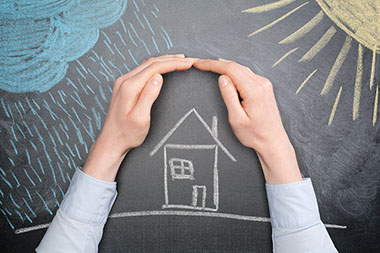
    Image of chalkboard drawing of house with hands protecting it from weather elements.

    Homeowner’s and renter’s insurance are types of property insurance. Although property insurance offers important coverage, many people don’t have it or don’t understand why it’s needed.

    Each policy is always somewhat different. But, both homeowner’s and renter’s insurance may cover:

    *  Damage to your house, garage or other buildings on your property

    *  Loss of furniture or other property due to theft

    *  Additional living costs if you have to move out during repairs

    *  Liability for accidents and injuries that happen on your property (for people other than you or your family)

    *  Coverage for special valuables, such as jewelry, collector’s items and other items that would be costly to replace

    Renters should not assume that the landlord carries insurance for them. Often, this is not the case. Most people who get a mortgage for a home will be required to purchase homeowner’s insurance.

    Property insurance policies can vary widely in cost and coverage. It pays to spend some time shopping around to different companies. Find the coverage you need at a price that works for you.

    Find out more about how much coverage you might need. Visit the National Association of Insurance Commissioners website atwww.naic.org.

    © American Institute for Preventive Medicine

  • Do You Know The Early Warning Signs Of Parkinson’s Disease?

    MEDICAL NEWS

    Close up image of two elderly hands holding.

    A recent nationwide survey conducted by the National Parkinson Foundation revealed that most Americans would wait to see their doctors if they were experiencing tremors (shaking), even though tremors are an early sign of the disease.

    Parkinson’s affects nerves and muscles and can affect movement and coordination, especially with walking. The disease is a result of changes in the brain that researchers now know can be associated with both genetics and environmental toxins.

    Parkinson’s develops slowly, with only subtle symptoms early on, including these:

    *  Tremors and shaking

    *  Trouble moving or walking

    *  Loss of facial expression

    *  Dizziness and fainting

    *  Stooping or hunched over

    *  Trouble sleeping

    *  Soft or low voice

    *  Small handwriting

    *  Loss of smell

    *  Constipation

    For more information about Parkinson’s disease and the National Parkinson Foundation, visitwww.parkinson.org.

    © American Institute for Preventive Medicine

  • Do You Have Celiac Disease?

    SELF-CARE CORNER

    Image of wheat on top of white flour.

    If you can’t eat bread or anything containing wheat, rye, and barley because of gluten-a protein found in these grains-you may have celiac disease. Different people have different symptoms, but talk with your doctor if you or your child has one or more of these problems after eating bread or cookies, for example:

    *  Gas

    *  Bloating, belly pain

    *  Ongoing diarrhea

    *  Pale, foul-smelling or fatty stool

    *  Weight loss or weight gain

    *  Fatigue

    *  Bone or joint pain

    *  Bone loss or weakening

    *  Anemia (lower red blood cell count)

    *  Behavior changes (children become irritable)

    *  Tingling, numbness in the legs

    *  Muscle cramps

    *  Seizures

    *  Itchy skin rash

    © American Institute for Preventive Medicine

  • Don’t Let Shin Splints Stop You

    BE FIT

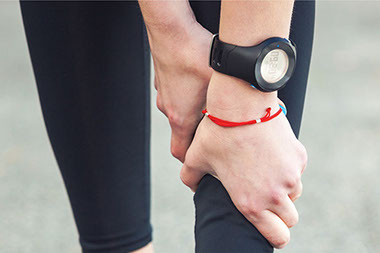
    Close up images of hands holding shins in pain.

    If you’ve ever felt aching or shooting pain up the front of your lower legs after running, it could be shin splints. Though it’s usually not serious, it can be painful enough to stop even the most dedicated exerciser.

    If you get shin splints, try these tips:

    *Switch to lower impact exercise.Until the pain goes away, try swimming, biking, or using an elliptical machine, so you put less pressure on your legs.

    *Wear proper shoes.If you’ve had the same running shoes for years, it may be time for a new pair. Support wears down over time, causing pain in the feet and legs. Make sure you have enough support under the arch and heel areas.

    *Ice the area.Apply ice packs for up to 20 minutes at a time, a few times a day, to help with pain.

    If the pain doesn’t go away, see your doctor. Sometimes shin splints may be a sign of a small bone break or inflammation of tendons in the legs.

    Source: American Academy of Orthopedic Surgeons

    © American Institute for Preventive Medicine

  • Do “Meal Replacement” Diets Work?

    HEALTHY EATING

    Image of a nutrition bar.

    It seems simple enough: to cut calories, sip a shake or eat a bar instead of a meal. There’s no risk of accidentally eating too much, and you don’t have to spend time preparing a meal or measuring portions.

    Also known as meal replacement diets, these programs have their pros and cons. A study published in The Journal of the Academy of Nutrition and Dietetics showed they can help people effectively lose weight. But, no single diet works for everyone. Before you try meal replacement, here’s what you should know:

    *  Talk with your doctor before you start any diet plan.

    *  Eat plenty of whole foods daily. Fruits, vegetables, whole grains, lean protein, low-fat dairy and healthy fats are recommended by the USDA. Bars and shakes cannot fully replace the nutrients you get from whole foods.

    *  Get the right amount of calories. There’s a healthy range of calories based on your age, weight and activity level. Learn yours by going to the USDA’s SuperTracker Tool atsupertracker.usda.gov.

    *  Drink plenty of water between meals to stay hydrated. This can improve your energy levels and may help you fight off hunger.

    If you follow the guidelines, you may find success with a meal replacement plan. Be sure to follow the plan as recommended and still eat nutritious foods at other meals. If you find you’re too hungry or it’s not working for you, talk with your doctor or a dietitian about another option.

    © American Institute for Preventive Medicine

  • Do-It-Yourself Spring Cleaning Guide

    WELL-BEING

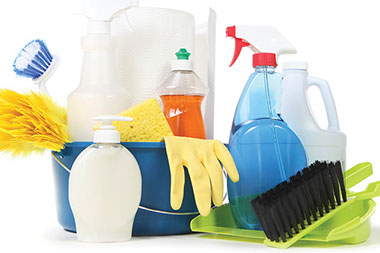
    Image of various cleaning products.

    Germs grow and invade your privacy. Bathrooms are one of their popular spots. They gather in the bathtub, shower, toilet-just about everywhere.

    “People these days just don’t take time out from their busy schedule to clean,” said Donna Duberg, lab science and germ expert at Saint Louis University. Duberg offers some simple ways to do your spring cleaning and make your bathroom germ-free.

    Simplify cleaning:Engage in basic cleaning such as disinfecting and removing visible dirt regularly, to make spring cleaning less cumbersome. As spring sets in, brace yourself to clear the scum and lime scale-mostly found on your shower curtains-and mold stuck in and around your bathtub. They hold on to bacteria and can cause fungi to grow.

    Don’t overkill:If you use too many cleaners and don’t dilute them, you risk the chance of inhaling the fumes of the cleaners, which can affect your lungs. Keep the windows open while cleaning or plug in fans to avoid breathing in the chemicals. Read the label carefully to understand how to use a product.

    Instead of harsh chemicals, use the magic ingredient:Vinegar, when mixed with water can do wonders for the surfaces. Spray a mixture of one part white distilled vinegar mixed with 9 parts water to see a nice shine on your bathtub or floor. Undiluted white distilled vinegar mixed with baking soda can be used to remove scum. The fewer the cleaning products, the better. Vinegar is inexpensive, is not harmful to kids and pets, and always leaves a shine.

    © American Institute for Preventive Medicine