Blog

  • Create Family Ties

    FAMILY LIFE

    Image of three generational family.

    Families who spend time together as a cohesive unit are more likely to survive a crisis, such as an illness or job loss than those with poor coping skills.

    According to the CDC, good communication between parents and children is important for developing positive relationships.

    *  Teach active listening skills. Pay attention to what others say. Ask questions if you don’t understand what your spouse or children are trying to tell you.

    *  Hold regular family meetings to present complaints and set mutual goals and plans.

    *  Celebrate birthdays, holidays and other special occasions together.

    *  Learn the value of compromise.

    *  Be flexible. This is especially important if one parent returns to work or if one wage earner loses his or her job.

    *  Allow for individual strengths and interests. Don’t compare brothers and sisters. Allow family members to have “their own space.”

    © American Institute for Preventive Medicine

  • Coping With The Loss Of A Spouse

    FAMILY LIFE

    Image of sad, older female sitting on couch.

    Losing a husband or wife is devastating. A whirlwind of intense emotions-overwhelming sadness as well as shock, fear, guilt, anger, and numbness-make the days and weeks after a spouse’s death agonizing and confusing.

    It may be small comfort to know that these feelings are normal and will be temporary.

    “Sadness may never go away entirely,” said clinical psychologist Dr. Hayley Hirschmann of Morris Psychological Group, “but the pain of acute grief becomes less intense over time as the good days start to outnumber the bad.”

    Dr. Hirschmann offers this advice:

    *Accentuate the positive:Studies have shown that those who are able to draw on humor and pleasurable memories are happier and healthier than those whose thoughts of the deceased are mostly sad and focused on their loss.

    *Let others help:Don’t shy away from expressing your feelings to those close to you; you will feel less alone if you can share your grief with a sympathetic listener. Accept help with chores and legal and financial responsibilities. Consider joining a bereavement support group.

    *Take care of yourself:Eat well, exercise regularly, get enough sleep. Be alert to falling into bad habits.

    *Don’t make big changes right away:Wait a while before moving or changing jobs.

    © American Institute for Preventive Medicine

  • Common Gym Fears & Solutions

    BE FIT

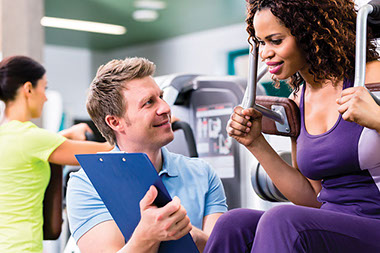
    Image of person at gym with a trainer.

    If going to the gym makes you nervous, you’re not alone. Many people feel uncomfortable going to a new place with new people. But, if you find ways to deal with these fears, you could end up with a healthy habit that makes you feel great!

    Fear #1: I don’t know how to use the equipment.

    Solution: Ask for help from others. This can be a gym employee, personal trainer or a trusted friend. When choosing a gym, choose one that is well-staffed and has helpful employees who make you feel comfortable. Another option is to join a gym your friend already belongs to, and set up a time to go with them. Some gyms have personal trainers who work with members and show them how to use the machines and other equipment.

    Fear #2: I don’t know what to do at the gym.

    Solution: Have a plan before you go. Many fitness websites have printable exercise plans, or you can make your own by writing down a few activities yourself. Start with simple things you already know how to do, such as walking or running. Another option is to take a class you’ll enjoy and follow with a few minutes of stretching.

    Fear #3: I don’t want people looking at me while I exercise.

    Solution: Many people feel self-conscious at first. But, most people are there to exercise – not look at others. And they may be just as nervous about others watching them as you are. Wear comfortable clothing. Don’t worry about the latest styles, but choose something that makes you feel good and allows you to move freely.

    If you’re not comfortable going to a gym, don’t let that stop you from exercising. Choose workout videos that can be done at home. Many libraries have a variety of videos so you can try before you buy. If those don’t appeal to you, lace up your shoes and walk around your neighborhood.

    © American Institute for Preventive Medicine

  • Commit To Be Fit

    BE FIT

    Image of middle-aged women with dumb bells.

    How are those resolutions going about now? You can make a renewed commitment to yourself and your health anytime. Here’s advice from Life Time Fitness to move forward:

    *Create a vision statement.Make your resolution a commitment and create a vision statement that projects clear personal investment and connects directly to your happiness and health. Once you’ve created your personal vision, you can identify what goals will get you there.

    *Don’t assume you know how to exercise.Many people who exercise think they know what to do when they walk into a gym, but it is common to use poor form, train at an inappropriate intensity, or choose the wrong exercises for your needs. A well-planned program using proper exercise technique will prove much more successful. Sit down with a well-qualified and certified personal trainer to talk about your exercise program to start on the right track.

    *Test your readiness.Ask yourself how ready you are to make an actual change. If your vision is health-based and you’ve made the goal of working out every morning of the week, ask yourself (on a scale of 1 to 10 with 10 being absolutely positive) how likely you’ll be able to commit and achieve that task and identify barriers that might get in the way. If your readiness is 7 or above, you’re ready to embark on your vision. If it’s below 7, change or revise your goal until you’re confident enough to know you’ll succeed. Small steps to succeed are better than big steps to fail.

    *Junk the junk.Don’t think you can stick to your diet while keeping junk food in the house. Make a commitment to get rid of all the foods that don’t promote health. Instead, fill your kitchen with good choices.

    *Put it on the fridge.Laminate it, frame it or post it on your mirror. The goal is to have your resolution statement somewhere where you will see it often as a reminder of what you are working toward. If you’re a social person, share it.

    © American Institute for Preventive Medicine

  • Colorectal Cancer – Screening Saves Lives

    MEDICAL NEWS

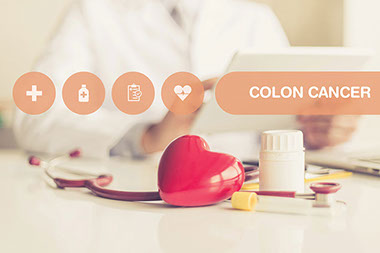
    Image of doctors desk with the words 'Colon Cancer'.

    Colorectal cancer, also called colon cancer, is the fourth most common cancer in the United States. It is the second leading cause of death from cancer. Colorectal cancer affects all racial and ethnic groups and is most often found in people ages 50 and older.

    The best way to detect colorectal cancer is to get screened regularly starting at age 50. When caught early, colon cancer can be treated and cured. There are often no signs or symptoms of early colorectal cancer – that’s why it’s so important to get screened. You may also be at higher risk if you are African American, smoke, or have a family history of colorectal cancer.

    Everyone can take these healthy steps to help prevent colorectal cancer:

    *  Get screened starting at age 50.

    *  Quit smoking and avoid secondhand smoke.

    *  Get plenty of physical activity and eat healthy.

    A new alternative to colonoscopy?

    Many people delay or avoid a life-saving colonoscopy because they are nervous about the procedure, or don’t want to do the necessary prep of cleansing the colon. A new test, approved in 2014, may be an option for some lower-risk individuals.

    A stool DNA test, which can be done at home and mailed to a lab, may detect certain changes that are found in cancer cells. There’s no special diet, laxatives or enemas required. For those who have been putting off colon cancer screening, the DNA test may be a good place to start.

    If the DNA test shows possible cancer, however, a colonoscopy would most likely need to be done. Before choosing a colorectal cancer test, be sure to talk with your doctor about his or her recommendation. You may also need to contact your insurance company to find out which screening tests are covered.

    Colorectal cancer screening saves lives. If everyone age 50 and older had their screening tests done as recommended, up to 60 percent of all colorectal cancer deaths could be avoided. Though no one looks forward to a colonoscopy, it’s worth the inconvenience. It could save your life!

    Source: American Cancer Society, Centers for Disease Control and Prevention

    © American Institute for Preventive Medicine

  • Cold Temps & Exercise: A Great Pair

    BE FIT

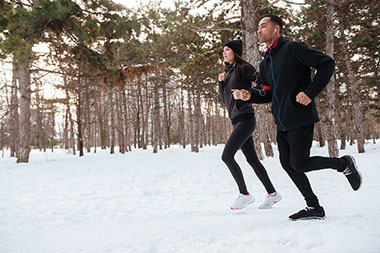
    Image of couple jogging in the winter.

    Has cold weather got you hiding under the blankets? Don’t let it turn you into a couch potato. Your body needs exercise year-round to be healthy. And, exercising in the cold can be enjoyable if you know how to prepare for it.

    Why cold weather workouts are cool

    Cold air can be refreshing! Stepping out into a chilly day may help you stay moving. There’s no sweltering heat or sticky humidity to slow you down. If fact, the lack of heat may help you work out a little longer and harder. You could burn even more calories and give your energy levels a boost.

    Getting out in the daylight can improve your mood. This can help you get through the long winter with good mental health. Your immune system will thank you, too. Just a few minutes a day of exercise may help you stave off colds and flu.

    How to work out when it’s cold

    Not sure what you should or shouldn’t do in the winter? Try these activities:

    *  Brisk walking or hiking

    *  Ice skating

    *  Sledding

    *  Cross-country skiing

    *  Snowshoeing

    Safety first

    Staying warm and dry is key during winter workouts. Hypothermia and frostbite are dangerous and are more likely to happen if you’re not properly dressed for the weather. These steps can help you avoid getting dangerously cold:

    *  Use a moisture-wicking fabric as the first layer against your skin. Never use cotton, as it traps moisture and will make you feel colder.

    *  The next layer should be a warm material, like fleece.

    *  The outside layer of clothing should be windproof to keep out moisture and chilly gusts.

    Don’t forget to drink plenty of water! Even if you don’t feel hot, your body needs hydration during exercise.

    Indoor workouts work, too

    If it’s simply too cold, icy or otherwise unsafe to exercise outdoors, you can still get off the couch and get healthier. Indoor workouts include:

    *  Going up and down stairs

    *  Dancing

    *  Vacuuming, mopping or other active housework

    *  Roller skating

    *  Yoga

    *  Workout classes at a local gym or community center

    People who have had a heart attack or stroke, or are at risk of either one, should ask their doctor about safe ways to exercise.

    Signs of hypothermia

    Hypothermia means the body temperature has dropped too low. Seek immediate care and/or go to an emergency room if hypothermia is suspected. Signs to look for include:

    *  Sudden clumsiness, lack of coordination

    *  Confusion

    *  Shivering

    *  Sleepiness

    *  Slurred speech

    *  Very cold feet or hands

    Source: American Heart Association

    © American Institute for Preventive Medicine

  • Cold Medicines For Kids: What’s Safe?

    SELF-CARE CORNER

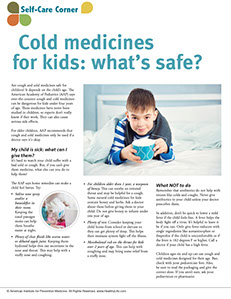
    Image of child in bed holding a tea cup.

    Are cough and cold medicines safe for children? It depends on the child’s age. The American Academy of Pediatrics (AAP) says over-the-counter cough and cold medicines can be dangerous for kids under four years of age. These medicines have never been studied in children, so experts don’t really know if they work. They can also cause serious side effects.

    For older children, AAP recommends that cough and cold medicines only be used if a doctor says it’s okay.

    My child is sick: what can I give them?

    It’s hard to watch your child suffer with a bad cold or cough. But, if you can’t give them medicine, what else can you do to help them?

    The AAP says home remedies can make a child feel better. Try:

    *  Saline nose spray and/or a humidifier in their room. Keeping the nasal passages moist can help them breathe easier at night.

    *  Plenty of clear fluids like warm water or diluted apple juice. Keeping them hydrated helps thin out secretions in the nose and throat. This may help with a stuffy nose and coughing.

    *  For children older than 1 year, a teaspoon of honey. This can soothe an irritated throat and may be helpful for a cough. Some natural cold medicines for kids contain honey and herbs. Ask a doctor about these before giving them to your child. Do not give honey to infants under one year of age.

    *  Plenty of rest. Consider keeping your child home from school or daycare so they can get plenty of sleep. This helps their immune system fight off the illness.

    *  Mentholated rub on the throat for kids over 2 years of age. This can help with coughing and may bring some relief from a stuffy nose.

    What NOT to do

    Remember that antibiotics do not help with viruses like colds and coughs. Never give antibiotics to your child unless your doctor prescribes them.

    In addition, don’t be quick to lower a mild fever if the child feels fine. A fever helps the body fight off a virus. It’s helpful to leave it be if you can. Only give fever-reducers with single ingredients like acetaminophen or ibuprofen if the child is uncomfortable or if the fever is 102 degrees F or higher. Call a doctor if your child has a high fever.

    Children ages six and up can use cough and cold medicines designed for their age. But, check with your pediatrician first. Also, be sure to read the packaging and give the correct dose. If you aren’t sure, ask your pediatrician or pharmacist.

    © American Institute for Preventive Medicine

  • Cold Hearts (Why Shoveling Snow Is Extra Dangerous)

    WELL-BEING

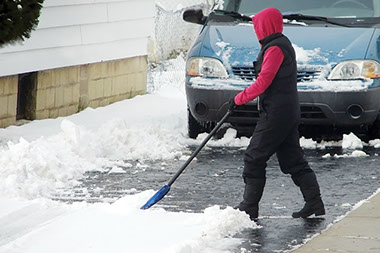
    Image of person shoveling snow from the driveway.

    While you may be used to battling frigid temperatures and the inevitable snowstorms that arrive every winter, are you aware of the dangers these pose to your heart?

    “When the temperature outside drops, our blood vessels narrow to prevent our bodies from losing heat. This is a natural response that can also put people with heart conditions and those involved in strenuous exercise at greater risk of having a heart attack,” says Dr. Holly Andersen of the Perelman Heart Institute at NewYork-Presbyterian Hospital/Weill Cornell Medical Center.

    Shoveling snow is one of the most strenuous and dangerous winter exercise activities. It can raise blood pressure, and coupled with the effects of colder temperatures, shoveling can increase heart attack risk drastically. Take these precautions:

    *Warm up.Warm up with stretching and light activity before shoveling, exercising or beginning more strenuous physical activities.

    *Bundle up.When going out to shovel, always wear a scarf over your mouth and nose to warm the air before you breathe in, and dress in layers. Layering clothes underneath a windproof and waterproof outer shell helps maintain body heat.

    *Push the shovel.It is less strenuous to push the snow rather than lifting it, and this reduces the risk of overexerting yourself.

    *Take breaks.You should take frequent breaks while shoveling to give your muscles, especially your heart muscle, a chance to relax. You may also consider sharing the work with a friend to make the workload lighter and ensure that you are not alone in the event of an emergency.

    *Consult a doctor.If you are over the age of 50, overweight, out of shape or have suffered a heart attack, you should consult a doctor before shoveling snow or starting any exercise routine.

    © American Institute for Preventive Medicine