Blog

  • Cold, Flu, Or Allergy?

    SELF-CARE CORNER

    Image of young women dressed warmly coughing into a tissue.

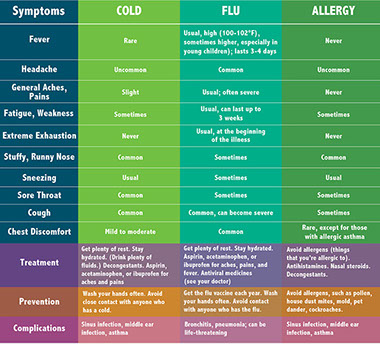
    You’re feeling pretty lousy. You’ve got sniffles, sneezing, and a sore throat. Is it a cold, flu, or allergies? It can be hard to tell them apart because they share so many symptoms. But understanding the differences will help you choose the best treatment, advises the NIH News in Health.

    Chart showing symptoms of a cold vs the flu vs an allergy.

    © American Institute for Preventive Medicine

  • Clean Contacts Matter

    SELF-CARE CORNER

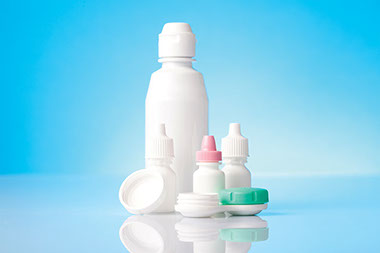
    Image of contact solution, case and eye drops.

    If you wear contact lenses, it’s important to keep them clean and care for them properly. Not taking care of your contact lens could cause an eye infection known as keratitis, which can cause serious eye problems. The CDC says 988,000 people had keratitis in 2010. The biggest risk factor was improper care of contact lenses.

    You can greatly reduce your risk of this infection by doing the following things each day:

    *  Wash your hands with soap and water before inserting or removing your lenses.

    *  Use only sterile contact lens solution and disinfectant. Don’t use water, saliva, or other liquids to store or rinse your lenses.

    *  Gently rub your lenses with disinfectant daily.

    *  Remove your lenses before showering, swimming and sleeping.

    *  Use fresh solution every day. Dump out all the old solution.

    *  Don’t wear lenses longer than directed. For instance, some disposable contacts are designed to be worn for one day. Some can be worn for several weeks or longer. Ask your eye care professional if you’re not sure.

    *  Don’t use expired solution or contacts.

    *  Replace your contact lens case every three to six months.

    Source: The American Academy of Ophthalmology

    © American Institute for Preventive Medicine

  • Classic Macaroni And Cheese

    HEALTHY EATING

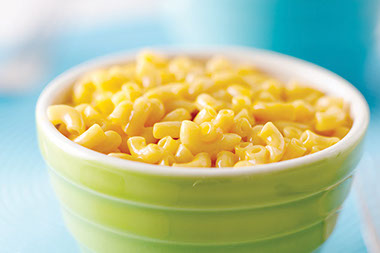
    Image of a bowl of macaroni and cheese.

    Ingredients

    2 cups macaroni*

    ½ cup onion, chopped

    ½ cup fat-free evaporated milk

    1 medium egg, lightly beaten

    ¼ tsp ground black pepper

    1¼ cups (4 oz) low-fat sharp cheddar cheese, finely shredded

    Cooking spray

    Directions

    1. Preheat oven to 350° F.

    2. Cook macaroni according to package directions-but do not add salt to the cooking water. Drain and set aside.

    3. Spray casserole dish with nonstick cooking spray.

    4. Lightly spray saucepan with nonstick cooking spray. Add onion to saucepan and sauté for about 3 minutes over medium heat.

    5. In a bowl, combine macaroni, onion, and the remaining ingredients, and mix thoroughly.

    6. Transfer mixture into casserole dish.

    7. Bake for 25 minutes or until bubbly. Let stand for 10 minutes before serving.

    Makes 8 servings. Per serving: 200 calories, 4 g total fat, 11 g protein, 29 g carbs, 1 g fiber, 120 mg sodium

    *To increase fiber content, use whole wheat pasta.

    Source: The National Heart, Lung, and Blood Institute’s Heart Healthy Recipes

    © American Institute for Preventive Medicine

  • Cinnamon Supplement May Help Ease Common Cause Of Infertility

    HEALTHY EATING

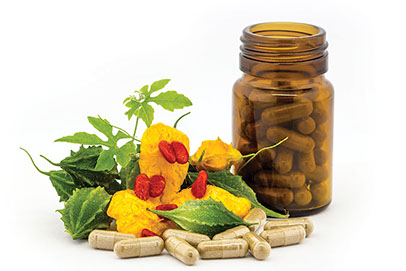
    Image of cinnamon supplement.

    A small study found that women with polycystic ovary syndrome who took low-cost daily 1,500-milligram cinnamon supplements had about twice the menstrual cycles over a six-month period compared to women with PCOS who were given a placebo. Having regular menstrual cycles increases the likelihood of pregnancy. Researchers from Columbia University Medical Center in New York City did the study.

    Polycystic ovary syndrome “is one of the most common causes why women don’t have regular menstrual cycles,” said study author Dr. Daniel Kort. “But the clinical consequences later in life are truly great-from an increased risk of diabetes and glucose intolerance to endometrial cancer. Many women can go their whole lives without regular menstrual cycles, and it doesn’t necessarily bother them until they want to have children.”

    “There is a lot of interest in homeopathic or natural remedies for this condition,” said Kort, a postdoctoral fellow in reproductive endocrinology at the medical center. “This may be something we can do using a totally natural substance that can help a large group of patients.”

    © American Institute for Preventive Medicine

  • Cinnamon-Sprinkled French Toast

    HEALTHY EATING

    Image of cinnamon-sprinkled french toast.

    Try this toast with a tall glass of fat-free milk. Did you know that cinnamon is a sweet spice that comes from a tropical evergreen tree? You may add up to 1 teaspoon in this recipe if you like this unique spice.

    Ingredients:

    2 large eggs

    2 Tbsp nonfat milk

    1/2 tsp ground cinnamon, or to taste

    2 slices whole wheat bread

    1 tsp butter or margarine

    4 tsp light pancake syrup

    Add fresh strawberries and blueberries (optional)

    Directions

    Kids: Crack 2 eggs into flat-bottomed bowl. Thoroughly whisk in milk and cinnamon. Dip bread slices, one at a time, into egg mixture in bowl, wetting both sides. Re-dip, if necessary, until all the egg mixture is absorbed into the bread.

    Adults: Meanwhile, heat large, non-stick skillet over medium heat. Add butter. Place dipped bread slices in skillet. Cook for 2-1/2 to 3 minutes per side, or until both sides are golden brown.

    Kids: Drizzle each with syrup. Serve while warm.

    Makes 2 servings (1 slice). 190 calories, 19 g carbohydrates, 10 g protein, 8 g total fat, 3 g saturated fat, 215 mg cholesterol, 2 g dietary fiber, 250 mg sodium.

    © American Institute for Preventive Medicine

  • Cinnamon Oatmeal Pancakes

    HEALTHY EATING

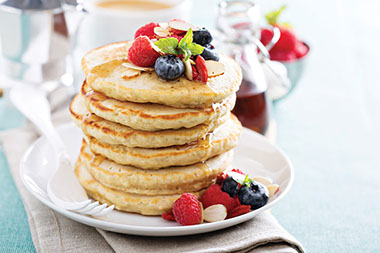
    Image of a cinnamon oatmeal pancakes.

    These pancakes taste good and are good for you.

    Ingredients

    1-1/2 cups flour

    1 teaspoon baking powder

    1/2 teaspoon salt

    1 Tablespoon cinnamon

    1 egg

    1-1/2 cups cooked oats

    1-1/2 cups evaporated milk

    1/4 cup water

    Nonstick cooking spray

    Directions

    1. Mix flour, baking powder, salt and cinnamon in a large bowl.

    2. In a separate bowl, combine egg, oats, milk and water, and stir well.

    3. Stir the oatmeal mixture into the flour mixture and stir until combined.

    4. Heat a large skillet coated with nonstick cooking spray over medium heat.

    5. Pour large spoonfuls of batter into the skillet. Cook until bubbles show on the tops of the pancakes, about 2 to 3 minutes. Flip over and cook an additional 2 minutes, or until golden brown and cooked through.

    6. Serve warm by themselves or top with canned or fresh fruit.

    Serves 10. Per serving: Calories: 120; Total fat: 2 g; Saturated fat: 1 g; Cholesterol: 25 mg; Sodium: 190 mg; Total carbohydrate: 20 g; Dietary fiber: 1 g; Total sugars: >1 g; Protein: 4 g

    Source: What’s Cooking? USDA Mixing Bowl

    © American Institute for Preventive Medicine

  • Choosing Quality Child Care

    FAMILY LIFE

    Image of Asian baby.

    Today, more children than ever live in households where both parents work. As a result, child care is a necessity for many families. You can make an informed choice with a little homework and preparation.

    First, think about the type of care you’d like.

    In general, your choices will include daycare centers, family child care homes and in-home care like a nanny, babysitter or au pair. There is no right or wrong answer, and no one option works for everyone. Consider your and your child’s personalities, as well as the cost of each choice.

    See it for yourself.

    If you’re considering a child care center or family home, ask about coming in for a visit. Seeing the environment yourself can often give you a better feel for the caregivers and the atmosphere. Do the children get constant supervision? Do they receive positive discipline?

    Look at group size.

    Each state has required caregiver/child ratios. See if you’re comfortable with the size of the group and ask about their typical ratios. Infants need one caregiver per four children at a minimum. The ratios get higher as the children get older.

    If you’re looking for a nanny or au pair, prepare for interviews.

    You should talk with each candidate to get a feel for their personality, child care philosophy and their training and education. You may wish to write a list of questions in advance, and take notes during each interview so you can refer to them later.

    Check health and safety guidelines.

    Caregivers should be up-to-date on CPR certifications. Ask about smoke and carbon monoxide detectors and childproofing all areas for safety.

    Discuss illness prevention.

    Find out whether policies are in place to prevent the spread of illness. This may include requiring children to be fever-free for 24 hours before returning to care, as well as other policies on specific symptoms and illnesses. Caregivers should thoroughly wash their hands after each diaper change  or using the bathroom, and before  preparing any food.

    The ultimate goal for any child care is to find one that keeps your child safe, healthy and happy.

    Source: U.S. Department of Health and Human Services, Child Care Aware
    © American Institute for Preventive Medicine

  • Choosing Healthy Oats

    HEALTHY EATING

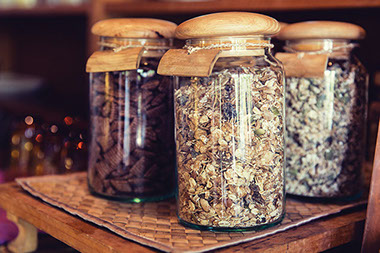
    Image of oats in jars.

    Even healthy foods can be made unhealthy through processing and adding unnecessary sugar and fat. How do you know which oats are best for your family?

    Steel-cut, rolled or instant?

    You can choose any type of oatmeal that is made with whole oats. They all contain very similar nutritional value. Instant oats are precooked and cut thinner to reduce cooking time. Steel-cut oats tend to be chewier than “old fashioned” or rolled oats, but both are equally nutritious. The best type of oat is the one you like and cook regularly.

    Look at ingredients and the nutrition label before you buy.

    Many commercially made oatmeals, especially ones that appeal to children, contain 12 grams of sugar or more. Some also contain artificial colors, sweeteners or flavors. Buy plain instant oatmeal packets and sweeten your child’s portion with a little honey, fruit or jelly.

    © American Institute for Preventive Medicine

  • Choosing Healthy Nut Butters

    HEALTHY EATING

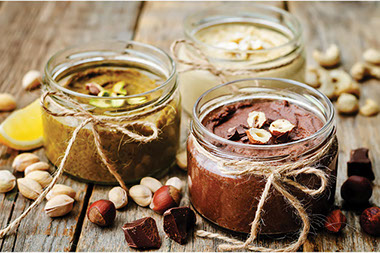
    Image of 3 different nut butter spreads.

    For many years, people thought they should avoid fats to be healthy. But the Academy of Nutrition and Dietetics says eating the right kinds of fat is good for you, and may even be good for your heart.

    Nut butters can be a healthy way to get some of these fats. But with so many different types, how do you choose? Each offers different benefits, so try  eating a variety.

    *Peanut butter:This popular nut butter contains plenty of monounsaturated fat, which has been shown to help lower bad cholesterol. This can reduce your risk of heart disease and stroke.

    *Almond butter:Almonds are an excellent source of vitamin E, which is an important nutrient for your heart and immune system, according to the National Institutes of Health. It also contains an even higher amount of monounsaturated fat than peanut butter.

    *Walnut butter:Although this can be harder to find, some health food stores carry walnut butter. It contains a high amount of polyphenols, which help reduce the risk of heart disease. It also contains omega-3 fats, which reduce inflammation in the body. This is especially good for people with diseases like Crohn’s disease, multiple sclerosis and rheumatoid arthritis.

    Although nut butters are healthy, they are high in calories. Be careful about portion sizes and avoid eating too much. Choose nut butters that have no added sugar or salt listed in the ingredients.

    Source: American Heart Association; USDA National Nutrient Database

    © American Institute for Preventive Medicine

  • Choosing A Family Pet

    FAMILY LIFE

    Image of Hispanic family with a pet dog.

    Pets aren’t just for kids. Owning a pet can improve your family’s health in many ways, according to the Centers for Disease and Prevention (CDC). Pets can lower blood pressure and cholesterol, and offer companionship to all members of your household. Before you choose one, think about these factors.

    All pets need daily care.They need attention, food, and a place to sleep. Dogs need to be walked and taken outside daily. Cats need a clean litter box. Veterinary visits and vaccines are important. Look into the pet you want, and make sure you’re ready to do everything it takes to keep the pet healthy. It’s a daily commitment that you’ll need to stick with for many years.

    Make sure everyone in the family is ready.Caring for a pet is best done with everyone’s help. Are your kids ready to help feed a dog and walk it? Are the parents ready for veterinary costs, cleaning up after the pet, and arranging for pet care during vacations?

    With certain reptiles, small animals and birds, proper hygiene is very important.Some pets, such as birds, reptiles and amphibians, can spread illness to humans. Visitwww.cdc.gov/healthypetsfor information about preventing illness.

    As long as you carefully consider all the care your pet will need, you can make an informed choice about your next furry friend.

    Source: American Humane Association

    A heart for dogs

    One study looked at 421 adults who’d had heart attacks. A year later, dog owners were much more likely to still be alive than were those who did not own dogs, regardless of the severity of the heart attack.

    Source: National Institutes of Health

    © American Institute for Preventive Medicine