
Blog

  • Care For The Caregiver

    FAMILY LIFE

    Image of caregiver.

    Stress, anxiety, and burnout are never far from the doorsteps of millions of Americans who are caregivers as they often juggle the responsibilities of providing daily care for a loved one with dementia or another condition with the added demands of working, maintaining a household, or raising children.

    Too often caregivers don’t know how to ask for help, and friends and family members aren’t sure of how to lend a hand.

    “Caregivers will say ‘no’ when offered help because they worry it will reflect poorly on them or because they ‘don’t want to bother’ others. And some caregivers get so attached to their role that they just can’t let go,” said Nancy Alterman, a licensed clinical social worker with the New Jersey Institute for Successful Aging at the UMDNJ-School of Osteopathic Medicine.

    If you know a family member or close friend who is a caregiver, Alterman offers the following suggestions to help ease that person’s burden.

    *  Be sensitive about visiting by calling ahead to schedule a time that is convenient. But if the caregiver routinely declines offers of a visit, you may need to just show up with special foods or an easy activity like a puzzle.

    *  Avoid bringing a crowd, but visiting with at least one other person gives the caregiver a chance to go out with a friend, knowing that another trusted person is there for the patient’s needs.

    *  Instead of asking, “What can I do?” offer to grocery shop, go to the post office, do laundry or cook a meal that you can bring over.

    *  Be a good listener. Whether in person or by phone, sometimes just having a contact to the outside world is all the caregiver needs to help cope with that day’s burden.

    *  Be alert for signs of caregiver stress, such as denial, social withdrawal, sleeplessness, or lack of concentration.

    *  Offer to spend the night so the caregiver can get some rest. Lack of sleep can quickly lead to a deteriorating situation or a health crisis. Make sure the caregiver and the patient are discussing any sleep issues with their doctors.

    *  Research adult medical day services in your community and share that information with the caregiver. These medically supervised programs can actually help extend the time that the patient can remain at home.

    © American Institute for Preventive Medicine
  • Carbon Monoxide – A Serious, Silent Danger

    SELF-CARE CORNER

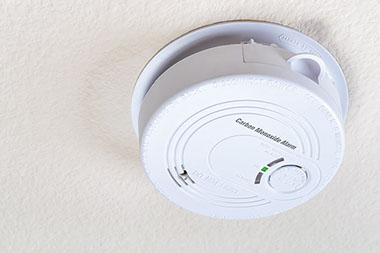
    Image of carbon monoxide detector.

    You may already know the importance of having a smoke detector in your home. But another hazard can be just as dangerous as a fire, and you can’t see it or smell it: carbon monoxide.

    Carbon monoxide, or CO, is a deadly gas that comes from combustion fumes. These fumes are given off by cars and trucks, gas stoves and furnaces, gas water heaters, fireplaces, and generators, to name a few. Hundreds of people die from carbon monoxide poisoning each year, according to the Centers for Disease Control and Prevention (CDC).

    Keep CO out of your home

    Fortunately, you can avoid carbon monoxide poisoning with a few precautions:

    *  Install a carbon monoxide detector in your home. This purchase is an investment in your family’s safety. Replace the detector every five years.

    *  Have your furnace and any other gas, oil or coal-burning appliances serviced by a professional every year.

    *  Never use a generator inside your home, basement or garage. Keep it more than 20 feet from windows, doors or vents.

    *  Make sure all gas appliances are vented to the outside.

    *  Have your chimney checked or cleaned every year.

    *  Don’t burn charcoal indoors.

    *  Never use a portable gas camp stove or flameless chemical heaters indoors.

    *  Don’t run cars or trucks in a garage that’s attached to your house. If your garage is not attached to the house, be sure the garage door is open any time a car or truck is running inside.

    Signs of CO poisoning

    Because you can’t see or smell carbon monoxide (CO), it’s important to be aware of possible warning signs. A working CO detector will alert you to dangerous levels of CO. But, if you notice these signs, get everyone outside right away and seek emergency medical care:

    *  Headache

    *  Dizziness

    *  Weakness

    *  Upset stomach and/or vomiting

    *  Chest pain

    *  Confusion

    People who are sleeping or who have had too much alcohol to drink may not notice the signs of CO poisoning. They may be killed by CO without ever feeling any signs. This is why it’s crucial to have a working CO detector in your home. Change the batteries in your detector at least twice a year.

    © American Institute for Preventive Medicine

  • Can You Take A Hit?

    BE FIT

    Image of man running while looking at his watch.

    Short sprints might boost your fitness by significant levels in just 2 weeks. Really short sprints-like 6 seconds.

    Researchers at Abertay University in Scotland have claimed that people can improve their fitness levels with just small amounts of exercise.

    Participants were asked to cycle all out for 6 seconds then rest for one minute, repeating the cycle 10 times. They found that after 2 weeks participants recorded a 10% improvement in fitness.

    The 6-second bursts are one of the shortest sprint durations ever used in high-intensity training (HIT). HIT involves short bursts of intense exercise and achieves similar results to long-distance endurance training.

    However, the method is much less time consuming and comes with a lower risk of injury, making it ideal for athletes wishing to remain injury free.

    © American Institute for Preventive Medicine

  • Can You Pass This Drug Test?

    MEDICAL NEWS

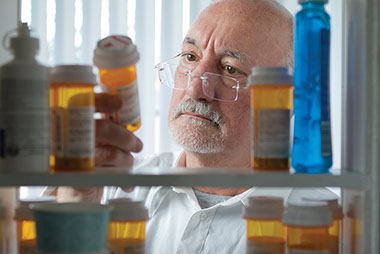
    Image of man looking in his medicine cabinet.

    Question: What is our nation’s most abused drug? Need a hint? It is legal and may be sitting in your medicine cabinet.

    Fatal drug overdoses are an epidemic. Opioid prescription painkiller overdoses account for the majority of these deaths. The National Safety Council revealed these startling facts many people do not know, but need to, about prescription painkiller use:

    *  Forty-five people die every day from opioid prescription painkillers-more deaths than from heroin and cocaine overdoses combined.

    *  In 2010, enough prescription painkillers were provided to medicate every American around the clock for an entire month.

    *  More than 70% of people who abused prescription pain relievers got the pills from friends or relatives.

    *  The U.S. contains only 4.6% of the world’s population but consumes 80% of the world’s opioids and 99% of the world’s hydrocodone.

    *  While middle-aged men and women have the highest prescription painkiller fatal overdose rates, the rates are increasing most rapidly among women. Teen use also is rising. One in 8 high school seniors admits to using prescription painkillers for fun.

    Remove painkillers from your home. Talk with your kids about drugs, including common medications in your home. If you need pain meds, work with your doctor to cut back.

    © American Institute for Preventive Medicine

  • Can Birth Defects Be Prevented?

    MEDICAL NEWS

    Image of pregnant women.

    Birth defects can be devastating for parents and their baby. Sadly, many birth defects happen without an obvious cause and cannot be avoided. But, doctors know there are some things a woman can do before and during pregnancy to help lower the risk of birth defects. They include:

    Take 400 micrograms (mcg) of folic acid every day.

    This is a B vitamin that can reduce the risk of certain brain and spine defects. Experts recommend taking it even before you get pregnant.

    Get good medical care.

    See your doctor regularly and tell him or her if you plan to get pregnant. Begin prenatal care as soon as possible after you become pregnant. It’s important to talk about any health problems you may have and any medicines you take. You’ll also need tests to check for high blood pressure, blood sugar, and other possible pregnancy problems. You may also need certain vaccines (shots) to prevent illness and avoid some birth defects.

    Avoid alcohol, tobacco products, and any street drugs including marijuana.

    These can harm a developing baby.

    Work toward a healthy weight.

    Overweight women have a higher risk of birth defects. Talk to your doctor about safe ways to achieve a healthy weight. Ask your doctor how much weight you should gain during pregnancy.

    Source: Centers for Disease Control and Prevention

    © American Institute for Preventive Medicine
  • Can An Aspirin A Dayprevent A Heart Attack Or Stroke?

    MEDICAL NEWS

    Image of aspirins shaped into a heart.

    Scientific evidence shows that taking an aspirin daily can help prevent a heart attack or stroke in some people, but not in everyone. It also can cause unwanted side effects.

    According to Dr. Robert Temple at the FDA, one thing is certain: You should use daily aspirin therapy only after first talking to your doctor, who can weigh the benefits and risks.

    Who Can Benefit?

    “Since the 1990s, clinical data have shown that in people who have experienced a heart attack, stroke or who have a disease of the blood vessels in the heart, a daily low dose of aspirin can help prevent a reoccurrence,” Dr. Temple said. (A dose ranges from the 80 mg in a low-dose tablet to the 325 mg in a regular strength tablet.) This use is known as “secondary prevention.”

    However, after carefully examining scientific data from major studies, FDA has concluded that the data do not support the use of aspirin as a preventive medication by people who have not had a heart attack, stroke or cardiovascular problems, a use that is called “primary prevention.” In such people, the benefit has not been established but risks-such as dangerous bleeding into the brain or stomach-are still present.

    If your doctor recommends daily aspirin to lower the risk of a heart attack and clot-related stroke, read the labels carefully to make sure you have the right product. Some drugs combine aspirin with other pain relievers or other ingredients and should not be used for long-term aspirin therapy.

    © American Institute for Preventive Medicine

  • Calming An Irritable Bowel

    SELF-CARE CORNER

    Image of a women holding stomach in pain.

    Irritable bowel syndrome (IBS) is a disorder of the digestive system. Experts believe that IBS happens when there is a problem with how the brain and the gut work together. IBS can have bothersome symptoms like stomach pain, diarrhea and constipation. But, IBS does not damage the digestive tract like the effects of ulcerative colitis or Crohn’s disease.

    Millions of people in the U.S. have IBS. And some people have severe symptoms that require medication or other medical care. IBS should be diagnosed by a doctor to ensure your symptoms are not caused by other diseases.

    Fortunately, mild to moderate symptoms of IBS can often be improved with some self-care and lifestyle changes.

    Foods to skip

    Some foods are known to cause more cramping and diarrhea. People with IBS may wish to avoid these foods, which include:

    *  Fried foods or high-fat meals

    *  Artificial sweeteners

    *  Caffeine, such as coffee or tea

    *  Alcohol

    You should also avoid eating large meals.

    Keep a food diary

    It may be a good idea to keep a food diary to identify other problem foods and eating habits, especially during flare-ups.

    Feel fiber-fabulous

    Fiber is one of the most effective ways to help calm an irritable bowel. Fiber can improve constipation because it softens stool and makes it easier to pass. And, it may help “bulk up” stool to reduce diarrhea.

    The 2015-2020 Dietary Guidelines for Americans says that adults should be eating 22 to 34 grams of fiber per day. Soluble fiber may be the best choice for those with IBS.

    Good sources of soluble fiber include:

    *  Oats

    *  Nuts

    *  Lentils

    *  Beans

    *  Fruits & Vegetables

    If you’re not used to eating fiber, don’t eat too much at first. This could lead to gas, bloating, and more IBS symptoms. Gradually increase the amount of fiber you eat by 2 to 3 grams per day until you’re eating the recommended amount. Be sure to drink plenty of fluids to absorb the extra fiber.

    Get better sleep

    Sleep helps the body restore itself, and poor sleep may aggravate IBS symptoms. Help your body rest by practicing good sleep hygiene. You can do this by:

    *  Shutting off computers, smart phones and other screens two hours before bedtime

    *  Going to bed and getting up at the same time every day

    *  Avoiding alcohol and heavy meals in the evening

    *  Not smoking

    *  Getting regular exercise (even light exercise can help you sleep better)

    *  Avoiding naps if you have trouble sleeping at night

    Get help from your doctor

    If these self-care steps don’t help, it may be time to talk to your doctor about other solutions. Some people find success by avoiding gluten, a protein found in wheat, barley, rye, oats and many other foods.

    A low-FODMAP diet may also be helpful. FODMAPS are carbohydrates that can be harder for the intestines to digest. Avoiding these foods helps some people with IBS. Ask your doctor before you begin any diet that eliminates certain foods.

    Sources: International Foundation for Functional Gastrointestinal Disorders, National Institute of Diabetes and Digestive and Kidney Diseases, National Sleep Foundation

    © American Institute for Preventive Medicine

  • Call The Doctor If Your Child Has Any One Of These 10 Symptoms

    FAMILY LIFE

    Image of mother checking daughter's temperature.

    1.Extreme changes in behavior:Not being aware of surroundings or familiar people. Changes in speaking, such as difficulty forming words or completing thoughts.

    2.Signs of dehydration:Unable to keep down liquids. Frequent vomiting or diarrhea. Little oral intake and a dry sticky mouth. Urinating infrequently (less than every 8 hours in children younger than age 1; less than every 12 hours in children older than age 1).

    3.Pains that awaken a child at night:headaches, stomach aches, or muscle aches that awaken a child from a sound sleep.

    4.Abdominal pain that gets worse and won’t go away:If pain does not improve with child over-the-counter pain relievers. If a fever also is present. Pain with physical movement like walking.

    5.Blood in urine or stool:Blood in urine is very uncommon in children and could be a sign of infection or a kidney problem. Blood in stool when a child has not been constipated. Blood in stool when there is a history of travel. Painless bleeding without bowel movement.

    6.Pain or frequency with urination:Going to the bathroom many times in an hour. Pain when trying to urinate. Eating and drinking a lot but still losing weight. If a child is not verbal, look for these clues: irritability, crankiness, and fever for 2-3 days with no known cause.

    7.Fevers in certain age groups:Any child younger than 2 months with a rectal temperature of 100.4 degrees or higher should be seen immediately. Ages 2 months to 3 years with a fever for 2 to 3 days but no known cause. Fevers lasting longer than 5 to 6 days.

    8.Breathing problems:If your child does not have asthma and any of the following are happening: Rib cage squeezing, flared nostrils, straining abdominal muscles. Audible wheezing, which is a noise that sounds like harsh air blowing through a straw. A tight whistling sound during inhalation. If this isn’t helped by a cool mist or humidity, seek medical attention immediately. Coughing that is so severe that your child can’t breathe.

    9.Difficulty drinking:Can’t drink enough to urinate every 3-4 hours. Going 8-12 hours or more without urinating.

    10.Parent’s gut instinct that something is wrong.

    Source: Dr. Hannah Chow-Johnson, pediatrician at Loyola University Health System and assistant professor of pediatrics at Loyola University Chicago Stritch School of Medicine

    © American Institute for Preventive Medicine