Blog

  • Brighter, Whiter Smile

    WELL-BEING

    Image of older couple smiling.

    Whitening procedures and products can help restore a whiter smile. But there’s a dark side to whitening your teeth, according to the Pennsylvania Dental Association. Certain tooth whitening procedures being done by nondentists at salons, spas, and even shopping malls may not be what’s right for you.

    The association says to have a thorough exam performed by a licensed dentist before having any tooth whitening procedure. You may have problems with some of the solutions especially if you have many fillings, crowns, and extremely dark stains.

    After a thorough exam, your dentist can determine if bleaching is right for you. The following are common treatment options your dentist may recommend:

    *Prescription bleaching kits.These are dispensed by a licensed dentist and contain peroxides that will bleach the tooth enamel. Gel whiteners are placed in a tray similar to a mouth guard. By obtaining the bleaching solution from your dentist, he or she can make a custom-fitted tray specifically designed to fit your teeth. Poorly fitting trays can irritate your gums and cause tissue burning.

    *Zoom whitening.Also known as power whitening, this is a high concentration of hydrogen peroxide gel coupled with a high-intensity light used to whiten the teeth. This in-office procedure takes about one hour. The teeth whitening lasts about three years.

    *Whitening toothpaste.This will not change the natural color of teeth, but some contain a special chemical or polishing agent to help remove stains from the tooth surface.

    © American Institute for Preventive Medicine

  • Breast Cancer Awareness

    SELF-CARE CORNER

    Image of a group of women wearing pink shirts, smiling with thumbs up.

    During the month of October, many organizations, groups and individuals across the world increase awareness of breast cancer and raise funds to research the disease and find a cure.

    Breast cancer is the second most common kind of cancer in women. About 1 in 8 women born today in the United States will get breast cancer at some point. The good news is that many women can survive breast cancer if it’s found and treated early.

    *  If you are a woman age 40 to 49, talk with your doctor about when to start getting mammograms and how often to get them.

    *  If you are a woman age 50 to 74, be sure to get a mammogram every 2 years. You may also choose to get them more often.

    Risk factors for breast cancer in women include:

    *  Increasing age

    *  Changes in BRCA1, BRCA2, and other cancer genes

    *  Personal history of breast cancer or a mother or sister has or had breast cancer

    *  Dense breast tissue (shown on a mammogram)

    *  Certain abnormal breast changes that are not cancer. These changes are found during a breast biopsy.

    *  Radiation therapy to the chest before age 30

    *  Never giving birth or having a first full-term pregnancy after age 30. Never breast-fed  a baby.

    *  Being obese or overweight after menopause

    *  Hormone therapy (estrogen plus progestin) after menopause

    *  Alcohol-the more used, the greater the risk.

    *  Lack of physical activity throughout life

    Talk to a doctor about your risk for breast cancer, especially if a close family member of yours had breast or ovarian cancer. Your doctor can help you decide when and how often to get mammograms.

    FYI

    The third week of October is Male Breast Cancer Awareness Week. Though rare, men can get breast cancer too. For men, the lifetime risk of being diagnosed with breast cancer is about 1 in 1,000. Yearly, about 450 men in the U.S. die from breast cancer. Men should look for and report a lump or other change in a breast to their doctors.

    © American Institute for Preventive Medicine

  • Breast Cancer And Rashes

    MEDICAL NEWS

    Image of pink ribbon.

    When you spot a rash on your skin, you probably don’t worry too much about it. After all, most rashes are simply due to minor problems like a mosquito bite, chafing, or an irritating skin care product. Though most rashes are not dangerous, it’s important to pay attention to your skin. A rare, dangerous form of breast cancer known as inflammatory breast cancer (IBC) often starts with a rash or skin changes on the breast. IBC doesn’t cause a telltale “lump” that many people expect from breast cancer. It may not show up on a mammogram either.

    What rashes should be checked?

    Many things can cause rashes on the breast, but some signs should be checked by a doctor. Call your doctor if you notice any of these changes on the breast:

    *  Pain, tenderness or itching on the breast

    *  Skin that looks or feels thicker

    *  An area that feels hard

    *  Skin that has pits or ridges or looks like an orange peel

    *  A nipple that turns inward or changes shape

    *  Swelling that makes one breast look larger than the other

    *  Skin that is swollen

    *  A breast that feels warm or heavy

    Don’t panic – but get checked

    It’s important to know that IBC is very rare. It makes up about 1 to 3 percent of all breast cancer cases.

    Some less serious problems like mastitis (an infection of the milk ducts) can have some of the same symptoms as IBC. If you notice any changes in your breasts, be sure to contact your health care provider.

    The many types of breast cancer

    There are several different kinds of breast cancer. Some start in the milk ducts, glands or other tissue, such as muscle or fat.

    The most common type of cancer is invasive (or infiltrating) ductal carcinoma. This type of cancer makes up about 80 percent of all breast cancer cases. It starts in a milk duct and spreads into the fatty tissue in the breast.

    Be aware of these other breast cancer signs and call your doctor if you notice them:

    *  A lump or mass in the breast

    *  Nipple discharge (not breast milk for nursing mothers)

    *  Pain or swelling in the breast or nipple

    *  Any unusual changes to the breast or nipple, including new moles

    Seeing your doctor for regular visits and getting mammograms as recommended is the best way to detect breast cancer early.

    Source: American Cancer Society

    © American Institute for Preventive Medicine
  • Breaking Bad Habits

    WELL-BEING

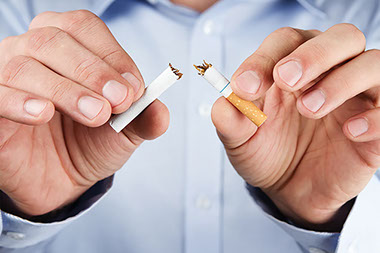
    Close-up image of a person breaking a cigarette in half.

    Bad habits may be hard to change, but it can be done. Smoking, for example, can be stopped. So can alcohol abuse.

    If you could only … but why don’t you? Scientists at the NIH study what happens in your brain as habits form. They come about through repetition. Brushing your teeth in the morning is a good habit. Reaching for a cigarette-bad habit.

    Habits trigger pleasure centers in your brain. First, focus on becoming more aware of your bad habits. Then try these strategies to counteract them:

    *  Avoid tempting situations. If you don’t buy candy bars, it won’t be as easy to eat one.

    *  Prepare mentally. Think about how you want to handle it and mentally practice what you plan.

    *  Enlist support. Ask friends, family, and coworkers to support your efforts to change.

    *  Replace unhealthy bad habits with healthy ones. Exercise or try a new hobby.

    *  Reward yourself for small steps.

    © American Institute for Preventive Medicine

  • Bounce House Dangers

    FAMILY LIFE

    Image of a bounce house.

    If your kids like to moonwalk and jump in those ever-present birthday-party experiences called bounce houses, know about these dangers. A child goes to the ER every 45 seconds because of bouncing injuries.

    Researchers at Nationwide Children’s Hospital say inflatable bouncers are the cause of a 15-fold increase in injuries to kids-mostly broken bones, strains and sprains but also head and neck injuries. The findings were published in Pediatrics.

    Injury patterns for inflatable bouncers are similar to those the docs see on trampolines, which have national safety guidelines. Bounce houses have no guidelines. So set your own rules.

    The researchers suggest parents should consider the risks before allowing their children to use an inflatable bouncer.If you allow your child to use an inflatable bouncer, limit use to children 6 years of age and older. Make sure an adult is there to supervise while the bouncer is in use and allow only one child on the bouncer at a time. If more than one child will be on the bouncer at the same time, the children should be about the same age and size.

    © American Institute for Preventive Medicine
  • Boomers Beware

    BE FIT

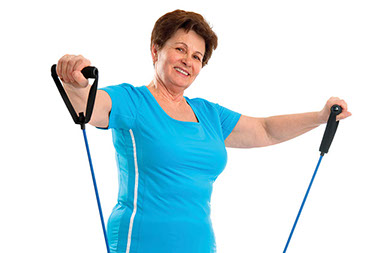
    Image of older women with exercise equipment.

    Boomers are now age 50 and older. And they are getting lots of injuries to backs, knees, hips, ligaments and tendons (the structures that attach muscles to bones).

    Regular exercise is critical for maintaining and improving bone and muscle strength. And yet if not done properly, exercise can result in pain and injury, sprains and strains. The American Academy of Orthopaedic Surgeons offers the following exercise safety advice for anyone older than 50:

    Warm up and stretch.Walking, bending, jumping jacks, and running in place before exercise gets and keeps the circulatory system moving and helps prevent injury. Stretching can be done before or after a workout.

    Exercise consistently.Don’t be a weekend warrior. Try to get at least 30 minutes of moderate physical activity every day.

    Take lessons.Consider taking lessons for the sport you love. Whether you’re new to a sport or have been taking part in it a long-time, proper form and instruction reduce the chance of an overuse injury like tendonitis or stress fractures.

    Wear the proper equipment.Select the proper gear and shoes for your sport.

    Listen to your body.As you age, you may find that you are not as flexible as you once were, or that you cannot tolerate the same types of activities. If so, modify your exercise routine to accommodate your body’s needs. For example, if you’ve been a daily runner for many years, consider replacing a day or two of that activity with swimming, biking, or another sport that puts less impact on your joints.

    Use the 10% rule.When changing your activity level, increase it in increments of no more than 10% per week. Slowly build up each week until you reach your higher goal. This will prevent overuse injuries that may keep you from exercising or enjoying your favorite sport for some time.

    Develop and maintain a balanced fitness program.Include cardiovascular exercise, strength training, and flexibility. A balanced exercise program will provide a total body workout. This keeps you from getting bored and lessens your chances for injury.

    Take a break.Hard workouts can take a toll on your body and thus require strategies aimed at recovery. Learn to take a day off or cut back your training to allow your body to adapt and recover. Gentle stretching, light aerobic exercises, and proper nutrition and hydration are all helpful to the recovery process.

    Consult your doctor.If you develop or have had a sports or orthopedic injury like tendonitis, arthritis, stress fracture, or low back pain, consult an orthopedic surgeon who can help design or modify your fitness routine to promote wellness and minimize the chance of injury.

    © American Institute for Preventive Medicine

  • Books And Bedtime Routine

    WELL-BEING

    Image of a mom reading a book to her young toddler.

    Whatever happened to the good old-fashioned bedtime story? Not an iPad app or a TV show before bed. But a real story, read in bed to a child by a parent.

    Seems that bedtime routines help kids sleep better, say researchers at Penn State in this NIH-funded study. They say well-established rules such as a regular bedtime and no caffeine drinks led to children getting adequate sleep for their age. In contrast, when parents and kids had electronic devices in the bedroom after bedtime, lack of sleep was more likely.

    Poor sleep could lead to behavioral problems, impaired learning and school performance, sports injuries, mood issues, and health problems such as obesity.

    © American Institute for Preventive Medicine

  • Bloody Nose Know-How

    MEDICAL NEWS

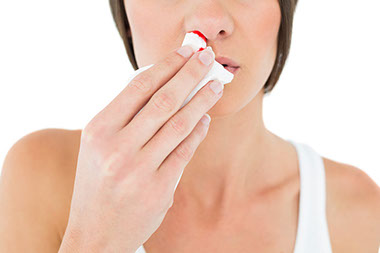
    Image of a nose bleed.

    Maybe you blew your nose too hard or bumped your nose. Causes aren’t always known. But when the blood starts gushing, nosebleeds can be frightening.

    Experts at eMedicineHealth tell what to do: Remain calm. Sit up straight and lean your head forward. Contrary to what some people think, do not lean your head back, you’ll only swallow the blood.

    Ice packs do not help either. Pinch your nostrils tightly together with your thumb and index finger for 10 minutes. Just hold it. Breathe through your mouth, of course. Do not release your grip.

    That should stop the blood flow, usually from an artery in the front of your nose. Then be nice to your tender nose for the rest of the day. Think about adding humidity to the air when you sleep, especially in dry winter weather.

    © American Institute for Preventive Medicine

  • Black Bean Burgers

    HEALTHY EATING

    Image of a black bean burger.

    Ingredients

    1 can of 15.5 ounce low-sodium black beans (drained and rinsed with cold water)

    1 large egg

    1/2 cup cooked brown rice*

    2 scallions (green and white minced, about 1/4 cup)

    2 Tablespoons chopped fresh cilantro (or basil leaves or a combination)

    1 garlic clove (peeled and minced)

    1/4 teaspoon dried oregano or basil

    1 teaspoon vegetable oil

    1/2 teaspoon salt

    1/2 teaspoon black pepper

    4 whole-wheat buns

    Directions

    1. Add beans to a bowl and mash with a fork until chunky. Add the egg and mix well.

    2. Add precooked rice*, scallions, cilantro, garlic and oregano, salt and pepper and mix until well combined.

    3. Divide the mixture into 4 portions and form each portion into a patty about ¾ to 1 inch thick.

    4. Place a large skillet on the stove on high heat. When the skillet is hot, add oil. Add burgers and cook 4 to 5 minutes per side until browned on both sides and heated throughout. Place on a whole-wheat bun.

    *Try using old-fashioned rolled oats, leftover cooked barley or Panko breadcrumbs instead of prepared rice.

    Serve with your favorite toppings, such as lettuce, tomato, guacamole, salsa, low-fat cheese or low-fat yogurt.

    Serves 4. Per serving: Calories: 274; Total Fat: 5 g; Saturated Fat: 1 g, Sodium: 668 mg; Total Carbohydrate: 47 g; Dietary Fiber: 12 g; Protein: 13 g

    Source: What’s Cooking? USDA Mixing Bowl

    © American Institute for Preventive Medicine