Blog

  • Beat Winter Doldrums By Using A Pool Indoors

    BE FIT

    Image of smiling female standing next to indoor pool.

    If you think swimming pools are just for summer fun, think again. Winter is a great time to take advantage of an indoor pool to get some low-impact exercise. Exercising in water offers many benefits no matter what the season. Try it this winter because:

    *  It’s low impact, so it’s easy on joints that may get sore with activities like running or jumping.

    *  It helps you be more flexible. In the water, you may be able to move your arms and legs in ways that are difficult on land.

    *  Warm water pools can feel soothing, especially in cold weather.

    *  It helps people with arthritis or orthopedic/joint injuries to improve joint movement without pain or strain from traditional exercise.

    *  It offers a nice change from land exercises – and variety may help you stick with a workout.

    *  A pool workout helps keep you cool, even if you’re working hard.

    *  Water exercise may improve mood and mental well-being.

    *  Water offers natural resistance that can tone and strengthen muscles.

    Don’t swear off pool exercise because you can’t swim.

    There are many exercises that can be done in the water that don’t include traditional swimming. If you can’t swim, stick to the shallow end or wear a life jacket. Try these exercises:

    *  Walk or jog from end to end in the shallow end.

    *  Grab the edge of the pool and kick your legs from side to side.

    *  Try the “superman”: hold the edge of the pool and point your body out straight behind you. Keep your body in a straight line and hold the pose for a few seconds.

    *  Do jumping jacks in chest-deep water

    Many local fitness centers have pools for exercise and even water aerobics classes. A community center, hotel or school may offer public swim times as well.

    To help keep public pools clean and to avoid illness:

    *  Shower before and after using a pool

    *  Don’t get pool water in your mouth

    *  Don’t use the pool if you’re sick, especially if you have had vomiting or diarrhea within the last week

    *  Stay out of the pool if you have an open wound that’s not fully healed or fully covered with a waterproof bandage

    © American Institute for Preventive Medicine

  • Beat Procrastination At Work

    WORK LIFE

    Illustration of man with head down on messy desk.

    Do you put off doing tasks and find yourself scrambling at the last minute? You could be procrastinating. Try the tips below to break the habit.

    Break large tasks down into smaller pieces.

    Rather than trying to do the entire project, start with one piece. This can make a large project less overwhelming and more realistic.

    Get motivated.

    Think about how pleased you’ll be when it’s done. Focus on the positive aspects of your job, and why you do what you do. This may help you get the energy to tackle difficult tasks.

    Try rewards.

    Commit to getting the project done a few days early. When you do, treat yourself after work. Examples of positive rewards may be your favorite meal or a fun activity you enjoy.

    Source: American Psychological Association

    © American Institute for Preventive Medicine

  • Beans, Peas May Help You Slim Down

    HEALTHY EATING

    Image of different types of peas.

    Have you ever eaten “pulses”? There’s a good chance you have – and you may want to start eating more of them.

    Pulses are the edible seeds of legumes. They include kidney beans, lima beans, butter beans, chick peas, black-eyed peas and lentils – available canned or dried.

    Nutritionists already praise pulses as an excellent source of fiber, protein and vitamins. But a recent study published in The American Journal of Clinical Nutrition says that adults who added pulses to their daily diet lost more weight than those who didn’t eat them. And, there was no other special effort involved. The feeling of fullness can help people eat less and consume fewer calories without feeling hungry.

    Pulses have other benefits too. They may help lower blood levels of LDL (bad) cholesterol. They also have a low glycemic index. Glycemic index measures how foods that contain carbohydrates raise blood sugar. Foods with a high glycemic index raise your blood sugar more than foods with a low glycemic index.

    © American Institute for Preventive Medicine

  • Be Ready For Winter – Indoors And Out

    SELF-CARE CORNER

    Image of warm dressed women outside in winter.

    When winter arrives, will you be ready? Being prepared for winter weather is more than having a warm coat and boots in your closet. No matter where you live, you can be prepared and safe all winter long with a few tips fromReady.gov:

    *Use space heaters carefully.Keep them out of reach of little ones. Space heaters get very hot and can burn children’s hands. In addition, some may cause a fire if they are within five feet of furniture or draperies. Keep a working fire extinguisher near space heaters.

    *Have a family plan.Talk to each member of your household about where to go and what to do if you are separated when a storm strikes. Have cell phone numbers programmed into your phones. Keep supplies like blankets and extra food and water in each car.

    *Be aware of carbon monoxide.Anything that runs on gasoline, propane, or kerosene should never be used inside your home or garage. This includes generators, heaters, camp stoves, and grills. They can give off carbon monoxide, which can be deadly. Only use these outdoors and at least 20 feet away from your home.

    *Get your vehicle serviced.Before bad weather comes, get any problems, the battery and antifreeze checked out. Top off fluid levels…Make sure you have good windshield wiper blades.

    *Consider getting a NOAA radio.This can run on batteries if the power goes out and will alert you to a variety of weather hazards.

    *Stay inside.Many people end up with frostbite or injuries from trying to shovel snow during very cold weather. If you can, postpone shoveling until it’s safe to go outside. If you must go outdoors, take frequent breaks indoors to warm up.

    Signs of frostbite

    Frostbite is a dangerous condition that can lead to permanent skin damage or even loss of a limb, according to the Centers for Disease Control  and Prevention. Signs of frostbite include:

    *  Numbness

    *  White or grayish skin color

    *  Skin that feels hard or waxy

    *  Slurred speech

    *  Confusion

    If you think you have frostbite, get inside to a warm area as soon as possible. Loosen or remove wet or tight clothing. Remove jewelry. You may immerse the affected skin in warm water. Do not rub or massage the area. Don’t use hot stoves or heating pads, as the skin can easily burn. Get medical help as soon as possible.

    No matter where you live, it’s wise to be prepared for weather emergencies. Be ready for old man winter before he takes you by surprise.

    © American Institute for Preventive Medicine

  • Be Patient With Exercise Results

    BE FIT

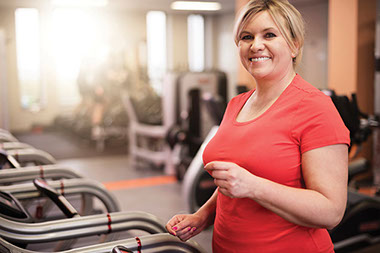
    Image of women using treadmill at a gym.

    Getting started with an exercise plan is a big step toward a healthier life. But, sticking with that exercise program can be tough when you’re not seeing results as quickly as you want. When many exercise plans promise fast, dramatic results, being patient can be frustrating.

    Some people may find that they work hard but aren’t seeing weight loss or feel like they aren’t getting as fit as they want. This can lead to exercise burnout and quitting. Don’t give up! Find ways to push through the tough times. If you keep it up, the benefits of exercise are worth the effort.

    Tip #1: Step off the scale.

    Although you may be losing some weight with exercise, it’s not always obvious right away. This can happen when someone gains muscle, which weighs more than fat. Instead of worrying about a number, look at how your clothes are fitting or how you are feeling overall. Weigh yourself once a week to check in, but don’t let it be the only way you are measuring your progress.

    Tip #2: Don’t compare.

    People gain and lose weight in different ways and at different rates. A friend may drop pounds or get fit faster than you. That can be upsetting if you’re working hard. Try not to worry about how much progress someone else has made. Focus on yourself and what you have accomplished each day.

    Tip #3: Track progress.

    Use a notebook or an app on your phone to record your positive changes, no matter how small. Perhaps you did two more pushups, or walked for 10 extra minutes. Maybe you felt more energy than usual today. Whatever it is, record it so you can go back and see all of the ways exercise is boosting your health.

    Tip #4: Be mindful of your diet.

    Exercise can increase your hunger. It can be easy to overeat after a workout and consume more calories than you burned. Prepare a healthy snack before you work out, such as a banana with peanut butter or yogurt and fresh fruit. Having something ready can reduce the chances of grabbing something quick but unhealthy.

    You may not see “instant” results from exercise. But, believe that you are doing something great for your body. With time, you will improve your health and well-being.

    © American Institute for Preventive Medicine

  • Be A Good Sport

    BE FIT

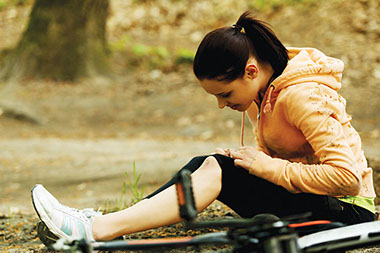
    Image of women with knee injury from riding a bike.

    Whether you’ve never had a sports injury and you’re trying to keep it that way or you’ve had an injury and don’t want another, the following tips from the National Institute of Arthritis and Musculoskeletal and Skin Diseases can help:

    *  Avoid bending knees past 90 degrees when doing half knee bends.

    *  Avoid twisting knees by keeping feet as flat as possible during stretches.

    *  When jumping, land with your knees bent.

    *  Do warm-up exercises not just before vigorous activities like running, but also before less vigorous ones such as golf.

    *  Don’t overdo.

    *  Do warm-up stretches before activity. Stretch the Achilles tendon, hamstring, and quadriceps areas and hold the positions. Don’t bounce.

    *  Cool down following vigorous sports. For example, after a race, walk or walk/jog for 5 minutes so your pulse comes down gradually.

    *  Wear properly fitting shoes that provide shock absorption and stability.

    *  Use the softest exercise surface available, and avoid running on hard surfaces like asphalt and concrete. Run on flat surfaces. Running uphill may increase the stress on the Achilles tendon and the leg itself.

    © American Institute for Preventive Medicine

  • Banish Biting Bugs

    SELF-CARE CORNER

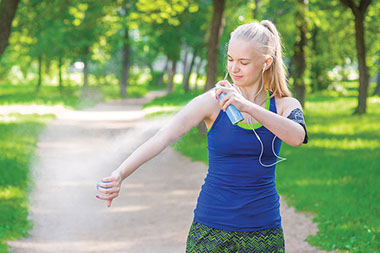
    Image of female spraying insect repellent on arm.

    Insects like mosquitoes and ticks may annoy you during a summer barbeque or camping trip. But an effective bug repellent does more than avoid an itchy inconvenience. It may help prevent you from getting sick. Mosquitoes and ticks may carry diseases that are dangerous to humans. Many ticks carry Lyme disease and mosquitoes may spread the West Nile and Zika viruses.

    To help keep mosquitoes away, use a repellent that’s been proven safe and effective by the CDC. Look at the label and choose a repellent with one of these active ingredients:

    *  DEET

    *  Picaridin

    *  IR3535

    *  Oil of lemon eucalyptus

    *  Para-menthane-diol

    The CDC recommends tick repellents that have one of the following active ingredients:

    *  DEET (20 to 30 percent): use on skin and clothing, but not under clothing.

    *  Permethrin: use on clothing and gear only.

    In addition to a repellent, there are other ways to avoid bugs:

    *  Avoid wooded and brushy areas when possible.

    *  Walk in the center of trails.

    *  Wear clothing that covers arms and legs.

    *  Minimize time outside at dawn and dusk, when mosquitoes are most active.

    *  Throw out standing water in tires, buckets, birdbaths or other outdoor items at least once a week.

    *  Do a full-body check for ticks after spending time outside.

    What to do if you spot a tick

    If you find a tick on your skin, it should be removed as soon as possible. Here’s what to do:

    *  Don’t panic.

    *  Use fine-tipped tweezers to grasp the tick as close to the skin’s surface as possible.

    *  Pull upward on the tick slowly and evenly. Don’t twist the tick or try to yank it out quickly.

    *  If parts of the mouth remain after you’ve tried to remove it, use the tweezers to try and get them out. If you can’t get them out, leave it alone so the skin can heal.

    *  After you’ve removed the tick, clean the bite area and your hands with soap and water, rubbing alcohol or an iodine scrub.

    *  If the tick is alive, don’t try to crush it. Instead, put it in alcohol or an airtight bag or container. You can also wrap it tightly in tape or flush it down the toilet.

    *  Ticks can also be removed by your doctor if you can’t get it out yourself.

    *  If you’ve been bitten by a tick, contact your doctor for follow-up care.

    © American Institute for Preventive Medicine
  • Baked Salmon Dijon

    HEALTHY EATING

    Image of a baked salmon dijon.

    Ingredients:

    1 c fat-free sour cream

    2 tsp dried dill

    3 Tbsp scallions, finely chopped

    2 Tbsp Dijon mustard

    2 Tbsp lemon juice

    1-1/2 lbs salmon fillet with skin, cut in center

    1/2 tsp garlic powder

    1/2 tsp black pepper

    As needed, fat-free cooking spray

    Directions

    Whisk sour cream, dill, onion, mustard, and lemon juice in small bowl to blend. Preheat oven to 400ºF. Lightly oil baking sheet with cooking spray. Place salmon, skin side down, on prepared sheet. Sprinkle with garlic powder and pepper. Spread with the sauce. Bake salmon until just opaque in center, about 20 minutes.

    Makes 6 servings. Serving size: 1 piece (4 oz). Each serving provides 196 calories, 7 g total fat, 76 mg cholesterol, 229 mg sodium, less than 1 g fiber, 27 g protein, 5 g carbohydrate

    A heart-healthy recipe from the US Department of Health and Human Services, National Institutes of Health National Heart, Lung, and Blood Institute

    © American Institute for Preventive Medicine

  • Bad Medicine:The Problem With Expired Medications

    SELF-CARE CORNER

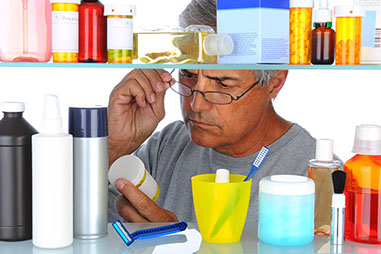
    Image of man going through the medicine cabinet.

    It’s 10 pm, you’ve got a horrible headache, and the only pain reliever you’ve found expired a year ago. Can you use it just this once?

    No, you shouldn’t, according to the Food and Drug Administration (FDA). Once medicines have expired, there’s no guarantee that they’re safe – or that they’ll work.

    Using an expired medicine puts you at risk of having a bad reaction or having the medication not work at all. If it’s past the expiration date, discard it safely. Make sure kids and pets cannot get to it.

    Tips to avoid medication mishaps

    *  Go through your medicine cabinet every six months. Discard expired medications or anything that has an unusual odor or appearance.

    *  Don’t keep medicines in your bathroom. The steam from your bath or shower can make them go bad even before they’ve expired. Instead, keep them out of reach of children in a bedroom, linen closet, or kitchen cabinet.

    *  If you have children in the house, consider a locked cabinet for medicines. Some pills look like “candy” to kids, and many children have been poisoned by ingesting medicines and vitamins.

    How to discard unused medicines

    Some medicines come with disposal instructions. If not, the FDA recommends most medicines be safely placed in your regular trash. Here’s how to do it:

    *  Put the pills in a sealed plastic bag with other trash like kitty litter, used coffee grounds, or even dirt. This helps prevent others from trying to take the medicine.

    *  If you’re throwing out prescription bottles, scratch out all the information on the label. This includes your name and the name of the medication.

    *  Check with your city or town about an authorized drug take-back program. These programs allow you to get rid of old medicines safely.

    *  A few medicines should be flushed down the sink or toilet because they can be dangerous to others if found in the garbage. Check the FDA website (www.fda.gov) for a list of these medicines.

    © American Institute for Preventive Medicine
  • Bad Air Day

    MEDICAL NEWS

    Image of women sneezing.

    Ozone. It’s an invisible gas but it pollutes the air and may make it harder for you to breathe.

    Ozone is created when sunlight triggers a chemical reaction between oxygen-containing molecules and pollution that comes from cars, power plants, factories, and other sources, says the NIH News in Health. Hot weather is one of the triggers for the creation of ozone. It’s not as much of a problem in winter, say the NIH scientists.

    High levels of ozone might cause you to cough or have throat irritation. Your eyes might water, and you may have trouble breathing. The ozone irritates the lining of your airways and lungs. If you have a lung condition such as asthma, the damage can be greater.

    Adjust your activities on a bad air day to reduce your exposure to air pollution and stay indoors. Limit outdoor activities. Even if you’re in good health, mow the lawn or take a run or walk later in the evening or first thing in the morning. Ozone levels tend to peak between mid-afternoon and early evening. You can track air quality atwww.airnow.gov.

    © American Institute for Preventive Medicine