Blog

  • A Healthy Diet Helps With Stress

    SUCCESS OVER STRESS

    Image of salmon.

    Can the foods you eat help you cope with stress? Yes, according to experts at the Academy of Nutrition and Dietetics. When you can’t avoid stress completely, focus on these foods to help you through it:

    Whole grains and healthy carbohydrates

    Whole grain bread, pasta, brown rice and sweet potatoes are all complex carbohydrates, which may help boost feel-good hormones in the brain.

    Heart-healthy fats

    Foods rich in omega-3 fats, such as salmon, flax seeds and walnuts may help improve mood and reduce stress and anxiety.

    Soothing hot teas

    Lavender and chamomile teas are good choices to help you relax and potentially get better sleep – keys to dealing with stress.

    Dark chocolate

    The antioxidants in this treat may help reduce stress. Be sure to keep your portion to one ounce or less a day, and choose dark varieties only. Milk and white chocolates do not offer these benefits.

    © American Institute for Preventive Medicine

  • A Curve You Don’t Want

    MEDICAL NEWS

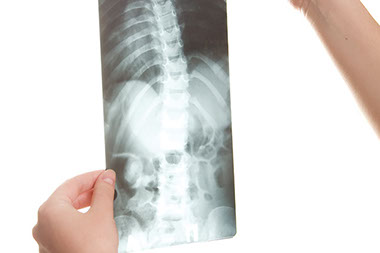
    Image of a X-ray of the spine.

    Curvature of the spine (or scoliosis) may sound like a scary diagnosis, but proper treatment enables children with the condition to lead normal, active lives.

    Small curves are a normal part of the spine and not cause for concern, according to Dr. Daniel Green, a pediatric orthopedic surgeon at Hospital for Special Surgery in Manhattan. But when the curve exceeds a certain range, children require medical help.

    Scoliosis tends to run in families, but most often the cause is not known. However, studies show that scoliosis is not caused by poor posture, the use of backpacks, or any type of exercise. It affects girls 10 times more often than boys.

    Scoliosis is often first detected during a routine visit to the child’s doctor or during a school screening. The development of scoliosis is usually gradual and painless. A curve can develop without a parent or child knowing it, until it becomes more obvious.

    Signs of scoliosis

    *  One shoulder appears higher than the other.

    *  The waist appears uneven.

    *  One hip looks higher than the other.

    *  The ribs appear to stick out on one side.

    *  The child seems to be leaning to one side when standing.

    Early diagnosis and treatment lead to a better outcome. The diagnosis is based on a physical exam and x-rays. A curve of greater than 10 degrees on an x-ray is considered to be scoliosis.

    For patients with smaller curves, the doctor may recommend just watching the condition. For bigger curves, the best treatment may be a brace to correct the condition. Sometimes surgery may be needed.

    © American Institute for Preventive Medicine

  • A Burning Issue: How To Handle Household Burns

    SELF-CARE CORNER

    Image of a mother helping daughter with a burn on the arm.

    Accidental burns can happen just about anywhere in your home, and they’re not always caused by fire. Hot objects or liquids, friction, the sun, electricity, or certain chemicals can also cause burns.

    Each year, about a half-million people nationwide seek medical attention for burns. Household burns lead to nearly 7 of 10 admissions to burn centers. The good news is that the number of deaths from severe burns has dropped by more than half over the past 4 decades, in large part because of treatments developed through NIH-funded research.

    Burns result in skin or tissue damage. The severity of a burn depends on the area it covers and how deep the damage goes. First-degree burns affect only the thin top layer of skin. Second-degree burns include the thick lower layer of skin. A third-degree burn is the most serious; it penetrates the entire thickness of the skin, permanently destroying it and the tissue that’s underneath.

    You can care for most minor burns at home. If the burn is red and painful with mild swelling or little blistering, then it’s a first-degree or minor second-degree burn.

    See a doctor if the burn is dark red and looks glossy with a lot of blistering. These are signs of a deep second-degree burn. Get immediate treatment if the burned skin is dry and leathery, perhaps with white, brown, or black patches. These are signs of a third-degree burn.

    Burns can become infected with bacteria or other germs if protective layers of skin are lost. Burns can also lead to painful inflammation, as your immune system shifts into gear.

    First aid for burns

    For minor burns:

    *  Immerse in fresh, cool water or apply cool compresses for 10 to 15 minutes.

    *  Dry the area with a clean cloth. Cover with sterile gauze or a non-adhesive bandage.

    *  Don’t apply ointments or butter; these may cause infection.

    *  Don’t break blisters.

    *  Over-the-counter pain medications may help reduce inflammation and pain.

    Call emergency services (911) if:

    *  Burns cover a large area of the body

    *  Burns affect the entire thickness of skin

    *  The victim is an infant or elderly

    *  The burn was caused by electricity, which can lead to “invisible” burns

    © American Institute for Preventive Medicine

  • A Bucket Of Ice

    MEDICAL NEWS

    Image of a bucket filled with ice.

    Have you taken the ice bucket challenge? What do you know about the disease you were raising funds for?

    Amyotrophic lateral sclerosis (ALS), sometimes called Lou Gehrig’s disease, is a rapidly progressive, fatal neurological disease that attacks the nerve cells responsible for controlling voluntary muscles.

    According to the National Institute of Neurological Disorders and Stroke, ALS attacks nerve cells that control muscles in the arms, legs, and face. Eventually use of limbs and speech stop. Voluntary movement is lost. And with that comes loss of the ability to breathe.

    There is no test to diagnose it. There is no cure. And no one knows who will get it and who does not. Ongoing research is looking for answers.

    Lou Gehrig was a baseball legend, the first baseman for the New York Yankees who developed the disease that ended his incredible career and his life.

    © American Institute for Preventive Medicine

  • 8 Ways To Be Promotable

    WORK LIFE

    Image of a group of co-workers smiling.

    No matter what the job, there are certain qualities that all top-performing employees share, according to job-placement expert Phil Blair, author of Job Won! Below are Blair’s 8 ways to be promotion-worthy:

    1.Look and act promotable.You’ve got a job, but unless you plan to make it the last job you ever have, think long term. Act like you’re a man or woman on a mission, always prepared to take the next step, to take your career to the next level. Dress accordingly. In fact, dress for the job you want, not the job you have. Showcase your work when you can. Go above and beyond.

    2.Create value in everything you do.Don’t just cross things off a to-do list. If you have a job to do, do it well. Commit your best effort to all tasks, large and small. That might be challenging at times, but people notice.

    3.Be resourceful.Think outside the box. If you’re doing a job and you see a better way to do it, speak up (in a polite, respectful way). Anticipate problems and find answers before they’re needed. Don’t be afraid to do a little legwork, a little sweating before it’s necessary. It will always pay off.

    4.Get noticed.There’s nothing wrong with stepping up and stepping out: Volunteer for extra duties. Look for chances to be part of a team. Likewise look for chances to work with other departments, both to learn about that department but also to meet new people.

    5.Stay informed.Become an expert in your field. That includes staying on top of industry news and trends, company policies, and department memos. Read the company newsletter. Talk to others in the know. The more information you have at hand, the better prepared you will be when opportunity comes knocking.

    6.Keep positive.No matter what’s going on, remain level-headed, upbeat, with your eye on the prize. There are always ups and downs but focus on the long term. If you have a temper, it is your responsibility to never show it at work.

    7.Be a team player.This is about more than just getting along with others or telling a good joke. In meetings or group efforts, you want to be seen as a valued contributor who offers feedback, meets deadlines, and gets things done-all for the common good. Know your teammates, their strengths, and strive to make them look good too.

    8.Conduct effective meetings.The best way to not get anything done is to call a meeting. That’s a little harsh but meetings are probably the most abused aspect of the workday. The best meetings are short, sweet, and to the point. If you’re calling the meeting or running it, make sure you have an agenda and stick to it. Make sure only the people who need to be at the meeting are there. Stay on point. Allow everyone to speak who wants to speak, but keep them focused on the subject. Try to complete all of the tasks of the meeting before the meeting ends. If that’s not possible, assign action items with due dates.

    © American Institute for Preventive Medicine

  • 8 Commandments For Living Long And Living Well

    WELL-BEING

    Image of a group of people with exercise balls.

    You won’t live forever, but you can’t live like there’s no tomorrow, because tomorrow is coming. You can prepare for tomorrow today by making smart lifestyle choices or changing poor health habits-it’s never too late to do that, says Dr. Edward Creagan in his book How Not to Be My Patient: A Physician’s Secrets for Staying Healthy and Surviving Any Diagnosis. Here are Dr. Ed’s eight commandments:

    1. Form stable long-term relationships.

    2. Maintain ideal body weight.

    3. Eat a plant-based diet.

    4. Be active.

    5. No smoking.

    6. Use alcohol in moderation, if at all.

    7. Foster a sense of spirituality and a sense of connectedness to nature or your higher power or force.

    8. Find meaning and purpose in life.

    © American Institute for Preventive Medicine

  • 7 Keys To Raising Stronger And Happier Kids

    FAMILY LIFE

    Image of children at the playground.

    1.Build confidence daily (even for 5 minutes):It is the everyday things we do with our children that help them feel stronger and happier no matter what. Say affirmations together on the way to school or read a bedtime story every night that teaches about your child’s power within.

    2.Get them moving:Children need to move their bodies and get their energy released in a healthy way. Be sure they do something they love from making a garden to becoming a soccer star. (Let them pick it!)

    3.Sign them up for 1 weekly confidence-building activity:Your children’s weekly boost may be a sport like soccer or singing lessons. Most importantly, they need to see themselves succeed (really important) and also have a regular way to see themselves master a task. This builds outer and then inner confidence.

    4.See success together:Oprah always says that if you can believe it, you can achieve it. So help your children believe more fully in themselves. Do affirmations together like “I love me” and “I am amazing in every way.” Or, do a guided meditation, sing a song that sparks them up or draw a vision board. Let your creativity loose so you both become more self-assured.

    5.Get inspired:Do something inspiring together whether it is going to see magnificent waterfalls, flying a kite, or learning hula-hooping. By doing something that lights your children up, they learn how to build a new skill and you’ll see their confidence soar.

    6.Create an uplifting space:Decorate your children’s space so they see happy photos of themselves, their awards displayed, goals (or vision board) hung up and they have their favorite things all around them. By making the space feel good to your kids, they’ll realize this world is supporting them, their dreams can come true, and others want to see them succeed.

    7.Play more:Happier children know the importance of play whether they are outdoors helping their parents garden or playing tag with their buddies! So the more you help your children build skills, see their power within, and play in their daily lives, the happier they’ll be.

    Source: Maureen Healy, an emotional health and parenting expert, author of Growing Happy Kids: How to Foster Inner Confidence, Success, and Happiness

    © American Institute for Preventive Medicine

  • 7 Tricks To Organize Your Office Right Now

    WORK LIFE

    Image of an empty 'In' tray and a full 'Out' tray.

    1. Clean off your desktop to allow yourself adequate work space. Remove personal items to a bookshelf or wall. Consider moving your computer to a desk or cart.

    2. Set up a system to sort incoming paper (a file box or folders) labeled “to do,” “urgent,” “refer,” “consider,” “pay,” and “file.”

    3. Keep a shredder and recycling bin nearby. As you go through your inbox, shred, recycle, and sort into your system.

    4. Throw everything you need to read into a box. Grab a few articles to take with you whenever you leave your office.

    5. Use cutlery holders or small plastic containers to sort office supply items in a drawer. Keep only enough for a week or two. Place backups in a storage cabinet.

    6. Use tubs or tote bags as project files.

    7. Make a list of your files and post it on your filing cabinet for quicker retrieval of files. Analyze and consolidate items on your list before organizing the actual files.

    Source: Ineedmoretime.com

    © American Institute for Preventive Medicine

  • 7 Steps To A Great Work Day

    WORK LIFE

    Image of construction workers.

    1.  Allow yourself plenty of time in the morning. Don’t hit snooze on the alarm. Starting your day without rushing can help keep your stress levels down.

    2.  Take an invigorating shower or listen to upbeat music to wake up your body and mind. This will help jump-start your day.

    3.  Have a healthy breakfast with some protein and fiber to keep you going all morning. Try oatmeal with low-fat milk or an egg with whole grain toast. Pack a healthy lunch too!

    4.  When you get to work, write down the most urgent things that should be done. Respond to the most important emails or calls first. But, don’t forget about less urgent items. Write down a list of what you hope to get done by the end of the day.

    5.  Smile when you talk to people on the phone. Others will “hear” your smile in the tone of your voice. Even if you don’t feel like smiling, try it. You may find that it helps you have a more positive outlook. Smiling can “trick” your brain into feeling happy.

    6.  Don’t get overwhelmed. If your workload isn’t doable, speak up. Talk to your supervisor about small concerns before they become big problems. You may be able to get a deadline extension or find a creative way to get it done with help from a coworker.

    7.  Get to bed on time so you can start fresh and rested again tomorrow. Aim for seven to nine hours of sleep each night. Allow for some relaxing activity before bedtime to get your body and mind ready for sleep.

    Sources: American Institute of Stress, National Sleep Foundation

    © American Institute for Preventive Medicine