Blog

  • Yoga

    Healthylife® Weigh

    Part 5

    Senior women doing yoga.

    Yoga is excellent for improving flexibility, relaxation, and stress reduction. Find a good instructor who can modify yoga to suit your individual needs. Develop your skills slowly. You can also find free yoga resources online or at your library. Watch YouTube videos or DVDs for demonstrations of movements.

    © American Institute for Preventive Medicine

  • Write A Grocery List

    Healthylife® Weigh

    Part 3

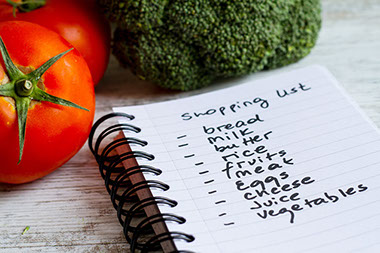
    Shopping list of groceries.

    1. Look at your weekly menu. Make a list of all of the ingredients you will need. Calculate how much you will need for the week. Example:

    *  2 oz. chicken breast x 5 meals = 10 oz. chicken breast

    *  2 cups greens x 3 meals = 6 cups greens

    2. What do you already have? Cross off what you don’t need to buy.

    3. On a fresh piece of paper, make a list of the ingredients you need to buy. Organize by section of the store to save time shopping.

    *  Fresh Fruits & Veggies

    *  Whole Grains (e.g., bread, pasta, rice, cereals), Beans & Lentils

    *  Meat/Poultry/Seafood/Tofu

    *  Misc. Aisles: Canned vegetables and fruits, nuts & seeds, dried fruit, oils

    *  Frozen Fruits & Veggies

    *  Dairy/Eggs

    Family Fun: Have your children help you write the grocery list each week. Practice math skills by adding the amounts you need for each item. Invite children to add a fruit or vegetable of their choice to the list. Have older children select a recipe and add ingredients to your list.

    © American Institute for Preventive Medicine

  • When Support Isn’t Supportive

    Healthylife® Weigh

    Part 4

    Senior couple eating pizza and laughing.

    Not everyone may be happy you are trying to lose weight. What you are eating may not be what they are eating. Or, they may feel attention is being placed on their own unhealthy habits.

    Be careful how many times you bring up your efforts to manage your weight and change your eating habits. Avoid making others feel guilty for their choices. Everyone has their own goals and struggles.

    People may say and do things that make it difficult for you to stick to your plan. There are positive ways to respond to this that won’t leave you feeling stressed or guilty. Stress and guilt make it harder to digest food.

    Which statements or situations below have you heard before (or something like it). Think about how you have responded in the past.

    *  “One piece of chocolate cake won’t hurt you.”

    *  “I made it just for you.”

    *  “What’s the matter? Don’t you like it?”

    *  “I’m really in the mood for pizza. Let’s split one!”

    *  “You’ve been on every diet there is. You’re not going to succeed on this one either.”

    *  Someone puts your favorite high-calorie food right in front of you.

    *  Someone complains when you serve foods that are healthier than they are used to.

    *  Someone asks you to do something during planned physical activity time.

    *  “You look great! You don’t need to change anything you’re doing!”

    © American Institute for Preventive Medicine

  • What’s In A Name?

    Healthylife® Weigh

    Part 2

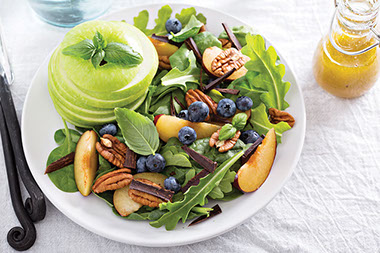
    Colorful salad with green apples, blue berrties, and walnuts.

    What’s for dinner? How you describe food to yourself and others matters. This helps you know what tastes to expect. This also helps you judge the quality of food and whether it will satisfy you. You often find this level of detail and flair in recipes and high-end restaurant menus!

    Here are a few examples:

    *  Green beans: Slender string beans drizzled with olive oil and parmesan

    *  Yogurt and blueberries: Juicy, market-fresh blueberries resting on a pillow of creamy vanilla bean yogurt

    Try it! Write out a menu for yourself that describes your food in a fancy or enticing way. Try this for two vegetables and one fruit. Make and eat one of these this week.

    © American Institute for Preventive Medicine

  • What Values Do You Display?

    Healthylife® Weigh

    Part 1

    Very happy women taking a selfie.

    Imagine you are “sponsored” by your values. These values are displayed on a shirt like a NASCAR® driver has logos painted on a race car. You walk into a store that sells shirts with values written across the front. You try on a shirt that says “Feeling My Best” and stand in front of a mirror. How does it feel to have this value on display for others to see? Does this value fit you? Your values are personal. Don’t pick a value just because you think someone else wants you to be that way.

    Answer the Following Questions:

    *  From the values you identified, which three values are most important to you?

    *  What are you doing now that displays these values?

    *  What do you need to change in order to live these values more often?

    © American Institute for Preventive Medicine

  • What Is My Healthy Weight?

    Healthylife® Weigh

    Part 1

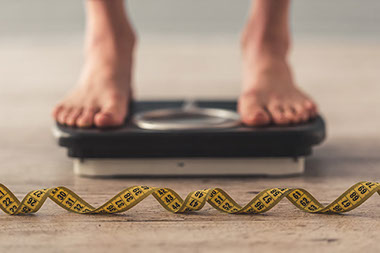
    Person standing on scale, with tape measure in the foreground.

    Ways to Measure Weight

    There are several ways to determine your healthy body weight. While weight is not the only way to determine health, aim to weigh within a healthy range to reduce health risks. Three measures can help determine your weight-related health status:

    1. Body Mass Index (BMI)

    2. Waist Circumference

    3. Risk Factors for Health Problems

    Body Mass Index

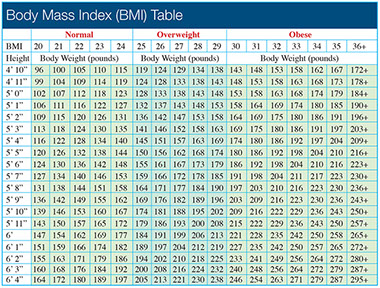
    *  Find your height in the left column under “Height.” Move across to find your weight in the row next to your height.

    *  The number at the top of the column where your height and weight meet is your BMI.

    You can also find your BMI using the BMI calculator atwww.nhlbi.nih.gov/health/educational/lose_wt/BMI/bmicalc.htm.

    Waist Circumference

    Excess abdominal fat puts you at greater risk for heart disease, high blood pressure, and type 2 diabetes than excess fat in the hips and thighs. One way to tell if you have excess abdominal fat is to measure your waist circumference.

    1. Stand relaxed with your feet together (avoid pulling in your stomach).

    2. Waist measurement: Place a measuring tape around your waist near your belly button (men) or the smallest part of your waist (women).

    4. Using a calculator, calculate: Waist measurement ÷ Hip measurement =

    Risk Factors for Health Problems

    You may be putting yourself at higher risk if you have a BMI of 30 or greater. If your BMI is between 25 and 29 and you have two or more risk factors listed below, you may also be at risk.

    © American Institute for Preventive Medicine

  • What Are You Waiting For?

    Healthylife® Weigh

    Part 5

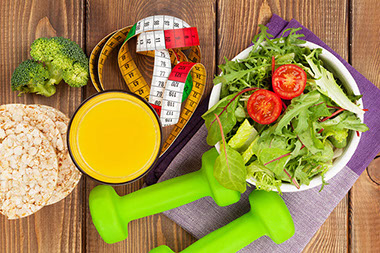
    Healthy salad, fitness weights, and tape measure.

    “I will start eating healthier foods when my spouse decides to also change.”

    This exact scenanio may not apply to you. However, perhaps you are also putting off making a change. Complete each statement with excuses you catch yourself making.

    *  I will start a daily exercise routine when…

    *  I will start eating breakfast when…

    *  I will meet my daily recommendation for vegetables when…

    *  I will drink enough water every day when…

    Reflect. What did you write after “when” in the prompts above? Does “I” come first? Or, does another person or thing?

    © American Institute for Preventive Medicine

  • Weight Management Is A Lifestyle

    Healthylife® Weigh

    Part 1

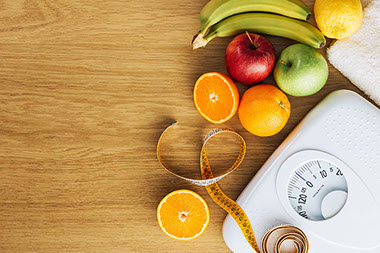
    White scale with fruit.

    Getting to a healthy weight is not a final stop on the train. Make changes to your environment that make sense for you. Choose foods and activities that you like. If you don’t like kale, put that on a list to try another time. The wonderful thing about weight management is that there are SO many ways to be active and SO many healthy foods to choose from.

    Note: Managing weight won’t fix problems in every area of your life. Happiness won’t come with a number on the scale. Relationships won’t suddenly be easier. Your job stressors won’t go away. However, as you face challenges and make changes to your habits, you may find your self-awareness and self-confidence grows. You CAN accomplish things you want and live a life in line with your inner compass. As you learn how to communicate and manage stress better, you may find it easier to navigate challenges in other areas of your life too.

    If you catch yourself saying, “I’ll be happy when I lose 50 lbs,” kick that idea to the curb. Many benefits of managing weight come with the process!

    Tools and strategies across many lifestyle areas will help make weight management seem like a natural part of your daily life.

    *  Cooking skills

    *  Exercise

    *  Meal planning

    *  Communication skills

    *  Quality sleep

    *  Budgeting

    *  Stress management

    *  Time management

    *  Mindfulness

    *  Building social support

    “Beware of destination addiction: the idea that happiness is in the next place, the next job, or even with the next partner. Until you give up the idea that happiness is somewhere else, it will never be where you are.”  – Robert Holden

    © American Institute for Preventive Medicine

  • Weight Loss & Metabolism

    Healthylife® Weigh

    Part 7

    Two women power walking together.

    As you have learned throughout this guide, losing weight can result in many positive changes for your body. One change, however, can make it tougher to maintain weight loss. When you lose weight, the body’s natural reaction is to conserve energy by slowing your metabolism.

    Your metabolism may be slower than before you lost weight.

    *  Your body changes to make it difficult to lose more weight.

    *  Your body changes to make it easier to put on weight.

    Without changing your habits and lifestyle around food and exercise, being overweight can become a chronically relapsing condition. You may feel caught in a cycle of gaining and losing weight repeatedly. This pattern can be very hard on the body and mind.

    You are not doomed to gain weight once you have worked hard to lose it. While a slower metabolism can make it harder, you have built many strengths to make this challenge easier.

    *  Easier to exercise (e.g., less joint pain, improved heart and lung function, more energy)

    *  More muscle tissue (this increases your metabolism)

    *  Enjoy an increased variety of healthy foods

    *  Stronger social support

    *  Kinder view of self and body image

    *  Strengthened values

    © American Institute for Preventive Medicine

  • Visit Farmers Markets

    Healthylife® Weigh

    Part 7

    Woman tending stall at a farmers market and selling fresh vegetables.

    Farmers Markets are available year-round in many parts of the country. Some markets go beyond produce to offer meats, cheeses, bread, nuts, seeds, high quality chocolates, and homemade sweets. This may be a good time to treat yourself while helping your local economy!

    *Get to Know Your Growers.Learn more about how and when the food was produced, how to test for ripeness, how to store, and how to prepare your favorite produce-or a new find!

    *Know Your Seasons.Buying seasonally is better for the environment. Produce is at peak flavor and abundance when in-season. This usually makes it less expensive as well. Learn what fruits and vegetables are in season for where you live.

    *Go Early or Go Late.This can help you avoid crowds. You may also find deals at the end of the day.

    *BYOB-Bring Your Own Bag.Most producers will provide small plastic bags, but bringing your own sturdy bag helps the environment and cuts down on costs for the farmer. If you plan to pick up dairy or meat, bring a cooler or plan on taking your purchase directly home to maintain freshness.

    *Small Bills.Some vendors accept credit card and touchless payment, but many still only accept cash, preferably in small bills.

    *Plan a List but Be Spontaneous!Find a recipe or two and write down what you need to get from the market. But don’t pass up a new food because it’s not on your list! Try something new each time you go.

    *Keep It Simple.Start small. Buy fresh produce you plan to use within a week. Keep preparation and any cooking simple to allow the natural flavors to come through.

    © American Institute for Preventive Medicine