Blog

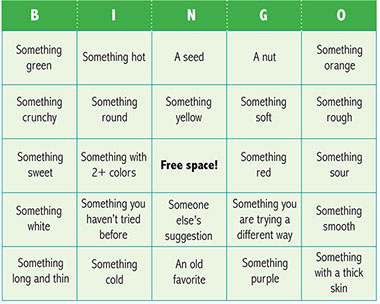
  • Variety Bingo

    Healthylife® Weigh

    Part 2

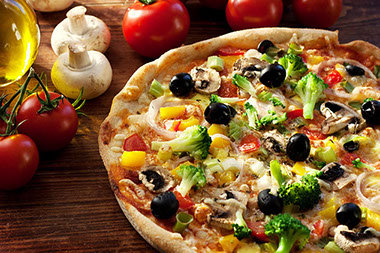
    Veggie pizza.

    This game is perfect for when you are making a salad, looking for pizza toppings, filling an omelet, or scoping out a buffet for healthy choices. Involve kids by having them identify different shapes, colors, textures, tastes, and experiences with their food.

    Game Rules

    1. Write down the options on pieces of paper and place them in a bowl.

    2. Have someone pull the pieces of paper out one at a time. Have them read out loud what’s on the paper.

    3. Have someone cross off the spaces that are read out loud.

    4. When someone gets an entire row, either across, down or diagonal, yell “Bingo!”

    5. Prepare a meal using the ingredients included in the Bingo! row.

    © American Institute for Preventive Medicine

  • Use The L.A.D.D.E.R. Technique

    Healthylife® Weigh

    Part 4

    Group of friends enjoying a meal outdoors.

    This is a step-by-step way to become more assertive.

    L – Look at your needs, wants, rights, and feelings about the situation.

    A – Arrange a meeting that is convenient for you and the other person to talk.

    D – Define the problem clearly to the other person.

    D – Describe your feelings using “I messages.” I message statements let you take charge of your feelings.

    E – Express your needs and desires in an assertive manner using a few clear sentences. Be aware of your eye contact, hand gestures, posture, voice, and facial expression.

    R – Reinforce your remarks by saying what positive outcomes will occur for you and the other person.

    Example:

    L – I wish my partner would stop stocking the pantry with a food I tend to over-eat when it is available.

    A – I’ll plan to talk with him or her after dinner tomorrow.

    D – Tell your partner, “When cookies are in the pantry, it is hard for me to have just one. I appreciate the treat, but this makes it harder for me to stick with my goal.”

    D – “I feel I could stick with my goals with your help.”

    E – “Let’s keep cookies off the grocery list. I am starting to enjoy fruit as a sweet treat. Let’s get that instead! Also, a hug would be a wonderful treat from you!”

    R – “This change would help me to reach my goal. As I lose weight, I am able to do more physical activity comfortably. Let’s plan a hike together this weekend!”

    © American Institute for Preventive Medicine

  • Use Social Media For Support

    Healthylife® Weigh

    Part 4

    People using social media.

    Today’s social world goes beyond the people you see on a daily basis. From Facebook to Twitter, Instagram to Snapchat, social media may be a big part of your life. Perhaps you follow friends, family, sports and entertainment personalities, or online groups and message boards.

    Social media can be a powerful, positive part of your healthy lifestyle change. What you read, see, and hear can affect your mood, knowledge, what you think is normal, and how you feel about yourself. It can also be negative and make it harder for you to reach your goals.

    Positive ways to use social media:

    *  Follow friends, nutritionists, and food bloggers who promote positive, healthy body and mind messages.

    *  Un-follow or block individuals who tend to post negative comments or who engage in arguments on social media.

    *  Share what inspires and motivates you on social media.

    *  Instead of reading or listening to short clips of news, read more investigative and thorough articles that make you think. Use this as food for thought on your next walk or in a discussion.

    *  Explore websites that bring people who share a common interest together. Join an outdoor adventure club or social group on MeetUp! (www.meetup.com).

    *  Support your friends and family who you see working to make changes in their lives, whether in health or another area of life.

    *  Follow friends, bloggers, or magazines that share ideas for meals, snacks, or workouts.

    *  Share what challenges you face and ask for support from friends & family.

    *  Share your goals to improve accountability.

    *  Note how much time you spend on social media sites. Could this time be spent planning a grocery list, going for a quick walk, or getting to bed earlier?

    Follow & Subscribe

    Tune into positive influencers on social media. Subscribe to recipe-packed magazines and blogs. Find new information, colorful ideas, and inspiring people to help you stay motivated and find social support.

    Magazines (and corresponding websites):

    *  Clean Eating (www.cleaneating.com)

    *  Eating Well (www.eatingwell.com)

    *  Cooking Light (www.cookinglight.com)

    *  Vegetarian Times (even if you’re not a vegetarian, this magazine provides great plant-based meal and snack ideas!)(www.vegetariantimes.com)

    *  Experience Life (www.experiencelifemag.com)

    Blogs & Social Media Accounts

    Pinterest (www.pinterest.com) – Think of Pinterest as a picture-book guide to meal plans, recipes, printables, workout ideas, and inspiration. This site offers much more than tips for healthy eating, but here are some search terms to get you started: “clean eating” “healthy recipes” “healthy (food item, like stir fry or quiche)” or “easy workouts.”

    @SproutedKitchen (Twitter, Instagram) andwww.sproutedkitchen.com– Whole foods inspiration and recipes

    @Veggieful (Twitter, Instragam)- Ideas for incorporating more fiber-rich, plant-based foods into your diet

    @Skinnytaste (Twitter, Instagram) andwww.skinnytaste.com– A healthy take on many easy, familiar recipes

    Content and advertising in these publications and websites may or may not reflect the opinion of the American Institute for Preventive Medicine or that of its Medical Review Board.

    Filter Your Social Media

    *  Who or what do I want to start following?

    *  Who or what do I need to stop following?

    *  How can I reduce the time I spend on social media?

    Comparing Yourself to Others

    Avoid physical comparisons with others. You will never look exactly like someone else. Instead, look at the qualities you admire in others.

    *  Who is someone I admire? What values does this person show by their actions? Underline the values you want to have yourself (e.g., sense of adventure).

    *  What actions can I take to start living one of those values?
    © American Institute for Preventive Medicine

  • Use Food Labels

    Healthylife® Weigh

    Part 3

    Smiling woman shopping in supermarket and reading food label.

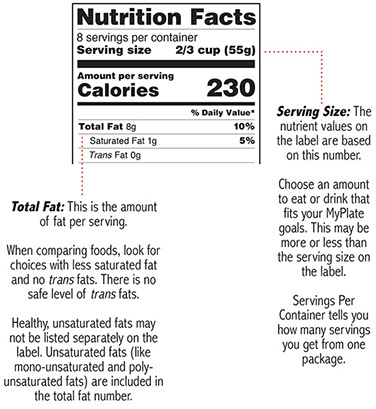
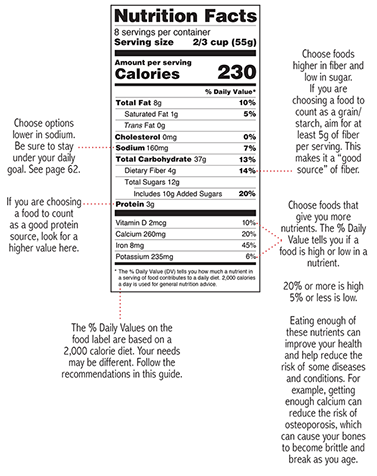
    Information on food labels can help you choose healthy foods and drinks and avoid less healthy options. Some of the healthiest foods, like fruits and vegetables, don’t have a label at all! Practice reading food labels with the foods you have at home or the next time you grocery shop.

    Chart breaking down how to read a food label.

    What seems “normal” as a portion is influenced by what you have eaten in the past, what you see others eat, what you have been served at a restaurant, and what is on a food label. Part of adopting a balanced diet may be creating a new “normal” for yourself that is pleasing, filling, AND the right amount for your body.

    Chart breaking down how to read a food label.

    © American Institute for Preventive Medicine

  • Types Of Physical Activity

    Healthylife® Weigh

    Part 5

    Group of people doing power exercise at fitness studio.

    All exercise helps with stress management, heart health, and weight management. The more intense the activity, the more calories you burn.

    Combine different forms of physical activity to get the most benefit. This guide breaks physical activity into three categories:

    1. Cardio Training

    2. Resistance Training

    3. Stretching & Rehabilitation

    © American Institute for Preventive Medicine

  • Track Your Daily Food Intake And Physical Activity

    Healthylife® Weigh

    Part 1

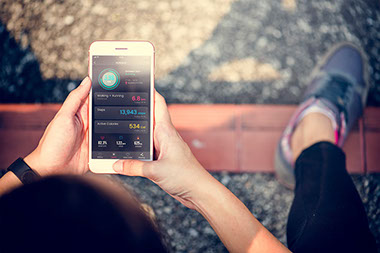
    Person using digital device to track fitness and calories.

    Use theHealthyLife® Weigh Eating & Exercise Tracker™throughout this program. It will help you monitor and better understand your habits.

    Before making changes to your eating and exercise habits, complete the Eating & Exercise Tracker™ for one week (7 days). Do the activities in Part 1 during this week while you are tracking your eating and exercise.

    Tracking Tips

    *  Log every day. This will keep your efforts at the front of your mind.

    *  Log before or after you eat. Logging before you eat can help you plan. This guide will talk more about meal planning in Part 3.

    *  Be honest with your portions and the extras you add to your food (e.g., sauces, dressings, cheese).

    *  Reflect on your mood and energy throughout the day. What you eat and drink can affect how you feel. And, how you feel can affect what you eat and drink.

    The first step towards getting somewhere is to decide that you are not going to stay where you are.  – Author Unknown

    © American Institute for Preventive Medicine

  • Tips For Rational Thinking

    Healthylife® Weigh

    Part 4

    Concept of women thinking with drawing of lightbulbs.

    Use these tips to decide if an alternate thought is helpful for problem-solving. You can allow your thoughts and actions to cause anxiety. Or, you can view them as part of everyday life choices that you can manage.

    1. Ask: Is your thought based on facts?

    2. Identify what you are trying to do. Know your purpose.

    3. Consider many different outcomes and their effects.

    4. View the situation from many perspectives.

    5. Don’t assume a situation will have the same outcome as it did in the past.

    6. Have good evidence for a generalization before you make it.

    7. Avoid assuming one event caused another just because they happened at the same time.

    © American Institute for Preventive Medicine

  • Tips For Myplate

    Healthylife® Weigh

    Part 2

    Middle aged man in kitchen about to prepare food.

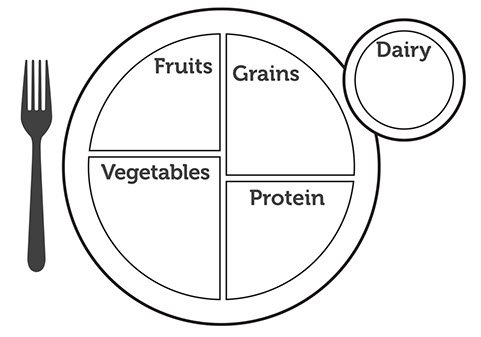
    This activity will go through each part of MyPlate.

    *  Learn how eating certain foods can help your body, energy level, and mood. Learn new ways to prepare foods.

    *  Enjoy foods that taste good to you. Eat new things that you want to try. Avoid eating foods just because you think you “should” eat them. Explore different ways to prepare and eat foods. Celebrate cultural traditions and foods that are special to you.

    *  Allow some room in your diet for less nutritious foods. Make this a small part of your diet. If you have too many less nutritious foods, it will be more difficult to manage weight.

    The chart on “Plan a Balanced Day” gives a whole day’s servings of different food groups. Write amounts from these groups from the plan you selected. Write them on a blank plate. Remember, these are totals for the day.

    © American Institute for Preventive Medicine

  • Tips For Healthy Celebration

    Healthylife® Weigh

    Part 6

    Thanksgiving dinner and family eating at table.

    Happy times may also be triggers for overeating or making less healthy food choices. Holidays and other special occasions may also make it harder to fit in physical activity.

    Items that trip you up during a celebration:

    *  Drinks: soda, alcoholic beverages

    *  Foods: desserts, large helpings of “comfort foods”

    *  Gifts of candy, cookies, etc.

    *  Too many things to do and less time to prepare healthy meals

    *  Workplace parties and cookie exchanges

    *  More travel or a change of routine

    *  Events centered around large meals, or appetizers

    *  All-you-can-eat buffets on cruise ships or at resorts

    Approaches to Celebration

    There are many ways you can approach a celebration.

    1. Make choices that fit with your healthy eating goals. Choose this option most of the time.

    2. Make mostly healthy choices, but choose small treat foods. Choose small portions of these treats and eat them mindfully.

    3. Eat without restriction. Eat and drink what you would like without feeling guilty for choosing less healthy foods. Choose this option rarely and plan to make healthy choices the next day.

    If you have been making healthy choices for a while, you may notice your body’s negative response to certain unhealthy foods. Foods high in saturated fat seem to sit in your stomach longer and make you feel uncomfortable. Meals low in fiber may leave you constipated. Artificial sugars may give you a headache. Pay attention to this difference. It can help you choose less of these foods in the future.

    © American Institute for Preventive Medicine

  • The Power Of A Phrase

    Healthylife® Weigh

    Part 4

    Mother and adult daughter having coffee together.

    Fill in the blank after the victim phrase with something you have caught yourself saying or feeling. In the third column, use an accountability phrase to re-write this statement.

    Victim Phrase

    *  I can’t…

    *  It’s useless…

    *  I have to…

    *  Why am I always the one who…

    *  I should…

    Drained Feeling

    *  Defeated

    *  Hopeless

    *  Obligated

    *  Burdened

    *  Guilt

    Accountability

    *  I can…

    *  There’s always a chance…

    *  I choose to…

    *  I’ll be the one who…

    *  I want to…

    In Control Feeling

    *  Confident

    *  Hopeful

    *  Decisive

    *  Secure

    *  Power

    © American Institute for Preventive Medicine