Blog

  • Take Responsibility For Change

    Healthylife® Weigh

    Part 5

    Determined female jogging along road in the rain.

    Recognize your role in making changes. Other factors may have a role in your ability to do something. However, name something that IS in your power to change. Take control of your goals. Don’t wait for someone else to do it for you.

    Depending on someone or something else for change:

    *  I will meet my daily recommendation for vegetables when my kids start liking them more at meals.

    *  I will start a daily exercise routine when summer and warmer temperatures arrive.

    *  I will drink enough water every day when my office fixes the drinking fountain.

    Actively taking responsibility for change:

    *  I will meet my daily recommendation for vegetables when I swap my afternoon crackers for carrots and try a new vegetable at dinner each week.

    *  I will start a daily exercise routine when I set my alarm for an hour earlier and go for a brisk stroll in the morning before work.

    *  I will drink enough water every day when I fill up my water bottle one more time each day.

    Find a statement you wrote that doesn’t start with “I.” Re-write this statement to name something within your control.

    If you wait for perfect conditions, you’ll never get anything done.

    © American Institute for Preventive Medicine

  • Tackle Limitations

    Healthylife® Weigh

    Part 5

    Couple enjoying a bike ride.

    Think of getting started like riding a bike. You feel the most resistance when you are stopped and trying to start pedaling. Once you get going, the going gets easier. What is stopping you from getting started? Which of the following apply:

    *  Mental Concerns (fears, doubt, low motivation)

    *  Lack of Skills/Knowledge

    *  Equipment/Physical Needs

    *  Other (time, people, etc.)

    © American Institute for Preventive Medicine

  • Sweet Sips, A Healthier Way!

    Healthylife® Weigh

    Part 3

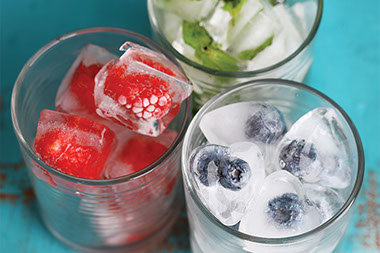
    Glasses of water with ice cubes that have berries frozen in them.

    Sugar-sweetened beverages can be a major source of added sugar. Cut back or eliminate these beverages from your everyday lifestyle. Save pop or soda for a once-in-a-while treat. As you reduce sugar in your diet, especially artificial sweeteners, you may find these drinks are too sweet for your new tastes!

    Make your own flavored water

    You can consume flavored beverages without added sugars AND get a few extra nutrients along the way! You will need:

    *  1-quart jars or a large pitcher

    *  Water

    *  Wooden spoon (or another long, sturdy spoon)

    Fruit and/or Fresh Herbs:

    You can start with just one cut-up fruit, but for a flavored water that will really pop, try combining at least two fruits or a fruit and an herb. Here are a few suggestions, but don’t be afraid to try your own combinations! For a single-serving, use less. For a whole pitcher, use more!

    Pineapple, Orange, & Ginger

    *  ½ cup cubed pineapple

    *  ½ an orange, sliced

    *  1 Tbsp. freshly-grated ginger

    Minty Cucumber Lime

    *  ½ a cucumber, sliced

    *  ½ a lime, sliced

    *  ¼ cup fresh mint leaves

    Orange and Blueberry

    *  1 Mandarin orange, broken into wedges

    *  Small handful of blueberries

    Strawberry, Lemon, & Basil

    *  ½ cup sliced strawberries

    *  ½ a lemon, sliced

    *  ¼ cup fresh basil leaves

    Watermelon Mint

    *  1 cup cubed watermelon

    *  ¼ cup fresh mint leaves

    Rosemary & Grapefruit

    *  ½ grapefruit (or ¼ grapefruit & ¼ orange)

    *  A few sprigs of rosemary

    Citrus with Cilantro or Mint

    *  2 large oranges, sliced

    *  1 lemon, sliced

    *  ½ large cucumber, sliced

    *  1 handful of fresh mint or cilantro

    Time to Build!

    1. Place the fruit, herbs, and any other ingredients in the bottom of a glass jar or pitcher. Or, using a wooden spoon, mash the ingredients to bring out the flavor. You can also scrunch the herbs in your hands before adding them to the jar. This helps bring out the flavor.

    2. Fill the jars with water and ice as desired. You can also add unsweetened carbonated/seltzer water if you are craving fizzy bubbles!

    3. The flavor will be more enhanced after the water sits for an hour. Or, refrigerate the water overnight. If you want to drink it right away, squeeze the fruit a little before you drop it in to help bring out the flavors faster.

    Other Sweet Beverage Ideas:

    Freeze ice cubes with fruit. Drop a few cubes of different colored fruits into a tall glass of cold water.

    Blend whole fruits in a smoothie with spinach, kale or other de-stemmed, leafy green vegetables.

    Diet or regular soda? Limit both.

    Most diet sodas contain artificial sweeteners. Studies have shown drinking diet soda is not any better at helping you manage your weight. Gradually cut back on soda.

    Even if you add a teaspoon of sugar to your coffee, this 4g of sugar is far less than the sugar found in the average soda. The average soda contains 39g of sugar in a 12-ounce can. In a 16-ounce bottle, a soda may contain 52g of sugar.

    © American Institute for Preventive Medicine

  • Survey Your Starting Point

    Healthylife® Weigh

    Part 1

    Man smiling.

    Complete the survey below by tracking it in your journal or using the “Print on Demand”. This survey looks at the “big picture” – your overall goals, current habits, strengths, weaknesses, support system, and other factors that influence behavior. Each question has a purpose. Complete all sections. This is one of many opportunities in this guide for self-discovery and reflection.

    Be honest with yourself. If you are working with a coach, answers to these questions may help your coach tailor the program to your needs. If you are using HealthyLife® Weigh on your own, the prompts throughout the guide will help you “coach” yourself!

    My Current Habits Survey

    Today’s Date:

    My Height:

    My Current Weight:

    Have you been told to lose weight for health reasons?

    Which medical conditions that apply to you:

    *   Diabetes

    *   Prediabetes

    *   High blood pressure

    *   High cholesterol

    *   Heart disease

    *   Heart attack

    *   Stroke

    *   Cancer

    *   Chronic back pain

    *   Arthritis

    *   Asthma

    *   Sleep apnea

    REMEMBER:The guidelines in HealthyLife® Weigh do not take the place of medical advice. If you are managing a chronic health condition or taking medication, it is important to let your doctor know of any changes you are making to your diet and exercise habits.

    Indicate how strongly you agree or disagree with the following statements. If how you feel varies, select how you feel on most days.

    *  My current weight puts me at higher risk for health problems.

    *  I know the benefits of a well-balanced diet.

    *  I know the benefits of making regular physical exercise a part of my daily lifestyle.

    *  I am confident in my ability to reach my physical activity goals.

    *  I am confident in my ability to improve my eating habits.

    *  I eat for emotional reasons (stress, boredom, joy, etc.) several times a week.

    *  Making changes to my health is a priority for me.

    *  Choices I make daily affect my health risks in the future.

    *  I am confident in my ability to improve how I manage stress.

    *  I have control over the direction my life is taking.

    *  It is not wise to plan too far ahead because many things turn out to be a matter of luck anyway.

    *  When I make plans or set goals, I am almost certain that I can make them work and achieve my goals.

    Identify the habits you have already adopted, those you are in the process of changing, and those you do not intend to change right now.

    *  Exercise five times per week for 30 minutes at a moderate intensity.*

    *  Take the stairs or park a little farther away.

    *  Eat five servings of fruits & vegetables daily.**

    *  Choose foods high in fiber (such as whole grains, oatmeal, beans, & lentils).

    *  Limit added sugars to fewer than 25 grams (6 tsp.) per day.

    *  Keep healthy food options in my kitchen and limit unhealthy options.

    *  Choose restaurants that offer healthy menu options.

    *  Moderate intensity exercise includes brisk walking, active gardening/yard work, or any  activity that raises your heart rate.

    **A serving of fruits and vegetables equals one small piece of fruit (about the size of a baseball), ½ cup cooked vegetables, or 1 cup of raw vegetables.

    Which cooking skills you feel confident doing:

    *  Cooking on the stove

    *  Cooking in the microwave

    *  Cooking in the oven

    *  Chopping vegetables

    *  Boiling water

    *  Opening a can

    *  Using the toaster

    *  Using a blender

    *  Using measuring utensils

    *  Following a recipe

    *  Using a food scale

    *  Using a toaster oven

    *  Cooking on the grill

    *  Freezing leftovers

    *  Modifying a recipe

    What cooking skills do you want to learn or improve? This guide gives some tips to prepare foods. For more recipes, tips, and demonstrations, consider taking a cooking class, watch videos online, or watch cooking shows on TV.

    What are your favorite ways to prepare food? In this guide, you will learn healthy ways to prepare foods. You don’t have to completely change how you like to prepare food. Often, a small step can make a big difference-and be just as convenient!

    © American Institute for Preventive Medicine

  • Supplements

    Healthylife® Weigh

    Part 7

    Doctor and patient talking.

    The term “dietary supplement” can be used for anything that you take orally to enhance your usual food intake. Dietary supplements include vitamins, minerals, amino acids, protein powders, and herbal products. Supplements do not have to be approved by the FDA.

    Reasons to Take a Supplement:

    *  Females who are pregnant or breastfeeding need more iron, folic acid, and calcium.

    *  Females with excessive menstrual bleeding may need to take an iron supplement.

    *  Some vegetarians may not get enough calcium, iron, zinc, and vitamin B12.

    *  Older adults and people with little exposure to sunlight may need a vitamin D supplement.

    *  People with certain disorders or diseases and people who take some medications may need a supplement. For example, people with high blood pressure who take a water pill may need to take a potassium supplement.

    Ask your doctor if you need any vitamin and/or mineral supplement due to a medical condition or any medication(s) you take. Supplements can interact with food and other medications.

    HealthyLife® Weigh Guidelines:

    1. Healthy adults and children can get the nutrients they need by choosing a variety of foods rather than taking supplements. This reduces the risk of deficiencies, as well as excesses.

    a. Do not take supplements that contain more than 10 times the Recommended Daily Intake (RDI) for a nutrient, particularly fat soluble vitamins (A, D, E, and K). The mineral selenium can also be harmful if taken in large amounts.

    b. The maximum value of vitamins is in food rather than supplements. It’s much better to get your vitamins and minerals from food rather than from pills. Unlike supplements, fruits, vegetables, and grains have dietary fiber that is beneficial, promotes regularity, and aids in the prevention of disease.

    2. Some supplement ingredients can be seriously harmful. Examples include high potency doses of some vitamins, such as niacin, amino acids (e.g., L-tryptophan) and herbs (e.g., chaparral, comfrey, and germander).

    3. Supplements may not be pure. If you have allergies, be sure to follow recommendations from your doctor or allergist before taking a supplement.

    Bottom Line: You should eat healthy foods to get needed nutrients. Consult your doctor or registered dietitian if you think taking vitamin/mineral supplements could benefit you.

    Resources for Supplement Information:

    Center for Food Safety and Applied Nutrition

    www.fda.gov/about-fda/fda-organization/center-food-safety-and-applied-nutrition-cfsan

    Food and Nutrition Information Center

    www.nal.usda.gov/fnic

    National Center for Complementary and Integrative Health (NCCIH)

    www.nccih.nih.gov

    National Institute of Health: Office of Dietary Supplements

    https://ods.od.nih.gov

    © American Institute for Preventive Medicine

  • Suggestions For Meals & Snacks

    Healthylife® Weigh

    Menus & Recipes

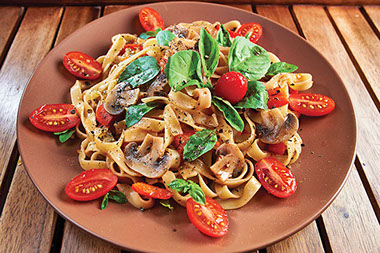
    Healthy meal with noodles and fresh vegetables.

    Breakfast basics

    Choose foods high in protein and nutrient-dense carbohydrates, such as whole grains, low-fat dairy and whole fruit. This could include re-heating leftovers.

    Adding more vegetables

    *  Add an extra cup of chopped veggies into your favorite omelet, soup, casserole, or whole grain pasta or brown rice dish.

    *  Add slices of cucumber, peppers, or onions to a sandwich.

    *  Add veggies as a filling in a burrito or quesadilla. Top a pizza with veggies.

    *  Shred carrots, zucchini, or an apple into muffins or other baked goods.

    *  Use fruits and vegetables, such as unsweetened apple sauce or avocado to replace some of the saturated fat and sugar in a recipe.

    *  Blend greens into a smoothie.

    *  Grill vegetable kabobs, such as tomatoes, green peppers, and mushrooms.

    Adding more fruits

    *  Fruit makes a great to-go snack. Pack a banana, apple or grapes, or any kind of dried fruit.

    *  Add crushed pineapple to coleslaw.

    *  Add fruit to your salad, such as dried cranberries, raisins, or chopped apple.

    *  Make fruit the center of dessert, such as cut-up or whole berries, chunks of citrus fruit, or sliced bananas.

    Meal ideas

    Focus on entrees with less meat, more vegetables and more whole grains.

    *  Pasta or rice with lean ground turkey or garbanzo beans, variety of chopped veggies and tomato sauce.

    *  Large salad with greens, chopped vegetables, lean meat or seafood, and legumes (e.g. garbanzo or kidney). Top with an oil and vinegar dressing.

    *  Stir-fry with 3-4 kinds of sliced vegetables, chicken breast or extra firm tofu, and brown rice or whole grain couscous. Season with garlic, ginger and low-sodium soy sauce.

    *  Soup with beans or lentils, chopped vegetables, and instant barley.

    Snack ideas

    *  Peanut butter + apple slices, celery sticks, or whole grain crackers

    *  Hummus + sliced veggies (carrots, cucumber, string beans)

    *  String cheese and whole grain crackers or fruit

    *  Homemade granola bars

    *  Homemade trail mix with whole grain cereal, seeds, nuts and dried fruit

    *  Plain yogurt with sliced fruit or berries

    *  Whole grain cereal with low-fat milk

    *  Homemade smoothie with whole fruit and plain yogurt

    © American Institute for Preventive Medicine

  • Stretching And Rehabilitation

    Healthylife® Weigh

    Part 5

    Smiling women stretching.

    These exercises make your body more flexible. This helps you prevent injury during exercise and everyday activities. Stretching can also help you relax and is a tool for stress management. Tips:

    *  Stretch all muscle groups. Induce mild tension (not pain or burn) for 10 to 30 seconds.

    *  Don’t bounce while stretching. Make movements slow and controlled.

    *  Breathe slowly. Inhale while stretch is released. Exhale when moving into the stretch.

    *  Stretch after each cardio or resistance training workout.

    *  Stretch as a stand-alone workout or as a way to wind down at the end of the day.

    Examples of Stretching Exercises:

    Shoulder Shrug: Shrug your shoulders up toward your head. Then lower them. Repeat 4 times. Slowly circle your shoulders forward 8 times and then backward 8 times.

    Hamstring Stretch: Sit on the floor with your right leg straight. Bend your left leg and touch your foot against your straight leg. Stretch forward to touch the toes of your right foot. Hold for 4 counts. Then do this on the other side.

    © American Institute for Preventive Medicine

  • Stages Of Change

    Healthylife® Weigh

    Part 1

    Man expressing his success to lose weight.

    This guide does not assume you are ready to change. Or, you may be ready to make certain changes but not others. Other changes you may not have even thought of yet! The tools and strategies in this guide are designed to help you move forward through the stages of change. Using the diagram below, consider which stage you are at.

    1. Not Ready

    *  Unaware or in denial about behavior – “No, not me!”

    *  Unsure about changing

    2. Maybe

    *  Aware of problem

    *  Not quite ready

    *  Weighing pros and cons of change

    3. Yes, Let’s Go!

    *  Forming a plan

    *  Addressing strengths and barriers

    *  Set to take action

    4. Go! Doing It

    *  Putting the plan into action

    *  Bringing champions on board

    5. Keep it Going

    *  Change becomes part of habits

    *  Reflecting on change

    *  Facing challenges to new habit

    © American Institute for Preventive Medicine

  • Sporting Events And Concerts

    Healthylife® Weigh

    Part 3

    Couple enjoying snacks at an outdoor event.

    Food courts and concession stands usually have very limited menus. Stadiums or arenas may not allow you to bring your own food or drink into the venue. Here are some tips to help you stick to your healthy goals:

    *  Eat before you go.

    *  Order water.

    *  Follow the fast food guidelines.

    *  Split a meal or snack with a friend.

    *  Choose treats wisely.

    *  Limit alcohol.

    What to do when no healthy choices are available:

    1. If you are hungry, eat something small. It may not be the healthiest choice, but it is important to listen to your body’s physical hunger cues.

    2. Drink water.

    3. Chew on sugar-free gum with xylitol.

    4. Make your next meal or snack a healthy one.

    5. Plan ways to make healthy choices for future events. If possible, eat a meal or have a healthy snack before the event. Plan to limit how much you will eat of items sold at the event.

    © American Institute for Preventive Medicine

  • Sodium In Packaged Foods

    Healthylife® Weigh

    Part 3

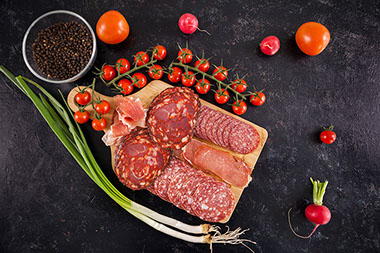
    Deli meat on cutting board with fresh tomatoes and green onions.

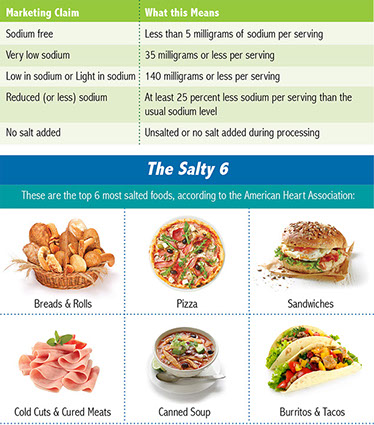
    Many packaged foods have sodium added. Use the food label to compare sodium content between products. Choose options lower in sodium. This chart shows what different sodium-related marketing claims mean.

    Chart of marketing claims and what they mean. And, the salty 6.

    For restaurant items, check the posted nutrition facts or go to the restaurant’s website. Learn more about making healthy choices while eating out and on the go inPart 4of this online guide.

    © American Institute for Preventive Medicine