Blog

  • Power Of Perception

    Healthylife® Weigh

    Part 2
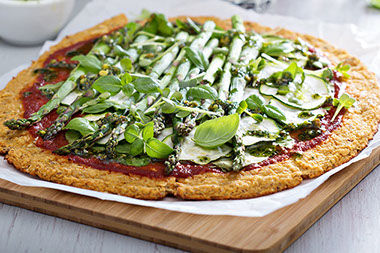
    Cauliflower pizza with spinach, zucchini and asparagus.

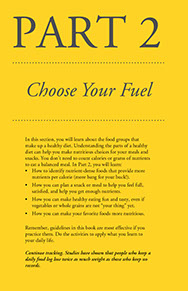
    Which words/phrases do you associate with vegetables?

    *  Green

    *  Filling

    *  Necessary evil

    *  Fiber

    *  Broccoli

    *  Minerals

    *  Boring

    *  Variety

    *  Hydrating

    *  Vitamins

    *  Colorful

    *  Fresh

    *  Salad

    *  Do I have to?

    *  Exciting

    *  Nourishing

    *  Canned

    *  Soggy

    *  Crisp

    *  French fries

    Having a positive attitude toward a food may help you be more willing to try it and include it in your diet.

    *  Look back at the words listed above. How do you think your current attitude toward vegetables influences your food choices?

    *  After learning about vegetables, how do you feel your attitude toward vegetables has changed?

    *  What is one new way you want to eat a vegetable this week?
    © American Institute for Preventive Medicine
  • Plan Your Week 2

    Healthylife® Weigh

    Menus & Recipes

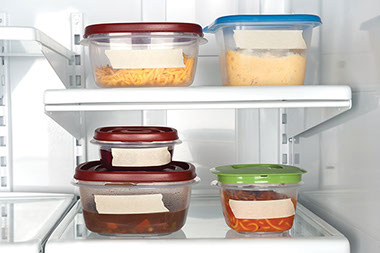
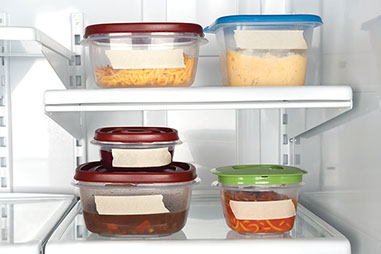
    Leftovers in the refrigerator.

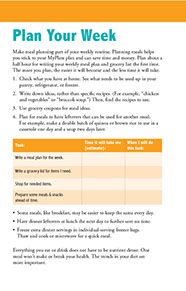
    Make meal planning part of your weekly routine. Planning meals helps you stick to your MyPlate plan and can save time and money. Plan about a half hour for writing your weekly meal plan and grocery list the first time. The more you plan, the easier it will become and the less time it will take.

    1. Check what you have at home. See what needs to be used up in your pantry, refrigerator, or freezer.

    2. Write down ideas, rather than specific recipes. (For example, “chicken and vegetables” or “broccoli soup.”) Then, find the recipes to use.

    3. Use grocery coupons for meal ideas.

    4. Plan for meals to have leftovers that can be used for another meal. For example, make a double batch of quinoa or brown rice to use in a casserole one day and a soup two days later.

    *  Some meals, like breakfast, may be easier to keep the same every day.

    *  Have dinner leftovers at lunch the next day to further save on time.

    *  Freeze extra dinner servings in individual-serving freezer bags. Thaw and cook or microwave for a quick meal.

    Everything you eat or drink does not have to be nutrient dense. One meal won’t make or break your health. The trends in your diet are more important.

    © American Institute for Preventive Medicine
  • Plan Your Week

    Healthylife® Weigh

    Part 3

    Leftovers in the refrigerator.

    Plan about a half hour for writing your weekly meal plan and grocery list the first time. The more you plan, the easier it will become and the less time it will take.

    1. Check what you have at home. See what needs to be used up in your pantry, refrigerator, or freezer.

    2. Write down ideas, rather than specific recipes. (For example, “chicken and vegetables” or “broccoli soup.”) Find recipes after you have finished your plan. Some meals, like breakfast, may be easier to keep the same every day.

    3. Plan for meals to have leftovers. Plan to make extra food items that can be used for another meal. For example, make a double batch of quinoa to use in a casserole one day and a soup two days later.

    *  Have dinner leftovers at lunch the next day to further save on time.

    *  Freeze extra dinner servings in individual-serving freezer bags. Thaw and cook or microwave for a quick meal.

    © American Institute for Preventive Medicine
  • Plan Time To Plan Meals

    Healthylife® Weigh

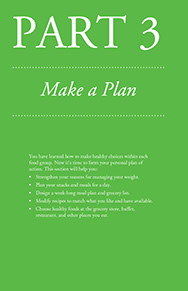
    Part 3

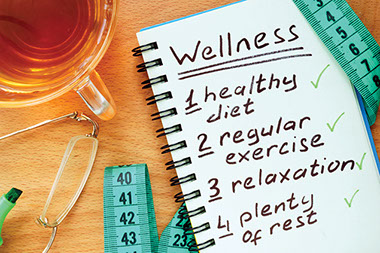
    Notebook with wellness checklist, including diet, fitness and rest.

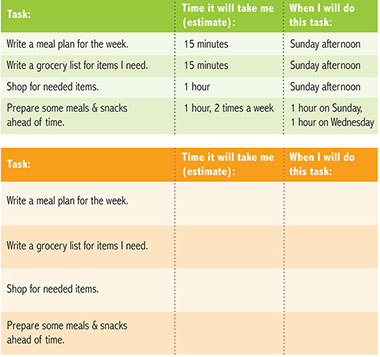
    Make planning your food part of your weekly routine, like going to work or doing laundry. Planning meals helps you select and eat foods in your MyPlate plan, as well as save time and money.

    Having variety is important over time, but it can help to have the same breakfast each day, plan a similar snack, or prepare a dish that covers several meals. You will need time to:

    Look at the Big Picture

    As you get ready to plan your meals, look at the big picture of your wellness goals. Your lifestyle change is about more than just food! Set a non-food goal that will help you take another step toward living a healthy lifestyle. Use this page to pick an idea for the week or write a new idea.

    Make healthy living something you enjoy.

    *  Walk a new trail or part of my neighborhood.

    *  Volunteer at a local food bank to give back and help others eat well.

    *  Find a positive person to follow on social media.

    *  Give a friend or family member a call.

    © American Institute for Preventive Medicine
  • Plan Problem-Solving

    Healthylife® Weigh

    Part 6

    Problem, think, idea, solution diagram.

    Your worries and concerns take up time in your day. Many issues cannot simply be ignored or brushed aside. To avoid letting these thoughts trigger unhealthy eating habits, plan time to address them.

    Steps to Address Your Worries

    1. Write a worry at the top of a piece of paper.

    2. Divide the paper into three columns:

    a. What I can’t do. Recognize what is out of your control.

    b. What I can do. List possible actions that are within your control. Write things you know how to do and that are realistic actions for you to take.

    c. What I will do. Decide which action you are ready to take first. This action may not solve every part of the problem, but is a small step toward a solution. Write when you will do this.

    Mind Dump

    Use this tool when you feel you have too many thoughts to juggle and aren’t sure where to start. Use small pieces of paper or index cards to “mind dump” thoughts that come to mind. Write down concerns, ideas, and things you need to remember. Pull one card and use the steps above to address this worry. Don’t pull another card until you are satisfied with your plan to deal with the first worry.

    © American Institute for Preventive Medicine
  • Plan Physical Activity

    Healthylife® Weigh

    Part 5

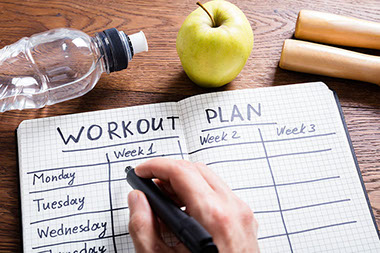
    Workout plan in notebook.

    *  What do you want to do?

    *  Are you doing this alone? Or, who will you do it with?

    *  Where and when will you do this?

    *  What do you need to wear? What do you need to bring?

    *  Write down your specific goals for this workout. If planning a HIIT or resistance training session, write down each part of your exercise plan. Bring this with you when you exercise.

    –  Warm-Up:

    –  Main Activity:

    –  Cool-Down/Stretching:

    © American Institute for Preventive Medicine
  • Plan Myplate 2

    Healthylife® Weigh

    Part 3

    Woman reading shopping list, next to her on the kitchen counter is a burlap sac with a variety of fruits.

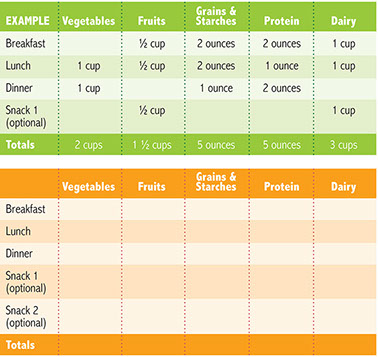
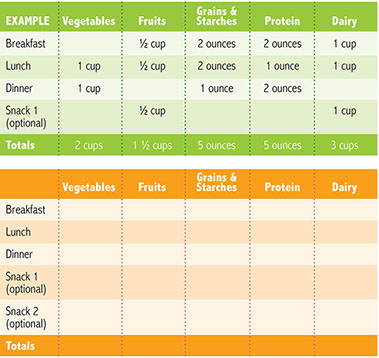
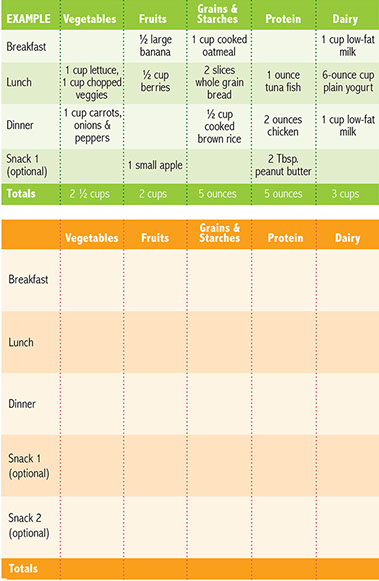
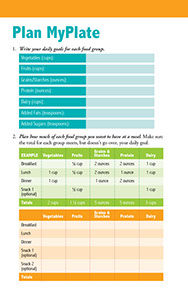
    1. Write your daily goals for each food group.

    *  Vegetables (cups)

    *  Fruits (cups)

    *  Grains/Starches (ounces)

    *  Protein (ounces)

    *  Dairy (cups)

    2. Plan how much of each food group you want to have at a meal. Make sure the total for each group meets, but doesn’t go over, your daily goal.

    3. Select foods for each meal or snack. Refer to what counts as an ounce or a cup for each food group. Choose foods that you like to eat and that are convenient for you.

    © American Institute for Preventive Medicine

  • Plan Myplate

    Healthylife® Weigh

    Menus & Recipes

    Woman reading shopping list, next to her on the kitchen counter is a burlap sac with a variety of fruits.

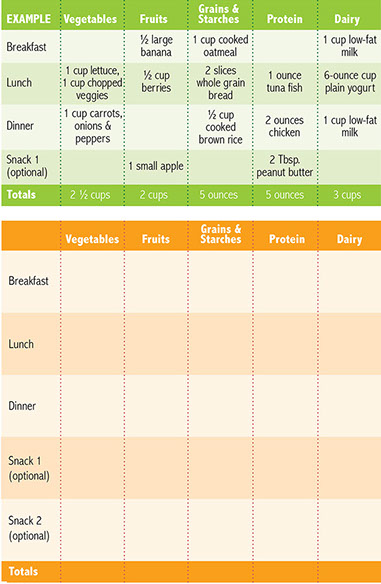
    1. Write your daily goals for each food group.

    *  Vegetables (cups)

    *  Fruits (cups)

    *  Grains/Starches (ounces)

    *  Protein (ounces)

    *  Dairy (cups)

    2. Plan how much of each food group you want to have at a meal. Make sure the total for each group meets, but doesn’t go over, your daily goal.

    3. Select foods for each meal or snack. Refer to what counts as an ounce or a cup for each food group. Choose foods that you like to eat and that are convenient for you.

    © American Institute for Preventive Medicine
  • Plan A Balanced Day 2

    Healthylife® Weigh

    Menus & Recipes

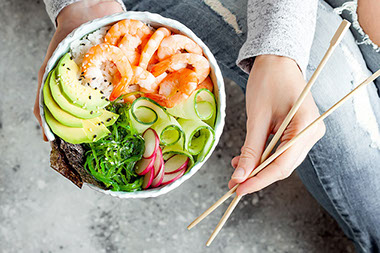
    Person holding a shrimp bowl with seaweed, avocado, cucumber, radish, sesame seeds.

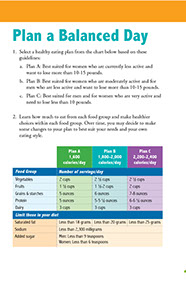
    1. Select a healthy eating plan from the chart below based on these guidelines:

    a. Plan A: Best suited for women who are currently less active and want to lose more than 10-15 pounds.

    b. Plan B: Best suited for women who are moderately active and for men who are less active and want to lose more than 10-15 pounds.

    c. Plan C: Best suited for men and for women who are very active and need to lose less than 10 pounds.

    2. Learn how much to eat from each food group and make healthier choices within each food group. Over time, you may decide to make some changes to your plan to best suit your needs and your own eating style.

    © American Institute for Preventive Medicine
  • Plan A Balanced Day

    Healthylife® Weigh

    Part 2

    Person holding a shrimp bowl with seaweed, avocado, cucumber, radish, sesame seeds.

    1. Select a healthy eating plan based on the calorie needs you identified. Or, follow these guidelines:

    – Plan A: best suited for women who are currently less active and want to lose more than 10-15 pounds. This calorie level is generally too low for men.

    – Plan B: best suited for women who are moderately active and for men who are less active and want to lose more than 10-15 pounds.

    – Plan C: best suited for men and for women who are very active and need to lose less than 10 pounds.

    2. Learn how much to eat from each food group. Meet, but don’t go over, your goals for each food group.

    3. Make healthier choices within each group. Choose nutrient-dense foods that meet your body’s needs.

    4. Make changes, as needed, to your plan. Meet your goals while having enough energy to do your favorite activities.

    5. Plan activity: Be physically active for at least 2 ½ hours (150 minutes) per week. You can do this for 5, 10, 15, 20, or 30 minutes at a time.

    © American Institute for Preventive Medicine