Blog

  • Picky Eaters

    Healthylife® Weigh

    Part 3

    Women having lunch.

    Perhaps you buy food or cook for a picky eater. Perhaps that picky eater is you! Vegetables tend to be one of the biggest sticking points with picky eaters, though picky eating can apply to all food groups. Don’t give up!

    Here are some tips for managing picky eating:

    *  Set an example by trying it yourself and using positive language. Even if you don’t like the taste, you can express gratitude or pat yourself on the back for trying a new food.

    *  Add the new food to a food you already like. For example, if peanut butter and jelly is a favorite, swap white bread for whole grain bread. This will add extra nutrients while keeping the preferred peanut butter & jelly filling!

    *  Stock up on healthy choices. Limit junk food and unhealthy options.

    *  Try new foods. Serve a variety of foods at meals to provide a choice. Encourage kids to pick out a new vegetable when grocery shopping. To make it fun, have a child pick a color first. Then, have the child pick out a vegetable that matches that color.

    *  Don’t force a food that is disliked. Part of managing weight is developing a healthy relationship with food.

    *  If it has been more than 6 months since you tried it, try it again! Tastes can change.

    Appreciate your own willingness and effort to try something new! If you have children, they are watching and learning the value of openness.
    © American Institute for Preventive Medicine

  • Physical Vs. Emotional Hunger

    Healthylife® Weigh

    Part 6

    Close up shot of pizza on table, with group of people sitting around and picking up a portion.

    Eat when you are physically hungry. Know the difference between physical and emotional hunger.

    Physical Hunger

    *  Your stomach feels empty.

    *  Comes on gradually and can be postponed.

    *  You feel sluggish and need energy.

    *  You haven’t eaten for several hours.

    * You are hungry enough to eat anything.

    Emotional Hunger

    *  You have a psychological desire to eat.

    *  Comes on suddenly and feels urgent.

    *  You only want certain foods.

    *  You eat something because it looks or smells good, even though your hunger is satisfied.

    *  You eat as a response to boredom, not the physical need to eat.

    Q: Is my hunger physical or emotional?

    A: Yes, I am physically hungry

    Ways to Manage Hunger

    *  Eat meals at regular times and intervals every day.

    *  Exercise regularly.

    *  Eat snacks that are high in fiber and/or protein:

    – Raw and cooked veggies

    – A piece of fruit

    – Unbuttered popcorn

    – Trail mix with nuts, seeds and  dried fruit

    *  Drink water throughout the day.

    A: No, I am emotionally hungry

    Ways to Manage a Craving

    *  Do an activity that takes your mind off of food. Walk to another room.

    *  Go for a walk or do your favorite exercise.

    *  Do a burst of exercise, like 10 jumping jacks, squats, or lunges.

    *  Take 10 deep breaths as you stretch.

    *  Drink a glass of water.

    *  Wait 10 minutes. Re-evaluate the hunger.

    *  Have a small amount of the specific food you are craving. If you are worried you can’t control your portion, skip this tip.

    *  Use the tips in this section for managing the emotion.

    © American Institute for Preventive Medicine
  • Physical Health

    Healthylife® Weigh

    Part 5

    Male jogger with earphones.

    Stronger Muscles and Bones

    Muscles let you move, lift, and stretch. When you use your muscles, they get stronger so you can do everything from opening a door to smiling, chewing, and talking! Weight-bearing exercises, in particular, help bones become stronger. This helps prevent osteoporosis and fractures.

    Stronger muscles and bones will help you have good posture and keep your joints and body more naturally aligned.

    Improved Cardiovascular Health

    Heart Strength: Exercise strengthens your heart muscle. This means the heart can pump more blood per stroke and doesn’t require as many heartbeats to pump the same amount of blood. This makes your heart more efficient and lessens your risk of having a heart attack or blood clots.

    Cholesterol Levels: Exercise boosts high-density lipoprotein (HDL), or “good,” cholesterol and decreases unhealthy triglycerides. This helps to keep your blood flowing smoothly, decreasing your risk of cardiovascular disease. The more you exercise, the more your cholesterol levels will improve.

    Blood Pressure Control: Hormones that are released during exercise make blood vessels more elastic. This helps lower blood pressure.

    Improved Breathing

    Exercise improves your body’s ability to take in oxygen and transport and use oxygen throughout the body. This helps your muscles get the oxygen they need to be more efficient during exercise. With improved lung function, your ability to exercise longer (stamina) can increase! You’ll also be able to think more clearly throughout the day.

    Improved Immune System

    Exercise improves the circulation of immune cells in your blood that fight off viruses and bacteria. Exercise also helps combat damage done to cells, tissues, and organs.

    © American Institute for Preventive Medicine

  • Keep It Going: Weight Maintenance

    Healthylife® Weigh

    Part 7

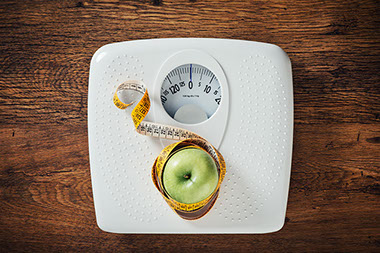
    Green apple wrapped in a tape measure on a white scale.

    This section will help you maintain a healthy lifestyle. The tools that got you to this point may be different than the tools you’ll need to keep going. Your body has physiologically changed during weight loss. Your mind has also changed. This section will help you to:

    *  Understand why weight maintenance is difficult.

    *  Modify the strategies and skills you use daily, if needed.

    *  Further improve your eating habits.

    *  Seek out long-lasting motivation and connection to others.

    HealthyLife® Weigh

    QUICK LINKS: PART 7

    Weight Loss & Metabolism

    Overcome a Plateau

    Other Eating Patterns

    Food Labels 2.0

    Supplements

    Be A Wary Weight Loss Consumer

    Visit Farmers’ Markets

    Grow a Garden

    Look Beyond Your Weight Goal

    Be Persistent

    © American Institute for Preventive Medicine
  • Break Through Emotional Eating

    Healthylife® Weigh

    Part 6

    Variety of ice cream cones.

    Hunger is not always a drive to fulfill a physical need. Sometimes, eating is due to stress, anxiety, or celebration. Emotions can be triggers for overeating or making less healthy choices. This section will help you:

    1. Determine if your hunger is physical or emotional.

    2. Identify and cope with emotions that prompt you to eat when you are not hungry.

    3. Be mindful in daily life.

    4. Give you more tools for managing stress.

    HealthyLife® Weigh

    QUICK LINKS: PART 6

    Physical vs. Emotional Hunger

    Self-Discovery: Hunger

    Feeling Full

    Identify Emotions that Prompt You to Eat

    When Something is Bothering You

    Help! I Just Ate Half a Cake!

    Relaxation Techniques

    Relaxation Reflex

    Mindfulness

    Deep Breathing

    Address Anger

    Address Boredom

    Seek Downtime Daily

    Address Depression

    Address Anxiety

    Plan Problem-Solving

    Address Insecurity

    Manage Stress

    Add a Stress-Busting Food to Your Day

    Tips for Healthy Celebration

    Relieve the Pressure

    Review and Prepare

    © American Institute for Preventive Medicine
  • Review And Prepare 6

    Healthylife® Weigh

    Part 6

    Friends having dinner at summer garden party.

    This section built on the tools you have been learning throughout this guide to manage emotional eating triggers. Stress, anxiety, boredom, and celebration can all trigger unhealthy eating behaviors. Answer the questions below.

    *  How do you know when you are physically hungry?

    *  What is the first thing you do when you realize your hunger is emotional?

    *  List relaxation strategies you have practiced this week. If you haven’t practiced any, pick one and do it now.

    *  How has addressing, rather than brushing aside, emotions helped you this week?

    The next section will help you maintain weight loss, overcome plateaus, and connect to weight management in long-lasting and meaningful ways.

    © American Institute for Preventive Medicine
  • Be Physically Active

    Healthylife® Weigh

    Part 5

    Group of friends outside exercising.

    All physical activity has benefits for the body and mind. This section will help you find reasons to be active that go beyond weight management. This section will also help you to:

    *  Add variety to the physical activity you already enjoy.

    *  Value different types of activity that have different benefits.

    *  Make a plan to be more physically active.

    *  Manage time and other barriers to do physical activity.

    *  Develop a healthy relationship with your body.

    *  Appreciate what your body is capable of doing.

    HealthyLife® Weigh

    QUICK LINKS: PART 5

    Current Exercise Habits

    Find Reasons to Care About Physical Activity

    Mental Health

    Energy, Learning, Focus

    Physical Health

    Exercise and Sleep

    Reduce Sit-Time

    Do Activities You Enjoy

    Types of Physical Activity

    Cardio Training

    Resistance Training

    Stretching & Rehabilitation

    Yoga

    Massage

    Avoid Injury

    Appreciate the Journey

    Set Fitness Goals

    Plan Physical Activity

    Tackle Limitations

    Injury and Disability

    Manage Your Time

    Set Up for Success

    What Are You Waiting For?

    Responsibility for Change

    Create “If, Then” Plans

    Exercise and Eating

    Eating and Body Image

    How Do You View Your Body?

    Identify Disordered Eating

    Review and Prepare

    © American Institute for Preventive Medicine

  • Review And Prepare 5

    Healthylife® Weigh

    Part 5

    Friends hiking through hills.

    This section guided you to make physical activity part of your daily life. Most importantly, this section encouraged you to look at why you are being active and how to have a healthy relationship with your body. Answer the following questions.

    *  How have you sat less and moved more this week?

    *  What changes are you making to how you exercise (e.g., adding variety to cardio activities, adding resistance training)?

    *  How are you managing time differently to have more time to be active?

    *  What is something amazing about what your body can do?

    The next section will help you manage emotional eating and be more mindful. Make sure you are pacing yourself through this guide. Take time to practice strategies and address unhelpful thoughts.

    © American Institute for Preventive Medicine

  • Create A Helpful Environment

    Healthylife® Weigh

    Part 4

    Family mealtime at home.

    This section begins with a closer look at changing habits. Many of your actions each day-if not most of them-are controlled by habits. In times of stress or other times when your goals are not a top priority, you are likely to go back to old habits. Thus, establishing healthy habits is important for long-term success.

    Your environment cues many behaviors. This section will help you set up your environment to be helpful.

    *  Physical Environment. This includes your kitchen, dining area, desk drawer, and other places you store and eat food.

    *  Social Environment. This includes the people around you, people important to you (near and far), and social media. This section will also help you talk to others about your goals.

    *  Mental Environment. This includes the things you say to yourself. This also includes changing the unhelpful thoughts that get in the way of taking action.

    HealthyLife® Weigh

    QUICK LINKS: PART 4

    Build on Current Habits

    Keep Habits Rewarding

    Make Your Kitchen a Healthy Eating Zone

    Help Your Refrigerator Health You

    Join the Team: The Rest of Your Kitchen

    Alter Your Eating Cues

    Scramble Daily Behaviors

    The “Everything in Moderation” Trap

    When “Just a Little” Doesn’t Work

    Make Unhealthy Habits Less Convenient

    It Takes a Village

    Build Support at Home

    Build Support at Work

    Social Media for Support

    Support Isn’t Supportive

    Be Assertive

    Use the L.A.D.D.E.R. Technique

    Practice Assertiveness

    Unsupportive Situations

    Say Nice Things to Yourself

    Dispute Unhelpful Thoughts

    Rational Thinking

    Banish Black & White Thoughts

    Control Catastrophic Thinking

    Create Self-Enhancing Feelings

    The Power of a Phrase

    Review and Prepare

    © American Institute for Preventive Medicine

  • Review And Prepare 4

    Healthylife® Weigh

    Part 4

    Waitress delivering food to table.

    This section looked at ways to create a helpful physical, social, and mental environment. Designing helpful environments can make it easier to change behaviors. Answer these questions:

    *  What changes have you made to your physical environment (e.g., pantry, kitchen countertops, plate size)? How have these changes helped you make healthier choices?

    *  What changes have you made to your social environment (e.g., being assertive, changing social media habits)? How have these changes helped you make healthier choices?

    *  What changes have you made to your mental environment (e.g., banishing black and white thinking, saying nice things to yourself)? How have these changes helped you make healthier choices?

    The next section focuses on physical activity and how to fit it into your daily routine. Start to think about your favorite ways to be active.

    © American Institute for Preventive Medicine