Blog

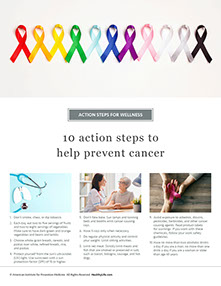
  • 10 Action Steps To Help Prevent Cancer

    Cancer

    A line of different color ribbons to represent different cancer awareness.

    1.  Don’t smoke, chew, or dip tobacco.

    2.  Each day, eat two to five servings of fruits and two to eight servings of vegetables. Make sure to have dark-green and orange vegetables and beans and lentils.

    3.  Choose whole-grain breads, cereals, and pastas over white, refined breads, rice, and pastas.

    4.  Protect yourself from the sun’s ultraviolet (UV) light. Use sunscreen with a sun protection factor (SPF) of 15 or higher.

    5.  Don’t fake bake. Sun lamps and tanning beds and booths emit cancer-causing rays.

    6.  Have X-rays only when necessary.

    7.  Do regular physical activity and control your weight. Limit sitting activities.

    8.  Limit red meat. Strictly limit meats and fish that are smoked or preserved in salt, such as bacon, bologna, sausage, and hot dogs.

    9.  Avoid exposure to asbestos, dioxins, pesticides, herbicides, and other cancer causing agents. Read product labels for warnings. If you work with these chemicals, follow your work safety guidelines.

    10. Have no more than two alcoholic drinks a day if you are a man; no more than one drink a day if you are a woman or older than age 65 years.

    Health at Home Lifetime book by the American Institute for Preventive Medicine. www.HealthyLife.com. All rights reserved.

    © American Institute for Preventive Medicine

  • Master Food Prep

    Healthylife® Weigh

    Part 3

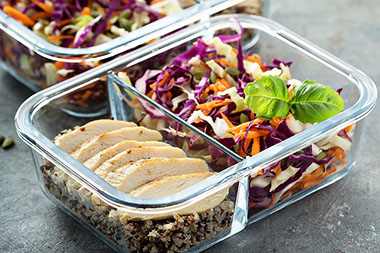
    Healthy meal prep with quinoa and chicken.

    Food preparation does not need to take a lot of time. The more you prepare food, the better you will get at being efficient in the kitchen!

    1. Make double batches of dinner meals. Freeze individual portions in airtight containers. Label with the date and what it is.

    2. Buy pre-cut vegetables, either fresh or frozen.

    3. Keep a supply of foods on hand that can be stored for weeks or months, such as brown rice, quinoa, whole grain pasta, frozen and canned vegetables, beans, tuna, oils, and spices.

    4. Cut up fruits and vegetables and store them in individual bags or containers for easy, grab-and-go snacks. Dry anything you have washed by laying it on a towel. This will help prevent mold.

    5. Freeze berries or sliced and peeled bananas. They can be easily added to smoothies or pancakes.

    Tips for Nibbling Cooks

    Be aware of how much you eat while cooking. A taste here and there can help you check for flavor, such as when seasoning a soup. Too many nibbles can add up to a lot of extra eating in your diet.

    *  Have a small snack before you start cooking, like a piece of fruit or raw veggies and hummus.

    *  Chew sugar-free gum with xylitol, which does not cause tooth decay.

    *  Brush and floss your teeth before you cook.

    *  Sip water every time you are tempted to snack on the meal you are preparing.

    *  Sit down when you eat. Use utensils for all items you eat.

    © American Institute for Preventive Medicine

  • Massage

    Healthylife® Weigh

    Part 5

    Man getting a chair massage.

    Massage can be a form of recovery for your muscles. Massage, especially deep compression massage, can help relax tight muscles and knots that have formed between muscle layers. This can help with normal blood flow, keep your muscles flexible, and reduce pain.

    A professional massage therapist or a friend can assist you with massage.  Or, you can give yourself a massage.

    Self-Massage

    Use a foam roller, tennis ball, Thera Cane®, or muscle roller stick. These items are fairly inexpensive and can be purchased from major retailers and sporting goods stores. Or, using your fingers is free! Apply pressure to specific parts of your body. Go slowly. If you purchase a self-massage tool, follow package instructions.

    © American Institute for Preventive Medicine

  • Map Your Meal Plan 2

    Healthylife® Weigh

    Menus & Recipes

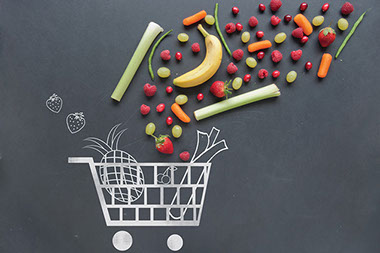
    Chalk drawing of shopping cart with fresh fruit above.

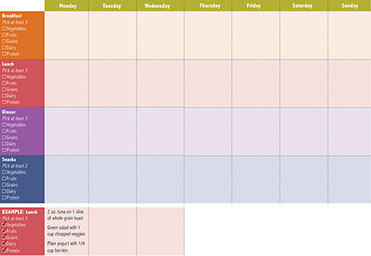
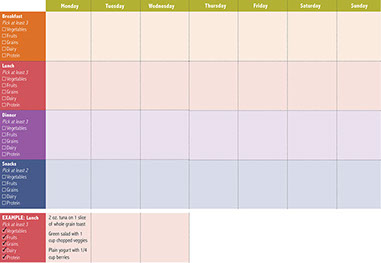
    Print this page or download the “Print on Demand” to map your meal plan.

    Chart to map your meal plan.

    © American Institute for Preventive Medicine

  • Map Your Meal Plan

    Healthylife® Weigh

    Part 3

    Chalk drawing of shopping cart with fresh fruit above.

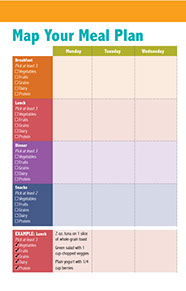
    Print this page or download the “Print on Demand” to map your meal plan.

    Chart to map your meal plan.

    © American Institute for Preventive Medicine

  • Manage Your Time

    Healthylife® Weigh

    Part 5

    Couple on a walk.

    Incorporate more movement into your daily activities. Take the stairs, park farther away from the building, and get up to stretch every hour. Also, plan at least 30 minutes each day, most days of the week, to engage in moderate-to-intense exercise. Add exercise to your daily schedule.

    Decrease Time Wasters

    If you feel time is a barrier for you, look at how you spend your time now. Keep a time log for a full day. Block off chunks of time when you sleep and are at work or school. Write down how much time you spend getting ready to go places, preparing food, relaxing, doing household chores, watching TV, or browsing social media.

    *  Decrease time spent watching TV or browsing social media. Set limits for yourself. Record shows so you can skip through commercials.

    *  Prepare meals ahead of time. Make more than one meal at once.

    *  Get help from others, especially with household chores and meal preparation.

    It may not be practical to make changes in all areas or plan physical activity every day. Start by taking small steps, such as being active on a weekend day or getting up a little earlier one morning to walk around the neighborhood.

    © American Institute for Preventive Medicine

  • Make Unhealthy Habits Less Convenient

    Healthylife® Weigh

    Part 4

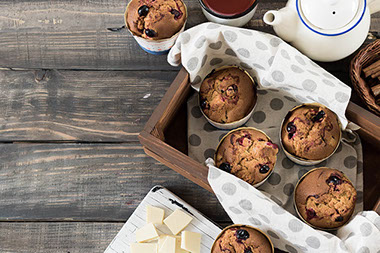
    Muffins with cranberries and white chocolate.

    To help make your healthy habits easier, make doing your unhealthy habits harder or unpleasant. Make healthy choices pleasant and convenient.

    Ways to Make Unhealthy Habits Unpleasant and Inconvenient

    *  Sit in an uncomfortable chair when having an unhealthy food or drink. Don’t sit on the couch to eat.

    *  Keep unhealthy foods and drinks in the basement, the laundry room, or a closet. Don’t keep these foods in the kitchen or in easy sight.

    *  Eat foods with the wrong utensil (e.g., try eating a pizza with a spoon).

    *  Set the volume on the TV very low as a cue to do something active. If you turn up the volume and watch, turn the volume back down before turning the TV off. The reminder will be there for you next time.

    *  Hide the TV remote in a drawer or on top of a book case.

    How can you make an unhealthy habit unpleasant and inconvenient?

    Ways to Make Healthy Habits Pleasant & Convenient

    *  Wear new workout clothes-even new socks can make an experience more fun!

    *  Listen to your favorite music while exercising or eating a healthy snack.

    *  Add fresh flowers to the table when you serve a healthy meal.

    How can you make a healthy habit pleasant and convenient?

    Take Small Steps Toward a New Habit

    1. List one unhealthy eating habit you want to change. Make sure the change is something you want to do, not something you are doing just to please someone else. Be specific.

    2. Make a list of the reasons you want to do this. Read this list often. For extra support: use a sticky note or index card and post this list where the unhealthy eating habit takes place.

    3. Write a positive statement about yourself or an encouraging message on a sticky note or an index card. Post this where you will see it, such as on a refrigerator or bathroom mirror.

    4. Working backwards from your goal, write a series of steps you can take to get there. Make the first step something you feel ready to do today. As soon as you take each step, set a time goal for taking the next step. It can be tempting to break a goal into so many steps that it takes a very long time to make any changes. It is normal to not want to fail. However, if you stretch a change out too long, you risk losing motivation. If you are taking steps that seem easy, try taking a little bigger step. You may find you are able to do more at once than you thought! If that bigger step is too hard, try again or go back to the smaller step. Keep going.

    5. Reflect on your success or any challenges you experienced.

    – How easy/hard was it to make this change?

    – What changes did you have to make to your steps as you went along?

    6. Reward yourself for small steps.

    – Pay attention to any rewarding thoughts or feelings that occur, such as feeling more confident or more organized.

    – Notice any physical feelings, such as having more energy or sleeping better at night.

    – Take time to reflect on one of your values statements. How has taking these steps allowed you to show yourself and others what you value?

    – Treat yourself with non-food rewards, such as a new book, fresh flowers, or new music. Reflect on the intrinsic rewards of your changes.
    © American Institute for Preventive Medicine

  • Make Your Kitchen A Healthy Eating Zone

    Healthylife® Weigh

    Part 4

    Three generation family eating dinner at home.

    You walk into the kitchen and see a box of cereal sitting out. You fill your cereal bowl and eye the leftover pie next to a bag of chips on the counter. It’s been a long day and you deserve a treat, right? When you are hungry, tired, bored, or stressed, food choices can be influenced by what is around you.

    First, learn about your kitchen. Your kitchen may be a place where you socialize with family and friends. It may be a place where you cook or pack lunches for children. Or, you have to walk through the kitchen to get to other rooms.

    *  How many times do you walk into your kitchen each day? If you aren’t sure, keep track for a day.

    *  List a few reasons you go into your kitchen.

    *  Without opening any doors (pantry, fridge, etc.), what foods can you see?

    *  If you were to select a snack right now, what would you choose? Why did you choose this snack?

    The kitchen can be one of your biggest allies in managing your weight. A kitchen can also be a battle zone that trips up your goals.

    © American Institute for Preventive Medicine

  • Maintaining A Healthy Weight Is Important

    Healthylife® Weigh

    Part 1

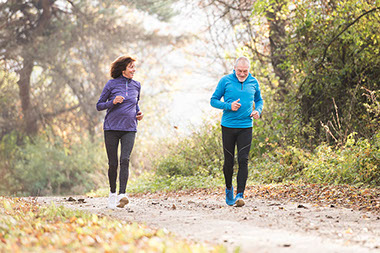
    Senior couple running together outside in sunny autumn forest.

    Maintaining a healthy weight helps you enjoy good health and feel better! Carrying too much or too little weight, relative to your height, puts you at risk for certain weight-related health conditions, including:

    *  Heart disease, stroke, and high blood pressure

    *  Sleep apnea, asthma, and other breathing problems

    *  Diabetes and complications from it

    *  Gallbladder disease

    *  Digestive and GI problems

    *  Certain cancers

    *  Gout

    *  Poor mental health

    *  Low sex drive

    *  Low energy levels, making activity more difficult

    *  Premature aging and death

    *  Alzheimer’s, dementia, and other brain diseases

    *  Osteoporosis or arthritis on weight-bearing joints, such as the knees and spine

    Working toward a healthy weight can help you lower your risk for developing the problems listed above. If you already have a health condition, losing weight may help you manage it better or may reduce the need for some medication. Even a small amount of weight loss can improve your health. Losing 5% of your weight may lower your risk of developing heart disease.

    Achieving a personal goal also helps you feel good about yourself. You may have more energy to enjoy your favorite activities.

    © American Institute for Preventive Medicine