Blog

  • Look Past Advertising

    Healthylife® Weigh

    Part 3

    Man grocery shopping.

    Advertising can help point out healthy qualities in a food or drink. Advertising can also distract you from less healthy ingredients and nutrition facts. Check the nutrition facts and ingredients list to get the real scoop on what’s in the product. The drawbacks may outweigh the benefits advertised on the package.

    “Made With…”Example: Whole Grains, Real Fruit

    What it Means: At one point, the real ingredient (e.g., whole grain, fruit) was part of the product. That ingredient may have been processed further, causing it to lose nutrients. This claim does not tell you anything about how much of the whole food is in the end product.

    “Sugar Free”

    What it Means: A sugar free food has less than 0.5 grams of sugar per serving. What is in the food is more important than what the food is claiming to be free from. Check to see if extra saturated fat or artificial sweeteners have been added to make up for taste. Avoid foods high in saturated fat or foods containing artificial sweeteners.

    “Fat Free”

    What it Means: This food contains less than 0.5 grams of fat per serving (of any kind). If a food is fat free, make sure sugars or starches haven’t been added to replace the flavor and structure that fat gives food. Remember, unsaturated fat is an important part of a healthy diet and helps keep you feeling full.

    “Contains…”Example: Whole Grains, Real Fruit

    What it Means: This product contains some amount of this ingredient, but that amount may be very small. For example, a fruit drink that “contains real fruit” may be 10% real fruit juice and 90% added water and sugar. If you want more of the ingredient, like a whole grain or fruit, look for it to appear high on the list of ingredients.

    “Contains Zero Trans Fat”

    What it Means: There is no safe amount of trans fats, but a food label can say it contains zero trans fats if the trans fat content is below 0.5 grams per serving. To find trans fats, you will need to look at the ingredients. Avoid ingredients that are “hydrogenated” or “partially hydrogenated.”

    Organic, Grass-Fed, Cage-Free, Free-Range, Non-GMO

    Learn more about these marketing claims and labeling standards inPart 7of this guide.
    © American Institute for Preventive Medicine
  • Look Beyond Your Weight Goal

    Healthylife® Weigh

    Part 7

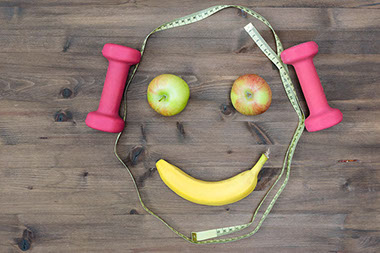
    Apples, measuring tape, dumbbells and banana assembled into a smiling face.

    A healthy lifestyle is not just about the number on the scale. Reflect on what got you motivated to lose weight and got you over hurdles. Strengthen your values by connecting more to the world around you.

    Share your story.Share your struggles, your ideas, and your motivation. Share through your words and actions. You may have inspired someone already. Post to social media or comment on another post. Start a blog about your journey as you continue to learn and manage new challenges.

    Say thank youto those who have helped you along the way and who continue to help you. This may be your healthcare professionals, health coach, coworkers, friends, family, or the stranger who makes your coffee every day. Let people know how much they mean to you. It could be the boost that person needs today.

    Address hunger in your community.Millions of people worldwide struggle with food insecurity. Someone who is food insecure doesn’t know where their next meal is coming from. Many are children. It may be you. Food banks, soup kitchens, homeless shelters, and other community organizations appreciate volunteers or donations. Volunteer to teach a cooking class or lead a grocery store tour. Share your strengths.

    Care for the environment.The global food system depends on a healthy planet. It is also one of the biggest contributors of greenhouse gases and global warming. Choose local, sustainably produced food when possible. In general, the negative environmental impact increases with how far the food traveled, how long it was stored, and how many chemicals were sprayed on it. Buy enough, but not too much, to reduce waste. Use reusable containers for eating and transporting meals and snacks.

    © American Institute for Preventive Medicine
  • Limit Sodium 2

    Healthylife® Weigh

    Menus & Recipes

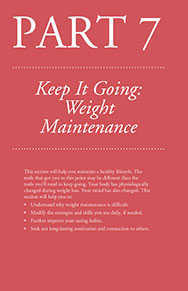
    Sea salt on wooden spoon and the word salt written in grain.

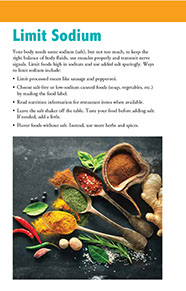
    Your body needs some sodium (salt), but not too much, to keep the right balance of body fluids, use muscles properly and transmit nerve signals. Limit foods high in sodium and use added salt sparingly. Ways to limit sodium include:

    *  Limit processed meats like sausage and pepperoni.

    *  Choose salt-free or low-sodium canned foods (soup, vegetables, etc.) by reading the food label.

    *  Read nutrition information for restaurant items when available.

    *  Leave the salt shaker off the table. Taste your food before adding salt. If needed, add a little.

    *  Flavor foods without salt. Instead, use more herbs and spices.

    © American Institute for Preventive Medicine
  • Limit Sodium

    Healthylife® Weigh

    Part 2

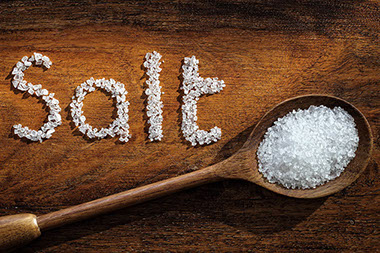
    Sea salt on wooden spoon and the word salt written in grain.

    Your body needs some sodium to:

    *  Maintain the right balance of fluids in your body.

    *  Transmit nerve impulses.

    *  Contract and relax muscles.

    Use added salt sparingly and limit foods high in sodium. Most people eat much more sodium than they need. There are important reasons to limit sodium in the diet. A low-sodium diet can help:

    *  Prevent high blood pressure. High blood pressure, if untreated, can lead to heart attack, stroke, poor eye health, headaches, and kidney failure.

    *  Lower your blood pressure if you have high blood pressure.

    *  Avoid swelling (edema) in legs, ankles, and internal organs.

    *  Reduce bloating and other side effects of premenstrual syndrome (PMS).

    Limit sodium to 2,300 milligrams per day (about 1 teaspoon). If you have high blood pressure, consult your doctor about the amount of sodium you should have each day. He or she may suggest you limit your sodium intake to 1,500 milligrams per day (about ¾ teaspoon). This includes sodium from all sources- salt added during cooking and at the table, salt in processed food, and sodium that occurs naturally in foods.

    Ways to Limit Sodium

    *  Choose low-sodium versions of canned foods, like soup, tomatoes and vegetables.

    *  Read nutrition information for restaurant items, when available. Choose from the “heart healthy” menu.

    *  Taste your food before adding salt. If needed, add a little.

    *  Leave the salt shaker off the table.

    *  Limit intake of processed meats like sausage and cold cuts.

    Flavor Foods Without Salt

    *  Beef – Bay leaf, marjoram, nutmeg, onion, pepper, sage, thyme

    *  Lamb – Curry powder, garlic, rosemary, mint

    *  Pork – Garlic, onion, sage, pepper, oregano

    *  Veal – Bay leaf, curry powder, ginger, marjoram, oregano

    *  Chicken – Ginger, marjoram, oregano, paprika, rosemary, sage, tarragon, thyme

    *  Fish – Curry powder, dill, dry mustard, lemon juice, marjoram, paprika, pepper

    *  Carrots – Cinnamon, cloves, marjoram, nutmeg, rosemary, sage

    *  Corn – Cumin, curry powder, onion, paprika, parsley

    *  Green – beans Dill, curry powder, lemon juice, marjoram, oregano, tarragon, thyme

    *  Peas – Ginger, marjoram, onion, parsley, sage

    *  Potatoes – Dill, garlic, onion, paprika, parsley, sage

    *  Summer squash – Cloves, curry powder, marjoram, nutmeg, rosemary, sage

    *  Winter squash – Cinnamon, ginger, nutmeg, onion

    *  Tomatoes – Basil, bay leaf, dill, marjoram, onion, oregano, parsley, pepper

    © American Institute for Preventive Medicine
  • Limit Artificial Sweeteners

    Healthylife® Weigh

    Part 3

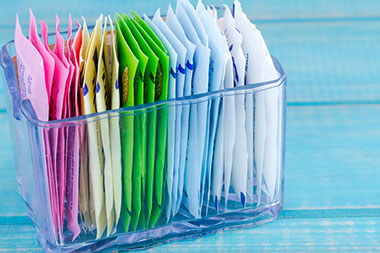
    Packets of artificial sweeteners in glass container.

    Artificial sweeteners give a sweet taste without adding the calories you get with sugar. They don’t contribute to tooth decay and don’t raise blood sugar levels. However, consuming these sugar substitutes can have significant drawbacks. They may:

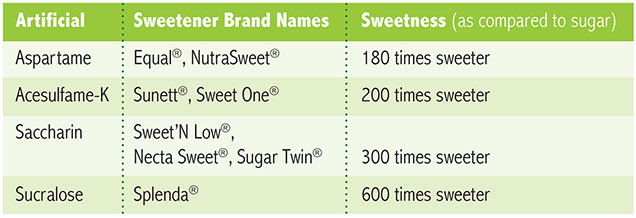
    1. Raise your sweetness threshold. This can make it harder to break a sugar “addiction.” Artificial sweeteners are hundreds of times sweeter than regular sugar. This may cause you to crave sweeter foods.

    2. Cause you to eat more. Eating and drinking sweet things signals the brain to want more. Even if the artificial sweetener doesn’t have any calories, it can lead to overeating and consuming extra foods that do.

    3. Cause discomfort. This can be headaches, exhaustion, and digestive discomfort, including gas, bloating, and constipation.

    4. Harm your gut bacteria. Artificial sweeteners may promote the growth of gut bacteria that store energy as fat. Gut bacteria that is not working properly also contributes to high blood sugar.

    Stevia (Truvia®, Pure Via®) is a non-caloric sweetener made from an herb. It has not been studied as much as artificial sweeteners, but it is still super sweet (300 times sweeter than sugar) and may cause digestive discomfort for some people.

    Sugar Alcohols (e.g., xylitol, sorbitol) are not sweeter than sugar and contain fewer calories than sugar. However, they may also cause digestive discomfort and headaches for some people.

    © American Institute for Preventive Medicine
  • Limit Alcohol

    Healthylife® Weigh

    Part 3

    Glass of wine for 2 at dinner.

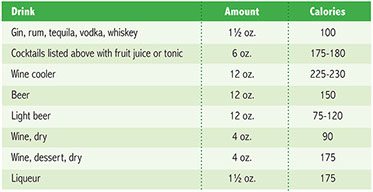
    Alcoholic beverages provide calories with little or no nutrients. Alcohol can damage your heart, liver, brain, and other body systems. It can cause high blood pressure and increases your risk for some cancers. Drinking can also decrease your immunity, making it harder for your body to fight disease.

    Chart showing alcoholic drink, calories per amount.

    Effects of Alcohol on Weight Management

    *  It stimulates the appetite.

    *  It can make it harder to keep track of how much you’ve eaten.

    *  It can cause a drop in blood sugar. This can make you tired and less able to concentrate. It can also cause you to crave something sweet.

    If you drink alcohol, do so wisely.

    *  Don’t drink and drive. Designate a driver who will not be drinking. Volunteer to stay sober.

    *  Drink slowly. You will probably drink less.

    *  Drink alcohol with a meal. Food slows alcohol absorption.

    *  Drink a full glass of water between each alcoholic drink.

    © American Institute for Preventive Medicine
  • Limit Added Sugars 2

    Healthylife® Weigh

    Menus & Recipes

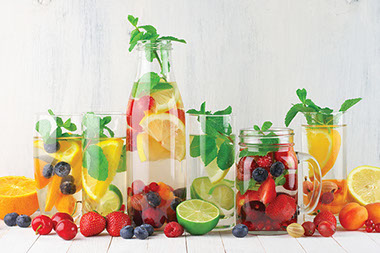
    A variety of flavored water.

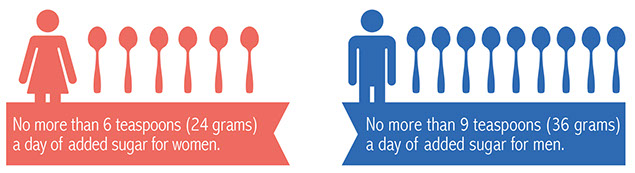
    Your body can get all the sugar it needs by eating foods that naturally contain sugar, including fruit, dairy, and grains. However, sugar is added to many processed foods and drinks that we consume. While it’s okay to eat a sweetened food or treat once in a while, eating too much can lead to obesity and other health problems. The American Heart Association recommends daily limits for added sugars: 9 teaspoons (36 grams) for men and 6 teaspoons (24 grams) for women.

    Ways to Limit Added Sugars

    *  Reduce sugar-sweetened drinks (pop/soda, bottled tea and coffee drinks, fruit drinks, flavored waters, etc.).

    *  Read the Nutrition Facts label on the package or container. Many products now list added sugars.

    *  Check the ingredients list on the package. Words that mean sugar include syrup, molasses, nectar, malt, honey and words that end in “-ose.” If a sweetener is listed as one of the first 3 ingredients, avoid this product.

    *  Cut back on added sugar in coffee and tea.

    *  Flavor water with slices of lemon or a few berries.

    © American Institute for Preventive Medicine
  • Limit Added Sugars

    Healthylife® Weigh

    Part 2

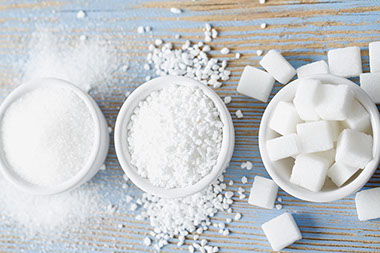
    White sugar assortment.

    Sugars are naturally present in many foods, including fruit, dairy, and grains. Your body can get all the sugar you need by digesting these foods. Sometimes, sugar is added during the processing of foods and drinks. Sugar adds calories, taste, and shelf-life to a product, but zero nutrients. There is no need for added sugars in your diet.

    Too much added sugars is associated with:

    *  Heart and blood vessel problems. This can lead to fatty liver disease, high blood pressure, type 2 diabetes, and kidney disease.

    *  Gut bacteria damage.

    *  Skin problems like irritation and acne.

    *  Headaches, aching limbs, and fatigue.

    *  Nervous tension, anxiety, and depression.

    *  Tooth decay and gum disease.

    *  Memory problems and memory loss. This can lead to Alzheimer’s (research ongoing).

    Sugar is Addicting

    It is okay to have a piece of chocolate every now and then and experience a little “lift” in the brain. Your brain activates dopamine, the brain chemical that gives you a “feel good” feeling. However, eating sugar too often can have addictive effects on the brain.

    Impulsive behavior, lack of control, and cravings can result. Your tolerance for sugar may also increase, especially if you are eating or drinking super-sweet artificial sweeteners with hundreds of times the sweetness of regular sugar.

    Over time, it becomes harder to control how much sugar you eat. Without fiber, healthy fats, and other nutrients that help you feel full, your natural “stop eating” system is hijacked. Sugar addiction leads to overeating, a highway to obesity.

    Hooked on Sugar:The pathway below shows how your body can become addicted to sugar.

    *  You eat a high sugar food. It tastes good, especially when combined with a fatty or salty food. Addiction pathways are activated in your brain. You feel a rewarding sensation.

    *  Your blood sugar spikes. Hormones are released to lower your blood sugar.

    *  Your blood sugar drops rapidly. Your body notices low blood sugar levels.

    *  You feel hungry and crave food, especially sugary foods. Your body thinks you are starving and demands sugar.

    Type 2 Diabetes

    Type 2 diabetes is a condition that makes it difficult for the body to properly get energy from food. Risk factors include family history and being overweight. Insulin, a hormone made in the pancreas, works like a key to a door, allowing sugar to go from the bloodstream into the cells.

    In addition to extra body weight, eating too much sugar (and foods that break down into sugar like bread and pasta) puts a strain on your pancreas to work harder. Over time, this means too much sugar stays in the bloodstream, which causes serious problems for your blood vessels, heart, and brain.

    Diabetes should be managed carefully to control blood sugar levels. If you already have type 2 diabetes, losing weight, following a healthy eating plan, and doing regular exercise can help you manage diabetes and may reduce the need for medication.

    Be a Label Detective: Find the Added Sugar

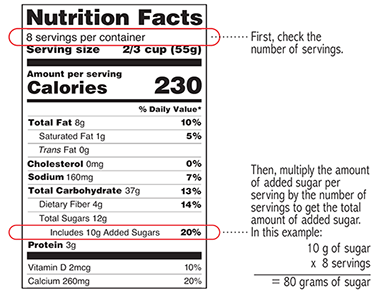
    How can you tell if a product has added sugars? Find a food package or drink bottle and follow the steps below.

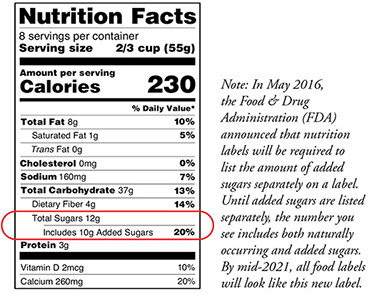
    Step 1: Check the Nutrition Facts

    Nutrition label highlighting total sugars.

    Step 2: Check the Ingredients List

    Read the ingredients list on a processed food’s label to tell if the product contains added sugars. There are many names for sugar. Some words you might find in a list of ingredients that indicate a sugar include:

    *  Sugar

    *  Syrup

    *  Nectar

    *  Juice

    *  Malt

    *  Molasses

    *  Honey

    *  Words that end in “-ose”

    Honey, maple syrup, molasses, brown rice syrup & stevia may be better choices among sugars. However, limit all added sugars.

    If a sweetener is one of the first 3 ingredients on the label, avoid this product. It may be high in calories but not include many nutrients.

    Step 3: Find out the real amount

    Nutrition label highlighting the real amount of added sugars.

    If you have more than the serving size listed on the label, you are getting even more sugar than the label says. If you have half of the serving size, you will get half of the sugar listed.

    How much added sugar is okay?

    It is almost impossible to avoid all added sugar. Sugar is added to nearly every processed food. Yogurt, salad dressing, ketchup, crackers, peanut butter, tomato sauce, and most bottled beverages contain added sugars.

    The American Heart Association has set recommended limits on daily intake of added sugars:

    Reduce Sugar-Sweetened Drinks

    Sugar-sweetened drinks (including pop/soda, bottled tea and coffee drinks, juices, flavored waters, etc.) are some of the top sources of added sugars in the U.S. By choosing water or unsweetened drinks, you can reduce added sugar and calories, leaving room in your diet for nutrient-dense foods.

    *  What is one sugar-sweetened drink you consume now?

    *  Look at the label. How many grams of sugar does it contain per serving?

    If you drink sweetened beverages, you will very likely go over your daily limit for added sugar.

    What about Bottled Fruit Juice?

    100% fruit juice is more nutritious than soda, as it often contains vitamin C and may be fortified with calcium. However, fruit juice does not contain fiber to slow the absorption of sugar into the bloodstream. Instead, squeeze a lemon or orange slice into plain water. Or, have the whole fruit for a serving of heart-healthy fiber and a naturally sweet treat!

    Look for Hidden Sugar Traps

    Many foods you wouldn’t consider “sweets” contain a lot of added sugar. Find each of the food products below and check the Nutrition Facts. You may already have these products at home. Or, check next time you are in the store. For the product you are looking at, check how many grams of sugar are in this food. Would you typically only eat one serving?

    *  Yogurt

    *  Salad dressing

    *  Tomato sauce

    *  Ketchup

    *  Bread

    *  Cereal

    *  Granola bars

    What changes do you need to make to get your total added sugar below the number of teaspoons advised for your gender?

    Careful!“Low Fat” or “Lite” foods, other than dairy foods and drinks, often make up for taste and texture with sugar and artificial ingredients. Foods that are “sugar free” may have artificial sweeteners and other chemicals to make the product still taste sweet. Choose these foods less often.

    More Ways to Limit Added Sugars

    *  Add a slice of lemon, lime, or cucumber to water for a flavorful twist.

    *  Avoid buying sweet snacks or candy. Mentally practice passing by and not stopping to pick up sweets at the store or vending machine.

    *  Add your own natural sweetener, if needed, such as whole, dried, or canned fruit (packed in water or 100% juice).

    *  Toast whole grain bread to bring out natural sweetness.

    *  Schedule 30 minutes of physical activity and 30 minutes more sleep each night for a natural energy lift.

    *  Limit foods high in added sugars as occasional treats.

    *  Add fresh or canned fruit (packed in water or 100% juice) to plain yogurt instead of having yogurt that contains added fruits and sugar.

    *  Avoid rewarding children with sweets. Ask relatives and friends not to reward your child with sweets.

    *  Buy bread from your local bakery. These breads may have fewer added sugars.

    *  Make your own cakes, pies, and cookies. Reduce the sugar in the recipe by one-third or more. Use baking swaps.

    *  Order a child-size dessert or split a dessert.

    *  Cut back on added sugar in coffee and tea. Each week, cut the amount of sugar you add to these drinks by half until you add no sugar.

    Be realistic!Enjoy sweet treats, but make these foods “once in a while” foods. Savor and enjoy treats when you do have them. Eat them slowly and pay attention to the taste, texture, and pleasure from the food.

    © American Institute for Preventive Medicine

  • Keep Habits Rewarding

    Healthylife® Weigh

    Part 4

    Happy, young woman cooking dinner with grandmother.

    When you are rewarded for an action, you are more likely to repeat it. If you eat a piece of chocolate and enjoy the taste and how you feel afterwards, you are probably going to eat chocolate again.

    Managing your weight does not mean giving up rewarding feelings. If it did, it would be VERY hard for you to stick with it. People are wired to seek rewards and to stick to habits that give rewards. There are two types of rewards:

    Intrinsic Rewards

    *  Something intangible (you can’t touch it)

    *  Arise from within you

    *  Examples: a feeling or emotion, such as joy, pride, or satisfaction

    *  Feeling like you are living your values

    *  Are strong motivators

    Extrinsic Rewards

    *  Something tangible (you can touch it)

    *  Are physically received from someone else

    *  Examples: money, a trophy

    *  Get weaker over time

    Your habit change plan starts with two basic questions:

    1. What is the reward for my current habit?

    2. How can I still get the reward with a healthier habit? You may need to learn a new skill, such as time management. Or, you may need help from others.

    Example: My morning habit of rushing out the door with a cup of coffee-no breakfast-helps me be on time for work. Every time I am on time for work, I feel relieved and proud of myself. (Feeling relieved and proud is the reward for being on time for work.)

    Ideas to Keep Rewards: I could make a breakfast-to-go snack the night before and keep it next to my coffee maker. Or, I could wake up earlier to prepare a breakfast. Or, I could keep a breakfast snack at work to have once I get there.

    Plan to Keep Rewards:

    Pick a habit that is part of your everyday routine and that you want to change.

    *  Planning Step 1: What is the reward for this habit?

    *  Planning Step 2: How can I still get the reward with a healthier habit?

    Try this again for another habit.

    *  Planning Step 1: What is the reward for this habit?

    *  Planning Step 2: How can I still get the reward with a healthier habit?

    Use this tool often to change how you think about adopting healthy habits.

    © American Institute for Preventive Medicine
  • Keep Food Safe

    Healthylife® Weigh

    Part 3

    Man with frying pan cooking food at home.

    *  Freezing: Keep freezer temperature at or below 0°F. Keep frozen foods in airtight containers.

    *  Refrigerator: Keep refrigerator temperature at or below 40°F. Store foods made from animal products in a drawer or in the back of the refrigerator, where it is cooler.

    *  Thawing: Thaw food on the bottom shelf of the refrigerator. Or, submerge the sealed container in cold water. Or, use the defrost settings on your microwave. Never thaw food on the counter.

    Heat to Safe Temperatures

    Use a food thermometer to make sure foods are safe to eat.

    *  145ºF: Fish, roasts, steaks, chops (beef, pork, veal, and lamb)

    *  160ºF: Egg dishes and ground meats (beef, veal, and lamb)

    *  165ºF: Stuffing, all poultry, casseroles, reheated leftovers

    Simple Cooking Methods

    When you cook vegetables, do so quickly and in little water. Some vitamins, like vitamin C, are lost when soaked in water or overcooked.

    Microwave: Place chopped vegetables in a microwave-safe dish with a lid. Or, use plastic wrap with a few holes poked for venting. Add 2 Tbsp. of water, or enough to cover the bottom of the dish. Microwave on high for 5 minutes. Check firmness. Add time to reach desired softness.

    Stove Top: Add 1 to 2 inches of water to a pot. Add vegetables. Simmer until tender, checking vegetables often after the first 5 minutes. Greens will cook faster, so check these after 2 minutes.

    Oven: Preheat oven to 450ºF. Coat a baking sheet with non-stick cooking spray or use a sheet of parchment paper. Toss vegetables with 1 Tbsp. of canola oil. Spread vegetables evenly and bake for at least 15 minutes. Check for desired softness. Add cooking time, if needed. Experiment with spices to flavor vegetables to your liking.

    © American Institute for Preventive Medicine