Blog

  • When “Just A Little” Doesn’t Work

    Healthylife® Weigh

    Part 4

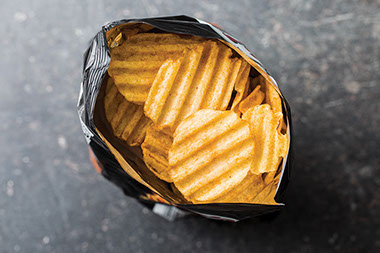
    Open bag of potato chips.

    Sugar, fat, certain chemicals, and other parts of foods can trigger addiction responses in the brain. Once this desire for additional rewards is activated, it can be very difficult to stick with your healthy goals.

    Fill in the blank: Once I start eating _________________________, it is difficult for me to stop eating it or to not overeat.

    *  If you have this food in your house, keep it hidden and in an inconvenient location (like a closet or in the basement).

    *  If possible, avoid places and store aisles that sell this item.

    *  Try to understand why you have this craving. Is it due to stress, boredom, or another emotion? Read more in Part 6 on tackling emotional eating.

    *  Only eat this item around people who have healthy habits. You may find yourself less likely to binge on a food if others around you are eating healthy portions.

    *  If you do buy a trigger food, buy the smallest amount you can.

    – A small, single-serving bag of chips may keep you from buying the large, family-size bag and eating too many chips.

    – If you buy a larger bag, portion the contents into smaller bags as soon as you can.

    – Get a child-size or small fountain drink to satisfy a craving for soda. Re-fill your cup with water immediately and sip until your craving goes away.

    © American Institute for Preventive Medicine

  • Join The Team: The Rest Of Your Kitchen

    Healthylife® Weigh

    Part 4

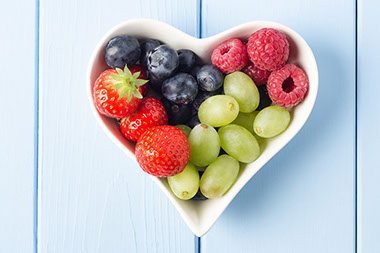
    Selection of fruits in a heart shaped bowl.

    Avoid going to battle every day with unhealthy choices. Learn your own strengths and weaknesses. If you are more likely to chop veggies after shopping than after coming home from work, do this after shopping and store in clear containers. If having visible candy is tempting, keep it in a tin in the basement, out of sight and inconvenient.

    Dish Cupboards

    *  Stock small bowls and plates on easy-to-reach shelves. Put large plates and bowls in a hard-to-reach place or in another closet in the house.

    *  Put smaller wine glasses in front of larger ones. Use tall, narrow glasses for non-water drinks.

    *  Make it easier to cook. Have a blender on the counter and organize your pots and pans to make it easy to pull out a frying pan or pot.

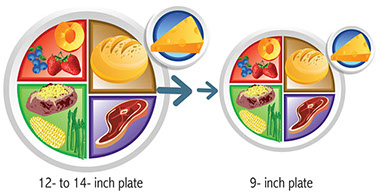
    Use a smaller plate (9-10 inches) and downsize your cereal bowl. This helps reduce portion sizes, even if what is on your plate has not changed.

    Use dessert forks, appetizer forks, or child-sized utensils to eat your meals. This will help you take smaller bites and eat slower. You may find you feel full before you’ve finished your meal! You may also be satisfied with less.

    Counter Tops & Kitchen Space

    *  Add a fruit bowl to the counter with two or more fruits. Tomatoes can go in here too! Roma tomatoes can make for a refreshing, convenient, and filling snack!

    *  Organize counter tops and decrease kitchen clutter-even on the refrigerator door.

    *  Take out the lounge factor-no TV, tablets, comfy chairs, etc. Spending extra time in the kitchen could lead to munching and eating when you are not hungry.

    *  Don’t sit down to a meal unless it includes a fruit or vegetable.

    Pantry

    *  Keep healthy choices at eye level-oatmeal, quinoa, nut butters, beans, canned fruit in water or juice, whole grain pasta, rice, etc.

    *  Move foods you want to eat less of to a less convenient location (like in a cupboard you need a stool to reach) or to a different place in the house where you do not go as often (like the basement or laundry room).

    *  Store packaged, processed foods in solid-colored bins in a closed pantry or closet.

    *  Make less healthy foods less visible and harder to reach. Make healthy foods more visible and easier to reach.

    Now Go! Take a Look

    *  Is there food sitting out in the open in your kitchen? If so, what is visible (e.g., bags of chips or boxes of cereal on top of the fridge, bowl of fruit on the table)?

    *  Where do you keep “treat” foods (desserts, sweet snacks, chips, etc.)?

    *  How quickly can you reach for these? Is it easy?

    *  Where else can you store highly processed snacks and high-sugar treats? If options are limited, put them in a solid-colored plastic container or put them on a shelf that is not at eye level. These changes might help everyone else in your household too!

    *  When you drink water, do you prefer filtered, chilled water, or tap water? Is your preferred water easily accessible?
    © American Institute for Preventive Medicine

  • It Takes A Village

    Healthylife® Weigh

    Part 4

    Three friends at the beach.

    Build support around you. Support from others can help:

    *  Motivate you and lift you up when you stumble.

    *  Hold you accountable.

    *  Give you new ideas and inspiration.

    *  Make activities more fun.

    Start With One Person

    Find someone you know and trust. This could be anybody-a family member, friend, or coworker. Perhaps this person already motivates you to make positive changes in your life.

    1. Let them know what you are trying to do.

    2. Ask them if they would be willing to support you.

    3. If “yes,” say “thank you!”

    4. Let them know how to help you. This may change over time.

    5. Thank this person often. Let them know the impact they are having on your lifestyle change.

    Let Others Know How to Help You

    Even when someone wants to help you, they may not know how. You have probably experienced this already, like when someone gives you cliché advice or gives you a sweet treat to cheer you up.

    Be specific when you tell others how to help you. Here are a few ideas.

    *  Remind you of your strengths and talents.

    *  Share healthy recipes for easy meals and snacks.

    *  Plan social times that don’t involve food. For example, go for a walk or go to the same exercise class.

    *  Give you non-food gifts only.

    *  Take care of your children so you can do your planned exercise. Or, plan an event where your families can be active together.

    © American Institute for Preventive Medicine

  • Injury And Disability

    Healthylife® Weigh

    Part 5

    Doctor helping elderly man with fitness.

    Talk to your doctor or physical therapist about exercises you can do at home, at a gym, or in a pool. While there may be activities you can’t do, there are probably many that you can do. Plus, there are many exercises that can be adapted to suit your individual needs and abilities.

    *  Focus on what you CAN do.

    *  Choose low-impact exercises that don’t make an injury worse.

    *  Find a supportive buddy to help motivate you or assist you with exercises.

    *  Use flotation devices in a pool for support.

    *  Try new things as you lose weight. You may find some activities easier when you are carrying less weight on your joints.

    © American Institute for Preventive Medicine

  • Ingredients List: What’s In This?

    Healthylife® Weigh

    Part 3

    Man reading food label in the grocery store.

    Ingredients are listed in descending order by weight. The most common ingredient is listed first, down to the least common ingredient.

    Follow these easy steps to compare foods:

    1. Look for a short list of ingredients. In general, better choices have fewer ingredients listed. Products with many ingredients often have more forms of sugar (including artificial sweeteners), artificial colors and dyes, and artificial starches/thickeners. These ingredients can add sugar and calories without adding nutrients. Learn more about these ingredients inPart 7of this guide.

    2. Avoid ingredients that your body can’t tolerate. Food allergies are serious. Talk to your doctor if you suspect you have a food allergy. You may also have an intolerance, such as to lactose in milk. Or, you may have a sensitivity, such as getting headaches after consuming artificial sweeteners.

    3. Choose real foods. The first item listed should be a food you recognize. If you are buying pre-made turkey burgers, the first ingredient should be turkey. If you are buying a whole grain cereal, the first ingredient should be a whole grain, such as whole wheat or oats. The second ingredient may also be a large part of the food. This should also be a food you recognize.

    4. Avoid added sugars. Avoid foods and drinks with sugar listed as one of the first 5 ingredients. Sugar can be listed in many forms. Be extra careful with ready-to-eat breakfast cereals, tomato sauce, salad dressings, and other foods you may not think of as “sweets.” Look for clues that sugar has been added.

    © American Institute for Preventive Medicine

  • Improve A Packaged Meal 2

    Healthylife® Weigh

    Menus & Recipes

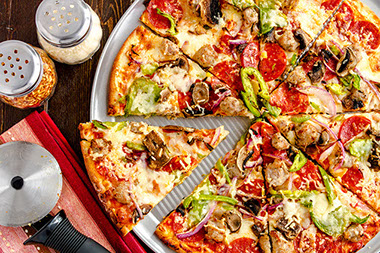
    Frozen pizza with added fresh vegetables.

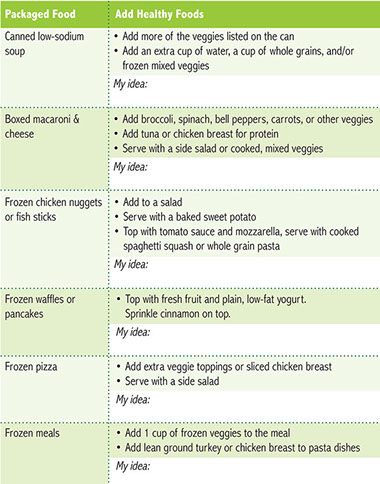
    There are many ways to start with a pre-made, packaged food and make a healthy meal from it. Use this chart for ideas on adding nutrients to packaged meals. Add your own ideas in the spaces provided to have on hand.

    Chart of ideas to improve packaged meals.

    © American Institute for Preventive Medicine

  • Improve A Packaged Meal

    Healthylife® Weigh

    Part 3

    Frozen pizza with added fresh vegetables.

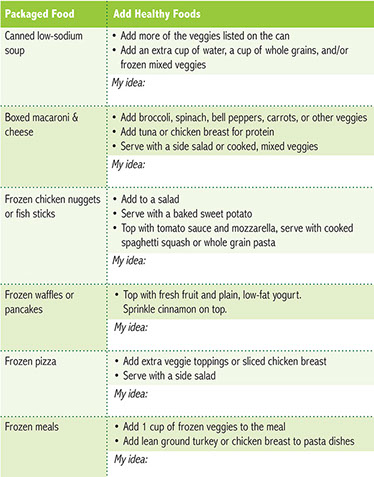
    Cooking from scratch is a great way to know what is in your food and to prepare it how you like it. You can also start with a pre-made, packaged food and make a healthy meal from it! The chart below gives examples of ways to add nutrients to packaged foods. Add your own ideas.

    Chart of ideas to improve packaged meals.

    © American Institute for Preventive Medicine

  • Identify Your Values

    Healthylife® Weigh

    Part 1

    Chalk illustration of light blub and "Core Values" written.

    Understanding your values can help you see what motivates you. Having a clear set of values will also help you select the best tools and strategies later in this guide.

    Values are personal qualities and ways of living. They help you see who you are and who you want to be. When you act in a way that aligns with your values, you show yourself and/or others what is important to you and who you are. Which values are important to you now?

    *  Self-respect

    *  Sense of accomplishment

    *  Spirituality

    *  Having loving relationships

    *  Competition

    *  Self-control

    *  A simple life

    *  Personal responsibility

    *  Self-fulfillment

    *  Tradition

    *  Sense of belonging

    *  Being practical

    *  Self-care

    *  Having self-compassion

    *  Adventure

    *  Trying new things

    *  Being creative

    *  Being wise

    *  Enjoying life’s pleasures

    *  Being loving and caring

    *  Being authentic

    *  Being self-sufficient

    *  Being curious

    *  Feeling my best

    *  Engaging fully/being mindful

    *  Being in charge

    *  Being loyal

    *  Planning for the future

    *  Being competitive

    *  Connecting with nature

    *  Being helpful

    *  Enjoying stimulating activities

    *  Being a positive role model

    *  Influencing others

    © American Institute for Preventive Medicine

  • Identify Emotions That Prompt You To Eat

    Healthylife® Weigh

    Part 6

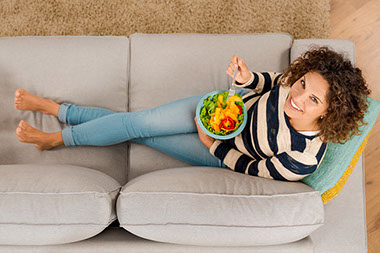
    Top view of woman on the sofa eating a healthy salad.

    Indicate how often the following scenarios apply to you.

    *  When I’m angry or upset, I think, “I don’t care what I eat or how much I eat.”

    *  When I see something tasty, I eat it but regret it later. I find myself saying, “Why did I just do that? I didn’t really want it.”

    *  When I have a craving for something, it is very difficult for me not to satisfy it right away. I may feel frustrated until I have it.

    *  When I’m stressed, I tell myself, “I can take a break from eating healthy so I can focus on the stressful things. I will get back on track later.”

    *  When I am eating with my friends or family, I can’t seem to stick to my healthy plans.

    *  Once I start eating something I really like, I have a hard time stopping, even when I want to.

    *  I find myself saying, “Oh, what the heck, I blew it anyway. I might as well eat whatever I want.”

    © American Institute for Preventive Medicine

  • Identify Disordered Eating

    Healthylife® Weigh

    Part 5

    Sad young women.

    Disordered eating can be hard on your body and your mind. Follow the guidelines in this book to develop a realistic, patient approach to managing weight. Be self-kind, not   self-critical.

    Eating Disorders

    If you are concerned that you may have an eating disorder (e.g., anorexia nervosa, bulimia nervosa, or a binge eating disorder), contact your doctor immediately, as these are serious medical conditions. You can also find more information here:

    National Eating Disorders Association (NEDA)

    www.nationaleatingdisorders.org

    Helpline: 800-931-2237

    National Institute of Mental Health

    www.nimh.nih.gov/health/topics/eating-disorders/index.shtml

    © American Institute for Preventive Medicine