Blog

  • How Much Energy Do I Need?

    Healthylife® Weigh

    Part 2
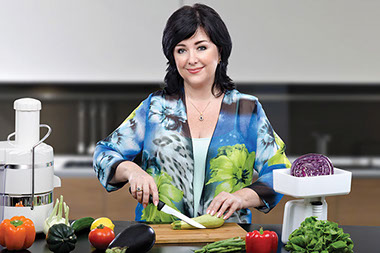
    Women cutting vegetables.

    Calories are units of energy that fuel your body for daily functions like breathing, eating, and thinking. Calories are also burned during physical activity. The more active you are, the more energy your body needs. Use the chart below to find your estimated daily energy needs. Calories needed vary by sex, age, and activity level. To determine your activity level, consider how you spend most of your day.

    *  Sedentary: You sit most of the day and do little to no physical activity (e.g., you walk once a week or do light gardening).

    *  Moderately Active: Your work involves movement, such as cleaning or light industrial work. You do some moderate-intensity physical activity a few times a week, like brisk walking or cycling.

    *  Active: Your work involves a lot of movement, such as heavy industrial work, construction work, or farming. You do physical activity most days during the week, such as jogging, swimming laps, intense walking, weight lifting, or sports.

    Chart showing calories needed per day by age, gender and activity level.

    These are roughly the calories you need per day to stay at your current weight.

    To lose 1 pound per week, you need to take in 500 fewer calories than you use/burn through daily activity. This guide encourages gradual, long-lasting weight loss.

    You can get your specific daily energy needs using the USDA’s SuperTracker online tool. Find this atwww.choosemyplate.gov/resources/MyPlatePlan.

    You can lose weight without severely restricting calories. Eating fewer than 1,200 calories per day can make it difficult for you to get all the nutrients you need. Eating this way can also be hard to follow long-term. A diet with fewer than 1,200 calories should be supervised by a doctor or dietitian.

    Special nutrition needs

    Talk to your doctor or dietitian before choosing an eating plan if you have special nutrition needs, such as:

    *  You are pregnant or breastfeeding

    *  You have a health condition or take medications
    © American Institute for Preventive Medicine

  • How Do You View Your Body?

    Healthylife® Weigh

    Part 5

    Young smiling man eating on diet.

    Body Ownership, Healthy Body Image

    *  My body is beautiful to me.

    *  My feelings about my body are not influenced by society’s concept of an ideal body shape.

    *  I know that the significant others in my life will always find me attractive.

    *  I nourish my body so it has the strength and energy to achieve my physical goals.

    *  I pay attention to my body and my appearance because it is important to me, but it only occupies a small part of my day.

    Body Pre-Occupied/ Distorted Body Image

    *  I spend a significant time in front of the mirror viewing my body.

    *  I spend a significant time comparing my body to others.

    *  I’d be more attractive if I was thinner, more muscular, etc.

    *  I have considered changing or have changed my body through surgery so that I can accept myself.

    *  I wish I could change the way I look.

    Body Hate/ Disassociation

    *  I often feel separated and distant from my body, as if it belongs to someone else.

    *  I hate my body and I often isolate myself from others.

    *  I don’t see anything positive or even neutral about my body shape and size.

    *  I don’t believe others when they tell me I look OK.

    *  I hate the way I look in the mirror.

    Move toward viewing your body in a healthy way. Use the healthy body image statements in the left column as affirmations. Repeat these to yourself. Make changing your attitude a goal.

    © American Institute for Preventive Medicine
  • Help! I Just Ate Half A Cake!

    Healthylife® Weigh

    Part 6

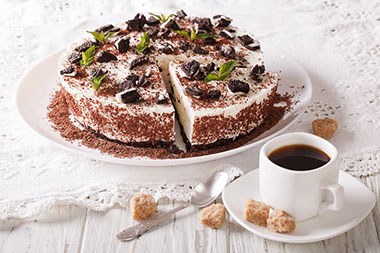
    Cheesecake dessert with chocolate and coffee.

    Recover from Overeating

    1. Be kind to yourself. Practice self-care right away, both in what you say to yourself and what you do.

    Say something kind to yourself now. Write it down here:

    2. Drink water and get enough sleep. This supports your kidneys and liver, two organs in your body that help keep digestion going smoothly and filter out toxins.

    3. Get up and move. Perhaps go for a slow walk today. Then, get your heart pumping more tomorrow with a faster walk or an exercise class.

    4. Start the next day with a healthy breakfast. Get your metabolism revved and running early. This will help you use the extra energy you consumed the day before. Choose a food high in fiber for breakfast. This will help your body clear your digestive system of waste, especially from a large meal high in fatty and salty foods. Choose plant-based sources of protein to give your body extra fiber.

    5. Continue to follow your healthy eating plan. Avoid the “I blew it” approach that can cause one “off” meal or snack to spiral out of control.

    6. Plan for the future. Without a plan, this is likely to happen again.

    – Am I eating enough? Do I feel like I’m starving all the time?

    – Am I getting enough from each food group? Your body may need a nutrient that it isn’t getting.

    – Am I being too tough on myself? Making a lot of changes at once can be hard to stick with. Create a realistic plan for you to make changes gradually. Allow yourself some treats.

    – Learn healthy ways to cope with emotions in this section.

    © American Institute for Preventive Medicine
  • Help Your Refrigerator Help You

    Healthylife® Weigh

    Part 4

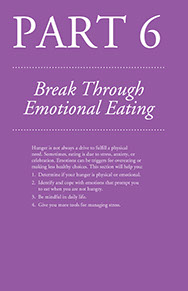
    Refrigerator filled with fresh fruits and vegetables.

    Once foods are right in front of you, it is harder to make a choice based on what your body needs. Instead, you are likely to choose foods based on these factors:

    *  If you can see it

    *  Color

    *  How fresh you think it is

    *  What you think it tastes like

    *  If you’ve thought about the food earlier or the reward you will get from having the food

    Tips for a Weight-Friendly Fridge

    *  Store chopped veggies and fruits on the middle shelf at eye-level. Use clear glass or plastic containers.

    *  Put less-healthy leftovers in the crisper or behind healthier options. Store healthy leftovers in clear containers or with clear plastic wrap.

    *  Avoid washing fruit (especially berries) until you are ready to eat (moisture invites mold).

    *  Wrap cake, pizza, and other less healthy leftovers in aluminum foil or use solid-colored containers.

    *  Use the produce drawer to hide sweets and less-healthy foods.

    *  Put washed grapes or cherry tomatoes in a colander.  Put this on a plate to allow liquid to drain.

    *  Keep hard-boiled eggs, string cheese, grilled turkey burger patties, and non-fat or Greek yogurts in front for easy,  high-protein snacks.

    *  Keep all un-opened sodas and sugar-sweetened drinks out of the fridge. Out of sight, out of mind!

    Plan Your Refrigerator Layout

    Plan where you are going to place healthy foods. Plan, too, where you are going to place less healthy foods. Use specific examples of foods you already have or that you plan to buy.

    © American Institute for Preventive Medicine
  • Healthy Fats & Oils

    Healthylife® Weigh

    Menus & Recipes

    Bottles of olive oil.

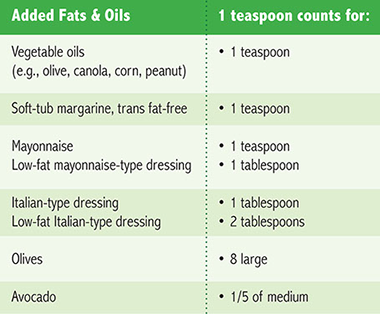
    Fats and oils are concentrated sources of energy (calories). That’s why it is important to choose small servings of fats with the most nutritional benefit.

    CHOOSEmostly plant-based fats, such as seeds, nuts, seed and nut butters, canola oil, olive oil, and avocado. These foods contain more healthy, unsaturated fats.

    LIMITanimal sources of fat (red meat, processed meats, butter, whole-milk dairy). These foods contain more unhealthy, saturated fats.

    AVOIDall trans fats. They are found in processed foods as “hydrogenated oils” and “partially hydrogenated oils” and are not considered safe.

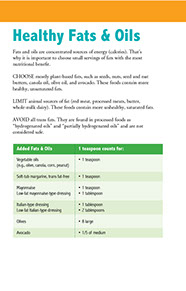
    Added fats and oils chart.

    © American Institute for Preventive Medicine
  • Healthy Body Clues

    Healthylife® Weigh

    Part 1

    Adult woman smiling with arms crossed.

    As you explore the pros and cons of making changes, consider how eating and exercise habits affect your body on a daily basis. These can provide clues to how your system is working. A serious nutrition deficiency can only be determined by your doctor, but there are ways to assess your nutritional health on a day-to-day basis.

    Dry skin & hairmay be caused by a deficit of healthy fats or a lack of B vitamins.

    Premature aging(wrinkles, sagging, dark spots, and dull skin) can reveal the body’s natural repair processes are being overwhelmed by poor lifestyle habits.

    Urinecolor can reveal dehydration or other problems in your intestines and kidneys.

    Eczemamay be linked to food allergies and/or food sensitivities, microbial imbalances, or gut-level irritations. Some research suggests that eating processed foods can cause inflammation which may lead to inflammatory disorders, like eczema.

    Nailsthat are weak or splitting could be due to a deficiency in vitamin A, vitamin C, or biotin, a B vitamin.

    Eye healthcan be hurt by a deficiency in vitamins C and E, zinc, lutein, and omega-3 fatty acids.

    Mood & energymay suffer if you are not giving your body enough fuel. You may feel cranky and easily irritated. Eating very sugary foods can also trigger headaches, discomfort, and tiredness as blood sugar spikes and drops sharply.

    Regular bowel movementsmay be a worry for you. How easy or difficult it is for you to clear toxic waste from your body can reveal clues about your fiber intake, hydration, and absorption of nutrients. Certain foods may also be more difficult for you to digest, leading to stomach pain and problems going to the bathroom.

    Benefits to healthy eating and exercise go beyond reducing long-term health risks. What you put in your body affects how you look and feel right now!

    © American Institute for Preventive Medicine
  • Have Fun With Fruits And Vegetables

    Healthylife® Weigh

    Part 2

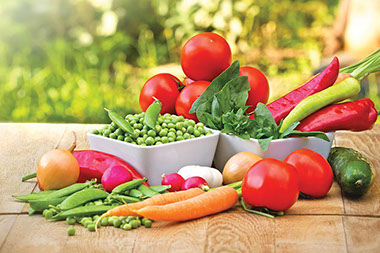
    A mix of colorful vegetables.

    Color

    *  Have color theme nights and plan a meal with foods of that color.

    *  Combine two brightly colored vegetables together (like vibrant red peppers and deep green broccoli).

    Shapes

    *  Cut fruits and vegetables into different shapes. Use a knife, cookie cutters, or a melon baller to cut stars, hearts, and other fun shapes into fruit.

    *  Use a knife or spiralizer to cut vegetables into strings, coins, or another shape.

    Texture & Temperature

    Serve fruits and vegetables at different temperatures and at different levels of “crunch.” Have raw carrots for lunch but soften celery in a soup at dinner. A salad can be hot. A soup can be cold.

    Pick a new way to prepare a vegetable this week. What best describe(s) how you plan to prepare it:

    *  Crunchy

    *  Soft

    *  Smooth

    *  Rough

    *  Jagged

    *  Al dente (firm in the middle)

    *  Hot

    *  Cold

    Toppings

    Add toasted nuts (flaked almonds, pine nuts, hazelnuts, or cashews), roasted garlic, crispy shallots, toasted seeds, or parmesan cheese to a vegetable-based salad, soup, or stir fry. Other flavorful additions include olives, chili, capers, anchovies, low-sodium soy sauce, and crumbled turkey bacon.

    Make it yours! Food can express your uniqueness.

    © American Institute for Preventive Medicine

  • Grow A Garden

    Healthylife® Weigh

    Part 7

    Family tending to backyard garden.

    Growing your own food is a great way to know where your food comes from. Garden-fresh vegetables and fruits can have more flavor and nutrients than what is at the supermarket. You can also skip the drive to a store and get some sunshine and fresh air!

    Tips for Growing a Garden:

    1.Keep It Small.Keep the size of your garden small and choose a few vegetables to grow. You’ll need fewer supplies to get started. It’ll also take less time to maintain and you’ll have fewer issues to troubleshoot. Pick foods you like. Buy small seed packets at a grocery or gardening store.

    2.Use Containers.Containers can be moved around as needed. Containers can be flower pots, buckets, wooden boxes, or leftover food containers. Cut off the top of a gallon milk jug and use the bottom for a planter. If you are starting from seeds, start plants indoors and move the containers outside when they have started to sprout. Many plants can also be planted directly in the ground outside.

    3.Allow Drainage.Make sure water can drain from the containers. Poke holes in the bottom of containers that don’t already have holes. If plants are indoors or on a patio, put a dish under the pot to catch the water.

    4.Use Quality Soil.Fill the pots with dirt. Use organic potting soil to avoid chemical add-ins. Mix in peat moss to help the soil drain. Go to a store that carries garden supplies. Ask for advice. Or, talk to neighbors who have gardens to learn what works well for them.

    5.Season + Sunlight.Read the label on the back of a seed packet. It will tell you the right time of year to start your seeds. It will also tell you how much sunshine is needed. Some plants may grow best in hot, direct sunlight. Others may prefer shade and cooler temperatures. Most vegetables, on average, need about 6 hours of sunlight per day.

    6.Give Plants Space.Read the back of your seed packet. Plant your seeds according to package directions. Be sure to leave enough space between seeds. This will give plants enough room to develop strong root systems and produce healthy, tasty crops. If you are planting more than one vegetable in a container, look at tips on the seed packet for companion planting. Companion planting is putting plants next to each other that grow well together. Some vegetables, like tomatoes and kale, don’t like sharing pots but tomatoes and spinach are quite happy sharing space.

    7.Water Regularly.Give your plants the right amount of water. Check by sticking your finger in the dirt about an inch. If it feels wet or damp, the plant is probably getting enough water. If it feels dry, add some water. Don’t leave your plants in standing water. If water came out the bottom into another container you’re using to catch the water, empty this out. If the leaves are wilting or drooping, water may perk them up!

    8.Harvest When Ready.Keep up the care of your seeds and plants and before you know it, you’ll be eating what you grow!

    Visit these websites for more information:

    National Agricultural Library (USDA)

    www.nal.usda.gov/topics/home-gardening

    Centers for Disease Control and Prevention (CDC)

    www.cdc.gov/family/gardening

    © American Institute for Preventive Medicine
  • Grocery Shopping With Kids

    Healthylife® Weigh

    Part 3

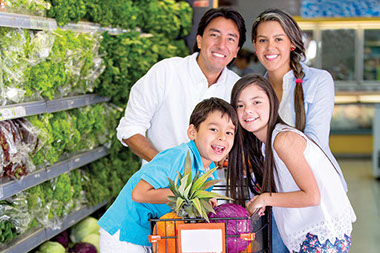
    Family of four grocery shopping.

    Grocery stores can be full of education and adventure for kids. Including kids in grocery shopping-and every part of meal prep-helps set up kids to make healthier choices later in life.

    *  Show the variety of different foods, especially in the produce section and grain aisle.

    *  Let kids pick out something colorful from the produce section. You can look up online what to do with it later!

    *  Ask kids to help you decide between healthy options (apple vs. orange). This encourages kids to make healthy choices.

    *  Discuss why certain foods are stored in the freezer or on the shelf.

    *  Ask younger kids to describe the foods you pick out. Use shapes, colors, and counting to identify foods on the shelf or in your cart.

    *  Ask older kids to help you read labels and signs in the store. Explain what these labels mean.

    © American Institute for Preventive Medicine
  • Grocery Shop With Confidence

    Healthylife® Weigh

    Part 3

    Couple grocery shopping.

    Grocery stores can be wonderful places to explore new foods. The average grocery store has over 10,000 different items. Some of these foods are healthy “everyday” food choices. Add these more often to your cart. Others are “sometimes” or “once in a while” foods. Add these foods less often.

    Tips for Healthy Grocery Shopping:

    1. Choose a low-stress time to grocery shop, if possible. Make sure you have enough time to do your shopping. Stressed grocery shopping can make it harder to stick to your healthy list.

    2. Have a healthy snack before going to the grocery store. This will help you avoid buying less healthy foods on impulse.

    3. Shop the outer edges of the grocery store. This is where you will find fresh produce, dairy, eggs, meats/poultry/seafood, and frozen fruits and vegetables. Go into inner aisles for specific items on your list, but not to browse.

    4. Look for recipes or tips in the produce department. Stores often provide tips for cooking vegetables or a chart showing which fruits and vegetables are in season.

    5. Look for products locally grown or raised. Locally grown produce and livestock can be more nutritious and tasty. Nutrients and flavor can break down during storage and transport. Locally grown food may also be grown more sustainably and buying it supports the community.

    6. Sample healthy foods. Samples, such as cheese cubes or crackers with dip, can take the edge off in a portion-controlled serving. A bite-sized sweet treat can satisfy a craving and help you avoid picking up a larger version of that treat.

    7. Avoid your weak areas. Avoid an aisle that has many unhealthy foods that you have difficulty resisting. Or, keep your eyes forward when walking by these foods.

    8. Buy treats in small portions. Avoid the super-size trap of large portions of unhealthy food. Rather than buying a full tub of ice cream or a boxed brownie mix that will yield a full pan of brownies, get small-sized versions. Choose a single-serving ice cream or an individual brownie at the bakery.

    9. Read labels. Many of the healthiest foods, such as fruits and vegetables, won’t have food labels at all. If they do, they only give a snapshot of the true value of the food.

    © American Institute for Preventive Medicine