Blog

  • Grains And Starches 2

    Healthylife® Weigh

    Menus & Recipes

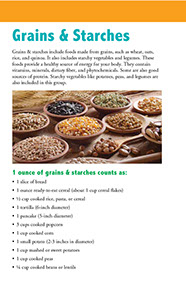
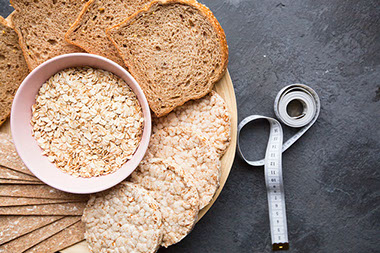
    A bowl of oat flakes, wholegrain bread, crisps and tape-measure.

    Grains & starches include foods made from grains, such as wheat, oats, rice, and quinoa. It also includes starchy vegetables and legumes. These foods provide a healthy source of energy for your body. They contain vitamins, minerals, dietary fiber, and phytochemicals. Some are also good sources of protein. Starchy vegetables like potatoes, peas, and legumes are also included in this group.

    1 ounce of grains & starches counts as:

    *  1 slice of bread

    *  1 ounce ready-to-eat cereal (about 1 cup cereal flakes)

    *  ½ cup cooked rice, pasta, or cereal

    *  1 tortilla (6-inch diameter)

    *  1 pancake (5-inch diameter)

    *  3 cups cooked popcorn

    *  1 cup cooked corn

    *  1 small potato (2-3 inches in diameter)

    *  1 cup mashed or sweet potatoes

    *  1 cup cooked peas

    *  ¼ cup cooked beans or lentils

    Eat foods rich in whole grains & fiber

    Choose whole grains or grains with more fiber more often. Try to make at least half of your grain choices whole grains. Look for “whole grain” on the ingredients label. It should be the first ingredient for bread, cereal, or pasta. Here are some examples of whole grains:

    *  Whole wheat, rye, or oats

    *  Millet

    *  Whole grain barley, flour, or cornmeal

    *  Oatmeal

    *  Bulgur

    *  Quinoa

    *  Buckwheat

    *  Brown rice

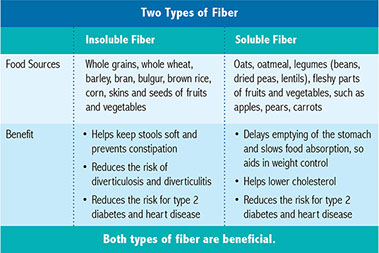
    In addition to whole grains, fiber is found in fruits, vegetables, seeds, nuts, and legumes.

    © American Institute for Preventive Medicine

  • Grains And Starches

    Healthylife® Weigh

    Part 2

    A bowl of oat flakes, wholegrain bread, crisps and tape-measure.

    Grains & starches make up one quarter of MyPlate. This section includes foods made from grains, such as wheat, rice, quinoa, and oats. It also includes starchy vegetables like potatoes, winter squash, peas, and legumes.

    1 ounce of grains & starches counts as:

    *  1 slice of bread

    *  1 ounce ready-to-eat cereal (about 1 cup cereal flakes)

    *  ½ cup cooked rice, pasta, or cereal

    *  1 tortilla (6-inch diameter)

    *  1 pancake (5-inch diameter)

    *  ¼ cup cooked beans or lentils

    *  5 whole wheat crackers

    *  ½ English muffin

    *  1 small potato (2-3 inches in diameter)

    *  ½ cup mashed potatoes

    *  1 cup green peas

    *  3 cups popped popcorn

    Grains and starchy vegetables are a healthy source of carbohydrates. They provide important vitamins, minerals, dietary fiber, and phytochemicals (plant chemicals). Some are also good sources of protein.

    Limiting grains to a quarter of your plate may be a change for you.   Here are some tips to modify your favorite foods:

    *  Lose the top. Create an open-face sandwich or hamburger.

    *  Double the veggies. In a casserole, use a 2 to 1 or 3 to 1 ratio with vegetables to whole grain pasta or rice.

    *  Add extra veggies to a whole grain pizza crust. You’ll feel fuller with fewer slices of pizza.

    Choose Whole Grains

    Whole grains are nutrient-dense carbohydrates. Whole grains contain the entire grain kernel, including the endosperm, bran, and germ. The bran and germ contain vitamins, minerals, fiber, protein, antioxidants, and healthy fats. The endosperm contains carbohydrate, protein, and trace amounts of vitamins and minerals.

    When grains are processed, the bran and germ are removed. The endosperm by itself does not have as many nutrients as the whole grain.

    Enriched grains have nutrients added back into the food during processing. However, the vitamins and minerals that are added back in are only some of the nutrients lost during processing. Consuming the whole grain is the best way to obtain the nutrients originally found in that food.

    Make at least half of your grain choices whole grains.

    Look for “whole grain” on an ingredients label. For a grain product like bread, cereal, or pasta, this should be the first ingredient. If there is a blend of whole and enriched grains, the product may not have as much nutritional value as a product made with only whole grains.

    Try different whole grains. Each variety offers different nutrients and flavor. Swap out white pasta or rice for one with whole grains this week. Or, use half white and half whole grain choices. Work up to using all whole grains.

    *  Whole wheat, rye, or oats

    *  Millet

    *  Whole grain barley, flour, or cornmeal

    *  Oatmeal

    *  Bulgur

    *  Quinoa

    *  Buckwheat

    *  Brown rice

    Limit your intake of refined grains like white flour and white rice. These grains have been stripped of many nutrients and fiber. Limit foods made with refined grains like cookies, cakes, and some snack foods. These foods may be high in saturated and trans fats, added sugars, and sodium. For the calories those foods have, you may not be getting many nutrients. Eating these foods does not give you a “bang for your buck.”

    Eat Foods Rich in Fiber

    Fiber is a carbohydrate. It does not provide 4 calories per gram that other carbohydrates do because the body does not break down fibers and absorb them. Foods with fiber do, however, have calories. Fiber is found in plant foods. Animal foods do not have fiber. Include fiber from a variety of sources. Include vegetables, fruits, seeds, nuts, legumes, and whole grains in your diet.

    How Much Fiber Do I Need Each Day?

    Men: About 38 grams daily

    Women: About 25 grams daily

    How Can I Meet this Goal?

    The average American consumes only 15 grams of fiber a day. Here are some easy meal and snack suggestions for increasing your fiber consumption.

    *  Make half of your plate fruits and vegetables.

    *  Add legumes (beans, lentils, etc.) to salads, soups, chili, etc.

    *  Snack on raw veggies.

    *  Choose whole fruits over fruit juices.

    *  Swap white and refined breads/cereals/pastas for whole grain breads/cereals/pastas.

    *  Add flaxseed meal to oatmeal, smoothies, yogurt, and baked goods.

    *  Add berries to salads, oatmeal, and yogurt.

    *  Purée cooked vegetables and add to sauces and stews.

    *  Slice or grate spinach and carrots to add to banana bread, shakes, eggs, or stir fry.

    *  Soak chia seeds in water for an hour or more. They will form a goopy gel that can be used for thickening smoothies, making pudding, or replacing eggs in baked goods.

    Increase your fiber intake gradually. Your digestive system needs time to catch up. Adding too much fiber too quickly can cause gas, bloating, cramps, and diarrhea. Add 5 grams of fiber a day at two-week intervals until you are meeting the Institute of Medicine goal (25 grams daily for women; 38 grams daily for men).

    As you increase your fiber intake, be sure to increase your water consumption as well. Fiber needs water to function properly and to comfortably clear your colon.

    Legumes (Beans and Peas)

    Legumes include all kinds of beans (kidney, pinto, white, black, garbanzo, lima), split peas, lentils, and edamame (green soybeans). Legumes are an excellent source of dietary fiber, protein, iron, zinc, potassium, and other important nutrients. Their nutrient profile puts them in the starchy vegetable group as well as in the protein group. They can be counted toward either of the MyPlate food groups.

    Ways to include legumes in your diet:

    *  Add different kinds of beans to a chili or soup. Each type of bean offers something different and helpful for your body.

    *  Pack edamame as a grab-and-go snack.

    *  Toss cooked, washed beans onto a salad for a filling meal with long-lasting energy.

    *  Add black or pinto beans to a burrito with grilled vegetables and brown rice. Top with salsa for an extra source of vegetables.

    Starchy Vegetables

    Include starchy vegetables to fulfill the grain/starch requirement. Aim for at least one of your daily starch choices to be from this group.

    Starchy Vegetables (1 serving = 1/2 cup to 1 cup)

    *  Corn

    *  Green peas

    *  White potatoes

    *  Parsnips

    *  Butternut squash

    *  Acorn squash

    *  Plantains

    *  Pumpkin

    *  Sweet potatoes

    Ways to include starchy vegetables in your diet:

    *  Use potatoes and squash as a thickener in soups.

    *  Add corn to a breakfast burrito with beans, eggs, and salsa.

    *  Cube peeled winter squash, such as butternut squash, and roast in the oven with oil and spices.

    *  Spiralize squash for a colorful cold salad.

    *  Blend pumpkin purée into muffins for a punch of vitamin A and fiber.
    © American Institute for Preventive Medicine

  • Getting Started With Menu Planning

    Healthylife® Weigh

    Menus & Recipes

    Meal planning.

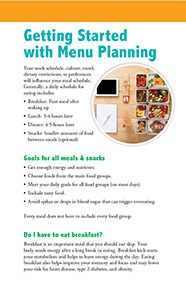
    Your work schedule, culture, travel, dietary restrictions, or preferences will influence your meal schedule. Generally, a daily schedule for eating includes:

    *  Breakfast: First meal after waking up

    *  Lunch: 3-4 hours later

    *  Dinner: 4-5 hours later

    *  Snacks: Smaller amounts of food between meals (optional)

    Goals for all meals & snacks

    *  Get enough energy and nutrients.

    *  Choose foods from the main food groups.

    *  Meet your daily goals for all food groups (on most days).

    *  Include tasty food.

    *  Avoid spikes or drops in blood sugar that can trigger overeating.

    Every meal does not have to include every food group.

    Do I have to eat breakfast?

    Breakfast is an important meal that you should not skip. Your body needs energy after a long break in eating. Breakfast kick-starts your metabolism and helps to burn energy during the day. Eating breakfast also helps improve your memory and focus and may lower your risk for heart disease, type 2 diabetes, and obesity.

    © American Institute for Preventive Medicine

  • Get Enough Sleep

    Healthylife® Weigh

    Part 3

    Man sleeping.

    Not getting enough sleep can affect your appetite and make it harder to manage your blood sugar. A shortage of sleep also:

    *  Triggers ghrelin, a hunger hormone. Ghrelin increases appetite, especially for sweets, salty foods, and starches.

    *  Decreases another hormone, leptin. Leptin helps your body know when you are full.

    *  Increases anxiety and negative feelings, which can lead you to eat unhealthy snacks and overeat “comfort foods.”

    *  Decreases energy to exercise.

    Tips for Improving Sleep

    *  Create a comfortable place to sleep. Make sure your bed, pillows, and bedding are comfortable.

    *  Maintain a slightly cool temperature in the bedroom.

    *  Avoid looking at a screen (TV, laptop, smartphone, tablet, etc.) 30 minutes before bed.

    *  Create a bedtime and waking routine.

    *  Reserve the bed for sleep and sex. Avoid doing other activities in bed, like work or having an argument.

    *  Have a small snack before bed if you are hungry.

    *  Avoid foods high in sugar or refined carbohydrates just before bed. The rise in blood sugar can provide a burst of energy that keeps you alert and makes it difficult to go to sleep.

    *  Avoid foods that are likely to cause acid reflux (heartburn), gas, cramping, or indigestion if you are prone to these problems. Fatty or spicy foods, beans, garlic, peanuts, and dairy foods may cause discomfort for some people.

    © American Institute for Preventive Medicine

  • Fruits & Vegetables 2

    Healthylife® Weigh

    Menus & Recipes

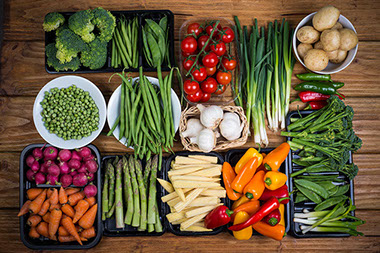
    A variety of vegerables.

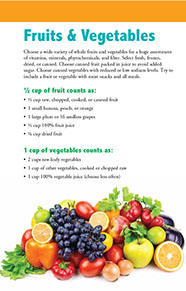
    Choose a wide variety of whole fruits and vegetables for a huge assortment of vitamins, minerals, phytochemicals, and fiber. Select fresh, frozen, dried, or canned. Choose canned fruit packed in juice to avoid added sugar. Choose canned vegetables with reduced or low sodium levels. Try to include a fruit or vegetable with most snacks and all meals.

    ½ cup of fruit counts as:

    *  ½ cup raw, chopped, cooked, or canned fruit

    *  1 small banana, peach, or orange

    *  1 large plum or 16 seedless grapes

    *  ½ cup 100% fruit juice

    *  ¼ cup dried fruit

    1 cup of vegetables counts as:

    *  2 cups raw leafy vegetables

    * 1 cup of other vegetables, cooked or chopped raw

    * 1 cup 100% vegetable juice (choose less often)

    © American Institute for Preventive Medicine

  • Fruits & Vegetables

    Healthylife® Weigh

    Part 2

    A variety of vegerables.

    Fruits & vegetables make up the biggest part of MyPlate.

    Why should I eat fruits & vegetables?

    1. Fruits & vegetables are packed with nutrients. They provide essential vitamins and minerals, fiber, and a variety of phytochemicals (plant chemicals) that may play a role in preventing certain diseases.

    2. Fruits & vegetables contain water that helps you stay hydrated.

    3. Fruits & vegetables are high in fiber, which improves digestion and helps you feel full. Fiber also helps you use the energy from your food for a longer period of time, reducing feelings of hunger.

    4. Fruits & vegetables are tasty and can be prepared in many ways. They can add color, crunch, and flavor to your meals and snacks!

    Aim for variety

    Fruit: Choose a variety of whole fruits. The skin contains many unique nutrients and a lot of heart-healthy fiber. Choose fresh, frozen, canned (in juice to avoid added sugars), or dried fruits. ½ cup of fruit counts as:

    *  ½ cup raw or cooked fruit

    *  1 small banana, peach, or orange

    *  1 large plum or 16 seedless grapes

    *  ½ cup of chopped, cooked, or canned fruit

    *  4 tablespoons or 1/4 cup of raisins, prunes or dates

    *  ½ cup 100% fruit juice

    Vegetables: Include a variety of choices during your day. Choices can be fresh, frozen, or canned (choose low-sodium options). 1 cup of vegetables counts as:

    *  2 cups raw leafy vegetables

    *  1 cup of other vegetables; cooked or chopped raw

    *  1 cup 100% vegetable juice (choose juices less often)

    © American Institute for Preventive Medicine

  • Food Labels 2.0

    Healthylife® Weigh

    Part 7

    Woman choosing and reading label on bread in market.

    You have learned the clues on a food label that can point you toward a healthy choice or away from an unhealthy one. Here are some other common labels on food packaging and what they mean.

    Organic produceis grown without synthetic pesticides, herbicides, fertilizers, ionizing radiation, or genetically modified organisms (GMOs).

    Organic meat, poultry, eggs, and dairy productsare produced without antibiotics or growth hormones.

    Benefits of Organic Food

    *  Organic food may be tastier to you.

    *  Organic growing practices may be more sustainable and produce more nutritious food, though this is not always the case.

    *  You may avoid potentially harmful chemicals that may be added during conventional growing and processing.

    The Environmental Working Group publishes a list each year of the “Dirty 12™” and “Clean 15™.” Many plants, like avocados and corn, are naturally disease resistant and hardy. This means fewer pesticides are used on these plants, even when conventionally grown. These plant foods make up the “Clean 15™.” Other plants are less hardy and conventional growing tends to apply more synthetic pesticides. Prioritize buying the “Dirty 12™” organically. Go towww.ewg.orgto learn more about organic farming and see the year’s list.

    Clean all produce before use, whether it is grown organically or conventionally.

    Make your own veggie wash:Mix 2 cups cold tap water with ¼ cup white wine vinegar and 2 tbsp. lemon juice. Pour into a spray bottle. Squirt on your produce and let rest for 2 minutes. Rinse in tap water.

    Non-GMO Project Verifiedfoods do not contain GMOs. This means that the plant was not derived through genetic engineering. The most common products containing GMOs are corn, soy, sugar, and products made from these plants.

    Few studies have been done testing the long-term effects of consuming GMOs. However, GMO farming practices have led to increased use of synthetic pesticides and herbicides. Labeling laws and regulations surrounding GMOs are in development at the time of this guide’s publishing.

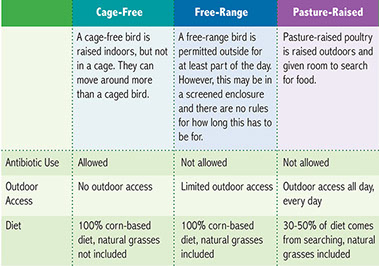
    Cage-Free, Free-Range, and Pasture-Raisedlabels refer to the living conditions of poultry. These labels indicate standards for animal welfare.

    Chart showing Cage-Free, Free-Range, and Pasture Raised definitions.

    © American Institute for Preventive Medicine

  • Feeling Full

    Healthylife® Weigh

    Part 6

    Man feeling full.

    Learn to better evaluate your fullness. It can take twenty minutes to start feeling physically full.

    1. Be satisfied in other ways. Enjoy the taste of food, the people you are with, or the place you are eating.

    2. Express gratitude for your food. This includes who prepared the food (it may be you!) and where it comes from.

    3. Drink a glass of water throughout the meal. This will help with digestion and feeling full.

    4. Make half your plate vegetables. It will take longer to eat these nutrient-dense foods.

    5. Keep consistent “food rules” like sitting at the table and drinking a glass of water with each meal or snack. This can be a built in “speed bump” for overeating. If you don’t want to sit at the table or drink water, you may not be physically hungry and emotional hunger is your trigger.

    6. When tracking your intake, also track your hunger-fullness using the scale to the right. Try to eat in the gray area (range 4-7). Avoid being too hungry or too full.

    The Hunger-Fullness Scale

    0: Empty

    1: Ravenous

    2: Over-hungry

    3: Hunger pangs

    4: Hunger awakens

    5: Neutral

    6: Just satisfied

    7: Completely satisfied

    8: Full

    9: Stuffed

    10: Sick

    7. Slow down. If you can, try to increase the time it takes you to finish your meal by 50%. If you currently finish dinner in 10 minutes, set a timer to stretch the meal out by 5 minutes-or longer!

    © American Institute for Preventive Medicine

  • Fast-Food Restaurants

    Healthylife® Weigh

    Part 3

    Mexican tacos with meat, beans and salsa.

    Fast-food restaurants can be very convenient, especially if they have a drive-thru window. Look for the healthier choices on the menu, though they may not be the biggest or most colorfully advertised.

    If you are getting a meal, use the MyPlate guidelines. Choose from at least two food groups, like protein + fruit or protein + vegetable + dairy. Count these toward your goals for the day.

    Tips

    *  Choose grilled options over fried. This reduces saturated fat.

    *  Look for lower-sodium options.

    *  Order the smaller portions on the menu.

    *  Order water instead of 100% fruit juice. Order 100% fruit juice instead of soda.

    *  If you are treating yourself, choose a small portion, like a small ice cream.

    *  Eat half a portion and save the other half for later. Or, split a meal or menu item with a friend.

    Healthier Choices

    *  Regular burger, skip the fries and add a side salad with a vinaigrette dressing

    *  Grilled chicken wrap with apple slices and a side salad

    *  4-piece chicken nuggets, small fries, apples, yogurt

    *  Salad with chicken and a clementine

    *  Chili with a small salad

    *  Baked potato with plain yogurt

    A menu item may be prepared differently at a specific location, which affects nutrition. For example, an extra scoop of cheese or dash of salt can add extra saturated fat or a lot of sodium to a food. Take posted nutrition information with a grain of salt!

    © American Institute for Preventive Medicine

  • Face Unsupportive Situations

    Healthylife® Weigh

    Part 4

    Couple using laptop computer at home on sofa.

    Apply the suggestions in the table below to your challenges. Not all strategies will be right for all scenarios. You can turn a negative situation into a positive one for everyone.

    *  Let others know what your goals are and why you are working to achieve them.

    *  Model trying new foods and being open to new tastes.

    *  Reduce the amount of time spent with negative people, if possible.

    *  Describe your efforts as a lifestyle change rather than a diet.

    *  Share how you are doing things differently this time if you have struggled in the past.

    *  Let supportive people know how much their support means to you. Send a sincere thank you card, email, or share a kind word in person. They will likely help you again.

    *  Enjoy treats every now and then. Plan to have a small amount. Don’t let guilt rob you of enjoying the treat!

    © American Institute for Preventive Medicine