Blog

  • Save With Medical Self-Care. It Makes You More Aware.

    Medical Care

    Close up of arm and hand using an at home blood pressure machine.

    *  Use a medical self-care book. It helps you choose when to seek medical care for a problem and when to treat it on your own. It gives information to help you feel confident when caring for the problem and helps you learn what to do to lower your risk of getting sick.

    *  Access your health plan’s online resources for health information.

    *  Call your Nurse Advice Line for information and assessment of symptoms and what to do for them.

    *  Use credible eHealth portals. Examples are:medlineplus.govand other online resources that are approved by Health On the Net (HON).

    *  Take a free or low-cost first-aid class in your community. Stock self-care supplies in your house.

    *  Take medications as prescribed by your doctor. If you don’t, you could end up paying significantly more for medical services including more frequent doctor visits, emergency care, and hospitalization.

    *  Follow your doctor’s treatment plan for exercise, diet, and other self-care measures, too.

    A Year of Health Hints book by the American Institute for Preventive Medicine. www.HealthyLife.com. All rights reserved.

    © American Institute for Preventive Medicine

  • Save On Medications

    Medical Care

    Image of mother and daughter at the pharmacy.

    Ask for freebies.

    If you are prescribed a new medicine, ask your doctor if you can have free samples or a prescription for fewer tablets. This allows you to try the medicine before you pay for a full month’s supply.

    No frills pills.

    Instead of brand name drugs, ask for generic ones. These usually cost less. Co-pays for generics cost less, too. Even if your doctor gives you free samples to try, ask if a generic form of the medicine can be prescribed. If the sample medicine does not have a generic form, ask if you can get another generic medicine that has the same effects. Find out more about generic drugs from 888.INFO.FDA (463.6332) orwww.fda.gov/cder/ogd.

    Split the pill, split the cost?

    When your doctor prescribes medicines, ask if it would save money to prescribe pills that could be split in half. This means you would get two months of medicine for the cost of one. Use a pill splitter from a drug store to help keep the halves an equal size. Split one pill at a time so you take the halves in back-to-back doses.

    Mail order your medicine.

    Use a mail order pharmacy for prescribed medicines you take on a regular basis. You usually get a 3-month supply for the same cost you would pay for one month at a drug store. Your doctor needs to write a prescription for 3 months.

    Shop around.

    Medicine prices can vary a lot. Call large chains first. They can pass along the savings of buying in bulk. Even so, your local pharmacy may have a lower price on some drugs. Make sure the pharmacy takes your insurance. Some pharmacies offer 24-hour emergency and delivery services. Some keep track of all the drugs you buy. They can check for harmful mixtures of drugs. Think about helpful service and convenience, as well as cost.

    Deal or no deal.

    Costs for medicines from foreign Internet sites may or may not be cheaper. A study by the FDA showed that generic drugs sold in the U.S. are often cheaper than both Canadian brand-name and generic drugs. Factor in shipping and handling costs, too. {Note: Get safety information on imported drugs fromwww.fda.gov/importeddrugs. Before you buy prescriptions on the Internet, make sure the pharmacy has the VIPPS seal. This stands for Verified Internet Pharmacy Practice Sites. Also, check with the National Association of Boards of Pharmacy atwww.nabp.netor call 847.391.4406 to find out if a Web site is a licensed pharmacy in good standing.}

    Medicare Part D may be free.

    If you are eligible for Medicare, you may benefit from Medicare Part D Prescription Drug Savings Program. To find out, contact: Medicare Choices Helpline at 800.MEDICARE (633.4227) orwww.medicare.gov. Before you call, have a list of all the medicines you take, their dosages, and your zip code.

    Take all of it.

    If your doctor or pharmacist says to take a drug until it is gone, do it. Don’t stop taking the medicine even if you start to feel better. This also applies to medicines you take for high blood pressure, diabetes, and heart disease. You can also avoid the cost of getting sick again. If you stop taking medicines because you can’t pay for them, talk to your doctor.

    Store OTC medicines in a good place.

    The bathroom medicine chest is not a good place. Bathroom heat and humidity can make drugs lose their power faster. This means they would have to be replaced sooner. A kitchen cupboard or linen closet is better, especially if it has a lock.

    The best medicine may be no medicine.

    Don’t pressure your doctor to prescribe medicine if he or she doesn’t think you need it. For example, antibiotics treat bacterial infections, not viral ones, such as colds and flu.

    Find out about prescription savings programs.

    *  The Partnership for Prescription Assistance at 888.4PPANOW (477.2669) orwww.pparx.org. This program offers a single point of access to more than 475 public and private patient assistance programs. This includes over 150 drug company programs.

    *  NeedyMeds at 215.625.9609 orwww.needymeds.com. This Web site gives information to help you find programs to help you with the cost of medicines and other health care expenses.

    *  PAP Advocates for Patient Assistance Programs at 870.873.4629 orwww.prescriptionmedicationhelp.com. This helps you enroll in programs to be able to get prescribed medicines for free.

    *  RxAssist at 401.729.3284 orwww.rxassist.org. With this, pharmaceutical companies provide free medicines to people who cannot afford to buy their medicine.

    *  Together Rx Access atwww.togetherrxaccess.com. This is a prescription savings program for people with no prescription coverage. Persons enrolled get a Together Rx Access Card to present at drug stores to save money on certain prescriptions.

    *  FRxEE Medicine™ Foundation.com atwww.freemedicinefoundation.com.

    *  NORDs Medication Assistance Program atwww.rarediseases.org/programs/medication.

    Save money on store brands.

    When you do buy OTC medicines, buy store brands instead of name brands. Like prescribed generic medicines, these have the same active ingredients, but cost less.

    Keep it simple.

    When you buy over-the-counter medicines, don’t buy combination ones, such as cold pills that have a decongestant and an antihistamine. There will be times when you need only one of these ingredients.

    Read OTC labels.

    Don’t waste your money on over-the-counter (OTC) medicines that you don’t need. Read the label to make sure it’s the right product to treat your symptoms. If you have questions about how useful a product is, ask the pharmacist and/or your doctor.

    Simplify your home Rxs.

    Keep some OTC medicines handy for common problems like fever or heartburn. Only buy OTC medicines you use often because they lose their effects over time. Most are good for three years or less. (Check the labels for the expiration dates.)

    Cover image to the Healthy Savings book by the American Institute for Preventive Medicine. www.HealthyLife.com. All rights reserved.

    © American Institute for Preventive Medicine

  • Save On Hospital Services

    Medical Care

    Image of nurse helping a women walk.

    Hunt for hospital quality.

    Choose a hospital that has a good success record with the kind of surgery you need. You are less likely to die or have serious problems if the hospital does the surgery a lot. What is “a lot”? Some experts say the hospital should do a surgery at least 200 times a year. If the surgery you need is rare, that may not be possible. Ask about the hospital’s experience with surgeries like yours. Talk to your doctor, the hospital administrator, or the hospital’s chief of staff.

    Avoid hospital germs.

    Five to 10% of all hospital patients will get an infection they did not have before they were in the hospital. To protect yourself:

    *  Be well-rested and well fed before you go to the hospital.

    *  Check that persons who give you care wash or sanitize their hands.

    *  If a roommate gets pneumonia, ask to have your room changed.

    Control consults.

    You could get a hospital bill for a doctor visit that you didn’t even know about. To avoid this, try to make sure your doctor knows that you or someone acting for you must approve a consult with another doctor. If you can, ask your insurance company if the cost of the consult is covered in part or in full.

    Keep track of hospital services.

    Keep a list of services you get. Compare the list to your hospital bill. Have a friend or relative make the list if you can’t. Also, ask for an itemized bill and check it. Some common things to note are:

    *  Doctor visits. X-rays. Tests.

    *  Medicines (pills, shots, IVs).

    *  Giving blood samples.

    *  Consults and services with specialists.

    *  Anesthesia. Surgery. Receiving blood.

    *  Room charges. Telephone and TV charges.

    You stay, you pay.

    Find out when hospital check out time is and make plans to follow it. If not, you may be charged for an extra day.

    Cover image to the Healthy Savings book by the American Institute for Preventive Medicine. www.HealthyLife.com. All rights reserved.

    © American Institute for Preventive Medicine

  • Save On Eye Care

    Medical Care

    Image of eye doctor with patient.

    “See” what you can do to get free or low cost vision care.

    Get a list of state and national resources for free and low-cost aid fromwww.nei.nih.gov/health/financialaid.asp.

    Eyeing eye care.

    It costs less to have an eye exam from an optometrist than an ophthalmologist. An optometrist (O.D.) is trained and licensed to examine eyes, prescribe lenses, and detect vision problems. Ophthalmologists are M.D.s. They can do everything optometrists do. They can also do surgery and prescribe medicines.

    Experience counts.

    If you are thinking about having surgery, etc. to correct your vision, find an eye surgeon who has a good record and approved equipment for the type of surgery you want to have. Ask your current eye doctor to recommend an eye surgeon. Don’t just use ads and low prices as your only factors in choosing an eye surgeon. It could cost you more in the long run.

    Get it in writing.

    When you get an exam for eyeglasses or contact lenses, get a copy of the prescription. Use it to get prices from different retail places, pharmacies, mail-order companies, and online sites.

    Check for coupons and discounts.

    Some retailers offer discounts, “buy one, get one free,” etc. You may also be able to get a discount on eyeglasses, etc. through membership with your auto insurance company, credit card program, and/or warehouse stores.

    Cover image to the Healthy Savings book by the American Institute for Preventive Medicine. www.HealthyLife.com. All rights reserved.

    © American Institute for Preventive Medicine

  • Save On Doctor’S Fees. Communication Is Key.

    Medical Care

    Doctor holding a pink piggy bank in hands.

    *  Get services from in-network providers. If it is essential for you to see an out-of-network specialist, call your health insurer’s pre-certification department and ask if it will cover services at the in-network rate.

    *  Before you go, ask how much the visit will cost. For each visit, ask again. Ask if a telehealth visit would cost less. This is helpful if a physical exam is not necessary.

    *  Sometimes, your doctor charges more than what your insurance will pay. If so, ask if he or she will accept what the insurance pays and not ask you to pay more.

    *  If you have a high deductible plan, ask if fees are negotiable. Ask if you can be charged less, especially if you are on a limited budget.

    *  Ask if your doctor will give a discount for paying at the time of your visit.

    *  If possible, schedule visits with the doctor’s Physician’s Assistant or Nurse Practitioner. The cost may be less. You may also be able to spend more time discussing your needs.

    *  When you can, call or email your doctor for advice. Find out if and what fees your doctor charges for these services.

    A Year of Health Hints book by the American Institute for Preventive Medicine. www.HealthyLife.com. All rights reserved.

    © American Institute for Preventive Medicine

  • Save On Doctor Bills & Health Tests

    Medical Care

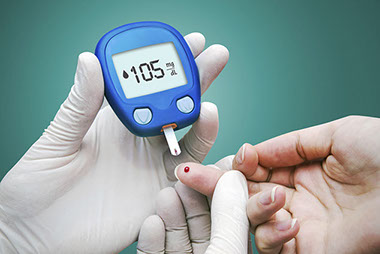
    Close up image of a glucose test.

    Save with self-care.

    It is estimated that 23% of all doctor visits could be treated with self-care.

    Use online medical resources.

    Use credible sites. Look for ones that pass national standards. Examples are ones with the letters HON or URAC.

    Know when to go.

    If you have access to a Nurse Advice Line, use it to find out what you can do to treat the problem yourself or if you need to seek medical care.

    Take part in free or low-cost screening tests.

    These may be held at local health fairs and hospitals and at your place of work. Common things checked are blood pressure, blood sugar, and blood cholesterol. Find out about these from your local newspapers, your work site, your church, and ads that come in the mail.

    Emergency or not?

    Every year, as many as 55% of emergency room visits are not necessary. When your problem is not a medical emergency, see a doctor. Or, go to a walk-in clinic. Walk-in clinics are open evenings and on weekends.

    Find out about national health observances.

    Days, weeks, or months are devoted to promote certain health concerns. For example, October is National Breast Cancer Awareness Month. Free and low-cost mammograms are likely to be offered this month. Find out more from the National Health Information Center atwww.healthfinder.gov/library/nho/nho.aspand the National Wellness Institute atwww.nationalwellness.org.

    Back to school.

    Colleges offer free or low-cost health services to students. Check the school’s Web site for information. Health care can be given on campus. It may be given at clinics or even medical schools near the campus. Some medical schools have clinics that offer reduced cost services to the public, too. Find out if any are near you.

    First do no harm.

    Medical studies report a new “breakthrough” or a new treatment almost every day. Sometimes it’s hard to know what’s good for you. Before you try a new treatment, check with your doctor to make sure it is okay for you. Get facts on products from:

    Ask for seconds.

    Every year, people have six to 10 million surgeries they don’t need. One way to avoid a surgery you don’t need is to get a second opinion from another doctor. When you go to the second doctor, bring copies of your records and tests. That way, you won’t waste time and money having them done again. Check with your health insurance plan to find out if a second opinion is paid for.

    Get help to pay for health problems.

    Find out places you can get help to pay for many health care conditions from MedlinePlus® atwww.medlineplus.gov. Search for “medical financial assistance.”

    Seek out services from support staff.

    Schedule visits with the doctor’s Physician’s Assistant or Nurse Practitioner. The cost may be less. You may also be able to spend more time discussing your needs.

    Time is money!

    The average wait time in a doctor’s office is about 20 minutes, but the wait time can be much longer. Schedule office visits for times that are less likely to be busy, such as the first appointment of the day. You can also call ahead to see if the doctor is on schedule and ask what time you should come.

    Help can be a call or click away.

    When you can, call or e-mail your doctor for advice. Find out the doctor’s rules for phone calling and e-mailing.

    Fee finding.

    Before you have surgery or other medical procedures, your health care provider will contact your health insurance company to find out if and how much of the cost is a covered expense. Then you’ll know what, if any, fees you will be required to pay.

    Ask for itemized bills.

    Get these from your doctor, clinic, etc. If you don’t, you may be sent a bill just for total charges. This won’t show the cost for each procedure, test, etc. You won’t be able to see if you were charged for services you did not receive.

    Make sure bills are correct.

    Check all medical bills and “explanation of benefits” (EOBs) from your health insurance plan. Many bills have mistakes. If you find a mistake, call the phone number on the billing statement.

    Be organized.

    Set up a filing system for all your medical bills, EOBs, receipts for payment, etc. This makes it easier to find what you need.

    *  Keep track of medical bills for each family member.

    *  Keep a tally for the total amount spent. Then you can tell when you reach individual and family “deductibles” and maximum “out-of-pocket” expenses. Your insurance plan won’t start paying until you reach your deductible for the year. Once you have reached your out-of-pocket maximum for the year, the insurance plan pays the whole bill on services they cover.

    *  If you have met your deductible, and especially if you have met your out-of-pocket maximum, schedule follow-up visits, etc. before the year is over. In other words, don’t wait until January to see the doctor. It will cost you less for a doctor visit or other health care service before the end of the year.

    Save on doctor’s fees.

    *  Before you go, ask how much the visit will cost. At each visit, ask again.

    *  Ask your doctor if fees are negotiable. Ask if you can be charged less, especially if you are on a limited income.

    *  Sometimes the doctor’s fee is more than your insurance will pay. If so, ask if your doctor will take what your insurance pays and not ask you for more.

    *  Ask if your doctor will give you a discount for paying at the time of your visit.

    *  Ask for a statement for your insurance company, if you need it. Ask that the right diagnostic and procedure codes be listed.

    Ask why?

    The Food & Drug Administration says that 20 to 60% of medical tests performed aren’t needed. When your doctor prescribes a test or X-ray, ask why it is needed. Ask about risks and what your costs will be. To save time and the cost of more X-rays, find out if any X-rays you’ve already had could be used.

    Grade at-home tests.

    At-home tests can be cheaper and save you a trip to the doctor. But some at-home tests are not as accurate as lab tests. Your doctor or pharmacist can answer your questions about at-home tests.

    Study for that test.

    You have to prepare for some lab tests. Find out what to do before you take the test. For example, you may need to stop eating the night before, follow a special diet, or stop taking all medicines. Get instructions in writing. It’s very important that you follow them. If you don’t, it could ruin the test results.

    Save on costs for medical supplies and equipment.

    First, find out what your health insurance covers for items you need. A prescription may be needed for items to be covered. Check, too, with your senior center, your church, and local agencies for free and used items, such as a wheelchair, a walker, etc. You can also check out Web sites that buy and sell items, such aswww.MEDmarketplace.com.

    Testing, testing.

    Test results can be wrong. If your doctor suggests surgery or an expensive treatment based on a test’s results, you may want to have the test again.


    Cover image to the Healthy Savings book by the American Institute for Preventive Medicine. www.HealthyLife.com. All rights reserved.

    © American Institute for Preventive Medicine

  • Save On Dental Care

    Medical Care

    Image of dentist with patient.

    Take care of those teeth.

    Get a dental checkup twice a year. Brush your teeth two times a day. Floss one or more times a day. You will have something to smile about when you hear “no cavities” and receive lower dental bills.

    Look for advertised specials.

    Many dentists offer specials or discounts to attract new patients. These include free X-rays, cleanings, and/or exams. Even if you have a regular dentist, you can take advantage of these services. Go back to your regular dentist for other work. Look for advertised specials in direct mail packs and local newspapers.

    Save with managed care dental plans.

    If your health insurance plan offers an HMO or PPO option, use one of its dentists. You could save between 25 and 50% on your dental bills.

    Find out about free and low-cost dental clinics and providers.

    Get information fromwww.nidcr.nih.gov/FindingDentalCare.

    Save money at dental schools.

    They give discounts to patients willing to trust dental students. Licensed dentists or dental hygienists supervise the students. Find out where dental schools are located atwww.nidcr.nih.gov.

    X-rays to go.

    Dental X-rays are expensive and expose you to radiation. If you switch dentists, want a second opinion, or must see a specialist, take your X-rays with you. Just ask your dentist or his or her staff for them.

    Materials matter.

    Some types of fillings, bridges, and crowns cost more than others. Talk with your dentist about the ones that suit your needs, as well as your budget. Ask about OTC products to whiten your teeth.

    Cover image to the Healthy Savings book by the American Institute for Preventive Medicine. www.HealthyLife.com. All rights reserved.

    © American Institute for Preventive Medicine

  • Save Money On Medications

    Medication

    Small stack of money next to a small stack of pills.

    *  Find out if medications are no longer needed and/or if you could reduce your need of any medication through lifestyle changes.

    *  Take a list of the medications that your health plan prefers (formulary) to office visits.

    *  Ask if one medication can replace the work of two or three.

    *  Ask for free samples and/or a prescription for a few days’ supply to find out if the medicine works for you before you pay for a full prescription.

    *  Ask your doctor or pharmacist if lower-cost options exist, either in a generic form (co-pays for generics cost less, too), a less expensive brand-name drug, or an over-the-counter (OTC) drug.

    *  Ask your doctor if it would save money to prescribe pills that could be cut in half.

    *  Use a mail order pharmacy for prescribed medicines you take on a regular basis. You can usually get a 3-month supply for the same cost that you would pay for a 30 day supply at a drug store.

    *  Shop around for the lowest costs. Compare costs from your pharmacy, large chain pharmacies, and grocery and retail stores that have pharmacies. Use Web sites that compare prices for prescription medicines.

    A Year of Health Hints book by the American Institute for Preventive Medicine. www.HealthyLife.com. All rights reserved.

    © American Institute for Preventive Medicine

  • Save If You Have No Insurance

    Medical Care

    Image of nurse standing in front of the nurse station.

    Look into getting some.

    Insurance costs money, but having none may end up costing you more. Medical costs from a chronic illness, surgery, etc. could erase any savings you have and may cause you to file for bankruptcy. Discuss your health needs and ability to pay for premiums with an insurance broker. Find out about health insurance in your state fromwww.naic.org/state_web_map.htm.

    You may need short-term coverage.

    If you are between jobs, a recent college graduate, etc., contact an insurance broker about short-term health insurance. This has a low monthly cost and high coverage limits for most (especially healthy) people. Read about COBRA in tip number 60, too.

    Look into group coverage.

    Find out if you can get health insurance from groups you belong to, such as AARP. Your costs are likely to be cheaper than if you buy an individual policy. If you are a veteran or a dependent of a veteran, find out if you are eligible for health care fromwww.va.gov/health/index.aspor from 800.827.1000.

    Look into an HSA.

    This is a Health Savings Account. It is also called a Medical Savings Account (MSA). It is like an IRA, but is used for medical costs. Instead of paying the costs for a fee-for-service health plan, you pay the cost for two things. One is a high deductible policy. The other is a tax-deductible savings account. You take money out of the savings account for medical costs when they are needed. Money not used from the savings account grows interest on a tax-sheltered basis and can be used to add funds to your retirement. Find out more about HSAs fromwww.msainfo.netandwww.consumerdrivenhealthcare.us. An MSA is a kind of Consumer Driven Health Plan.

    Know about “Insure Kids Now!”

    Infants, children, and teens may be able to get free or low-cost health insurance from your state. Find out from  877.KIDS NOW (543.7669) orwww.insurekidsnow.com.

    Honesty is the best policy.

    If you give false information on insurance forms, your coverage could be cancelled. Before you sign the dotted line, read the fine print. Find out if any conditions would limit or cancel your coverage.

    Know about clinical trials.

    You may be able to get expert medical care if you take part in a clinical trial. Find out what clinical trials are and which ones you could qualify for fromwww.clinicaltrials.gov. Find out about studies on mental health and disorders fromwww.nimh.nih.gov/health/ trials/index.shtml.

    If you are on a very limited income, find out if you qualify for Medicaid.

    Contactwww.cms.hhs.gov. Medicaid is a state sponsored health care program.

    If you cannot pay for health care.

    Contact the Bureau of Primary Health Care. Use the Web sitewww.findahealthcenter.hrsa.govto find a clinic in your area that will give you medical care at a reduced cost or for free. Search the Internet, too, for “National Free Clinic Directory.” Also, contact a social worker at your local hospital or community health agency to recommend resources that can help with medical problems.

    Opt for medical coverage with your auto insurance plan.

    This can cover expenses for medical services if you and passengers are injured in an accident.

    Find out about free and low-cost cancer screening.

    *  The American Cancer Society at 800.227.2345 orwww.cancer.org.

    *  The National Comprehensive Cancer Control Program atwww.cdc.gov/cancer/screening.htm.

    Find out if you have a health credit report.

    Before you buy a health insurance plan, contact the Medical Information Bureau (MIB). The MIB keeps track of medical information on persons who have applied for individual disability, health or life insurance in the past seven years. You can get a copy of your record fromwww.mib.comor by calling 866.692.6901.

    Cover image to the Healthy Savings book by the American Institute for Preventive Medicine. www.HealthyLife.com. All rights reserved.

    © American Institute for Preventive Medicine

  • Save If You Have Insurance

    Medical Care

    Image of doctor and piggy bank.

    Know health insurance terms and plans.

    This allows you to make wise choices. Read “Questions and Answers About Health Insurance – A Consumer Guide” fromwww.ahrq.gov/consumer/insuranceqaandwww.healthdecisions.org.

    If you can get health insurance through work, do it.

    More often than not, it will cost you less than if you buy it on your own. If you can choose from more than one plan, compare the options. The best deal may not be the cheapest plan. It is the one that gives the best price for the benefits you need and are most likely to use. If you need help to understand the options, ask your employer. Get facts from the insurance company’s Web site and/or customer service representative, too.

    Raise your deductible.

    Your deductible is the amount you must pay before your health insurance kicks in. Like car insurance, monthly premiums cost less if you pay a higher deductible. Healthy adults can usually save money with this option.

    Check into a Consumer Driven Health Plan.

    This gives you greater control over how you use your health care benefits. You pay a high deductible. You pay for your health care costs from a tax-exempt health account. If you expect to be healthy, this may be a good choice for you.

    Read your health plan.

    Read what products and services are covered before you pay for them on your own. Take advantage of covered services, such as dental checkups and cleanings twice a year. You may find out that your health plan covers some of the costs for flu vaccines and other services.

    Student health insurance.

    Find out about student health insurance from your child’s school or college, especially if your child plans to study abroad.

    Be Medicare aware.

    Medicare is the U.S. government’s health insurance for persons age 65 or older. It also covers people under age 65 who have disabilities. Find out when you will be eligible for Medicare fromwww.medicare.govor by calling 800.MEDICARE (633.4227).

    *  When you are enrolled in Medicare, you get Medicare Part A. This covers medical costs when you are in the hospital.

    *  Medicare Part B covers things that  Part A does not. Examples are doctors’ fees, outpatient hospital costs, physical therapy, etc. You pay a monthly premium for this.

    *  Medicare Part D helps cover the cost of prescribed medicines.

    Fill in the gaps.

    Find ways to pay for services not covered by your insurance plan.

    *  If you have Medicare, you can buy Medigap, Medicare Select, or Medicare Advantage HMO insurance to help pay for services not covered by Medicare. Contact your state health insurance department to find out about your choices for each of these health plans. You need only one of these. For free help choosing a Medicap policy, call your State Health Insurance Assistance Program.

    *  Look into extra coverage from providers, such as Aflac.

    Pay premiums on time.

    If you don’t, your coverage could be cancelled.

    Know about COBRA.

    This stands for Consolidated Omnibus Budget Reconciliation Act. COBRA is temporary health insurance. It applies to former employees, retirees, spouses, former spouses, and dependent children who are no longer covered under an employer health insurance plan. It lets you keep the same health insurance for 18 months (sometimes longer) if you pay for it yourself. Find out more about COBRA fromwww.dol.gov/dol/topic/health-plans/cobra.htm. Know, too, that it may cost you less to buy your own health insurance than to pay what COBRA will cost you, especially if you are in good health and have no pre-existing health problems.

    Find out who to contact when the insurance company denies a claim.

    Sometimes claims are rejected by mistake. When this happens, you can usually clear up the mistake by calling or writing a letter to your insurance company. Keep copies of all bills, letters, and notes from phone calls. Put your policy and claim numbers on all letters or e-mails. Call your insurance company if you don’t get an answer within a few weeks.

    Keep up-to-date.

    Find out how you learn about updates and changes in your health plan. Do you get notified by mail or by e-mail? Do you need to check the health plan’s Web site? How do you add a new dependent to the plan? Also, find out when you can change the plan you have. Often, you can only do this during open enrollment.

    Know before you go.

    Call your health insurance company before you have a medical service. Some services are only covered if the insurance company approves them first and/or if they are done at certain locations or by certain providers.

    One may be enough.

    If both you and your spouse both have health insurance through work, choose the plan that works best. Decide if it is better to keep separate plans or if it would cost less for either of you to join the other’s plan. Your employer may let you take cash or other benefits instead of health insurance. Keep the better policy if you can and “cash in” on the other one. Also, find out which policy covers your children better. Think about future needs, too. For prenatal and delivery costs to be covered, a woman may need to be a member of the plan for nine or more months before she gets pregnant.

    Take advantage of FSAs.

    Find out if your employer offers a Flexible Spending Account (FSA). This lets you set aside some money for medical expenses for the year. You could choose to set aside $1,000. This is usually taken out of your paycheck, but you don’t pay federal income tax or Social Security tax on this money. But be careful how much you put into your FSA. You lose any money you don’t spend on health care in the year. Look at last year’s health care expenses for a ballpark figure on what you think you will likely spend. Don’t count any money that is taken from your paycheck for insurance premiums. Do count deductibles, co-pays, and treatments your insurance doesn’t cover.

    Use it before you lose it!

    If you are going to lose your health insurance, you are part of a growing trend in the U.S. Schedule doctor visits and other health care services before expenses will no longer be covered.

    Before you travel, check out your health insurance coverage.

    Are you covered where you are going? If not, ask your health insurance provider how to get coverage while you are gone. You can also find out about travel health insurance fromwww.travelrinsurance.com.

    Cover image to the Healthy Savings book by the American Institute for Preventive Medicine. www.HealthyLife.com. All rights reserved.

    © American Institute for Preventive Medicine