Blog

  • Arthritis

    Bone & Muscle Problems

    Arthritis refers to over 100 disorders that affect the joints or areas around the joints. It is a common chronic health problem and occurs in people of all ethnic groups. In the U.S., arthritis is the most common cause of disability.

    The risk for arthritis increases with aging. More than 1 in 5 adults has arthritis, but 300,000 children have some form of it, too. Arthritis is more common in women than men.

    Rheumatoid Arthritis (RA)

    This type is chronic disease that affects the linings of the joints. Most often, RA affects many joints. The disease may also attack tissues in the skin, lungs, eyes, and blood vessels. Persons of all ages, including children, can have RA. It is much more common in women than in men. For some people, symptoms of RA are constant. For others, symptoms are mild sometimes, but get worse (flare up) at other times.

    Signs & Symptoms

    Warmth, redness, pain, and swelling around the joints. Often, the swelling affects the wrist and finger joints closest to the hand.

    *  Joint swelling sometimes affects other joints, such as the neck, shoulders, elbows, hips, knees, ankles, and feet.

    *  Swelling of the joints occurs on both sides of the body, such as both wrists.

    *  Pain and stiffness last for more than 30 minutes in the morning or after a long rest.

    *  Fatigue and not feeling well in general

    *  Fever occurs sometimes.

    Anxiety, depression, and feeling helpless are common problems for people with RA.

    Causes

    With RA, the body’s immune system attacks its own joints and sometimes other body organs. What causes this abnormal response is not known. Things that may contribute to RA include:

    *  Family history of the disease

    *  Factors in the environment. An example is heavy smoking.

    *  Hormones. In women with RA, it is common for the disease to go into remission during pregnancy. Symptoms increase, though, after the baby is born. It is also more likely for women to develop RA in the year after a pregnancy.

    *  An infection from a virus or bacteria, but no single organism has been found to be the cause.

    Osteoarthritis

    This is the most common type. It is also called “wear and tear” arthritis. With this type, the cartilage in joints gets worn out. Chips and cracks form in the cartilage. This allows the ends of bones to rub together. Growths called spurs also form. This type of arthritis is common in joints that bear weight (knees and hips).

    Signs & Symptoms

    Joint pain and stiffness, especially after being inactive or overusing a joint

    *  Knobby growths on finger joints

    *  Loss of motion in joints

    *  Joint tenderness and swelling can occur.

    Causes

    *  Aging joints

    *  Wear and tear on joints. Also, people who are more than 10 pounds overweight put greater stress on joints that bear weight (knees and hips).

    *  Joint injury and overuse

    *  Family history of arthritis

    Juvenile Rheumatoid Arthritis (JRA)

    This type affects persons age 16 and younger. With JRA, joint stiffness and swelling (that causes soreness, redness, warmth, and/or pain) last 6 weeks or longer.

    There are 3 kinds of JRA:

    *  The most common kind is one in which 4 or fewer joints are affected. These are usually large joints, such as the knees. Eye problems are also common with this type of JRA. Some children outgrow joint problems by the time they become adults, but may continue to have eye problems.

    *  A second kind affects 5 or more joints. These are usually small joints, such as ones in the hands and feet and the same ones on both sides of the body. Large joints can also be affected.

    *  A third kind affects joints and internal organs, such as the heart, liver, lymph nodes, and spleen. A skin rash and a fever are also present.

    Gout

    Gout is most common in men over 30 years of age. Less common in women, it usually occurs after menopause.

    Signs & Symptoms

    *  Sudden, intense pain in a joint, usually in a big toe, wrist, knee, or elbow

    *  Swollen joint

    *  The joint area is red or purple in color, feels warm, and is tender to the touch.

    *  Sometimes, fever and chills

    Symptoms can last many hours to a few days.

    Causes

    Gout occurs when crystals from high blood uric acid (a body waste product) deposit in joints and/or soft tissues. The body’s immune system treats these crystals like a foreign substance. This leads to swelling and pain.

    Ankylosing Spondylitis (AS)

    This type of arthritis is more common in men than in women. It usually begins between the ages of 17 and 35.

    Signs & Symptoms

    *  Early signs are stiffness and a dull pain in the lower back and buttocks.

    *  Mild fever and general ill feeling may occur.

    *  Over time, the stiffness and pain become chronic and spread up the spine and into the neck. The shoulders, hips, and other areas of the body can also be affected.

    *  In some persons, joints fuse together. This causes a stiff, bent posture.

    *  Red, painful, and watery eyes. Blurred vision can occur and eyes can be sensitive to bright lights.

    Causes

    Genetic factors play a big role. Having frequent gastrointestinal infections or an inflammatory bowel disease, such as Crohn’s disease or ulcerative colitis, is also a factor.

    How It Is Diagnosed

    To diagnose arthritis, your doctor or health care provider does these things:

    *  Asks you to describe your symptoms and does a physical exam.

    *  Asks if you have had any physical stresses or injuries.

    *  Examines joints and areas around them.

    The tests below may also be needed.

    *  Blood and urine tests.

    *  X-rays and MRIs.

    *  Taking a fluid sample from a joint. The fluid is examined.

    Tests also help diagnose or rule out other arthritis-related problems. Examples are:

    *  Lyme disease. This is an infection from a deer tick bite.

    *  Other auto-immune diseases, such as fibromyalgia and lupus (the systemic kind).

    Self-Care

    Exercise

    Exercise has many benefits:

    *  It increases energy, flexibility, and stamina.

    *  It helps protect joints from further stress.

    *  It improves posture.

    *  It keeps muscles and bones strong.

    *  It improves general health and promotes a sense of well-being.

    The type and amount of exercise you should do depends on the type of arthritis you have and your needs. Follow your doctor’s or health care provider’s advice. {Note: You can find exercise programs recommended by the Arthritis Foundation fromwww.arthritis.org/programs.php.}

    In general, you will be advised to do three types of exercise:

    1.  Stretching Exercises. Examples are reaching exercises, tai chi, and yoga. These loosen up stiff joints and make them more flexible. They improve or maintain range of motion.

    2.  Mild Strengthening Exercises. Examples are lifting 1 to 2 pound weights and using an exercise resistance band. These help build or keep muscle strength. Strong muscles help support and protect joints. Joint movement improves as muscles get stronger.

    3.  Low-Impact Aerobics. Examples are walking, biking, swimming, and water aerobics. These exercises strengthen the heart and lungs and help control weight. They also give you more energy and build your ability to be active longer.

    After a few months of regular exercise, most people have less pain. In time, people who exercise daily find it easier to move their joints without pain.

    Exercise Tips

    *  Discuss exercise plans with your doctor or health care provider. He or she may refer you to an exercise specialist.

    *  Do exercises you like.

    *  Choose exercises that use all affected joints.

    *  Choose a regular time and place to exercise.

    *  Your exercise routine does not have to be a formal one. Try to fit more activity into your daily routine. If you can, take the stairs, not the elevator. Walk or ride a bike instead of driving.

    *  Start your program slowly. Progress slowly, too.

    *  Keep movements slow and gentle.

    *  Do shorter exercise sessions throughout the day.

    *  Start each exercise period with a 5-minute warm-up. End each session with a 5-minute cool-down.

    *  You should be able to speak and not be out of breath while you exercise.

    *  Stop exercising if a joint is swollen, painful, or red.

    *  It may help to apply heat to sore joints before you exercise and cold packs after.

    *  Be careful to avoid injury.

    *  Rest when you need to. Rest your joints after activities.

    *  Focus on freedom of movement.

    *  Be patient.

    Ways to Relieve Pain

    *  Apply moist heat for 15 to 20 minutes, 3 times a day. Use warm towels or hot packs or take warm baths or showers.

    *  Use cold treatment 10 to 15 minutes at a time. This helps stop pain and reduces swelling. Use ice packs, cold packs, or frozen vegetables wrapped in a towel.

    If you have Raynaud’s disease, you should not use cold treatment. Cold makes this condition worse.

    *  Use water therapy to decrease pain and stiffness.

    – Pool exercises. Find out if local pools and health centers have water exercise classes for people with arthritis.

    – Whirlpool baths

    *  Do relaxation exercises to release the tension in your muscles. Doing this helps reduce pain.

    *  Apply over-the-counter creams and lotions that block the pain. Use one with capsaicin. Ones with methyl salicylate should be used with your doctor’s guidance. Using too much can lead to a salicylate overdose.

    *  Take medications as prescribed.

    Medical Care

    Reasons to Call Doctor/ Provider

    *  A joint is painful, tender, red, or warm.

    *  You can’t move a joint normally.

    *  Joints are very stiff, especially in the morning.

    *  A fever, chills, severe sweating, or a rash occurs with other arthritis symptoms.

    *  You can’t use one or more joints.

    *  Severe pain occurs in the big toe or severe pain and swelling occur in one or more joints.

    *  Joint pain or stiffness keeps you from doing normal activities or your arthritis worsens.

    Medicines

    *  Over-the-counter or prescribed pain relievers. These include acetaminophen and nonsteroidal anti-inflammatory drugs (NSAIDs). NSAIDs reduce inflammation, too. Your doctor may prescribe an NSAID cream.

    *  Over-the-counter supplements. Examples are glucosamine and chondroitin. Follow your doctor’s advice about using these.

    *  Corticosteroids. These slow down the immune system. They help a lot with swelling, but have many side effects. They can be given in pill form, in an IV, or injected right into the affected joint area.

    *  Medicines to treat gout. One type lowers the amount of uric acid the body makes. Another type gets the kidneys to excrete more uric acid.

    *  Hyaluronic acid injections. These can relieve pain for osteoarthritis of the knee. They may be given if other treatments don’t help.

    *  Biologic agents. These block steps in the body’s inflammation process. They help stop arthritis from getting worse.

    *  Disease modifying antirheumatic drugs (DMARDs) may be prescribed for rheumatoid arthritis. These reduce inflammation and slow down or suppress the immune system. They can help relieve pain, too.

    *  Other medicines as needed. Examples are ones for depression, anxiety, osteoporosis and/or to assist with sleep.

    Splints

    Your health care provider may have you wear a splint over the affected joint(s). This helps rest the joint.

    Mobilization Therapies

    *  Traction (gentle, steady pulling)

    *  Massage

    *  Manipulation (using the hands to restore normal movement to stiff joints)

    When done by someone trained in these methods, these can help control pain and increase joint motion and muscle and tendon flexibility.

    Acupuncture

    A person trained in this medical field places special needles in certain sites. The needles stimulate deep sensory nerves that tell the brain to release natural painkillers (endorphins).

    Surgery

    In most cases, surgery is not needed. Damaged joints can be repaired or be replaced with joints made from plastic and metal. Total hip and knee replacements are examples. Surgery can also remove damaged tissue in a joint.

    Resources

    Arthritis Foundation

    800.283.7800

    www.arthritis.org

    National Institute of Arthritis and Musculoskeletal and Skin Diseases (NIAMS)

    877.22.NIAMS (226.4267)
    www.niams.nih.gov

    Arthritis brochure by the American Institute for Preventive Medicine. www.HealthyLife.com. All rights reserved.

    © American Institute for Preventive Medicine
  • Arm & Hand Pain

    Bone & Muscle Problems

    Signs & Symptoms

    *  Pain ranging from dull to severe. Increased pain with movement.

    *  Numbness. Weakness. Tenderness.

    *  Stiffness. Swelling.

    Causes

    There are many causes of arm and/or hand pain. Common causes are:

    *  Arthritis. Repetitive motion injuries (RMIs), such as carpal tunnel syndrome.

    *  Circulation problems, such as angina and a heart attack

    *  Skin rashes. Skin wounds. Infections.

    *  Injuries, such as sprains, strains, and broken or dislocated bones

    Treatment

    Treatment depends on the cause and how severe the problem is.

    Questions to Ask

    Self-Care

    To Help Treat Arthritis

    *  Follow your doctor’s advice for exercise, medications, and the use of supplements, such as glucosamine, chondroitin, and flaxseed oil.

    *  Follow a healthy diet. If you are overweight, lose weight gradually (1-2 pounds a week). Losing weight too fast and fasting raise uric acid levels and increase the risk for gout.

    *  Protect your joints from injuries. Wear knee pads, etc.

    *  Don’t put too much stress on your joints. Take regular pauses and breaks from activities that do this.

    To Help Prevent Osteoarthritis

    *  Get to and stay at a healthy weight.

    *  Do regular physical activity, but don’t overdo it. If you feel pain, stop.

    *  Prevent falls and sports injuries.

    For Carpal Tunnel Syndrome (CTS)

    This is much easier to treat and less likely to cause future problems if it is found early. Once CTS is diagnosed, treatment includes:

    *  Preventing further damage

    *  Wearing a wrist brace, splint, etc. as advised by your doctor. This may need to be worn during the day and while you sleep.

    *  Taking OTC medicines to reduce pain and swelling.

    *  Physical therapy

    *  Occupational therapy

    *  Cortisone shots in the wrist area

    *  Surgery, if needed

    Resources

    Arthritis Foundation

    800.283.7800

    www.arthritis.org

    National Institute of Arthritis and Musculoskeletal and Skin Diseases (NIAMS)

    877.22.NIAMS (226.4267)

    www.niams.nih.gov

    Pain Management book by the American Institute for Preventive Medicine. www.HealthyLife.com. All rights reserved.

    © American Institute for Preventive Medicine
  • Angina

    Heart & Circulation Problems

    Angina is chest pain or discomfort. It occurs when the heart muscle does not get as much blood and oxygen as it needs for a given level of work.

    Signs & Symptoms

    *  Squeezing pressure, heaviness, or mild ache in the chest (usually behind the breastbone)

    *  Aching in a tooth with or without squeezing pressure in the chest

    *  Aching into the neck muscles, jaw, one or both arms, or back

    *  A feeling of gas in the upper abdomen and lower chest

    *  A feeling that you’re choking or shortness of breath

    *  Paleness and sweating

    *  Nausea and vomiting

    Many people who experience angina for the first time fear they’re having a heart attack. A heart attack damages or injures the heart muscle. Angina does not. Pain from angina is a warning sign that heart attack can occur, though.

    Causes

    Angina is caused by blocked or narrowed blood vessels that supply blood to the heart.

    Episodes of angina are often brought on by anger, excitement, or emotional shock. Exertion or heavy physical work, hurrying up the stairs, or walking rapidly uphill can also bring on an angina episode.

    If you have angina, your doctor or a cardiologist should follow you closely. He or she may prescribe:

    *  Medications, such as nitroglycerin, beta- blockers, and a low- dose daily aspirin

    *  Daily physical exercise specific for you

    *  Surgery, such as angioplasty or bypass surgery

    Self-Care

    Medical care is needed to treat angina. If you have angina, these self-care measures can be part of your treatment plan.

    *  Don’t smoke. If you smoke, quit.

    *  Follow a low-saturated fat, low cholesterol diet.

    *  Eat 5 to 6 small meals instead of 3 large meals a day.

    *  Maintain a healthy weight. If you are overweight, lose weight.

    *  After you eat, rest or do a quiet activity.

    *  Minimize exposure to cold, windy weather.

    *  Take medication(s), as prescribed.

    *  Avoid sudden physical exertion, such as running to catch a bus.

    *  Avoid anger whenever you can.

    *  Manage stress.

    When to Seek Medical Care

    Contact Doctor When:

    *  You have been diagnosed with angina and there is a change in your angina symptoms. You may, for example, start to feel symptoms at rest.

    *  You have minor chest pain that is not due to an injury or strain, does not let up, and/or is not relieved by rest.

    Get Immediate Care When:

    *  You have symptoms of a heart attack.

    *  You have been diagnosed with angina and your chest pain does not respond to your prescribed medicine or the pain does not go away in 10 to 15 minutes.

    Health at Home Lifetime book by the American Institute for Preventive Medicine. www.HealthyLife.com. All rights reserved.

    © American Institute for Preventive Medicine
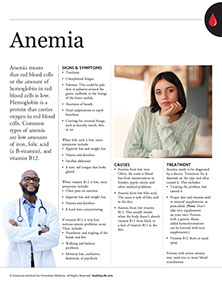
  • Anemia 2

    General Health Conditions

    Anemia means that red blood cells or the amount of hemoglobin in red blood cells is low. Hemoglobin is a protein that carries oxygen in red blood cells. Common types of anemia are low amounts of iron, folic acid (a B-vitamin), and vitamin B12.

    Signs & Symptoms

    *  Tiredness.

    *  Weakness.

    *  Paleness. This could be pale skin or paleness around the gums, nailbeds, or the linings of the lower eyelids.

    *  Shortness of breath.

    *  Heart palpitations or rapid heartbeat.

    *  Cravings for unusual things, such as laundry starch, dirt, or ice.

    When folic acid is low, extra symptoms can occur. These include: Appetite loss and weight loss; nausea and diarrhea, swollen abdomen, and a sore, red tongue that looks glazed. When vitamin B12 is low, extra symptoms include: Chest pain on exertion; appetite loss and weight loss; nausea and diarrhea, a hard time concentrating, and a sore, red tongue that looks glazed. If vitamin B12 is very low, nervous system problems occur. These include: Numbness and tingling of the hands and feet; walking and balance problems; memory loss, confusion, dementia, or psychosis. This is known as pernicious anemia.

    Causes

    *  Anemia from low iron. Often, the cause is blood loss from menstruation in females, peptic ulcers, and other medical problems.

    *  Anemia from low folic-acid. The cause is lack of folic acid in the diet.

    *  Anemia from low vitamin B12. This usually results when the body doesn’t absorb vitamin B12 from food, not a lack of vitamin B12 in the diet.

    Treatment

    Anemia shares symptoms with many health problems. It needs to be diagnosed by a doctor. Treatment for it depends on the type and what caused it. This includes:

    *  Treating the problem that caused it.

    *  Proper diet and vitamin and/or mineral supplements, as prescribed. {Note: Don’t take iron supplements on your own. Persons with a genetic illness called hemochromatosis (iron overload disease) can be harmed with iron supplements.}

    *  Vitamin B12 shots, if needed.

    Persons with severe anemia may need one or more blood transfusions.

    Questions to Ask

    Self-Care / Prevention

    Follow your doctor’s treatment plan.

    To Get and Absorb Iron

    *  Eat foods that are good sources of iron: Lean, red meats; green, leafy vegetables; beef liver; poultry; fish; wheat germ; oysters; dried fruit; and iron-fortified cereals.

    *  Eat foods high in vitamin C, such as citrus fruits, tomatoes, and strawberries. Vitamin C helps your body absorb iron from plant foods.

    *  Take the supplements your doctor advises.

    *  If you drink tea, drink it between meals. Tannins in tea block iron absorption. Or, add milk to tea. The calcium in milk binds with the tannins. (Herbal tea does not have tannins.)

    *  Avoid antacids, the food additive EDTA, and phosphates (found in soft drinks, beer, ice cream, etc.). These block iron absorption.

    To Get and Absorb Folic Acid

    *  Eat good food sources of folate every day. Examples are asparagus, brussels sprouts, spinach, collard greens, broccoli, peas, oranges, cantaloupe, oatmeal, and whole-grain cereals.

    *  Eat fresh, raw fruits and vegetables often. Don’t overcook food. Heat destroys folic acid.

    *  Take the supplement your doctor advises.

    *  Don’t smoke. Don’t drink alcohol.

    For Getting B12

    *  Eat animal sources of food. Good choices are lean meats, fish, poultry, nonfat or low-fat dairy products, and cereals with added vitamin B12.

    *  Strict vegetarians (vegans) who eat no animal sources of food may need a vitamin B12 supplement or foods fortified with it.

    Healthier at Home book by the American Institute for Preventive Medicine. www.HealthyLife.com. All rights reserved.

    © American Institute for Preventive Medicine
  • Anemia

    Women’s Health

    Paper cutouts of blood drops with stethoscopes.

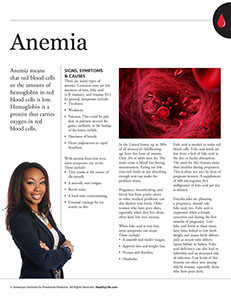
    Anemia means that red blood cells or the amount of hemoglobin in red blood cells is low. Hemoglobin is a protein that carries oxygen in red blood cells.

    Signs, Symptoms & Causes

    There are many types of anemia. Common ones are low amounts of iron, folic acid (a B vitamin), and vitamin B12. In general, symptoms include:

    *  Tiredness.

    *  Weakness.

    *  Paleness. This could be pale skin or paleness around the gums, nailbeds, or the linings of the lower eyelids.

    *  Shortness of breath.

    *  Heart palpitations or rapid heartbeat.

    With anemia from low iron, extra symptoms can occur. These include:

    *  Tiny cracks at the corner of the mouth.

    *  A smooth, sore tongue.

    *  Brittle nails.

    *  A hard time concentrating.

    *  Unusual cravings for ice, starch, or dirt.

    In the United States, up to 20% of all women of childbearing age have this form of anemia. Only 2% of adult men do. The main cause is blood lost during menstruation. Eating too few iron-rich foods or not absorbing enough iron can make the problem worse.

    Pregnancy, breastfeeding, and blood loss from peptic ulcers or other medical problems, can also deplete iron levels. Older women who have poor diets, especially when they live alone, often have low iron anemia.

    When folic acid is very low, extra symptoms can occur. These include:

    *  A smooth and tender tongue.

    *  Appetite loss and weight loss.

    *  Nausea and diarrhea.

    *  Headache.

    Folic acid is needed to make red blood cells. Folic acid levels are low from a lack of folic acid in the diet or faulty absorption. The need for this vitamin more than doubles during pregnancy. This is often not met by diets of pregnant women. A supplement of 400 micrograms (0.4 milligrams) of folic acid per day is advised.

    Females who are planning a pregnancy, should take folic acid, too. Folic acid is important when a female conceives and during the first months of pregnancy. Low folic acid levels at these times have been linked to low birth weight and major birth defects, such as neural tube defects (spina bifida) in babies. Folic-acid deficiency can also lead to infertility and an increased risk of infection. Low levels of this vitamin are often seen among elderly women, especially those who have poor diets.

    When vitamin B12 is low, extra symptoms can occur. These include:

    *  Chest pain on exertion.

    *  Swollen red tongue or bleeding gums.

    *  A hard time concentrating.

    *  Appetite loss and weight loss.

    *  Nausea and diarrhea.

    When vitamin B12 is very low, nervous system problems can occur, such as:

    *  Numbness and tingling in the hands and feet.

    *  Walking and balance problems.

    *  Memory loss, confusion, dementia or psychosis.

    One form of vitamin B12 deficiency anemia is pernicious anemia. This is usually caused when the body doesn’t absorb vitamin B12 from food. It can result from a lack of digestive acids and a substance called the intrinsic factor. Both are needed to absorb vitamin B12. Other causes are surgery that removes part or all of the stomach and autoimmune problems that cause cells in the stomach’s lining to shrink. Vitamin B12 is found only in animal foods. It is not in plant foods unless the vitamin is added, such as in some cereals.

    Other Types of Anemia

    *  Sickle cell anemia. This is an inherited disorder that affects the red blood cells’ ability to carry oxygen to the body’s tissues. Sickle cell anemia occurs mostly in African Americans but can occur in other ethnic groups too.

    *  Aplastic anemia. This is a serious disease of decreased bone marrow production.

    Also, alcohol, certain drugs, large amounts of aspirin, and some chronic diseases can cause anemia.

    Treatment

    Anemia shares symptoms with many health problems. It needs to be diagnosed by a doctor. Persons with severe anemia may need one or more blood transfusions.Treatment for it depends on the type and what caused it. This includes:

    *  Treating the problem that caused it.

    *  Eating a proper diet and taking vitamin and/or mineral supplements, as prescribed. {Note: Don’t take iron supplements on your own. Persons with a genetic illness called hemochromatosis (iron overload disease) can be harmed with iron supplements.}

    *  Getting vitamin B12 shots, if needed.

    Questions to Ask

    Self-Care

    To Get and Absorb Iron

    *  Eat foods that are good sources of iron: green leafy vegetables, lean red meat, beef liver, poultry, fish, wheat germ, oysters, dried fruit, and iron-fortified cereals.

    *  Eat foods high in vitamin C, such as citrus fruits, kiwi, tomatoes, strawberries, broccoli, and green or red bell peppers.

    *  If you drink tea, drink it between meals. Tannins in tea block iron absorption. Or add milk to tea. The calcium in milk binds with the tannins. (Herbal tea does not have tannins.)

    *  Take the supplements your doctor advises. {Note: High levels of iron in the blood may increase the risk for heart attacks. This is especially a concern if you have gone through menopause.}

    *  Avoid antacids, phosphates (which are found in soft drinks, beer, ice cream, candy bars, etc.), and the food additive EDTA. These block iron absorption.

    To Get and Absorb Folic Acid

    *  Eat good food sources of folate every day. These include asparagus, Brussels sprouts, spinach, romaine lettuce, collard greens, and broccoli. Other good sources are black-eyed peas, cantaloupe, orange juice, oatmeal, and whole-grain or fortified cereals.

    *  Eat fresh, raw fruits and vegetables often. Don’t overcook food. Heat destroys folic acid.

    *  Take the supplement your doctor advises.

    *  Don’t smoke or drink alcohol.

    Tips for Getting Vitamin B12

    *  Eat animal sources of food. Good choices are lean meats, fish, poultry, nonfat or low-fat dairy products.

    *  Strict vegetarians (vegans) who eat no animal sources of food should get vitamin B12 from a supplement or foods fortified with it, such as cereals or plant-based milks or nutritional yeast.

    Resources

    National Heart, Lung, and Blood Institute

    www.nhlbi.nih.gov

    Women's Self-Care book by the American Institute for Preventive Medicine. www.HealthyLife.com. All rights reserved.

    © American Institute for Preventive Medicine
  • Alzheimer’S Disease 2

    Brain & Nervous System

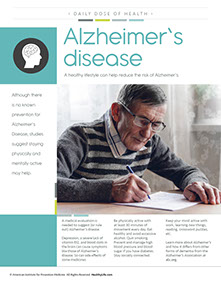
    Old man working on a cross word puzzle.

    A healthy lifestyle can help reduce the risk of Alzheimer’s.

    Although there is no known prevention for Alzheimer’s Disease, studies suggest staying physically and mentally active may help.

    A medical evaluation is needed to suggest (or rule out) Alzheimer’s disease.

    Depression, a severe lack of vitamin B12, and blood clots in the brain can cause symptoms like those of Alzheimer’s disease. So can side effects of some medicines.

    Be physically active with at least 30 minutes of movement every day. Eat healthy and avoid excessive alcohol. Quit smoking. Prevent and manage high blood pressure and blood sugar if you have diabetes. Stay socially connected.

    Keep your mind active with work, learning new things, reading, crossword puzzles, etc.

    Learn more about Alzheimer’s and how it differs from other forms of dementia from the Alzheimer’s Association atalz.org.

    Health at Home Lifetime book by the American Institute for Preventive Medicine. www.HealthyLife.com. All rights reserved.

    © American Institute for Preventive Medicine

  • Alzheimer’S Disease

    Brain & Nervous System

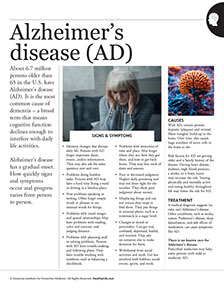
    About 5.3 million persons in the U.S. have Alzheimer’s disease (AD). It is the most common cause of dementia – a broad term that means cognitive function declines enough to interfere with daily life activities. Nearly half of people age 85 and older may have AD, but it is not a normal part of aging.

    Signs & Symptoms

    Alzheimer’s disease has a gradual onset. How quickly signs and symptoms occur and progress varies from person to person. The average time span is about 3 to 6 years after symptoms start. Survival can be as long as 20 years.

    The Alzheimer’s Association gives these 10 symptoms for AD:

    *  Memory changes that disrupt daily life. Persons with AD forget important dates, events, and/or information. They may also ask the same question over and over.

    *  Problems doing familiar tasks. Persons with AD may have a hard time fixing a meal or driving to a familiar place.

    *  New problems speaking or writing. Persons with AD often forget simple words or phrases or use unusual words for things. An example is calling a toothbrush “that thing for my mouth.”

    *  Problems with visual images and spatial relationships. Persons may have problems with reading, color and contrast, and judging distance.

    *  Problems with planning and/or solving problems. Persons with AD have trouble making and following plans. They have trouble working with numbers, such as balancing a checkbook.

    *  Problems with awareness of time and place. Persons with AD may forget where they are, how they got there, and how to get back home. They may lose track of dates and seasons.

    *  Poor or decreased judgment. Persons with AD neglect daily grooming and may not dress right for the weather. They show poor judgment about money.

    *  Misplacing things. Persons with AD lose things and can not retrace their steps to find them. They put things in unusual places, such as a wristwatch in a sugar bowl.

    *  Changes in mood or personality. Persons with AD can get very confused, depressed, fearful, and worried. They rely on someone else to make decisions for them.

    *  Withdrawal from social activities and work. Persons with AD get less involved with hobbies, social events, sports, and work.

    Causes

    With AD, certain protein deposits (plaques) and twisted fibers (tangles) build up in the brain. Over time, this causes large numbers of nerve cells in the brain to die.

    Risk factors for AD are getting older and a family history of the disease. Having heart disease, diabetes, high blood pressure, a stroke, or a brain injury may increase the risk. Staying physically and mentally active and eating healthy throughout life may lower the risk for AD.

    Treatment

    A medical diagnosis suggests (or rules out) Alzheimer’s disease. Other conditions, such as depression, a severe lack of vitamin B12, and blood clots in the brain can cause symptoms like AD. So can side effects of some medicines.

    There is no known cure for Alzheimer’s disease. Prescribed medicines may help some persons with mild to moderate AD.

    Questions to Ask

    Self-Care / Prevention

    There is no known prevention. Studies are being done to find out ways to lower the risk of AD and delay the onset of symptoms. Some studies suggest to do things that keep the mind active. This includes crossword puzzles and reading.

    Good planning, medical care, and social management help both the person and caregivers cope with symptoms and maintain the quality of life for as long as possible. An Advance Directive should be done in the early stages of AD to allow for the person’s wishes. It’s very helpful to put structure in the life of the person in the early stages of AD. To do this:

    *  Maintain daily routines.

    *  See that the person with AD eats well- balanced meals and stays as active as he or she can. Activities like going for walks with others are good.

    *  Post safety signs like “Don’t touch.” Make “to do” lists of daily tasks.

    *  Put things in their proper places after use. This helps the person find things when he or she needs them.

    *  Make sure the person carries identification or wears a medical ID bracelet.

    Resources

    Alzheimer’s Disease Education & Referral (ADEAR) Center

    800.438.4380

    www.nia.nih.gov/alzheimers

    Alzheimer’s Association

    800.272.3900

    www.alz.org

    Healthier at Home book by the American Institute for Preventive Medicine. www.HealthyLife.com. All rights reserved.

    © American Institute for Preventive Medicine
  • Allergies

    General Health Conditions

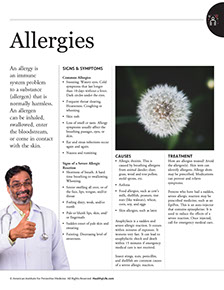
    An allergy is an immune system problem to a substance (allergen) that is normally harmless. An allergen can be inhaled, swallowed, or come in contact with the skin.

    Signs & Symptoms

    For Common Allergies

    *  Sneezing. Watery eyes. Cold symptoms that last longer than 10 days without a fever. Dark circles under the eyes.

    *  Frequent throat clearing. Hoarseness. Coughing or wheezing.

    *  Skin rash.

    *  Loss of smell or taste.

    *  Ear and sinus infections occur again and again.

    Signs of a Severe Allergic Reaction

    *  Shortness of breath. A hard time breathing or swallowing. Wheezing.

    *  Severe swelling all over, or of the face, lips, tongue, and/or throat.

    *  Feeling dizzy, weak, and/or numb.

    *  Pale or bluish lips, skin, and/or fingernails.

    *  Cool, moist skin or sudden onset of pale skin and sweating.

    *  Fainting. Decreasing level of awareness.

    Causes

    *  Allergic rhinitis. This is caused by breathing allergens from animal dander; dust; grass, weed and tree pollen; mold spores, etc.

    *  Asthma.

    *  Food allergies. Common ones are milk, fish, nuts, wheat, corn, and eggs.

    *  Skin allergies.

    Anaphylaxis is a sudden and severe allergic reaction. It occurs within minutes of exposure. It worsens very fast. It can lead to anaphylactic shock and death within 15 minutes if emergency medical care is not received.

    Insect stings, nuts, penicillin, and shellfish are common causes of a severe allergic reaction.

    Treatment

    How are allergies treated? Avoid the allergen(s). Skin tests can identify allergens. Allergy shots may be prescribed. Medications can prevent and relieve symptoms. Persons who have had a sudden, severe allergic reaction may be prescribed medicine, such as an EpiPen. This is used for a severe reaction before getting emergency medical care.

    Questions to Ask

    Self-Care / Prevention

    For a Severe Allergic Reaction

    *  Take prescribed medicine, such as an EpiPen, as advised. Then get emergency care!

    *  Wear a medical ID alert tag for things that cause a severe allergic reaction.

    *  Avoid things you are allergic to.

    For Other Allergic Reactions

    *  If mild symptoms occur after you take a medicine, call your doctor for advice.

    *  For hives and itching, take an OTC antihistamine, such as Benadryl. Take it as prescribed by your doctor or as directed on the label.

    *  Don’t use hot water for baths, showers, or to wash rash areas. Heat worsens most rashes and makes them itch more.

    *  For itching, use an oatmeal bath or calamine (not Caladryl) lotion. You can also use a paste made with 3 teaspoons of baking soda and 1 teaspoon of water.

    *  Avoid things you are allergic to.

    *  Read food labels. Don’t eat foods that have things you are allergic to. When you eat out, find out if menu items have things you are allergic to before you order them.

    Resources

    Asthma and Allergy Foundation of America 800.7.ASTHMA (727.8462)

    www.aafa.org

    Healthier at Home book by the American Institute for Preventive Medicine. www.HealthyLife.com. All rights reserved.

    © American Institute for Preventive Medicine
  • All About Brushing And Flossing

    Dental & Mouth Concerns

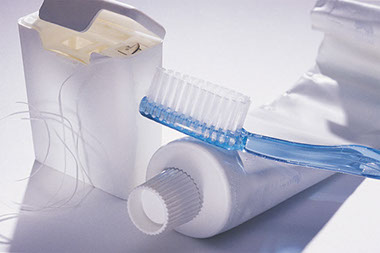
    Image of toothbrush and toothpaste with floss.

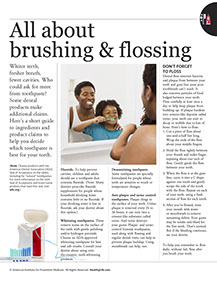
    Whiter teeth, fresher breath, fewer cavities. Who could ask for more from toothpaste? Some dental products make additional claims. Here’s a short guide to ingredients and product claims to help you decide which toothpaste is best for your teeth. (Note: Choose products with the American Dental Association (ADA) Seal of Acceptance on the labels. For more information on the ADA Seal of Acceptance and brand name products that have this seal, accesswww.ada.org.)

    Fluoride. To help prevent cavities, children and adults should use a toothpaste that contains fluoride. (Note: Many dentists prescribe fluoride supplements for people whose household drinking water contains little or no fluoride. If your drinking water is low in fluoride, you might want to ask your dentist about this option.)

    Desensitizing toothpaste. Some toothpastes are specially formulated for people whose teeth are sensitive to touch or temperature changes.

    Anti-plaque and tartar control toothpastes. Plaque is a sticky, bacteria-laden goo that clings to the surface of your teeth. Unless plaque is removed every 24 to 36 hours, it can turn into a cement-like substance called tartar. And tartar destroys your gums. Plaque- and tartar-control formula toothpastes, used along with flossing and regular dental visits, can help to prevent plaque buildup. Mouthwash can help, too.

    Whitening toothpastes. These remove stains on the surface of the teeth with gentle polishing, chemical agents, or other nonbleaching action. (Note: Consult your dentist before using over-the-counter peroxide-containing whiteners or bleaching agents.)

    Don’t Forget to Floss

    Waxed. Unwaxed. Fine. Regular. Plain or fancy, all dental floss does the job: It removes bacteria and plaque from between your teeth and above and below the gum line areas your toothbrush can’t reach. It also removes particles of food lodged between your teeth. Floss carefully at least once a day to help keep plaque from building up. (If plaque hardens into cement-like deposits called tartar, your teeth can start to decay or wobble due to loss of bone.)

    Here’s how to floss.

    1.  Cut a piece of floss about one-and-a-half feet long. Wrap the ends of the floss about your middle fingers.

    2.  Hold the floss tightly between your thumb and index finger, exposing about one inch of floss. Gently guide the floss between your teeth, being careful not to snap it into the gums.

    3.  With the floss at the gum line, curve it into a C shape against one tooth and gently scrape the side of the tooth with the floss. Repeat on each of your teeth, top and bottom, using a fresh section of floss for each tooth.

    4.  After you’ve flossed, rinse your mouth with water or mouthwash to remove remaining debris. Your gums may be tender and bleed for the first week. That’s normal. But if the bleeding continues, see your dentist.

    Here are some additional hints.

    *  If you find flossing awkward and messy, try using a dental floss holder sold in drugstores. Instead of wrapping the floss around your fingers, you insert the floss in a small, plastic fork-like holder.

    *  To help you remember to floss daily, without fail, floss after you brush your teeth.

    A Year of Health Hints book by the American Institute for Preventive Medicine. www.HealthyLife.com. All rights reserved.

    © American Institute for Preventive Medicine
  • Alcohol & Alcohol Safety

    Student Health

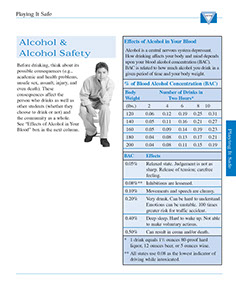
    Before drinking, think about its possible consequences (e.g., academic and health problems, unsafe sex, assault, injury, and even death). These consequences affect the person who drinks as well as other students (whether they choose to drink or not) and the community as a whole.

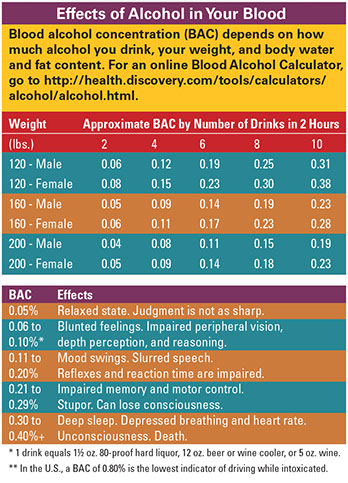
    Chart of effects of alcohol in your blood.

    Alcohol Poisoning

    Call 9-1-1 for one or more of the following signs of alcohol poisoning or combining alcohol and other drugs, such as sedatives or tranquilizers. Act quickly. Alcohol poisoning can be fatal.

    *  Unconsciousness. This means the person is hard to rouse and can’t be made aware of his or her surroundings. This can be brief, such as with fainting or blacking out. It can put a person into a coma.

    *  No breathing or slow and shallow breathing. This means 10 or fewer breaths per minute or time lapses of more than 8 seconds between breaths.

    *  Slow pulse rate (40 or fewer beats per minute).

    *  Skin that is cold, clammy, and/or pale or blue in color.

    {Note: Before emergency care arrives, place the person on his or her side with the knees bent, to prevent choking if he or she vomits. Loosen the person’s clothing around the neck and check the mouth and back of the throat to see that nothing obstructs the person’s breathing. Stay with the person.}

    Alcohol Poisoning

    *  Choose substance-free housing, if available and desired.

    *  Be aware and think about the risks and consequences of drinking, including getting arrested, getting sick, contracting an STI, etc. One incident of alcohol use could cause you to do something you will regret for the rest of your life. Alcohol plays a part in most sexual assaults.

    *  Mixing drinking with driving, drugs, or operating machines can be fatal. Designate a sober driver.

    *  Not everyone drinks. Be with people who drink non-alcoholic beverages or ones that look like “drinks,” such as non-alcoholic beer in a glass.

    *  It is better to get medical help for a person who needs it instead of worrying about getting a friend in trouble.

    *  Drink alcohol only if you want to, and if you do:

    – Know your limit and stick to it or don’t drink any alcohol.

    – Drink slowly. You are apt to drink less. Have one drink during a party. Take fake sips, if necessary. In reality, anything over two drinks does not increase the feeling of pleasure. Drinking too much leads to being unable to enjoy yourself.

    – Eat when you drink. Food helps to slow alcohol absorption.

    – Alternate an alcoholic beverage with a non-alcoholic one. Use non-alcohol or reduced alcohol beverages. Dilute distilled beverages. Use more and more mixer and less and less alcohol. After two drinks, your taste buds are dulled and you won’t be able to notice much difference.

    – Avoid drinking contests and games.

    Resources

    Emergency Medical Service (Call 9-1-1) if you suspect alcohol poisoning or a drug overdose

    Your school’s Student Health Service, Student Counseling Service, or Alcohol and other Drug Program

    Al-Anon/Alateen World Service Office

    888.4AL.ANON (425.2666)

    www.al-anon.org

    Alcoholics Anonymous (AA) World Services

    www.aa.org

    Center for Substance Abuse Treatment (CSAT) National Drug Treatment Referral Routing Service

    800.662.HELP (4357)

    www.findtreatment.samhsa.gov

    Narcotics Anonymous (NA)

    818.773.9999

    www.na.org

    National Institute on Alcohol Abuse & Alcoholism (NIAAA)

    www.niaaa.nih.gov

    www.thecoolspot.gov

    Student Self-Care book by the American Institute for Preventive Medicine. www.HealthyLife.com. All rights reserved.

    © American Institute for Preventive Medicine