Blog

  • Children Dental Health

    Pediatric Care

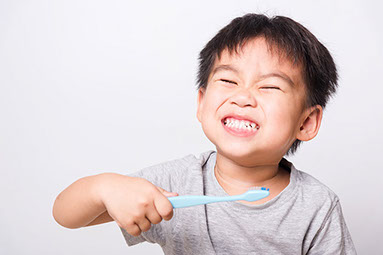
    Young child smiling while holding toothbrush.

    Children need to brush and floss their teeth every day.

    Begin tooth brushing after your child gets his or her first tooth. Clean and massage gums in toothless areas with clean gauze, too. Begin flossing when all of the baby teeth have come in.

    Sticky, chewy, sugary foods and drinks promote tooth decay. It is better to eat these foods with (not between) meals.

    A baby can get tooth decay from falling asleep with a bottle of formula, milk, juice, sugar water, or soft drinks.

    Instead of a bottle that has a liquid with any source of sugar, give your child a clean pacifier between feedings, at naptime, or at night. Don’t dip the pacifier in sugar or honey.

    Fluoride is a mineral that helps make teeth strong and prevents tooth decay. If your water supply does not have enough fluoride, your child’s doctor may prescribe it in drops or pills. Give it as advised. Too much can cause spots on your child’s teeth.

    A Year of Health Hints book by the American Institute for Preventive Medicine. www.HealthyLife.com. All rights reserved.

    © American Institute for Preventive Medicine

  • Child Safety

    Child Safety

    Do This, Not That

    According to the Centers for Disease Control and Prevention (CDC):

    *  Injuries are the leading cause of death in children and teens.

    *  Each year, nearly 9 million children aged 0 to 19 years are seen in emergency departments for injuries. More than 9,000 children die as a result of being injured.

    *  Injury treatment is the leading cause of medical spending for children.

    The leading causes of injury death differed by age group.

    *  For children less than 1 year of age, 2/3rds of injury deaths were due to suffocation.

    *  Drowning was the leading cause of injury death for those 1 to 4 years of age.

    *  For children 5 to 19 years of age, the most injury-related deaths were due to being an occupant in a motor vehicle traffic crash.

    Most child injures are preventable. Use the tips in this section to keep your children safe at home.

    General Guidelines

    Safe at Home - Do This, Not That Book. Published by the American Institute for Preventive Medicine. www.HealthyLife.com. All rights reserved.

    © American Institute for Preventive Medicine

  • Child Passenger Safety

    Child Safety

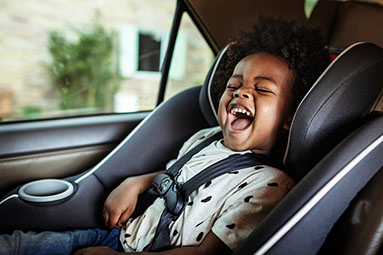
    Yound child in a car seat laughing.

    Child safety seats help protect your child from injury and death.

    Children aged 12 and under should sit properly restrained in the back seat.

    When you install a child safety or booster seat, use the instructions that come with it and the vehicle owner’s manual.

    A rear-facing infant child safety seat should never be placed in front of a passenger seat air bag.

    If you must transport a child in the front seat of a vehicle with an active air bag or near any passenger seat with a side air bag, install an on-off switch and press “off.”

    Have a certified child passenger safety technician check to see that the safety seat has been installed the right way. Find a technician or an inspection center near you fromnhtsa.gov/equipment/car-seats-and-booster-seats.

    A Year of Health Hints book by the American Institute for Preventive Medicine. www.HealthyLife.com. All rights reserved.

    © American Institute for Preventive Medicine

  • Use Caution With Sleeping Pills

    Medication

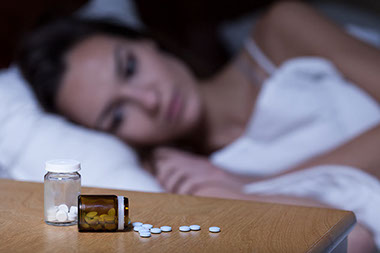
    Image of women trying to sleep with pills on her nightstand.

    Used improperly, prescription sleeping pills (called sedative-hypnotics) can be as addictive as alcohol and can produce unpleasant withdrawal symptoms if stopped abruptly.

    You can develop a tolerance to sleeping pills in as little as two weeks of frequent use. In other words, you need higher and higher amounts to fall asleep. Older people should be especially cautious about taking sleeping pills, since their tolerance for medication is usually lower than middle-aged or younger adults.

    If you or someone you’re close to takes prescription sleeping pills, possible signs of misuse include:

    *  Taking sleeping pills nightly for more than two weeks.

    *  Needing to take higher doses to fall asleep.

    *  Increasing the dosage without consulting the doctor.

    If you’ve become dependent on sleeping pills, don’t quit cold turkey-you’re apt to suffer confusion, slurred speech, drowsiness, difficulty concentrating, relentless insomnia, and possibly death. So contact your doctor for instructions on how to wean yourself off the drug.

    Page from A Year of Health Hints book by the American Institute for Preventive Medicine. www.HealthyLife.com. All rights reserved.

    © American Institute for Preventive Medicine

  • Burglarproof Your Home

    Home Safety

    Don’t be an easy target for thieves.

    Most home burglaries are the work of amateurs who are looking for a quick in and out. Make it look like someone is at home, especially while you are away.

    Dos:

    *  Inspect all locks on exterior doors. If they can be opened with a screwdriver or a credit card, replace them with single cylinder deadbolt locks.

    *  Install outside lighting with motion sensors around the house and garage.

    *  Consider installing an alarm system. Make sure the sign for it can be easily seen from the street.

    *  Close and lock windows. Put a metal or wooden rod between windows and frames, especially in door walls.

    *  Keep shrubs in front of windows no higher than three feet tall. This makes it hard for a burglar to hide in them.

    *  Engrave a personal contact code on your TV and other valuables to make them harder to sell and easier to trace.

    *  Join or start a neighborhood watch group.

    If your home will be vacant for several days or longer:

    *  Ask a relative or a neighbor you trust to watch your house. Consider leaving a key with one of them and ask them to do a periodic walk-through.

    *  Put a stop on delivery of mail and newspapers.

    *  Arrange for someone to mow the lawn or clear snow from the driveway and sidewalk. Ask a neighbor to park in your driveway.

    *  Preset automatic light timers to keep the house   well-lit during the evening and make it look like someone is home.

    *  Keep a radio on while you are gone. Set it to a 24-hour news or talk station.

    *  Find out if your local police department keeps a “vacant house list.” This alerts police to drive by and check on your house if you are gone for a week or longer.

    Action Step

    Store valuable items in places not easily seen. As an extra preventive measure, put valuable jewelry in a bank safety deposit box.

    Ways to Well-Being book by the American Institute for Preventive Medicine. www.HealthyLife.com. All rights reserved.

    © American Institute for Preventive Medicine

  • Build A Budget

    Financial Health

    Make a plan to live within your means.

    No matter what your income, having a budget helps you plan and manage your money. It also helps you get a grip on your spending. You can use a budget-making tool, such as a free one from the websitewww.mint.com. You can write one on your own with a pencil and paper.

    Track your expenses:

    First, list your fixed monthly must-haves − mortgage or rent, phone, cable, Internet access, car payment, or public transit costs. Include other regular set monthly expenses, such as loan payments, tuition and/or student loans, insurance premiums, church donations, and gym and other monthly membership fees. Next, identify your variable expenses. These include what you spend weekly, monthly, two or four times a year, and yearly for:

    *  Groceries

    *  Restaurant meals, snacks, coffee and other drinks

    *  Gas and upkeep for your car

    *  Electric, gas, and water bills

    *  Property taxes

    *  Credit card payments

    *  Entertainment – Movies, DVDs, concerts, golf, toys, and social events

    *  Clothes and shoes

    *  Haircuts, cosmetics, and toiletries

    *  Gifts for birthdays, holidays, weddings, etc.

    *  Household items and home improvements

    *  Vacation

    You can get amounts for many of these from monthly statements for your credit cards, debit cards, and checking and saving accounts. Otherwise, get and keep receipts for everything you pay for. You may be surprised by how much you spend on coffee drinks, food, liquor, and tips when eating out.

    Put some of your income into a savings account. Do this yourself from your take-home pay or have a pre-set amount automatically deposited into a savings account.

    Start by listing your total monthly income:

    Include your take-home pay, alimony, child support, unemployment, social security, and public aid. If you work on commission or freelance, your income can vary from month to month. Just estimate a monthly amount.

    Action Step

    If you are spending more than you earn, cut back on variable expenses. If you still have money left over after paying your bills and putting money into savings, carry over the extra for future expenses.

    Ways to Well-Being book by the American Institute for Preventive Medicine. www.HealthyLife.com. All rights reserved.

    © American Institute for Preventive Medicine

  • Blood Donation

    Medical Care

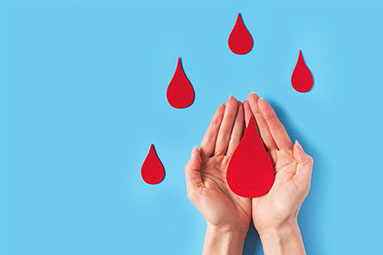
    Hands cupped together holding a red paper shaped as a blood drop.

    Giving blood is very safe.

    Every 2 seconds, someone in the U.S. needs blood. Approximately 29,000 blood donations are needed every day.

    To donate blood, you must be at least 17 years old, weigh more than 110 pounds and be in good health. Find out about other guidelines for donating blood fromredcross.org.

    Giving blood is very safe. Sterile procedures are followed. When you donate blood, you cannot get HIV, the virus that causes AIDS.

    If you are going to have surgery and may need blood, you can give your own blood ahead of time. This is called autologous blood transfusion.

    A Year of Health Hints book by the American Institute for Preventive Medicine. www.HealthyLife.com. All rights reserved.

    © American Institute for Preventive Medicine

  • Bipolar Disorder

    Mental Health

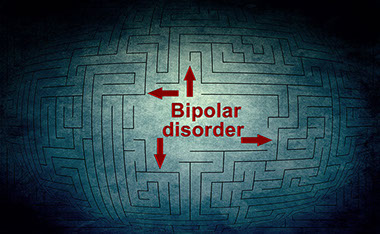
    Image containging the words "Bipolar Disorder" surrounded by a maze.

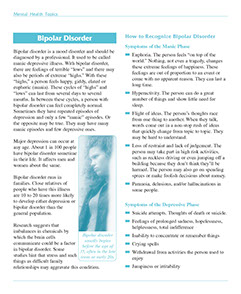
    Bipolar disorder is a mood disorder and should be diagnosed by a professional. It used to be called manic-depressive illness. With bipolar disorder, there are feelings of terrible “lows” and there may also be periods of extreme “highs.” With these “highs,” a person feels happy, giddy, elated or euphoric (mania). These cycles of “highs” and “lows” can last from several days to several months. In between these cycles, a person with bipolar disorder can feel completely normal. Sometimes they have repeated episodes of depression and only a few “manic” episodes. Or the opposite may be true. They may have many manic episodes and few depressive ones.

    Major depression can occur at any age. About 1 in 100 people have bipolar disorder sometime in their life. It affects men and women about the same.

    Bipolar disorder runs in families. Close relatives of people who have this illness are 10 to 20 times more likely to develop either depression or bipolar disorder than the general population.

    Research suggests that imbalances in chemicals by which the brain cells communicate could be a factor in bipolar disorder. Some studies hint that stress and such things as difficult family relationships may aggravate this condition.

    Manic Phase

    Symptoms of the Manic Phase

    *  Euphoria. The person feels “on top of the world.” Nothing, not even a tragedy, changes these extreme feelings of happiness. These feelings are out of proportion to an event or come with no apparent reason. They can last a long time.

    *  Hyperactivity. The person can do a great number of things and show little need for sleep.

    *  Flight of ideas. The person’s thoughts race from one thing to another. When they talk, words come out in a non-stop rush of ideas that quickly change from topic to topic. They may be hard to understand.

    *  Loss of restraint and lack of judgement. The person may take part in high risk activities, such as reckless driving or even jumping off a building because they don’t think they’ll be harmed. The person may also go on spending sprees or make foolish decisions about money.

    *  Paranoia, delusions, and/or hallucinations in some people.

    Depressive Phase

    Symptoms of the Depressive Phase

    *  Suicide attempts. Thoughts of death or suicide.

    *  Feelings of prolonged sadness, hopelessness, helplessness, total indifference

    *  Inability to concentrate or remember things

    *  Crying spells

    *  Withdrawal from activities the person used to enjoy

    *  Jumpiness or irritability

    Treatment

    Nearly everyone who suffers from bipolar disorder, even those with the most severe cases, can be treated successfully with professional assistance. This condition should not be treated solely by oneself. Several treatments are available.

    *  Medications – Drugs, such as lithium are very effective in controlling the manic episodes and lessen the severity of the depressive episodes. They act to prevent the recurrence of both manic and depressive episodes.

    *  Hospitalization – This may be needed when mania or depression are out of control or keep the person from functioning.

    *  Electroconvulsive therapy (ECT) – Electric shocks to the brain are sometimes used in treating very severe depressive episodes that do not respond to medication.

    *  Therapy – Professional counseling is useful with medication in treating this disorder. It can give support to the patient and their family, as well as, educate them about the illness. Therapy can be in many forms – individual psychotherapy, behavioral therapy, and support or group therapy.

    Left untreated, bipolar disorder can result in:

    *  Ruined personal and social relationships

    *  Loss of employment, flunking out of school, disability, and/or legal problems

    *  Increased paranoia and hallucinations

    *  Suicide

    What You Can Do to Help Someone

    *  First, point the person towards treatment by making them aware of unusual episodes of high/low behavior that will simply not go away on their own.

    *  Some people need to be taken to a hospital during a severe depressive or manic episode because of suicide attempts or other dangerous/anti-social behavior. They may need to be hospitalized at this time for their own protection.

    *  Offer your support and encouragement as it often takes a period of time to determine what types of treatment are best for each patient.

    *  Encourage your friend or relative to take any medication prescribed by their doctor even when they feel well and are not having periods of “highs” or “lows.” Look for side effects of the medicine and let them know what you notice and/or tell their doctor. The doctor can also tell you what side effects to expect.

    Minding Your Mental Health Book. Published by the American Institute for Preventive Medicine. www.HealthyLife.com. All rights reserved.

    © American Institute for Preventive Medicine

  • Be Wise, Stretch Your Health Care Dollars

    Medical Care

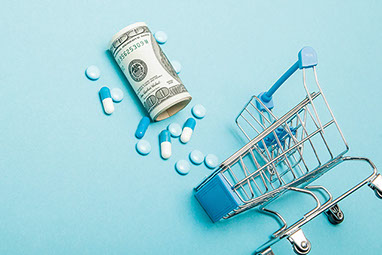
    Small shopping cart with pills and money.

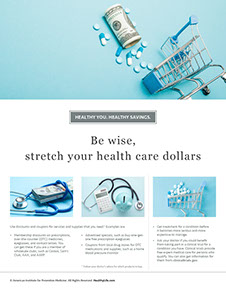
    Use discounts and coupons for services and supplies that you need.* Examples are:

    *  Membership discounts on prescriptions, over-the-counter (OTC) medicines, eyeglasses, and contact lenses. You can get these if you are a member of wholesale clubs, such as Costco, Sam’s Club, AAA, and AARP.

    *  Advertised specials, such as buy-one-get-one free prescription eyeglasses

    *  Coupons from local drug stores for OTC medications and supplies, such as a home blood pressure monitor

    *  Get treatment for a condition before it becomes more serious and more expensive to manage.

    *  Ask your doctor if you could benefit from taking part in a clinical trial for a condition you have. Clinical trials provide free expert medical care for persons who qualify. You can also get information for them fromclinicaltrials.gov.

    *  Follow your doctor’s advice for which products to buy.

    A Year of Health Hints book by the American Institute for Preventive Medicine. www.HealthyLife.com. All rights reserved.

    © American Institute for Preventive Medicine