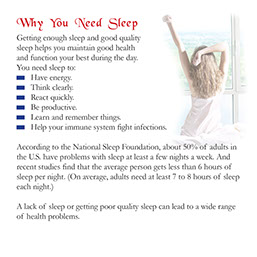
You have special sleep challenges if you work long hours, rotating shifts, permanent night shifts, or multiple jobs. School and/or family responsibilities on top of shift work may also interfere with sleep time. Night-time shift work involves working against your body’s natural rhythm. Remember, your body clock is “set” by exposure to sunlight. Shift work presents challenges:
* You need to sleep at times that your body is not naturally inclined to sleep.
* You need to be alert during times your body expects to be sleeping.
* Going to and from work may involve driving during times your body wants to be sleeping. Shift workers are six times more likely to be in a fatigue-related road accident than other workers.
* You may struggle to feel connected to family and friends. You may feel unable to do activities or attend events that are important to you.
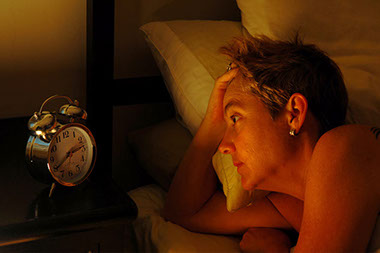
* You may be more sleep deprived, have a harder time falling asleep, sleep lighter, and feel less rested upon waking.
Control Risk Factors for Work-Place Fatigue
* Work in well-lit, safe areas.
* Work in well-ventilated areas and reduce exposure to industrial chemicals and toxins. Follow your workplace’s Material Safety Data Sheets (MSDSs).
* If possible, avoid working overtime during times that would interfere with your scheduled sleep time.
* Avoid shift-swapping and changing schedules more than necessary.
* Use breaks, meal times, and rest periods at work. Don’t work through your breaks.
* Use equipment provided (machinery, lifting equipment, comfortable chairs, anti-fatigue matting, etc.) to reduce the physical demands of a job.
* If working in warmer temperatures, take more breaks and seek shelter often. Drink plenty of water to stay hydrated.
Plan Transportation
Take public transportation, a taxi, or share rides after a long or overtime shift. Plan a car pool and have an alert person drive. Or, arrange for someone to pick you up. Avoid driving alone after a long shift. Do not drive if you are too drowsy.
Exercise briefly before you drive home. Jump in place or walk briskly around the parking lot. Drive carefully and defensively.
Time Your Fuel
Eat three regular meals spaced evenly during the day. Eating helps cue your body’s clock.
* Make your first two meals larger and avoid having your largest meal before bedtime.
* Avoid drinking any alcohol within three hours of bedtime.
* Avoid eating a lot of snacks and fast food.
* Drink a caffeinated beverage early in your shift, if you need it. Avoid caffeine six hours before bedtime.
Light Exposure
* If you are coming off a night shift, limit exposure to early-morning daylight on the way home. Wear sunglasses to reduce the light level. Your body will be more ready for sleep when you get home.
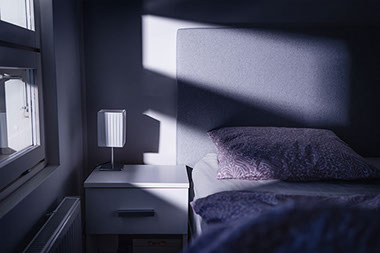
* If you sleep during daylight hours, use window coverings that darken your bedroom. Use curtains with black-out backing or cover the windows with black plastic garbage bags. Use a sleep mask to further limit light exposure to your eyes.
* Draw the blinds and pull shades down before you leave the house to go to work. When you arrive home, the darker room will help cue your body to sleep. If you wake up after you fall asleep, the dark room will help you fall back asleep.
Scheduling Shift Work
Talk to your supervisor or manager about the right kind of schedule for you and your team. The risk for accidents and on-the-job errors decreases when employees are alert and well-rested. A schedule allowing everyone enough time to sleep and recover from shift changes is in the group’s best interest.
Forward rotating schedules make it easier for your body to adjust to changes. This type of schedule follows a clockwise pattern. For example:
Day shift > Evening shift > Night shift > Morning shift > Day shift
Reverse rotating schedules make it more difficult for your body to adjust to changes. This type of schedule follows a counter-clockwise pattern. For example:
Day shift > Morning shift > Night shift > Evening shift > Day shift
Randomly rotating shifts are very hard on your body. Try to stay on the same schedule-this helps align your body clock with your sleep and wake patterns.
Planning Sleep with a Rotating Schedule
Begin to adjust sleep before your shift changes. Gradually move your sleep and wake times to prepare for the new schedule.
Example: Rotating from evening shift to night shift
Delay the times you go to bed and wake up by one to two hours on the last few days of your evening shift. When you begin the night shift, your body will already be getting ready for the new schedule. Give your body time to adjust. By making changes gradually, you can avoid the harsh disruption of a sudden schedule change. This will help you to sleep better through the change in your work schedule.
Plan Your Sleep Transition: Start with the time you normally sleep for your current shift. A few days before your shift changes, start to move your sleep time towards the time you will be sleeping for your next shift.
Extra Tips for Changing Shifts
* After your last night shift, try to adjust your body clock to be awake in daytime. Sleep only two to three hours on the first morning after a night shift and then get a good sleep that night and on the following nights.
* Avoid abruptly going back to a daytime schedule during a day or night off. This change makes the circadian rhythm unstable and can make it more difficult to sleep when you want to.
“Catching Up” on Sleep
Avoid over-sleeping, even when you have missed sleep in the previous days. If you sleep too much, your sleep drive will decrease. With decreased pressure to sleep, your sleep may be lighter and you are more likely to wake up. When you keep regular sleep and wake times, it will be easier for you to fall asleep and stay asleep.