Blog

  • Figure Out Your Target Heart Rate

    Fitness

    Image of man checking heart rate.

    Exercise physiologists have come up with a formula called the target heart rate to help you determine how fast your heart should beat in order to maximize health benefits without overexerting yourself. The basic idea is to exercise about 60 to 80 percent of your maximum capability for at least 20 or 30 minutes three or four times a week. This safety zone is called the target heart rate zone. (It may be dangerous to run your heart at its maximum attainable rate for a prolonged period.)

    Here’s a simple way to determine your target heart rate.

    1.  Before you start to exercise, take your pulse. Place your first two fingers (not your thumb) over the arteries of the opposite wrist, over the area where your skin creases when you flex your wrist and in line with your thumb.

    2.  Count the number of beats you feel for 10 seconds and multiply by six. (This number represents your resting heart rate.)

    3.  Take your pulse after warming up, midway through your workout, immediately after stopping exercise, and again after cooling down.

    Using the table below, determine whether or not you’re within your target heart rate zone, based on your age. If your fastest pulse falls below the range for your age, you might need to exert yourself more while exercising. However, the exercise should never seem more than “somewhat hard.” If your pulse exceeds this range, slow down and exercise less intensely.

    Note: If your peak pulse rate falls below your target heart rate and your legs feel weak, work on developing endurance-by walking more, perhaps-while you try to increase your heart rate. This can help reduce the risk of musculoskeletal injuries like tendinitis or muscle strain in novice exercisers.
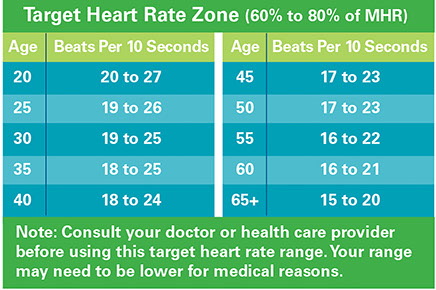
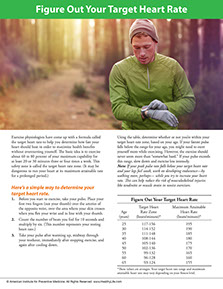
    Chart showing Target Heart Rate Zones.
    Page image from A Year of Health Hints book by the American Institute for Preventive Medicine. www.HealthyLife.com. All rights reserved.

    © American Institute for Preventive Medicine
  • Fiber Up

    Nutrition

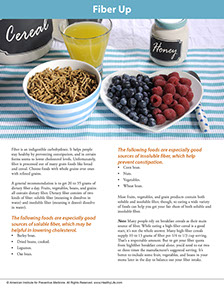
    Fiber is an indigestible carbohydrate. It helps people stay healthy by preventing constipation, and in certain forms seems to lower cholesterol levels. Unfortunately, fiber is processed out of many grain foods like bread and cereal. Choose foods with whole grains over ones with refined grains.

    A general recommendation is to get 20 to 35 grams of dietary fiber a day. Fruits, vegetables, beans, and grains all contain dietary fiber. Dietary fiber consists of two kinds of fiber: soluble fiber (meaning it dissolves in water) and insoluble fiber (meaning it doesn’t dissolve in water).

    The following foods are especially good sources of soluble fiber, which may be helpful in lowering cholesterol.

    *  Barley bran.

    *  Dried beans, cooked.

    *  Legumes.

    *  Oat bran.

    The following foods are especially good sources of insoluble fiber, which help prevent constipation.

    *  Corn bran.

    *  Nuts.

    *  Vegetables.

    *  Wheat bran.

    Most fruits, vegetables, and grain products contain both soluble and insoluble fiber, though, so eating a wide variety of foods can help you get your fair share of both soluble and insoluble fiber.

    Note: Many people rely on breakfast cereals as their main source of fiber. While eating a high-fiber cereal is a good start, it’s not the whole answer. Many high-fiber cereals supply 10 to 13 grams of fiber per 1/4 to 1/3 cup serving. That’s a respectable amount. But to get your fiber quota from high-fiber breakfast cereal alone, you’d need to eat two or three times the manufacturer’s suggested serving. It’s better to include some fruit, vegetables, and beans in your menu later in the day to balance out your fiber intake.

    Page from A Year of Health Hints book by the American Institute for Preventive Medicine. www.HealthyLife.com. All rights reserved.

    © American Institute for Preventive Medicine
  • Face Up To Your Drinking Habits

    Substance Use & Abuse

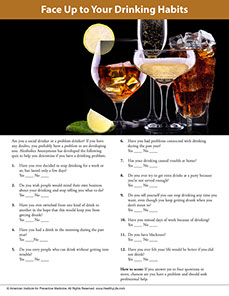
    Are you a social drinker or a problem drinker? If you have any doubts, you probably have a problem or are developing one. Alcoholics Anonymous has developed the following quiz to help you determine if you have a drinking problem.

    1.  Have you ever decided to stop drinking for a week or so, but lasted only a few days?  Yes ____ No ____

    2.  Do you wish people would mind their own business about your drinking and stop telling you what to do?  Yes ____ No ____

    3.  Have you ever switched from one kind of drink to another in the hope that this would keep you from getting drunk?  Yes ____ No ____

    4.  Have you had a drink in the morning during the past year?  Yes ____No ____

    5.  Do you envy people who can drink without getting into trouble?  Yes ____ No ____

    6.  Had problems connected with drinking during the past year?  Yes ____ No ____

    7.  Has your drinking caused trouble at home?  Yes ____ No ____

    8.  Do you ever try to get extra drinks at a party because you’re not served enough?

    Yes ____      No ____

    9.  Do you tell yourself you can stop drinking any time you want, even though you keep getting drunk when you don’t mean to?  Yes ____ No ____

    10. Have you missed days of work because of drinking?  Yes ____ No ____

    11. Do you have blackouts?  Yes ____ No ____

    12. Have you ever felt your life would be better if you did not drink?  Yes ____ No ____

    How to score: If you answer yes to four questions or more, chances are you have a problem and should seek professional help.

    Page from A Year of Health Hints book by the American Institute for Preventive Medicine. www.HealthyLife.com. All rights reserved.

    © American Institute for Preventive Medicine
  • Exercise Your Calories Away

    Weight Control

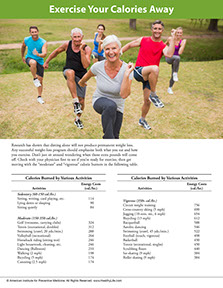
    Research has shown that dieting alone will not produce permanent weight loss. Any successful weight-loss program should emphasize both what you eat and how you exercise. Don’t just sit around wondering when those extra pounds will come off. Check with your physician first to see if you’re ready for exercise, then get moving with the “moderate” and “vigorous” calorie burners in the following table.

    Page from A Year of Health Hints book by the American Institute for Preventive Medicine. www.HealthyLife.com. All rights reserved.

    © American Institute for Preventive Medicine
  • Exercise Smart

    Fitness

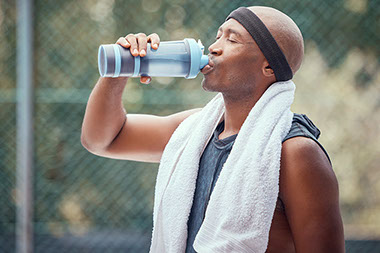
    Man with towel behind neck while drinking out of a water bottle.

    Weekend athletes are more prone to injuries than persons who exercise on a regular basis. To help lower the risk of injury, warm up your muscles with light activity or walking. Cool down at the end of exercising and stretch afterward.

    Each week, adults need 150 minutes of moderate intensity exercise, plus 2 days of muscle strengthening activity.

    Schedule physical activities into your day. Exercise while you watch TV. Take brief walks during lunchtime or breaks at work.

    Poor-fitting athletic shoes can cause pain in your feet and other areas of the body. Choose a shoe for the activity (e.g., running, walking, and tennis). Try new shoes on after a workout or at the end of the day when your feet tend to be their largest.

    Water is the best fluid to drink before, during and after you exercise. Drink 1 to 2 cups of water 15 minutes before you exercise. During exercise, drink about 1/2 cup every 10 to 20 minutes. Taking in large amounts all at once could cause a bloated feeling.

    Page from HealthyLife Weigh book by the American Institute for Preventive Medicine. www.HealthyLife.com. All rights reserved.

    © American Institute for Preventive Medicine
  • Exercise On A Budget 2

    Fitness

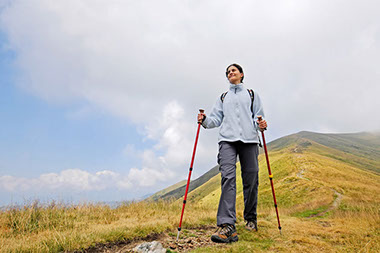
    Image of women hiking.

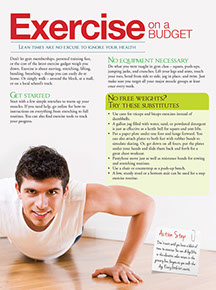
    Lean times are no excuse to ignore your health.

    Don’t let gym memberships, personal training fees, or the cost of the latest exercise gadget weigh you down. Exercise is about moving, stretching, lifting, bending, breathing – things you can easily do at home. Or simply walk – around the block, at a mall, or on a local school’s track.

    Get started.

    Start with a few simple stretches to warm up your muscles. If you need help, go online for how-to instructions on everything from stretching to full routines. You can also find exercise tools to track your progress.

    No equipment necessary

    Do what you were taught in gym class – squats, push-ups, jumping jacks, and crunches. Lift your legs and arms, touch your toes, bend from side to side, jog in place, and twist. Just make sure you target all your major muscle groups at least once every week.

    No free weights? Try these substitutes.

    *  Use cans for triceps and biceps exercises instead of dumbbells.

    *  A gallon jug filled with water, sand, or powdered detergent is just as effective as a kettle bell for squats and arm lifts.

    *  Put a paper plate under one foot and lunge forward. You can also attach plates to both feet with rubber bands to simulate skating. Or, get down on all fours, put the plates under your hands and slide them back and forth for a great chest workout.

    *  Pantyhose move just as well as resistance bands for rowing and stretching routines.

    *  Use a chair or countertop as a push-up bench.

    *  A low, sturdy stool or a bottom stair can be used for a step exercise routine.

    Action Step

    Don’t wait until you have a block of time to exercise. You can do leg lifts in the elevator, calve raises in the grocery line, lunges as you walk the dog. Every little bit counts.

    Page image from Ways to Well-Being book by the American Institute for Preventive Medicine. www.HealthyLife.com. All rights reserved.

    © American Institute for Preventive Medicine
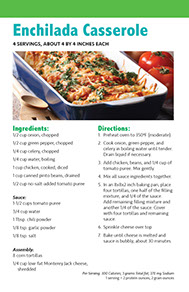
  • Enchilada Casserole

    Nutrition

    4 Servings, about 4 by 4 inches each

    Ingredients:

    1/2 cup onion, chopped

    1/2 cup green pepper, chopped

    1/4 cup celery, chopped

    1/4 cup water, boiling

    1 cup chicken, cooked, diced

    1 cup canned pinto beans, drained

    1/2 cup non-salt-added tomato puree

    8 corn tortillas

    Sauce:

    1-1/2 cups non-salt-added tomato puree 3/4 cup water

    1 Tbsp. chili powder

    1/8 tsp. garlic powder

    1/8 tsp. salt (see note below)

    Topping:

    1/4 cup Monterey Jack cheese, shredded

    Directions:

    1.  Preheat oven to 350ºF (moderate).

    2.  Cook onion, green pepper, and celery in boiling water until tender. Drain liquid if necessary.

    3.  Add chicken, beans, and 1/4 cup of tomato puree. Mix gently.

    4.  Mix all sauce ingredients together thoroughly.

    5.  In an 8x8x2 inch baking pan, place four tortillas, one half of the filling mixture, and 1/4 of the sauce. Add remaining filling mixture and another one-fourth of the sauce. Cover with four tortillas and remaining sauce.

    6.  Sprinkle cheese over top.

    7.  Bake until cheese is melted and sauce is bubbly, about 30 minutes.

    Note: Cheese, corn tortillas, and canned beans contain salt, so no salt is added to the filling and only a little to the sauce.

    Per Serving:

    Calories – 300

    Total fat – 3 grams

    Sodium 378 mg

    Page from HealthyLife Weigh Recipe book by the American Institute for Preventive Medicine. www.HealthyLife.com. All rights reserved.

    © American Institute for Preventive Medicine
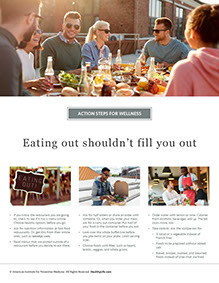
  • Eating Out Shouldn’t Fill You Out

    Nutrition

    Group of friends sitting outside eating at a restaurant.

    *  If you know the restaurant you are going to, check to see if it has a menu online. Choose healthy options before you go.

    *  Ask for nutrition information at fast food restaurants. Or, get this from their online sites, such aswendys.com.

    *  Read menus that are posted outside of a restaurant before you decide to eat there.

    *  Ask for half orders or share an order with someone. Or, when you order your meal, ask for a carry out container. Put half of your food in the container before you eat.

    *  Look over the whole buffet line before you pile items on your plate. Limit serving sizes.

    *  Choose foods with fiber, such as beans, lentils, veggies, and whole grains.

    *  Order water with lemon or lime. Calories from alcoholic beverages add up. The bill costs more, too.

    *  Take control. Ask the waitperson for:

    –  A salad or a vegetable instead of French fries

    –  Foods to be prepared without added salt

    –  Baked, broiled, roasted, and steamed foods instead of ones that are fried

    Page from HealthyLife Weigh book by the American Institute for Preventive Medicine. www.HealthyLife.com. All rights reserved.

    © American Institute for Preventive Medicine
  • Eating For Peak Performance

    Fitness

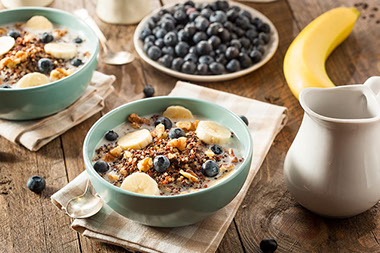
    Image of oat cereal with fresh fruit.

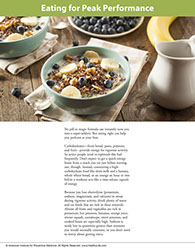
    No pill or magic formula can instantly turn you into a super-athlete. But eating right can help you perform at your best.

    Carbohydrates-from bread, pasta, potatoes, and fruit-provide energy for vigorous activity. So active people need to replenish this fuel frequently.  Don’t expect to get a quick energy boost from a snack you eat just before starting out, though.  Instead, consuming a high-carbohydrate food like skim milk and a banana, whole wheat bread, or an orange an hour or two before a workout acts like a time-release capsule of energy.

    Because you lose electrolytes (potassium, sodium, magnesium, and calcium) in sweat during vigorous activity, drink plenty of water and eat foods that are rich in these minerals. Almost all fruits and vegetables are rich in potassium, but potatoes, bananas, orange juice, winter squash, cantaloupe, sweet potatoes, and cooked beans are especially high. Sodium is rarely lost in quantities greater than amounts you would normally consume, so you don’t need to worry about getting extra.

    Page image from the A Year of Health Hints book by the American Institute for Preventive Medicine. www.HealthyLife.com. All rights reserved.

    © American Institute for Preventive Medicine