Blog

  • Eating & Exercise Tracker™

    Fitness

    Learn by Logging

    Each day, for 45 days, simply:

    1.  Record the date, your weight, and the hours of sleep you get per night.

    2.  Write down what you eat and drink for meals and snacks and times you have them. List calories for each. Studies have shown that people who write down what they eat and drink lose more weight than people who don’t.

    3.  Check off how many 8 oz. glasses of water you drink a day. Include fluids from other beverages.

    4.  Cross off your mood for each meal and snack.

    5.  Identify times that you eat too much or too many unhealthy foods. Doing this can help you make healthy changes, such as avoiding mindless snacking.

    6.  List physical activities you do and for how long (or how many steps you take). Writing down the activities you do helps you make physical activity a priority.

    See the “Tracking” on this page or download the “Print on Demand” for a tracking journal.

    Health Goals

    Check the healthy changes you want to make.

    *  Eat more fruits and veggies. Aim for 5-9 servings/day.

    *  Lose weight. Start with a goal of losing 10% of your current weight. Aim for a slow, steady weight loss (1-2 lbs. / week).

    *  Whittle your waist. General health goals: < 40 inches for men; < 35 inches for women

    *  Drink at least 6-8 glasses of water a day. Drinking water instead of one 12 oz. soft drink/day could help you lose 15 lbs. in a year!

    *  Get more sleep. Aim for 7-8 hours of sleep/ night.

    *  Exercise more.

    Healthy Eating Choices

    *  Lots of vegetables and fruit

    *  Less high calorie, high fat, high sugar foods

    *  Lean meat, chicken, turkey, and fish

    *  Low-fat and nonfat dairy foods

    *  Limit portion sizes for meals and snacks. Little piece or serving

    *  Labels. Read the “Nutrition Facts” on food labels. Choose foods that give dietary fiber, vitamins A and C, calcium, and iron. Choose foods that are low sugar and fat, especially trans fat and saturated fat.

    *  Limit sodium to 1,500-2,400 mgs. /day.

    *  Start the day with a healthy breakfast.

    *  Eat at regular times during the day.

    *  Eat when you are truly hungry, not as a response to boredom, stress, and emotions.

    Tip the Scales in Your Favor

    One pound of body fat is worth 3,500 calories. To lose one pound of body fat per week:

    *  Eat 500 fewer calories a day.

    *  Burn an extra 500 calories a day.

    *  Eat 250 fewer calories and burn an extra 250 calories a day (or any other combination of 3,500 calories per week).

    My Healthy Eating Plan

    Use ChooseMyPlate to help you make healthy food choices and proper serving sizes. Find out more about this and get a custom eating plan fromwww.choosemyplate.gov.

    What is a Serving?

    Grains (1 oz. serving)

    – 1 slice of bread; ½ English muffin

    – 1 cup dry cereal

    – ½ cup cooked cereal, pasta, or rice

    Veggies (1 cup serving)

    – 1 cup raw or cooked veggies

    – 2 cups raw, leafy veggies

    – 1 medium baked potato

    Fruits (1 cup serving)

    – 1 large banana, orange, or peach

    – 1 small or ½ large apple

    – 1 cup berries or 100% fruit juice

    – ½ cup dried fruit

    Milk

    – 1 cup fat-free or low-fat milk or yogurt

    – 1½ oz. hard cheese

    – 2 oz. processed cheese

    Meats & Beans (1 oz. serving)

    – 1 oz. cooked lean meats or poultry

    – 1 egg

    – ½ oz. nuts or seeds; 2 Tbsp. hummus

    – ¼ cup chickpeas, lentils, or tofu

    – 1 Tbsp. peanut butter

    Oils

    – 1 tsp. oil or trans fat-free margarine

    – 1 Tbsp. salad dressing

    Serving Size Matters

    People tend to think they eat less than what they actually do. One way to find out how much you eat is to use measuring cups and spoons and a food scale. Do this for everything you eat and drink for at least one day. You can also use common objects to estimate serving sizes.

    1 cup = 2 hands cupped or clenched fist

    ½ cup = Computer mouse

    1 oz. = Domino

    3 oz. =  Deck of cards

    1 Tbsp. = One die

    2 Tbsp. = 1 ping-pong ball

    1½ oz. low-fat cheese =  4 dice

    Physical Activity Guidelines

    Each week, adults should do at least  2 hrs. and 30 min. of moderate-intensity physical activity, such as walking, gardening, and water aerobics or 1 hr. and 15 min. of vigorous-intensity physical activity, such as jogging, race walking, and swimming laps.

    To lose and control your weight, you may need to increase these times. Start slowly. Build gradually. Consult your health care provider before beginning an exercise program.

    Source: http://whatscookingamerica.net/Information/CalorieBurnChart.htm
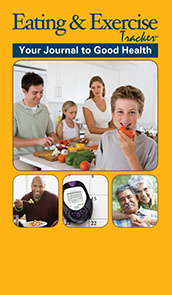
    Cover image to the Eating and Exercise Tracker book by the American Institute for Preventive Medicine. www.HealthyLife.com. All rights reserved.

    © American Institute for Preventive Medicine
  • Eat Whole Fruit

    Nutrition

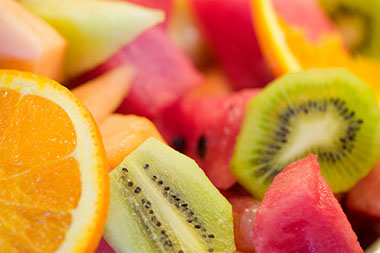
    Image of fresh fruit.

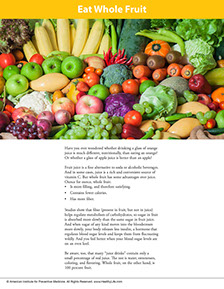
    Have you ever wondered whether drinking a glass of orange juice is much different, nutritionally, than eating an orange? Or whether a glass of apple juice is better than an apple?

    Fruit juice is a fine alternative to soda or alcoholic beverages. And in some cases, juice is a rich and convenient source of vitamin C. But whole fruit has some advantages over juice. Ounce for ounce, whole fruit:

    *  Is more filling, and therefore satisfying.

    *  Contains fewer calories.

    *  Has more fiber.

    Studies show that fiber (present in fruit, but not in juice) helps regulate metabolism of carbohydrates, so sugar in fruit is absorbed more slowly than the same sugar in fruit juice. And when sugar of any kind moves into the bloodstream more slowly, your body releases less insulin, a hormone that regulates blood sugar levels and keeps them from fluctuating wildly. And you feel better when your blood sugar levels are on an even keel.

    Be aware, too, that many “juice drinks” contain only a small percentage of real juice. The rest is water, sweeteners, coloring, and flavoring. Whole fruit, on the other hand, is 100 percent fruit.

    Page from A Year of Health Hints book by the American Institute for Preventive Medicine. www.HealthyLife.com. All rights reserved.

    © American Institute for Preventive Medicine
  • Eat The Rainbow With Soup

    Nutrition

    Soup with a variety of color.

    Soup is a great way to pack a lot of colorful veggies into one meal! Soups that feature vegetables, beans, or brown rice add fiber and nutrients to your diet. Soup is a great option if you are looking to add more fiber to your diet. It also increases your water intake and helps prevent constipation as you increase how much fiber you are eating.

    Be More Earth-Friendly

    Eating sustainably is one way you can give the earth a hand. Buy your fruits and vegetables from local producers. Try eating more sustainably caught seafood. Get more of your protein from non-meat sources, like beans, lentils, nuts, and seeds.

    Page from HealthyLife Weigh book by the American Institute for Preventive Medicine. www.HealthyLife.com. All rights reserved.

    © American Institute for Preventive Medicine

  • Eat Plenty Of Veggies & Fruit

    Nutrition

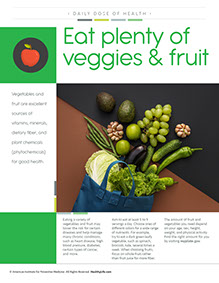
    Bag with variety of veggies and fruit.

    Vegetables and fruit are excellent sources of vitamins, minerals, dietary fiber, and plant chemicals (phytochemicals) for good health.

    Eating a variety of vegetables and fruit may lower the risk for certain diseases and help manage many chronic conditions, such as heart disease, high blood pressure, diabetes, certain types of cancer, and more.

    Aim to eat at least 5 to 9 servings a day. Choose ones of different colors for a wide range of nutrients. For example, try to eat a dark green leafy vegetable, such as spinach, broccoli, kale, several times a week. When choosing fruits, focus on whole fruit rather than fruit juice for more fiber.

    The amount of fruit and vegetables you need depend on your age, sex, height, weight, and physical activity. Find the right amount for you by visitingmyplate.gov.

    Page from HealthyLife Weigh book by the American Institute for Preventive Medicine. www.HealthyLife.com. All rights reserved.

    © American Institute for Preventive Medicine

  • Eat Out Without Filling Out

    Nutrition

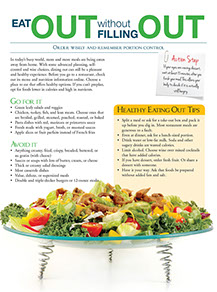
    Order wisely and remember portion control.

    In today’s busy world, more and more meals are being eaten away from home. With some advanced planning, self-control and wise choices, dining out can still be a pleasant and healthy experience. Before you go to a restaurant, check out its menu and nutrition information online. Choose a place to eat that offers healthy options. If you can’t preplan, opt for foods lower in calories and high in nutrients.

    Go for it.

    *  Green leafy salads and veggies

    *  Chicken, turkey, fish, and lean meats. Choose ones that are broiled, grilled, steamed, poached, roasted, or baked

    *  Pasta dishes with red, marinara or primavera sauce

    *  Foods made with yogurt, broth, or mustard sauces

    *  Apple slices or fruit parfaits instead of French fries

    Avoid it.

    *  Anything creamy, fried, crispy, breaded, battered, or au gratin (with cheese)

    *  Sauces or soups with lots of butter, cream, or cheese

    *  Thick or creamy salad dressings

    *  Most casserole dishes

    *  Value, deluxe, or supersized meals

    *  Double and triple-decker burgers or 12-ounce steaks

    Healthy Eating Out Tips

    *  Split a meal or ask for a take-out box and pack it up before you dig in. Most restaurant meals are generous to a fault.

    *  Even at dinner, ask for a lunch-sized portion.

    *  Drink water or low-fat milk. Soda and other sugary drinks are wasted calories.

    *  Limit alcohol. Choose wine over mixed cocktails that have added calories.

    *  If you have dessert, order fresh fruit. Or share a dessert with someone.

    *  Have it your way. Ask that foods be prepared without added fats and salt.

    Action Step

    If your eyes are craving dessert, wait at least 15 minutes after you finish your meal. This allows your body to decide if it is actually still hungry.

    Page from Ways to Well-Being book by the American Institute for Preventive Medicine. www.HealthyLife.com. All rights reserved.

    © American Institute for Preventive Medicine

  • Eat, Drink, And Be Wary

    Healthy Travel

    Image of couple eating at a resturant.

    It’s been said that travel expands the mind and loosens the bowels. One-third of visitors to developing countries suffer from travel sickness, or turista. This includes diarrhea, cramps, fatigue, and sometimes fever and nausea. Food and water contaminated with bacteria are usually to blame. Here’s what to do.

    *  If you plan to travel outside the United States, check with the local tourist board to find out if the water is safe for foreign visitors to drink.  Often, natives who are used to the local water can drink it with no ill effects, but outsiders experience nausea or diarrhea (or both).

    *  If you know or suspect the water is unsafe, drink and brush your teeth with bottled water that has a sealed cap. The same goes for making ice cubes, washing fruits and vegetables, or cooking.

    *  Carry an immersion coil so you can boil your water. Boil the water for at least 10 minutes, and allow it to cool before you use it.

    *  If you can’t boil your water, use purifying tablets, such as Halazone or Potable Aqua tablets, which you can buy at most drugstores and many sporting goods stores.

    *  Drink beverages served in original bottles, cans, etc. Don’t use ice made from tap water.

    *  Don’t eat raw fruits or vegetables (including salad). The exception: fresh fruit you peel yourself.

    *  Don’t order undercooked meat. Beef, pork, chicken, and fish should be cooked thoroughly.

    *  Don’t eat raw or undercooked shellfish.

    *  Avoid smorgasbords and buffet meals, where food is often left out for long periods of time, giving disease-causing microbes plenty of time to grow.

    *  Avoid unpasteurized milk and cheeses in countries outside the United States and western Europe.

    *  If your choice of safe foods is severely limited, take a daily multiple vitamin and mineral capsule to supply the nutrients you may be missing out on.

    Ask your doctor about taking diarrhea medicine with you. Ask what  product you should take and in what doses. (Note: Don’t take Pepto-Bismol if you’re allergic to aspirin. Don’t give Pepto-Bismol to anyone under age 19. Like aspirin, it contains salicylate.)

    Page image from A Year of Health Hints book by the American Institute for Preventive Medicine. www.HealthyLife.com. All rights reserved.

    © American Institute for Preventive Medicine
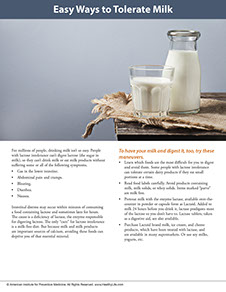
  • Easy Ways To Tolerate Milk

    Nutrition

    For millions of people, drinking milk isn’t so easy. People with lactose intolerance can’t digest lactose (the sugar in milk), so they can’t drink milk or eat milk products without suffering some or all of the following symptoms.

    *  Gas in the lower intestine.

    *  Abdominal pain and cramps.

    *  Bloating.

    *  Diarrhea.

    *  Nausea.

    Intestinal distress may occur within minutes of consuming a food containing lactose and sometimes lasts for hours. The cause is a deficiency of lactase, the enzyme responsible for digesting lactose. The only “cure” for lactose intolerance is a milk-free diet. But because milk and milk products are important sources of calcium, avoiding these foods can deprive you of that essential mineral.

    To have your milk and digest it, too, try these maneuvers.

    *  Learn which foods are the most difficult for you to digest and avoid them. Some people with lactose intolerance can tolerate certain dairy products if they eat small portions at a time.

    *  Read food labels carefully. Avoid products containing milk, milk solids, or whey solids. Items marked “parve” are milk free.

    *  Pretreat milk with the enzyme lactase, available over-the-counter in powder or capsule form as Lactaid. Added to milk 24 hours before you drink it, lactase predigests most of the lactose so you don’t have to. Lactase tablets, taken as a digestive aid, are also available.

    *  Purchase Lactaid brand milk, ice cream, and cheese products, which have been treated with lactase, and are available in many supermarkets. Or use soy milks, yogurts, etc.

    Page from A Year of Health Hints book by the American Institute for Preventive Medicine. www.HealthyLife.com. All rights reserved.

    © American Institute for Preventive Medicine
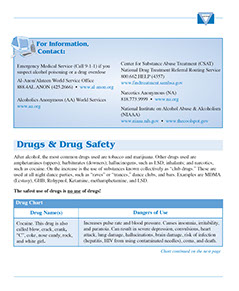
  • Drugs & Drug Safety

    Substance Use & Abuse

    After alcohol, the most common drugs used are tobacco and marijuana. Other drugs used are amphetamines (uppers); barbiturates (downers); hallucinogens, such as LSD; inhalants; and narcotics, such as cocaine. On the increase is the use of substances known collectively as “club drugs.” These are used at all-night dance parties, such as “raves” or “trances,” dance clubs, and bars. Examples are MDMA (Ecstasy), GHB, Rohypnol, Ketamine, methamphetamine, and LSD.

    The safest use of drugs is no use of drugs!

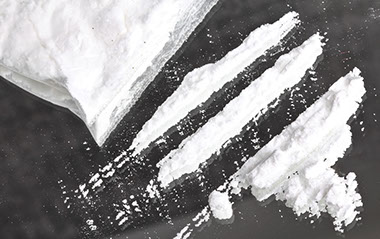
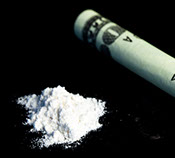
    Cocaine

    Image of cocaine.

    This drug is also called blow, crack, crank, “C”, coke, nose candy, rock, and white girl.

    Dangers of Use

    Increases pulse rate and blood pressure. Causes insomnia, irritability, and paranoia. Can result in severe depression, convulsions, heart attack, lung damage, hallucinations, brain damage, risk of infection (hepatitis, HIV from using contaminated needles), coma, and death.

    Depressants

    Image of depressants.

    Examples are alcohol, barbiturates, sedatives, tranquilizers, downers, ludes, reds, and yellow jackets.

    Dangers of Use

    Causes drowsiness, slurred speech, drunkenness, memory loss, sudden mood shifts, depression, and lack of coordination. Can result in shallow breathing, dilated pupils, clammy skin, weak pulse, coma, and death.

    Ecstasy

    Image of ecstasy.

    This is MDMA. Other names are Adam, Clarity, Lover’s Speed, and K.

    Dangers of Use

    Euphoric state initially, but depression can occur after taking the drug. Also carries the risk of a heat stroke from lack of fluids and sweating from dancing too long, especially in the hot environment of a club. May lead to a heart attack, seizure, and stroke.

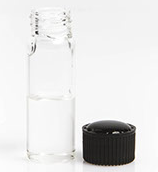
    GHB and GLB

    GLB is a similar drug that turns into GHB in the body. Other names are: Grievous Bodily Harm; Liquid Ecstasy, Liquid Sex, Georgia Home Boy, and Scoop.

    Image of GHB.

    Dangers of Use

    Common date rape drug that results in nausea, vomiting, a feeling of intoxication, and amnesia-like symptoms. The drug slows the heartbeat, reduces blood pressure, and can cause the user’s breathing to stop. Overdose results in unconsciousness, coma, and eventual death. There is little difference in the dose that can get someone high and one that can cause death.

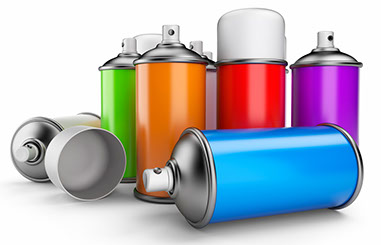
    Inhalants

    Image of unmarked inhalants.

    Examples are vapors from: Solvents, such as gasoline; aerosols, such as hair sprays; anesthetics, such as ether, chloroform, nitrous oxide; and spray paints, especially gold and silver.

    Dangers of Use

    Slows heart rate, breathing and brain activity. Can cause headaches, dizziness, nausea, lack of coordination, slurred speech, blurred vision. Can result in suffocation, heart failure, unconsciousness, seizures, brain damage, and even death.

    Ketamine

    This drug is also called: Special K, K, Vitamin K, and Cat Valium.

    Image of ketamine.

    Dangers of Use

    Causes dream-like states and hallucinations. Can cause delirium, amnesia, impaired motor functions, high blood pressure, depression, and breathing problems that can result in death.

    LSD

    Image of LSD.

    This is also called acid, bloomers, and yellow sunshines.

    Dangers of Use

    Causes hallucinations, dilated pupils, increased heart rate and blood pressure, sweating, sleeplessness, dry mouth, and tremors. Nausea, weakness, numbness or trembling are common. Long term use can cause persistent psychosis and what used to be called “flashbacks” – re-experiencing symptoms of past hallucinogen use even though not taking the drug at the present time.

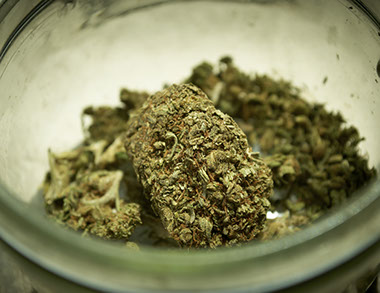
    Marijuana

    Image of marijuana.

    This is also called pot, grass, reefer, herb, jay, joint, smoke, weed, and AMP (marijuana with formaldehyde).

    Dangers of Use

    Can result in feelings of panic, impaired short term memory, decreased ability to concentrate, fatigue, paranoia, and possible psychosis. Also causes lung damage. Synthetic marijuana, such as K2 can have serious side effects, such as extremely high blood pressure, very fast heartbeat, paranoia, delusions, seizure, and hallucinations.

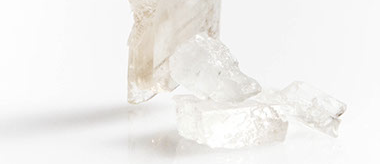
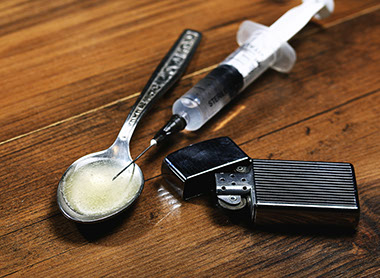
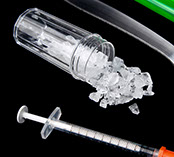
    Methamphetamine

    This drug is also called speed, ice, chalk, crystal meth, crack, fire, and glass.

    Image of methamphetamine.

    Dangers of Use

    Can result in memory loss, agitation, aggression, and violent or psychotic behavior and potential cardiac and neurological damage. Can contribute to higher rates of transmission of hepatitis and HIV, if injected. Can result in heart attacks, seizures, and death from overdose.

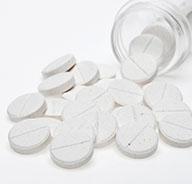
    Rohypnol

    This is also called R-2, Rib, Roofies, Rope, and Forget-Me Pill.

    Image of rohypnol.

    Dangers of Use

    Common date rape drug. Used in sexual assaults. Results in decreased blood pressure, drowsiness, visual disturbances, confusion, nausea, and vomiting. When mixed with alcohol or other drugs, this clear, odorless, and tasteless drug can cause death.

    Signs of a Drug Overdose

    Signs of an overdose depend on the type of drug used. Call 9-1-1 or get emergency care for one or more of the following:

    *  Unconsciousness. This means the person is hard to rouse and can’t be made aware of his or her surroundings. This can be brief, such as with fainting or blacking out. It can put a person into a coma.

    *  No breathing or slow and shallow breathing. This means 10 or fewer breaths per minute or time lapses of more than 8 seconds between breaths.

    *  Slow pulse rate (40 or fewer beats per minute).

    *  Suicidal gestures.

    *  Seizures.

    *  Tremors.

    *  Sudden hostile personality or violent behavior.

    *  Very rapid pulse rate (140 or more beats per minute) and/or extreme anxiety or paranoia.

    Resources

    Alcoholics Anonymous (AA) World Services

    Gives names and phone numbers for local AA groups. Gives materials on the AA program.

    www.aa.org

    Al-Anon/Alateen World Service Office

    A self-help program for families and friends of alcoholics. Also a referral line.

    888.4AL-ANON (425.2666)

    www.al-anon.org

    American Council for Drug Education

    A substance abuse prevention and education agency for youth, college students, parents, employers, educators, and health professionals.

    800.488.DRUG (488.3784)

    www.acde.org

    Cocaine Anonymous (CA) World Services

    Gives names and numbers for local self-help meetings.

    310.559.5833

    www.ca.org

    Narcotics Anonymous (NA) World Services Inc.

    Gives names and phone numbers for local self-help meetings and mails out literature on narcotics to hospitals and individuals.

    818.773.9999

    www.na.org

    Substance Abuse and Mental Health Services Administration (SAMHSA)

    Provides a free treatment referral service to link people with community-based substance abuse services they need.

    800.662.HELP (662.4357)

    www.findtreatment.samhsa.gov

    Page from the Student Self-Care book by the American Institute for Preventive Medicine. www.HealthyLife.com. All rights reserved.

    © American Institute for Preventive Medicine

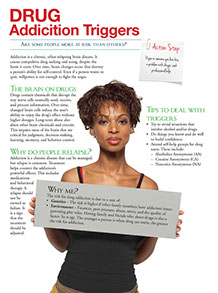
  • Drug Addiction Triggers

    Substance Use & Abuse

    Are some people more at risk than others?

    Addiction is a chronic, often relapsing brain disease. It causes compulsive drug seeking and using, despite the harm it costs. Over time, brain changes occur that destroy a person’s ability for self-control. Even if a person wants to quit, willpower is not enough to fight the urges.

    The brain on drugs

    Drugs contain chemicals that disrupt the way nerve cells normally send, receive, and process information. Over time, changed brain cells reduce the user’s ability to enjoy the drug’s effect without higher dosages. Long-term abuse also alters other brain chemicals and circuits. This impairs areas of the brain that are critical for judgment, decision-making, learning, memory, and behavior control.

    Why do people relapse?

    Addiction is a chronic disease that can be managed, but relapse is common. Treatment helps counter the addiction’s powerful effects. This includes medications and behavioral therapy. A relapse should not be viewed as failure. It is a sign that the treatment should be adjusted.

    Why me?

    The risk for drug addiction is due to a mix of:

    *  Genetics – The risk is higher if other family members have addiction issues.

    *  Environment – Finances, peer pressure, abuse, stress, and the quality of parenting play roles. Having family and friends who abuse drugs is also a factor. So is age. The younger a person is when drug use starts, the greater the risk for addiction.

    Tips to deal with triggers:

    *  Try to avoid situations that involve alcohol and/or drugs.

    *  Do things you know and do well to build confidence.

    *  Attend self-help groups for drug users. These include:

    – Alcoholics Anonymous (AA)

    – Cocaine Anonymous (CA)

    – Narcotics Anonymous (NA)

    Action Step

    If you or someone you love has a problem with drugs, seek professional help.

    Page from Ways to Well-Being book by the American Institute for Preventive Medicine. www.HealthyLife.com. All rights reserved.

    © American Institute for Preventive Medicine