Blog

  • Avoid Drowsy Driving 2

    SleepWell® Program

    Week 2

    Image of a drowsy driver.

    Driving while sleepy can severely impair your driving and cause an accident. Studies have linked sleepiness and fatigue to decreases in reaction time, decision making, and mind and body coordination. All of these factors are very important for safe driving.

    According to estimates from the American Automobile Association (AAA), one out of every five deadly traffic accidents is due to drowsy driving. More than one-quarter of drivers admitted to driving in the past month while having trouble keeping their eyes open. (Source: AAA, 2014.)

    Drive when you feel alert. On long drives, plan 15 minute breaks to get out and stretch your legs every two hours.

    Closing your eyes for even a second (called microsleep) can be enough to travel blindly far down the road (or off the road). If you drive while you are fatigued, you and anyone around you is at serious risk.

    Signs of fatigue:

    *  You can’t stop yawning

    *  You have trouble keeping your head up

    *  Your eyes close for a moment or go out of focus

    *  You have wandering, disconnected thoughts

    *  You have no memory of driving the last few miles

    *  You miss seeing a sign or your exit

    *  You slow down when you don’t mean to or break suddenly or too late

    *  You drift across the road or veer off onto rumble strips

    What to do:

    *  Pull to the side of the road or go to a rest stop

    *  Take a 15-20 minute nap. If you can, have 250-300 mg caffeine (amount in 2 cups of coffee) before the nap.

    *  Get a non-drowsy person to drive or find some way of getting home without driving yourself

    *  Drive to a motel or place where you can sleep
    © American Institute for Preventive Medicine

  • Approaching A Lifestyle Change

    SleepWell® Program

    Week 1

    Image of women smiling.

    What are you willing to change? This program asks you to make changes to your routines, lifestyle habits, and sleep schedule.

    As you become aware of your own habits, this guide will help you make changes to areas that keep you from getting quality sleep. Some of these changes may be easy; others may ask more of you. If you want to improve your sleep, the following ideas are important:

    *Value the Change.It is important to address poor sleep. You must believe that you need to make this change and that changing your sleep will benefit you.

    *Be patient.It takes time for certain changes to have an impact on your sleep habits. You may not notice a difference right away. Continue the new routine and use your SleepWell®Tracker.

    *Experiment.Finding what works for you is also important. This includes seeking a deeper understanding of your current habits and trying different strategies to find what will make a difference for you. Reading a book may help you fall asleep. Or, reading may keep you up late when you can’t put the book (or electronic reader) down.

    *Accept Real World Challenges.Finding a perfect way to sleep and avoid insomnia may not be possible. Over your lifetime, you will need to adapt to changing schedules and new challenges. These include work schedules, meal times, your own body clock, travel, aging, illness, and medications. Tools that work for a few months may not work long term. Equip yourself with many ideas and tools to be better prepared for a variety of situations and challenges.

    Repeat This Statement Out Loud:

    I am willing to be patient and to try different tools to help me sleep better. I believe sleep is very important to my health and well-being.

    © American Institute for Preventive Medicine
  • A Dangerous “Solution” To Busy Lives

    SleepWell® Program

    Week 1

    Image of sticky notes with times on them.

    A busy schedule and many demands on your time make it hard to get enough sleep. You may choose to stay up late or get up early to squeeze in home, work, family, and personal to-do’s.

    Advice for living a healthy lifestyle usually focuses on healthy eating, exercise, stopping alcohol and tobacco use, and safety issues. Did you know that getting enough quality sleep is as important to good health and long life as are healthy eating and regular exercise?

    If sleep suffers, the healthy actions taken during the daytime are not enough to maintain health.

    What other wellness goals are you working on right now? (e.g. losing weight, reducing stress)

    Make Sleep a Priority

    Go ahead. It’s okay. In fact, it’s downright necessary in order to avoid serious health problems! As you go through this guide, put action steps on your to-do list along with other things you need to do.

    Risky Business

    Not getting enough sleep can cause injury and death. About 20% of all serious car crashes are linked to driver sleepiness. Workers with severe insomnia make 2½ times more serious work errors than persons who get proper sleep.

    © American Institute for Preventive Medicine

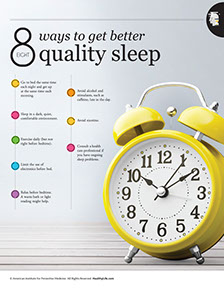
  • 8 Ways To Get Better Quality Sleep

    Sleep Well

    Alarm clock on night stand with female sleeping on bed.

    1. Go to bed the same time each night and get up at the same time each morning.

    2. Sleep in a dark, quiet, comfortable environment.

    3. Exercise daily (but not right before bedtime).

    4. Limit the use of electronics before bed.

    5. Relax before bedtime. A warm bath or light reading might help.

    6. Avoid alcohol and stimulants, such as caffeine, late in the day.

    7. Avoid nicotine.

    8. Consult a health care professional if you have ongoing sleep problems.

    © American Institute for Preventive Medicine

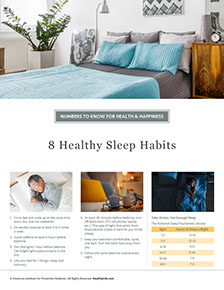
  • 8 Healthy Sleep Habits

    Sleep Well

    Bed with blue bedding.

    1. Go to bed and wake up at the same time every day, even on weekends.

    2. Do aerobic exercise at least 3 to 4 times a week.

    3. Avoid caffeine at least 6 hours before bedtime.

    4. Dim the lights 1 hour before bedtime. Get bright light exposure early in the day.

    5. Use your bed for 2 things−sleep and intimacy.

    6. At least 30 minutes before bedtime, turn off electronics (TV, cell phone, laptop, etc.). The type of light that emits from these devices makes it hard for you to fall asleep.

    7. Keep your bedroom comfortable, quiet, and dark. Turn the clock face away from you.

    8. Follow the same bedtime routine every night.

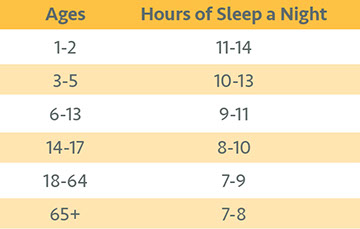
    Take Action: Get Enough Sleep

    The National Sleep Foundation advises:

    © American Institute for Preventive Medicine
  • You Don’T Need A Great Plan

    Healthylife® QuitWell™

    Part 3

    Person writing in a notebook.

    An “ok” plan today beats a “great” plan a few months from now.

    Motivation and willpower can ebb and flow-if you have even an ounce of motivation today, it’s probably a good day to take action. You don’t need to wait until your motivation is very high or you feel like you have a perfect plan laid out.

    Having some kind of plan, though, WILL help you succeed. Trying to quit without a plan can lead to frustration and relapse, as you find yourself unprepared for nicotine urges and trigger situations.

    Use the tools in this book to build your personal toolkit and action plan. Try out strategies even before you’re ready to dive into quitting fully. You might cut out a few cigarettes or a dip or two, putting yourself on the road to quitting completely!

    Start setting yourself up to be successful and confidence will follow!

    © American Institute for Preventive Medicine

  • Why Does It Matter If I Quit?

    Healthylife® QuitWell™

    Part 1

    Man smoking, while half his body in vanishing into smoke.

    Tobacco and nicotine products can affect many areas of your life.

    *  If you aren’t sure if you want to quit, read this section to learn more about how tobacco/nicotine use may be affecting your current and future life. Think about how important each of these reasons is to you. This may change over time, or if you start noticing impacts in your life.

    *  If you are ready to quit, consider adding these to your list of reasons you are making this change. Building a longer and stronger list of reasons you are choosing to make this change can help when the going gets tough.

    *  If you have already quit and are trying to stay quit, this information can help you talk yourself through a craving or tough situation. It may reinforce your decision and help you feel good about the change you have made.

    © American Institute for Preventive Medicine

  • What Motivates You?

    Healthylife® QuitWell™

    Part 1

    Image of women with no smoking sign.

    You’ve probably heard a lot of reasons why you should quit, but the best reasons are your own. Making lifestyle changes to fit with your own values and reasons makes your successes more meaningful. It can also be easier to overcome challenges along the way.

    You can do this activity at all stages of change, even if you aren’t planning to quit right now or have already quit. If you don’t feel like anything is motivating you right now, that is OK. You can return to this activity in the future. If you have already quit, think about why you want to stay quit.

    Here are some common reasons for quitting. Start a ‘Why Quit’ list. If any of these ring true for you, add them to your list.

    *  Avoid major health problems in the future

    *  Be able to breathe more easily

    *  Better circulation, especially to fingers and toes

    *  Easier, deeper sleep

    *  Good feeling when waking up

    *  A younger, brighter, more lively look

    *  In order to have surgery (many surgeons require you to quit first)

    *  Pregnancy/new baby (as a mother, partner, or grandparent)

    *  Keep new home or car clean

    *  Be healthier for loved ones

    *  Save money

    *  Smoking/chewing/vaping no longer fits a current or desired lifestyle

    *  Worried about known and unknown long term risks

    *  More healthy years with family & friends

    *  Pride in accomplishing something you set out to do

    *  Freedom from being “owned” by an addiction and a tobacco company

    *  Better sense of taste & smell

    *  More energy

    © American Institute for Preventive Medicine
  • What Holds You Back?

    Healthylife® QuitWell™

    Part 2

    Image of man thinking.

    Many people want to quit, but don’t. When people are asked why they don’t quit, the main reasons tend to be:

    *  Fear of gaining weight

    *  Worry about feeling more anxious

    *  Thinking that it’s too difficult to quit

    *  The thought that “it’s too late to quit”

    Star any of the above that are holding you back. Write your own reasons for why you have not quit yet. What are your biggest worries or fears about quitting? Avoid judging yourself for these reasons. It is important to understand your own barriers. If you do not want to quit, list those reasons.

    QuitWell™ can help you work through these issues. The more honest you are with yourself, the better this program will work for you.

    © American Institute for Preventive Medicine
  • What Assertive Looks Like

    Healthylife® QuitWell™

    Part 5

    Warehouse worker smiling with good posture and eye contact.

    *Body Posture:Be relaxed and natural. Avoid slouching, putting your hands in your pockets, or facing away from the person you are speaking with.

    *Eye Contact:Good eye contact is vital to convey self-confidence and interest. Don’t stare at the other person-this comes across as a challenge.

    *Voice, Tone, and Quality:Use a strong, varied tone. Speak clearly and firmly. Don’t shout or speak too softly. Don’t whine.

    *Distance from the Person:Don’t position yourself too far or too close.

    *Facial Expression:Let your face convey the same message as what you are saying.

    *Content:Use short sentences. Be specific, clear, and firm.

    Practice First

    Plan or write down what you want to say. Have responses ready ahead of time to deal with questions and comments. Reinforce your remarks by saying what positive outcomes will occur for you and the other person. Practice in front of a mirror or with a friend.

    Benefits of Being Assertive:

    *  You can feel comfortable saying “no.”

    *  You have more confidence to ask others for help.

    *  You gain more respect from others.

    *  You feel less angry with yourself and with others.

    *  You feel justified to say what you want to say.

    *  You feel comfortable requesting clarification.

    *  You accept compliments graciously.

    *  You can change your mind without feeling guilty.

    © American Institute for Preventive Medicine