Blog

  • What Is The Intermittent Fasting Diet?

    HEALTHY EATING

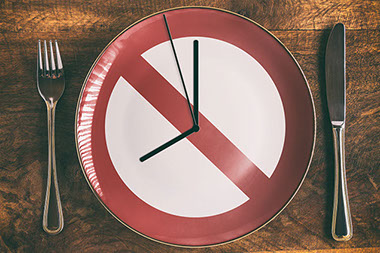
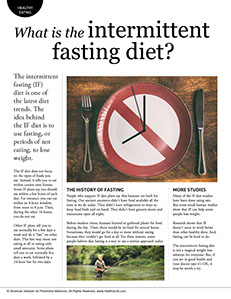
    Concept image of plate with "DO NOT" sign and clock hands.

    The intermittent fasting (IF) diet is one of the latest diet trends. The idea behind the IF diet is to use fasting, or periods of not eating, to lose weight.

    The IF diet does not focus on the types of foods you eat. Instead, it tells you to eat within certain time frames. Some IF plans say you should eat within a few hours of each day. For instance, you can eat within an 8-hour window, from noon to 8 p.m. Then, during the other 16 hours, you do not eat.

    Other IF plans tell you to eat normally for a few days a week and do a “fast” on other days. This fast may mean not eating at all or eating only small amounts. Some plans tell you to eat normally five days a week, followed by a  24-hour fast for two days.

    The history of fasting

    People who support IF diet plans say that humans are built for fasting. Our ancient ancestors didn’t have food available all the time as we do today. They didn’t have refrigerators or ways to keep food fresh and on hand. They didn’t have grocery stores and restaurants open all night.

    Before modern times, humans hunted or gathered plants for food during the day. Then, there would be no food for several hours. Sometimes, they would go for a day or more without eating because they couldn’t get food at all. For these reasons, some people believe that fasting is a way to use a similar approach today.

    More studies

    Many of the IF diet studies have been done using rats. But some small human studies show that IF can help some people lose weight.

    Research shows that IF doesn’t seem to work better than other healthy diets. And, fasting can be hard to do.

    The intermittent fasting diet is not a magical weight loss solution for everyone. But, if you are in good health and your doctor says it’s OK, it may be worth a try.
    © American Institute for Preventive Medicine
  • What Is Cbd?

    WELL-BEING

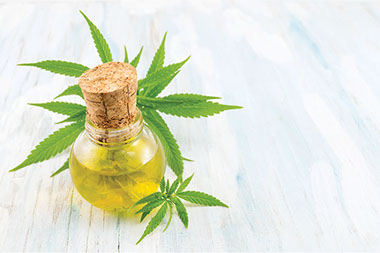
    CBD oil in small glass jar.

    CBD (or cannabidiol) oil may be purchased in many pharmacies and other stores. It is claimed to treat more than 50 health conditions like sleep problems, anxiety and pain. But, experts say there’s little evidence that it works for most of them.

    What is CBD?

    CBD oil comes from the cannabis plant. Cannabis plants can be marijuana or hemp.

    A chemical called tetrahydrocannabinol (THC) causes the mental changes that make a person “high” when they use marijuana. CBD oil should contain little to no THC so it can’t make a person high. However, there is no way to know for sure that the CBD product is THC-free.

    The Food and Drug Administration (FDA) tested CBD products. Some products were found to contain THC, even though CBD should not contain it. Other products had a different amount of CBD than what the label stated.

    What does CBD do?

    Experts don’t know exactly how CBD works in the body. There is solid evidence that it can help control seizure disorders in children. But, evidence that it helps treat other conditions is lacking. In fact, the FDA has warned several companies about selling CBD with untested health claims.

    Does CBD have side effects?

    In studies, people didn’t report serious side effects when taking CBD. There were some reports of diarrhea. Also, CBD may interact with a person’s other medications. People who take other medicines or have health conditions should ask a doctor before using CBD.

    Should I use CBD?

    There isn’t enough evidence to recommend CBD for health problems other than seizures. Experts say you should stick with proven treatments for health problems. Always talk with a doctor before using any natural treatment, including CBD.

    Source: National Institutes of Health

    © American Institute for Preventive Medicine
  • What’s A Flexitarian Diet?

    HEALTHY EATING

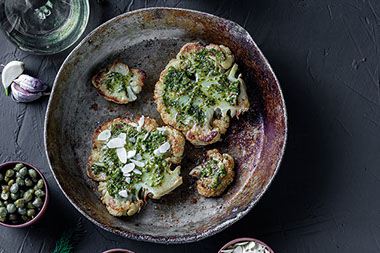
    Cauliflower steak with spices, sauce, almond flakes. Capers, olives, herbs, side by side.

    Flexitarian diet encourages mostly plant foods but allows animal products and meat occasionally.

    A flexitarian diet may be right for you if you are working to decrease your meat intake and eat more plant foods.

    How to eat flexitarian style

    Here are some general guidelines of what flexitarian eating might look like:

    *  Plant foods are the center of every meal. Your primary foods should include:

    – Vegetables

    – Fruits

    – Whole grains

    – Oils, herbs, and spices

    – Nuts and nut butter

    – Plant proteins such as beans, legumes, and tofu

    – Dairy products

    – Eggs

    *  If meat is a big part of your diet, begin by making one to two meals a day meat-free.

    *  Over time, as you adapt to less meat, choose two to three days a week as meat-free days.

    *  Eventually, many flexitarians try to eat meat one or two days a week or less.

    Potential benefits of flexitarian eating

    Diets high in plant foods have been shown to improve health and decrease the risk of disease. Because a flexitarian diet is plant-based, it may provide many of the same benefits.

    Studies that examined the benefits of a flexitarian diet found it may help you:

    *  Lose weight

    *  Reduce the risk of diabetes

    *  Lower blood pressure

    © American Institute for Preventive Medicine
  • Weighted Blankets – A Sleep Saver?

    WELL-BEING

    Bed with weighted blankets.

    Weighted blankets have become popular – but do you need one?

    Weighted blankets are designed to feel very heavy. They are usually filled with glass or plastic pellets that add weight. Some people believe the extra weight can feel like a hug. This may have a calming effect.

    Before you invest in a weighted blanket, here’s what to know:

    *  No large studies say that weighted blankets have proven health benefits. But some smaller studies have found that they can help a person calm down when stressed. They may also help some people with insomnia and anxiety, according to the National Sleep Foundation.

    *  Weighted blankets come in different sizes and weights. You may wish to use one that weighs around 10 percent of your body weight.

    *  Never use a weighted blanket on a baby or toddler.

    © American Institute for Preventive Medicine

  • Weekly Family Meetings

    FAMILY LIFE

    Young family smiling and laughing togething.

    A weekly family meeting is a time to be together, check in, and address any issues that arise.

    *  Make the meeting fun: Plan a special dessert to enjoy. Create a relaxed mood with special lighting or comfy pillows.

    *  Have an agenda: While you don’t want the meeting to be too formal, you should have a schedule to keep you on task.

    *  Get everyone involved: Let people take turns leading discussions. Encourage input and prioritize creative problem-solving.

    *  Set a respectful tone: This is a good time to practice resolving conflict with respect and consideration.

    *  End on a good note: If a tough topic needed to be addressed, be sure to end with something positive. Talk about fun upcoming events or brainstorm vacation ideas.

    © American Institute for Preventive Medicine

  • Vegetarian Alternatives To Turkey

    HEALTHY EATING

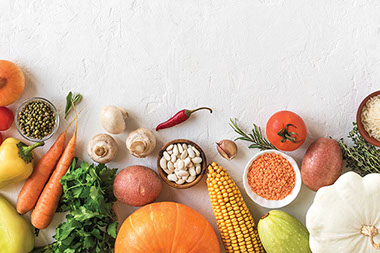
    Variety of fresh food ingredients.

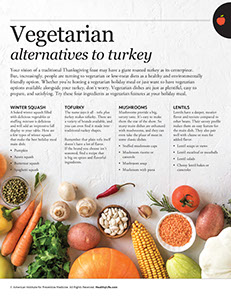
    Your vision of a traditional Thanksgiving feast may have a giant roasted turkey as its centerpiece. But, increasingly, people are turning to vegetarian or low-meat diets as a healthy and environmentally friendly option. Whether you’re hosting a vegetarian holiday meal or just want to have vegetarian options available alongside your turkey, don’t worry. Vegetarian dishes are just as plentiful, easy to prepare, and satisfying. Try these four ingredients as vegetarian features at your holiday meal.

    Winter Squash

    A baked winter squash filled with delicious vegetables or stuffing mixture is delicious and will add an impressive fall display to your table. Here are a few types of winter squash that make the best holiday meal main dish:

    *  Pumpkin

    *  Acorn squash

    *  Butternut squash

    *  Spaghetti squash

    Tofurky

    The name says it all – tofu plus turkey makes tofurky. There are a variety of brands available, and you can even find it made into traditional turkey shapes.

    Remember that plain tofu itself doesn’t have a lot of flavor. If the brand you choose isn’t seasoned, find a recipe that is big on spices and flavorful ingredients.

    Mushrooms

    Mushrooms provide a big, savory taste. It’s easy to make them the star of the show. So many main dishes are enhanced with mushrooms, and they can even take the place of meat in some classic dishes.

    *  Stuffed mushroom caps

    *  Mushroom risotto or casserole

    *  Mushroom soup

    *  Mushroom with pasta

    Lentils

    Lentils have a deeper, meatier flavor and texture compared to other beans. Their savory profile makes them an easy feature for the main dish. They also pair well with cheese or nuts for added flavor.

    *  Lentil soups or stews

    *  Lentil meatloaf or meatballs

    *  Lentil salads

    *  Cheesy lentil bakes or casseroles

    © American Institute for Preventive Medicine

  • Vegan Diet: Myths & Facts

    HEALTHY EATING

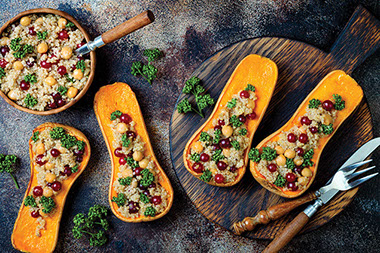
    Stuffed butternut squash with chickpeas, cranberries, quinoa cooked in nutmeg, cloves, cinnamon.

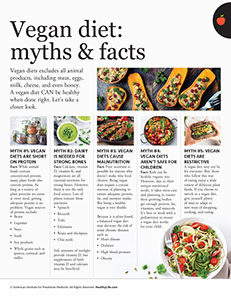
    Vegan diets excludes all animal products, including meat, eggs, milk, cheese, and even honey. A vegan diet CAN be healthy when done right. Let’s take a closer look.

    Myth #1: Vegan diets are short on protein

    Fact: While animal foods contain concentrated protein, many plant foods also contain protein. As long as a variety of plant proteins are eaten at every meal, getting adequate protein is no problem. Vegan sources of protein include:

    *  Beans

    *  Legumes

    *  Nuts

    *  Seeds

    *  Soy products

    *  Whole grains such as quinoa, oatmeal, and millet

    Myth #2: Dairy is needed for strong bones

    Fact: Calcium, vitamin D, vitamin K, and magnesium are all essential nutrients for strong bones. However, dairy is not the only food source. Lots of plants contain those nutrients:

    *  Spinach

    *  Broccoli

    *  Tofu

    *  Edamame

    *  Beans and chickpeas

    *  Chia seeds

    Safe amounts of sunlight provide vitamin D, but supplements of both vitamin D and calcium may be beneficial.

    Myth #3: Vegan diets cause malnutrition

    Fact: Poor nutrition is possible for anyone who doesn’t make wise food choices. Being vegan does require a certain amount of planning to ensure adequate protein, fat, and nutrient intake. But being a healthy vegan is very doable.

    Because it is plant-based, a balanced vegan diet may decrease the risk of some chronic diseases such as:

    *  Heart disease

    *  Diabetes

    *  High blood pressure

    *  Obesity

    Myth #4: Vegan diets aren’t safe for children

    Fact: Kids can be healthy vegans, too. However, due to their unique nutritional needs, it takes extra care and planning to ensure their growing bodies get enough protein, fat, vitamins, and minerals. It’s best to work with a pediatrician to ensure a vegan diet works  for your child.

    Myth #5: Vegan diets are restrictive

    A vegan diet may not be for everyone. But, those who follow this way of eating enjoy a wide variety of delicious plant foods. If you choose to switch to a vegan diet, give yourself plenty of time to adapt to new ways of shopping, cooking, and eating.

    © American Institute for Preventive Medicine

  • Vaccines & Autism: The Facts

    MEDICAL NEWS

    Young child and teacher.

    Autism spectrum disorder (ASD) is a brain disorder that happens while the brain is developing. It can cause challenges with social, communication and behavioral skills.

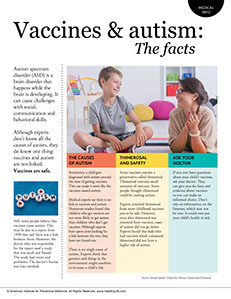
    Although experts don’t know all the causes of autism, they do know one thing: vaccines and autism are not linked. Vaccines are safe.

    Still, some people believe that vaccines cause autism. This may be due to a report from 1998 that said there was a link between them. However, the doctor who was responsible for the report used a study that was small and flawed. The study had errors and problems. The doctor’s license was later revoked.

    The causes of autism

    Sometimes, a child gets diagnosed with autism around the time of getting vaccines. This can make it seem like the vaccines caused autism.

    Medical experts say there is no link to vaccines and autism. Numerous studies found that children who get vaccines are not more likely to get autism than children who don’t get vaccines. Although experts have spent years looking for a link between the two, they have not found one.

    There is no single cause of autism. Experts think that genetics and things in the environment might combine to increase a child’s risk.

    Thimerosal and safety

    Some vaccines contain a preservative called thimerosal. Thimerosal contains small amounts of mercury. Some people thought thimerosal could be causing autism.

    Experts removed thimerosal from most childhood vaccines just to be safe. However, even after thimerosal was removed from vaccines, cases of autism did not go down. Experts found that kids who had vaccines which contained thimerosal did not have a higher risk of autism.

    Ask your doctor

    If you ever have questions about your child’s vaccines, ask your doctor. They can give you the facts and evidence about vaccines so you can make an informed choice. Don’t rely on information on the Internet, which may not be true. It could even put your child’s health at risk.

    Source: Autism Speaks, Centers for Disease Control and Prevention

    © American Institute for Preventive Medicine