Blog

  • Stop The Spread Of Respiratory Infections

    MEDICAL NEWS

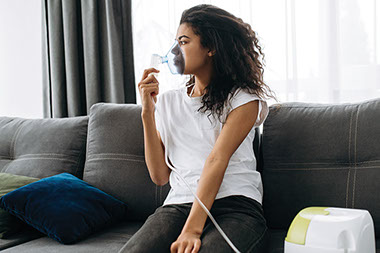
    Women sitting with a portable oxygen mask.

    The winter months are a peak time for the spread of infectious respiratory diseases. Cold weather often keeps people indoors, where it is easier for infections to spread.

    Infectious respiratory diseases include the common cold, as well as other respiratory illnesses that can be more serious. Some people may be at increased risk of severe side effects from respiratory disease, including the elderly, children, and the immunocompromised.

    Preventing the spread of respiratory disease helps keep everyone in your family and community safe. A few simple precautions can make all the difference. Once you know how these diseases are spread, you can take steps to contain them and make this winter a healthy one.

    Airborne transmission

    The most common way infectious respiratory diseases spread is by small aerosols that become airborne when an ill person coughs, laughs, talks, or sneezes. These tiny aerosols can hang in the air for hours and easily travel to the lungs when inhaled.

    Surface transmission

    Contact with a surface that is contaminated with droplets from an infected person is another route of transmission. If you touch something that has saliva or mucus on it and then later touch your mouth or face, you can become infected with the virus.

    Close contact transmission

    Being in close contact with someone infected with a virus can result in exposure to large virus-laden respiratory droplets. In contrast to the tiny aerosols that can hang in the air for an extended period, larger droplets fall quickly and most likely to spread when people are less than 3 feet apart.

    Types of infectious respiratory viruses

    *  Chickenpox

    *  Coronavirus infections (including SARS-CoV and MERS-CoV)

    *  Diphtheria

    *  Influenza (flu)

    *  Legionnaires’ disease

    *  Measles

    *  Middle East Respiratory Syndrome (MERS)

    *  Mumps

    *  Pneumonia

    *  Pneumococcal meningitis

    *  Rubella (German measles)

    *  Severe Acute Respiratory Syndrome (SARS)

    *  Tuberculosis

    *  Whooping cough

    Prevent the spread

    *  Minimize close contact with ill people.

    *  Wash your hands regularly with soap and water.

    *  Don’t share personal items such as food and utensils.

    *  Ask your doctor which vaccines are recommended for you, including the flu and COVID vaccines.

    *  Cover coughs and sneezes with your elbow and tissues (not your hands!).

    *  Stay home if you are ill.
    © American Institute for Preventive Medicine

  • Stop Snoring

    SELF-CARE CORNER

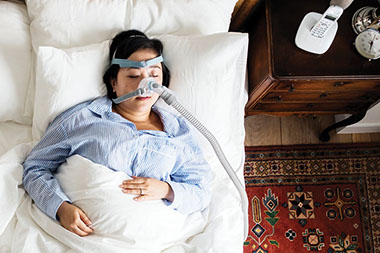
    Women wearing a CPAP mask while sleeping.

    Almost everyone snores sometimes. But some people snore a lot, and it may be disruptive to their sleep and those around them. Snoring may just be a nuisance, but it could also be a sign of a serious problem.

    What is snoring?

    Snoring is the harsh sound made when air vibrates the tissue around your airway while you breathe. When you sleep, it’s normal for your throat to relax and your tongue to slide back into your mouth. However, if anything obstructs the flow of air, you get vibrations known as snoring.

    The sound can range from gentle to grating, depending on the degree of obstruction or the specific structure of your airway.

    Causes

    *  Stuffy nose from a cold or allergies

    *  Sleep position

    *  Bulky throat tissue from large tonsils or adenoids

    *  Your unique mouth anatomy

    *  Being overweight

    *  Poor muscle tone due to age, alcohol consumption, or sleep deprivation

    *  A serious condition called Obstructive Sleep Apnea (OSA)

    What makes snoring dangerous?

    Excessive snoring may be a sign of obstructive sleep apnea (OSA). This condition occurs when breathing is fully or partially obstructed for more than 10 seconds during sleep. You may wake with a snort or gasp and then fall back to sleep for another cycle of snoring, followed by breath obstruction.

    People with OSA often sleep poorly due to multiple cycles of apnea disrupting deep sleep. They are also at higher risk for high blood pressure, heart conditions, and stroke.

    Talk to your doctor if you or your partner notice you are frequently snoring.

    Warning signs for OSA:

    *  Feeling very drowsy during the day

    *  Morning headaches

    *  Gasping or choking at night

    *  High blood pressure

    *  Snoring disrupting your bed partner’s sleep

    *  Chest pain at night

    If your doctor determines you do not have OSA, you may want to try other strategies to reduce snoring:

    *  Sleep on your side.

    *  Avoid alcohol and caffeine at night.

    *  Lose some weight.

    *  Treat nasal congestion.

    *  Try devices such as nasal strips or nasal dilators.

    *  Explore ways to get better sleep.

    © American Institute for Preventive Medicine
  • Step Up To A Longer Life

    WELL-BEING

    Elderly couple walking.

    Could something as simple as walking help you live longer? Some recent research says it’s possible. Here’s what to know:

    1.  Researchers had 17,000 older women wear a device each day to count their steps.

    2.  They tracked the women for four years.

    3.  Those who took between 4,400 and 7,500 steps each day were less likely to die during those four years.

    4.  Walking more than 7,500 steps is also good for your health!

    Researchers said this is helpful for people who may think that 10,000 steps is overwhelming. Try to walk 4,400 steps or more each day, and you could see some important health benefits.

    Sources: Journal of the American Medical Association, National Institutes of Health

    © American Institute for Preventive Medicine

  • Stay Healthy With Shift Work

    WORK LIFE

    Doctor on phone working the night shift.

    For many people, shift work is a great way to get in hours around family commitments. For some people, shift work is simply part of their profession. Nurses, doctors, first responders and many others work shifts because it’s necessary.

    When you don’t work a 9 to 5 shift, it can be harder to find time to eat well and exercise. In the middle of the night, most restaurants and stores are closed. You may also feel tired and less motivated to exercise and eat well. But there are some ways to get around these obstacles.

    Try these healthy tips if you work a shift schedule:

    1.  Stock up on healthy food. When you’re tired, it’s easy to simply reach for convenience foods. Instead, keep your favorite fresh foods on hand at home or work and make them convenient. Washed and cut fruits and vegetables are a great snack anytime. You may also try nuts or seeds, oatmeal and hummus.

    2.  Make meals before your shift. Many times, the only choice during shift work is a vending machine. Try cooking large meals in a crock pot and freezing individual portions.

    3.  Avoid large portions. Many people feel tired and sluggish after a large meal. Pack portions that will fill you up without making you feel stuffed. Between meals, choose pre-packed, healthy snacks.

    4.  Take a break to eat. Sit down at a table, if possible. Enjoy your food and eat slowly. This can help you avoid overeating or mindless snacking.

    5.  Watch the caffeine.  Many people need at least six hours or more to process caffeine so they can sleep. If you’re feeling sluggish, try drinking plenty of water instead of coffee or tea.

    6.  Move your body when you can. Walk up and down stairs or hallways on breaks. Try stretching at your desk. You can even do some jumping jacks if you don’t have time for anything else. Any kind of physical activity can give you more energy and lift your mood.

    7.  Remember that sleep is important. Even if you don’t have a typical work schedule, you can still make sleep a priority. Aim for seven to nine hours per 24-hour period. If you can’t get that much at once, see if you can still get that much by using naps.

    Source: National Sleep Foundation

    © American Institute for Preventive Medicine

  • Stay Healthy At Work

    WORK LIFE

    Image of frozen berries in a glass.

    When work is busy, it can be easy to lose track of your health goals.

    Don’t assume you have no time to pack healthy snacks or that it’s too expensive. If you use some of the shortcuts below instead of buying something while you’re at work, you’ll likely save yourself time and money. And, these nutritious options won’t leave you feeling sluggish by 4 p.m.

    Time-saving, healthy ideas include:

    *  Canned fruit (in juice, not syrup) with Greek yogurt

    *  Mini microwave packs of frozen vegetables

    *  Dried fruit and nuts – make your own healthy trail mix

    *  Pre-chopped fruits, vegetables and salad

    Did you know?

    Frozen and canned fruits and vegetables have the same nutrients as fresh. In some cases, they may be even more nutritious because they are canned or frozen soon after harvest.

    Source: Produce for Better Health Foundation

    Drinks matter too.

    Do you reach for coffee throughout the day? Consider cutting back and replacing it with water. You could reap numerous benefits of reduced caffeine intake, including:

    *  Better sleep. Caffeine can take several hours to leave your body completely. This means that afternoon cup could be keeping you awake many hours later.

    *  Reduced stress. You’re sleeping better – and better sleep helps you cope with stress.

    *  More energy. Hydrating with water can fight fatigue.

    *  Less anxiety. Caffeine can trigger anxiety – or make it worse – in some people.

    © American Institute for Preventive Medicine
  • Stay Fit For Life By Getting Flexible

    BE FIT

    Two women stretching legs on bench.

    Flexibility is your range of motion throughout the joints of your body. A rigid joint may not function well and can limit your ability to move with ease.

    A healthy range of motion allows you to bend down to tie your shoes or reach up high to get something out of a cabinet. If you want to move well, you need to be flexible!

    Tips to improve flexibility

    *  Stretch your muscles daily.

    *  Take regular stretch breaks, especially after long periods of inactivity.

    *  Make time to stretch after you exercise when your muscles are warm.

    *  Hold each stretch for about 90 seconds.

    *  Only stretch to the point of “comfortable discomfort,” never pain.

    *  Breathe deeply and relax while stretching.

    © American Institute for Preventive Medicine

  • Start Running

    BE FIT

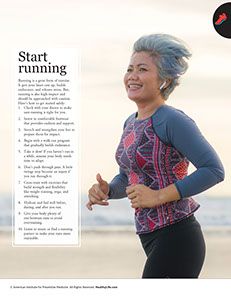
    Middle aged women jogging on beach.

    Running is a great form of exercise. It gets your heart rate up, builds endurance, and releases stress. But, running is also high-impact and should be approached with caution. Here’s how to get started safely:

    1. Check with your doctor to make sure running is right for you.

    2. Invest in comfortable footwear that provides cushion and support.

    3. Stretch and strengthen your feet to prepare them for impact.

    4. Begin with a walk-run program that gradually builds endurance.

    5. Take it slow! If you haven’t run in a while, assume your body needs time to adapt.

    6. Don’t push through pain. A little twinge may become an injury if you run through it.

    7. Cross-train with exercises that build strength and flexibility like weight training, yoga, and stretching.

    8. Hydrate and fuel well before, during, and after you run.

    9. Give your body plenty of rest between runs to avoid overtraining.

    10. Listen to music or find a running partner to make your runs more enjoyable.

    © American Institute for Preventive Medicine

  • Snoring And Your Health

    SELF-CARE CORNER

    Women sleeping while wearing a CPAP machine.

    Occasional snoring is often harmless. It may happen when a person has a stuffy nose or is lying on their back. But if you snore every night, talk with a doctor. Long-term snoring can lead to health problems.

    Sleep suffers

    Snoring can make you wake up many times during the night. You probably won’t remember these awakenings. They interfere with your body’s ability to get good, sound sleep.

    Without quality sleep, you may feel tired nearly every day. This can lead to problems at work, school or home. In severe cases, it can lead to dangers like car collisions if you fall asleep at the wheel.

    Obstructive sleep apnea

    Sometimes snoring is a sign of a health problem called obstructive sleep apnea (OSA). Signs of OSA include:

    *  Loud snoring that happens nearly every night

    *  Pauses in breathing during sleep (this can happen hundreds of times per night)

    *  Choking or gasping for air during the night

    *  Feeling very tired even after a full night’s sleep

    *  Trouble concentrating or being irritable

    *  Waking up with a headache

    OSA can also cause heart problems because it can increase a person’s risk of high blood pressure, stroke or heart disease. It can also cause an irregular heartbeat, known as an arrhythmia.

    How to fix snoring

    There are many ways to reduce or eliminate snoring. First, see a doctor to get checked for any health problems. Your doctor may recommend:

    *  If you smoke, quit. Smoking can make snoring worse and leads to other serious health problems.

    *  Limit or avoid alcohol. Don’t drink alcohol close to bedtime. Alcohol relaxes throat muscles and can cause more snoring and pauses in breathing.

    *  Work toward a healthy weight if you are overweight. Being overweight often makes snoring worse.

    If these measures don’t help, ask your doctor about other options. Certain devices and surgery can help some people quit snoring.

    Relationship problems

    Snoring can cause social problems too. Some people find that their marriage or domestic partnership suffers. Partners may not be able to sleep in the same room because of the noise.

    Sources: American Academy of Otolaryngology – Head and Neck Surgery

    © American Institute for Preventive Medicine

  • Smoking Triggers And How To Beat Them

    MEDICAL NEWS

    Cigarettes and nicotine gum.

    Many people have tried to quit smoking but couldn’t. There are many reasons for this, but one of them is because of triggers. A trigger is something that makes you want to smoke.

    Emotional triggers

    When you have certain emotions, you may get the urge to smoke. They may include feeling stressed, nervous, depressed or even bored.

    You can help stop these triggers by dealing with your emotions in other healthy ways. Try meditation, deep breathing or exercise to help manage stress and anxiety. Exercise is also a great way to beat boredom and fight depression. Listen to calming music or talk to a friend who can encourage you to keep up your efforts to quit.

    Pattern triggers

    Sometimes you’re used to smoking when you do something else, such as drinking coffee or alcohol. This is known as a pattern trigger. You may also like to smoke after eating or during a work break.

    Change your routine to help avoid these patterns. Chew your favorite gum, suck on a hard candy or mint or go for a walk. Try brushing your teeth after meals, coloring in an adult coloring book or squeezing a stress relief ball.

    Social triggers

    Many people want to smoke at bars, parties or when they’re with people who smoke. These can be powerful triggers for you to smoke.

    It’s best to avoid these triggers if you’re trying to quit. Instead, surround yourself with people who don’t smoke or who want you to quit. Try taking a class or find a hobby, such as painting or cycling.

    Withdrawal triggers

    Your body will crave nicotine when you quit smoking. Nicotine is very addictive and you may go through withdrawal. Withdrawal triggers include:

    *  Cravings for cigarettes or e-cigarettes

    *  Feeling like you need to do something with your hands or mouth

    *  Feeling restless or uncomfortable

    Withdrawal can be very difficult to manage. As with other triggers, spend time with people who don’t smoke and who want you to quit. Find things to do that have nothing to do with smoking. Avoid places or situations where you might see or smell cigarettes or vaping.

    Quitting is hard. But if you have support from your doctor, family and friends, you can do it. Millions of people have quit and you can too!

    Source: Smokefree.gov

    © American Institute for Preventive Medicine