Blog

  • Polypharmacy: What To Know

    MEDICAL NEWS

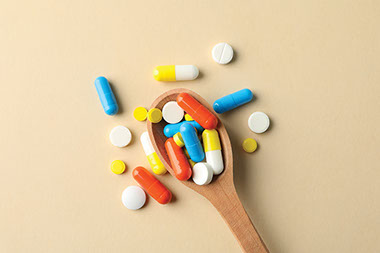
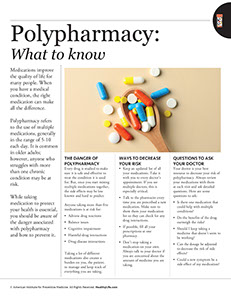
    Wooden spoon filled with variety of pills.

    Medications improve the quality of life for many people. When you have a medical condition, the right medication can make all the difference.

    Polypharmacy refers to the use of multiple medications, generally in the range of 5-10 each day. It is common in older adults; however, anyone who struggles with more than one chronic condition may be at risk.

    While taking medication to protect your health is essential, you should be aware of the danger associated with polypharmacy and how to prevent it.

    The danger of polypharmacy

    Every drug is studied to make sure it is safe and effective to treat the condition it is used for. But, once you start mixing multiple medications together, the side effects may be less known and hard to predict.

    Anyone taking more than five medications is at risk for:

    *  Adverse drug reactions

    *  Balance issues

    *  Cognitive impairment

    *  Harmful drug interactions

    *  Drug-disease interactions

    Taking a lot of different medications also creates a burden on you, the patient, to manage and keep track of everything you are taking.

    Ways to decrease your risk

    *  Keep an updated list of all your medications. Take it with you to every doctor’s appointment. If you see multiple doctors, this is especially critical.

    *  Talk to the pharmacist every time you are prescribed a new medication. Make sure to show them your medication list so they can check for any drug interactions.

    *  If possible, fill all your prescriptions at one pharmacy.

    *  Don’t stop taking a medication on your own. Always talk to your doctor if you are concerned about the amount of medicine you are taking.

    Questions to ask your doctor

    Your doctor is your best resource to decrease your risk of polypharmacy. Always review your medications with them at each visit and ask detailed questions. Here are some questions to ask:

    *  Is there one medication that could help with multiple conditions?

    *  Do the benefits of the drug outweigh the risks?

    *  Should I keep taking a medicine that doesn’t seem to be working?

    *  Can the dosage be adjusted to decrease the risk of side effects?

    *  Could a new symptom be a side effect of my medication?
    © American Institute for Preventive Medicine

  • Poison Prevention Starts At Home

    WELL-BEING

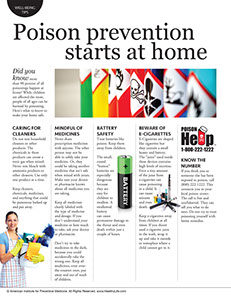
    Image of posion cans with warning labels.

    Did you know more than 90 percent of all poisonings happen at home? While children are affected the most, people of all ages can be harmed by poisoning. Here’s what to know to make your home safe.

    Caring for cleaners

    Do not mix household cleaners or other products. The chemicals in these products can create a toxic gas when mixed. Never mix bleach with ammonia products or other cleaners. Use only one product at a time.

    Keep cleaners, chemicals, medicines, and anything that could be poisonous locked up and put away.

    Mindful of medicines

    Never share prescription medicines with anyone. The other person may not be able to safely take your medicine. Or, they could be taking another medicine that isn’t safe when mixed with yours. Make sure your doctor or pharmacist knows about all medicines you are taking.

    Keep all medicines clearly labeled with the type of medicine and dosage. If you don’t understand your medicine or how much to take, ask your doctor or pharmacist.

    Don’t try to take medicines in the dark, because you could accidentally take the wrong one. Keep all medicines, even over-the-counter ones, put away and out of reach of children.

    Battery safety

    Treat batteries like poison. Keep them away from children.

    The small, round “button” batteries are especially dangerous because they are easy for children to swallow. A swallowed battery can cause permanent damage to the throat and even death within just a couple of hours.

    Beware of e-cigarettes

    E-Cigarettes are shaped like cigarettes but they contain a small heater and battery. The “juice” used inside these devices contains high levels of nicotine. Even a tiny amount of the juice from e-cigarettes can cause poisoning in a child. It can cause seizures and even death.

    Keep e-cigarettes away from children at all times. If you throw used e-cigarette juice in the trash, wrap it up and take it outside or someplace where a child cannot get to it.

    Know the number

    If you think you or someone else has been exposed to poison, call (800) 222-1222. This connects you to your local poison center. The call is free and confidential. They can tell you what to do next. Do not try to treat poisoning yourself with home remedies.

    © American Institute for Preventive Medicine
  • Plant-Forward Eating

    HEALTHY EATING

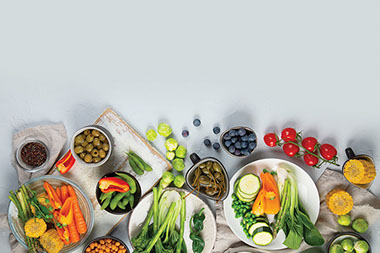
    Variety of plant based foods.

    A plant-forward style of eating is one that features plant foods as the star of most meals. Animal foods such as meat and dairy may be included but are not the main focus. There are many ways to be plant-forward and improve the health of your diet.

    How it works

    Plant-forward eating is less of a diet prescription and more of a healthy food mindset.

    Each meal begins with the question: “what plants can I add to my plate?” Animal products should be a secondary consideration and eaten in small amounts.

    A plant-forward diet focuses on:

    *  Whole grains such as brown rice, quinoa, amaranth, bulger, whole wheat, millet, and oatmeal

    *  Plant proteins such as nuts, nut butter, seeds, soy, beans, peas, and lentils

    *  A variety of vegetables of every color

    *  Whole fruits

    *  Quality plant fats such as olive oil, avocados, canola oil, and nuts

    Benefits

    Plant-forward eating has many benefits to physical health. Diets high in plant foods are linked to improved health and a lower risk of disease. Eating less meat reduces your risk of:

    *  Obesity

    *  Heart disease

    *  Stroke

    *  Type 2 diabetes

    *  High blood pressure

    *  High blood lipids

    *  Certain cancers

    In addition, a plant-focused diet benefits the environment. Fewer animal products may translate to lower greenhouse gas emissions and more responsible land, energy, and water usage.

    Getting started

    Gradual change over time is the best way to create healthy habits. It also helps to get family members on board with “plant forward.” Here’s how to get started:

    *  Take it one meal at a time. Start with just breakfast or lunch being meat-free.

    *  Find a few simple, meatless recipes to try. Look for those big on flavor.

    *  Add more of the plant foods you already love to your plate and shopping cart. Gradually branch out for more variety.

    *  Swap out the meat in a recipe for a plant protein like beans or tofu.

    *  Aim to make three-fourths of your plate plant foods.

    *  Reduce your meat portions by half.

    © American Institute for Preventive Medicine
  • Pick Healthy Proteins

    HEALTHY EATING

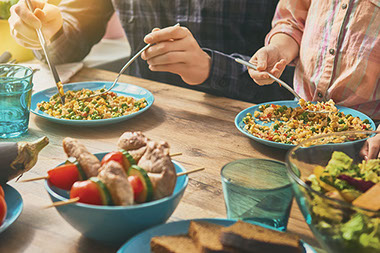
    Close up on dinner table with food and hands with silverware about to eat.

    Protein is a powerhouse. Proteins act as building blocks for bones, muscles, cartilage, skin and blood. Proteins also provide calories. It is important that you eat enough protein every day. But when you are choosing proteins to eat, it is important that those proteins come from heart-healthy sources.

    How Much You Need Each Day?

    The amount of protein you need varies, depending on your age, sex, height, weight and physical activity. Being pregnant may also affect how much you need. Visitmyplate.gov/myplate-planto find out how much you need.

    Talk to your doctor about what your daily recommended allowance of protein should be and take steps to meet that goal regularly.

    What Kinds of Proteins?

    Most people eat enough protein, but much of it comes from meat sources that are high in saturated fat. Choose lean meats and plant-based proteins to get your daily allowance and to maintain a healthy lifestyle. These include:

    *  Poultry

    *  Seafood

    *  Lentils

    *  Beans

    *  Nuts

    *  Soy

    *  Eggs

    *  Seeds

    These foods are also packed with nutrients, such as B vitamins (niacin, thiamin, riboflavin and B6), vitamin E, iron, zinc and magnesium.

    © American Institute for Preventive Medicine
  • Pasta With Chickpeas, Tomato & Spinach

    HEALTHY EATING

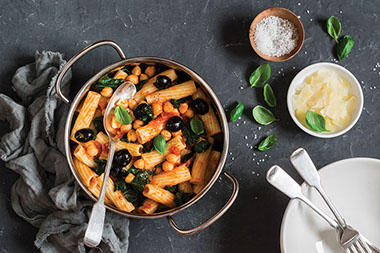
    Pasta with chickpeas, tomato and spinach.

    Ingredients

    *  1 small yellow onion (peeled and chopped into ¼-inch pieces)

    *  8 ounces medium-size whole-wheat pasta (such as rotini or shells)

    *  1 tablespoon vegetable oil

    *  2 cloves garlic (peeled and minced)

    *  2 carrots (scrubbed and diced into 1/4-inch pieces)

    *  1 celery stalk (diced into 1/4-1/2-inch pieces)

    *  1/2 teaspoon dried rosemary

    *  1 can 16-ounce low-sodium chickpeas (drained and rinsed with cold water)

    *  1 can 14.5-ounce low-sodium diced tomatoes (including the liquid)

    *  2 cups spinach (washed and chopped)

    *  1/2 teaspoon chopped red pepper flakes (optional)

    *  1/4 cup grated Parmesan cheese (optional)

    *  1/4 cup whole olives (optional)

    Directions

    1.  To cook the pasta, fill a large pot halfway with water. Bring it to a boil over high heat. When the water is boiling, add the pasta and cook until just tender, about 12 minutes or the time listed on the package. Just before draining, reserve 1 ½ cups of the pasta water. Drain the pasta and set aside.

    2.  While the pasta is cooking, cook the sauce: Put the skillet on the stove over medium-low heat and when it is hot, add the oil. Add the garlic, onion, carrots, celery, and rosemary and cook until the garlic is golden, about 15 minutes.

    3.  Add the chickpeas and using the fork, lightly mash half of them. Add the reserved pasta water and tomatoes and cook 10 minutes.

    4.  Add the pasta and spinach to the skillet mixture and cook until the spinach is tender and most of the liquid has been absorbed by the pasta, about 10 minutes. Add the red pepper flakes and olives, if desired.

    5.  Mix well and serve immediately, garnished with Parmesan cheese if desired.

    Note: Kale can be used instead of spinach.

    Nutrition Facts: Servings 4. Calories 395; Total Fat 8 g; Saturated Fat 2 g; Total Carbohydrate 68 g; Dietary Fiber 13 g; Protein 19 g.

    Source: What’s Cooking? USDA Mixing Bowl

    © American Institute for Preventive Medicine
  • A Parents Guide To Gaming

    FAMILY LIFE

    Father and son playing virtual games.

    Gaming is a popular past-time among this generation of kids. As a parent, here are some things to know to keep gaming safe.

    *  Moderation is key. Set healthy limits on how much video game time you allow your kids.

    *  Know what they’re playing. Some games are better than others. If your kid struggles with mental health, help them find better games.

    *  Prioritize sleep. It’s common for gaming to interfere with healthy sleep habits. Set boundaries that prioritize sleep.

    *  Take breaks. Teach your kids to schedule regular breaks into their gaming time. Stepping away is good for mental health.

    *  Stay connected off-line. Keep your kids grounded in the real world by engaging in screen-free activities together.

    *  Game with your kids. Get involved with your kids’ interests by gaming with them (in moderation!).

    © American Institute for Preventive Medicine
  • Own Your Work From Home

    WORK LIFE

    Man working on laptop.

    Are you working from home or considering doing so? While working from home has advantages, it can also be a challenge. Set yourself up for success with these tips.

    Talk with your supervisor.

    Be sure you know what your supervisor wants you to get done each day. If you don’t know, ask.

    Keep in touch with others.

    Maintain contact with your peers, colleagues and/or customers. Check in with them often. Don’t allow yourself to “fall of the radar.”

    Have a space for work.

    A desk or table for your computer and papers is important. Don’t simply use a bed or couch.

    © American Institute for Preventive Medicine
  • Organic Food & The Dirty Dozen™

    HEALTHY EATING

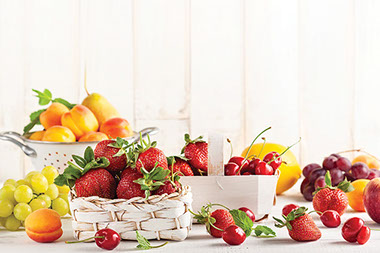
    Varity of fruits.

    In recent decades, as organic foods became available, more people are asking if their fruits and vegetables need to be organic.

    At the moment, the debate about organic foods is ongoing. While there appears to be environmental benefits to organic farming practices, more research is needed to show how organic food impacts long-term health.

    Pros & cons of organic

    In order for a food to be certified “organic” by the USDA it must meet certain criteria. These include:

    *  No prohibited pesticides or synthetic fertilizers

    *  No hormones or antibiotics

    *  No GMOs or artificial preservatives

    *  Organic soil managment

    *  Animals provided natural conditions such as grass pastures

    *  Healthy water systems

    These standards generally result in farming practices that have less negative environmental impact. In addition, the absence of pesticides and hormones may benefit human health. But, for all the reasons organic food may be good, there is one big reason it can be out of reach: COST.

    When farmers practice organic techniques, it requires more time and effort, leading to higher food costs.

    Make organic affordable

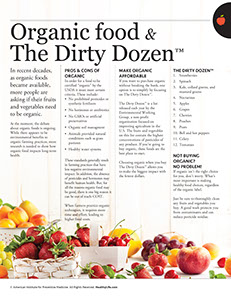
    If you want to purchase organic without breaking the bank, one option is to simplify by focusing on The Dirty Dozen™.

    The Dirty Dozen™ is a list released each year by the Environmental Working Group, a non-profit organization focused on improving agriculture in the U.S. The fruits and vegetables on this list contain the highest concentrations of pesticides of any produce. If you’re going to buy organic, these foods are the best place to start.

    Choosing organic when you buy The Dirty Dozen™ allows you to make the biggest impact with the fewest dollars.

    The Dirty Dozen™

    1.  Strawberries

    2.  Spinach

    3.  Kale, collard greens, and mustard greens

    4.  Nectarines

    5.  Apples

    6.  Grapes

    7.  Cherries

    8.  Peaches

    9.  Pears

    10. Bell and hot peppers

    11. Celery

    12. Tomatoes

    Not buying organic? No problem!

    If organic isn’t the right choice for you, don’t worry. What’s most important is making healthy food choices, regardless of the organic label.

    Just be sure to thoroughly clean any fruits and vegetables you buy. A good wash protects you from contaminants and can reduce pesticide residue.

    © American Institute for Preventive Medicine

  • Omega-3 Has Mega Benefits

    HEALTHY EATING

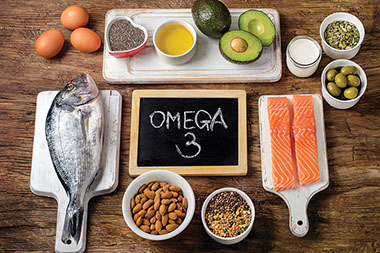
    A variety of food that contains Omega-3.

    Fatty fish like salmon have high amounts of omega-3 fats. And these fats are so healthy that they can lower the risk of stroke.

    The American Heart Association says these fats can also lower the risk of heart rhythm problems. They can also lower triglyceride levels.

    Omega-3s can help prevent the clogging of arteries. Eating two servings of salmon each week can help you get enough omega-3s in your diet.

    © American Institute for Preventive Medicine