Blog

  • Mindful Eating Can Boost Your Health

    HEALTHY EATING

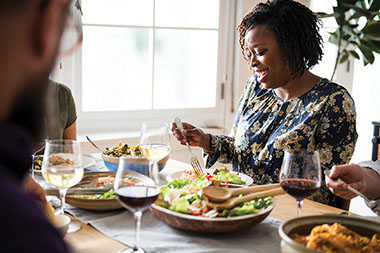
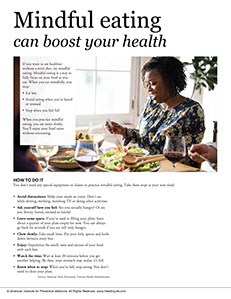
    Women eating with friends.

    If you want to eat healthier without a strict diet, try mindful eating. Mindful eating is a way to fully focus on your food as you eat. When you eat mindfully, you may:

    *  Eat less

    *  Avoid eating when you’re bored or stressed

    *  Stop when you feel full

    When you practice mindful eating, you eat more slowly. You’ll enjoy your food more without overeating.

    How to do it

    You don’t need any special equipment or classes to practice mindful eating. Take these steps at your next meal:

    *Avoid distractions:Make your meals an event. Don’t eat while driving, working, watching TV or doing other activities.

    *Ask yourself how you feel:Are you actually hungry? Or are you thirsty, bored, stressed or lonely?

    *Leave some space:If you’re used to filling your plate, leave about a quarter of your plate empty for now. You can always go back for seconds if you are still truly hungry.

    *Chew slowly:Take small bites. Put your fork, spoon and knife down between every bite.

    *Enjoy:Experience the smell, taste and texture of your food with each bite.

    *Watch the time:Wait at least 20 minutes before you get another helping. By then, your stomach may realize it’s full.

    *Know when to stop:When you’re full, stop eating. You don’t need to clean your plate.

    Sources: American Heart Association, Veterans Health Administration

    © American Institute for Preventive Medicine
  • Microbiome: What It Can Do

    SELF-CARE CORNER

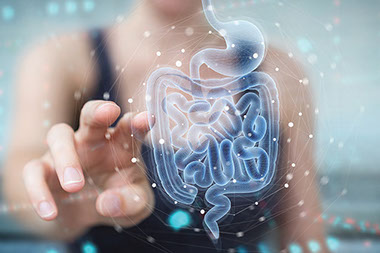
    Hand reaching out to touch an illustration of digestive system.

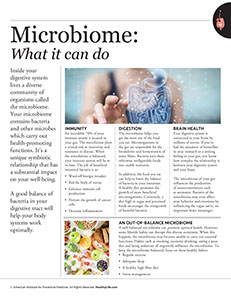
    Inside your digestive system lives a diverse community of organisms called the microbiome. Your microbiome contains bacteria and other microbes which carry out health-promoting functions. It’s a unique symbiotic relationship that has a substantial impact on your well-being.

    A good balance of bacteria in your digestive tract will help your body systems work optimally.

    Immunity

    An incredible 70% of your immune system is located in your gut. The microbiome plays a critical role in immunity and resistance to disease. When the microbiome is balanced, your immune system will be at its best. The job of beneficial intestinal bacteria is to:

    *  Ward off foreign invaders

    *  Rid the body of toxins

    *  Enhance immune cell production

    *  Prevent the growth of cancer cells

    *  Decrease inflammation

    Digestion

    The microbiome helps you get the most out of the food you eat. Microorganisms in the gut are responsible for the breakdown and fermentation of some fibers. Bacteria turn these otherwise undigestable foods into usable nutrients.

    In addition, the food you eat can help or harm the balance of bacteria in your intestines. A healthy diet promotes the growth of more beneficial microorganisms. Conversely, a diet high in sugar and processed foods encourages the overgrowth of harmful bacteria.

    Brain health

    Your digestive system is connected to your brain by millions of nerves. If you’ve had the sensation of butterflies in your stomach or a sinking feeling in your gut, you know how complex the relationship is between your digestive system and your brain.

    The microbiome of your gut influences the production of neurotransmitters such as serotonin. Bacteria of the microbiome may even affect your behavior and emotions by influencing the vagus nerve, an important brain messenger.

    An out-of-balance microbiome

    A well-balanced microbiome can promote optimal health. However, some lifestyle habits can disrupt this diverse ecosystem. When this happens, the microbiome may become unable to carry out essential functions. Habits such as smoking, excessive drinking, eating a poor diet and being sedentary all negatively influence the microbiome. To keep the microbiome balanced, focus on these healthy habits:

    *  Regular exercise

    *  Adequate sleep

    *  A healthy high-fiber diet

    *  Stress management

    © American Institute for Preventive Medicine
  • Meet Your Protein Needs

    HEALTHY EATING

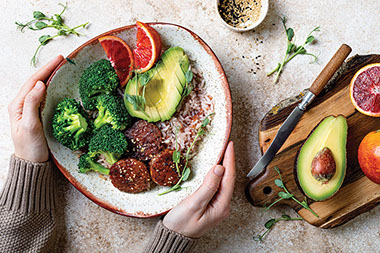
    Hands holding tempeh buddha bowl. Marinated tempeh in marinade with rice, steamed broccoli, avocado.

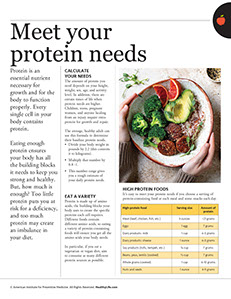
    Protein is an essential nutrient necessary for growth and for the body to function properly. Every single cell in your body contains protein.

    Eating enough protein ensures your body has all the building blocks it needs to keep you strong and healthy. But, how much is enough? Too little protein puts you at risk for a deficiency, and too much protein may create an imbalance in your diet.

    Calculate your needs

    The amount of protein you need depends on your height, weight, sex, age, and activity level. In addition, there are certain times of life when protein needs are higher. Children, teens, pregnant women, and anyone healing from an injury require extra protein for growth and repair.

    The average, healthy adult can use this formula to determine their baseline protein needs.

    *  Divide your body weight in pounds by 2.2 (this converts it to kilograms).

    *  Multiply that number by 0.8 -1.

    *  This number range gives you a rough estimate of your daily protein needs.

    Eat a variety

    Protein is made up of amino acids, the building blocks your body uses to create the specific proteins each cell requires. Different foods contain different amino acids, so eating a variety of protein-containing foods will ensure you get all the amino acids your body needs.

    In particular, if you eat a vegetarian or vegan diet, aim to consume as many different protein sources as possible.

    High protein foods

    It’s easy to meet your protein needs if you choose a serving of protein-containing food at each meal and some snacks each day.

    © American Institute for Preventive Medicine
  • Mediterranean Diet: Should You Try It?

    HEALTHY EATING

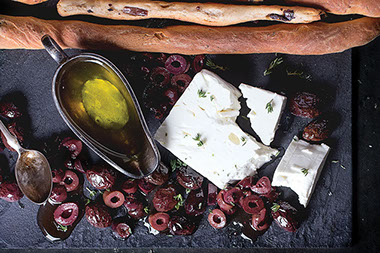
    Olive oil, black oils, bread and cheese.

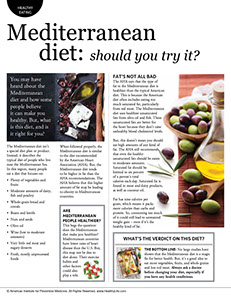
    You may have heard about the Mediterranean diet and how some people believe it can make you healthy. But, what is this diet, and is it right for you?

    The Mediterranean diet isn’t a special diet plan or product. Instead, it describes the typical diet of people who live near the Mediterranean Sea. In this region, many people eat a diet that focuses on:

    *  Plenty of vegetables and fruits

    *  Moderate amounts of dairy, fish and poultry

    *  Whole-grain bread and cereals

    *  Beans and lentils

    *  Nuts and seeds

    *  Olive oil

    *  Wine (low to moderate amounts)

    *  Very little red meat and sugary desserts

    *  Fresh, mostly unprocessed foods

    When followed properly, the Mediterranean diet is similar to the diet recommended by the American Heart Association (AHA). But, the Mediterranean diet tends to be higher in fat than the AHA recommendations. The AHA believes that this higher amount of fat may be leading to obesity in Mediterranean countries.

    Fat’s not all bad

    The AHA says that the type of fat in the Mediterranean diet is healthier than the typical American diet. This is because the American diet often includes eating too much saturated fat, particularly from red meat. The Mediterranean diet uses healthier unsaturated fats from olive oil and fish. These unsaturated fats are better for the heart because they don’t raise unhealthy blood cholesterol levels.

    But, this doesn’t mean you should eat high amounts of any kind of fat. The AHA still recommends that even the healthy unsaturated fats should be eaten in moderate amounts. Saturated fat should be limited to six percent of a person’s total calories each day. Saturated fat is found in meat and dairy products, as well as coconut oil.

    Fat has nine calories per gram, which means it packs more calories than carbs and protein. So, consuming too much of it could still lead to unwanted weight gain – even if it’s the healthy kind of fat.

    Are Mediterranean people healthier?

    This begs the question: does the Mediterranean diet make you healthier? Mediterranean countries have lower rates of heart disease than the U.S. But, this may not be due to diet alone. Their exercise habits and other factors could also play a role.

    What’s the verdict on this diet?

    The bottom line: No large studies have shown that the Mediterranean diet is a magic fix for better health. But, it’s a good idea to eat more vegetables, fruits, and whole grains and less red meat. Always ask a doctor before changing your diet, especially if you have any health conditions.

    © American Institute for Preventive Medicine
  • Medical Loans: The Good, Bad, And The Alternatives

    FINANCIAL HEALTH

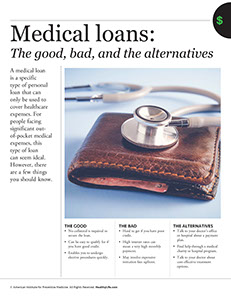
    Wallet with stethoscope.

    A medical loan is a specific type of personal loan that can only be used to cover healthcare expenses. For people facing significant out-of-pocket medical expenses, this type of loan can seem ideal. However, there are a few things you should know.

    The Good

    *  No collateral is required to secure the loan.

    *  Can be easy to qualify for if you have good credit.

    *  Enables you to undergo elective procedures quickly.

    The Bad

    *  Hard to get if you have poor credit.

    *  High interest rates can mean a very high monthly payment.

    *  May involve expensive initiation fees upfront.

    The Alternatives

    *  Talk to your doctor’s office or hospital about a payment plan.

    *  Find help through a medical charity or hospital program.

    *  Talk to your doctor about cost-effective treatment options.

    © American Institute for Preventive Medicine
  • Matcha Tea: A Healthy Trend?

    HEALTHY EATING

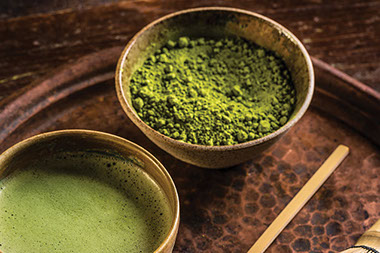
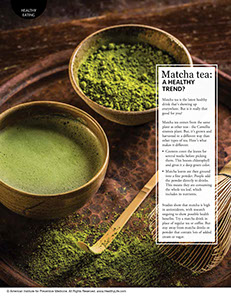
    Matcha tea.

    Matcha tea is the latest healthy drink that’s showing up everywhere. But is it really that good for you?

    Matcha tea comes from the same plant as other teas – the Camellia sinensis plant. But, it’s grown and harvested in a different way than other types of tea. Here’s what makes it different:

    *  Growers cover the leaves for several weeks before picking them. This boosts chlorophyll and gives it a deep green color.

    *  Matcha leaves are then ground into a fine powder. People add the powder directly to drinks. This means they are consuming the whole tea leaf, which includes its nutrients.

    Studies show that matcha is high in antioxidents, with research ongoing to show possible health benefits. Try a matcha drink in place of regular tea or coffee. But stay away from matcha drinks or powder that contain lots of added cream or sugar.

    © American Institute for Preventive Medicine
  • Make Your Summer Workout Easier

    BE FIT

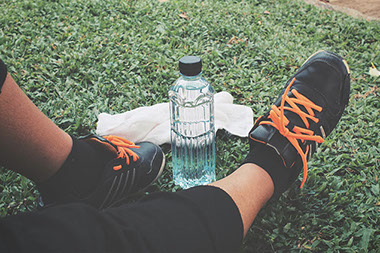
    Feet wearing tennis shoes and a bottle of water on grass.

    You can still enjoy a productive workout during the warmer months. Try these tips:

    1.Start early with water.Don’t wait to start drinking water right before you exercise. Drink water throughout the day to keep your body hydrated. Then, drink additional water during and after your workout.

    2.Go indoors when heat and humidity are too high.Don’t try to brave extreme weather with an outdoors workout. Heat exhaustion and heat stroke are dangerous and can happen to anyone. On heat advisory days, take your workout indoors.

    3.Wear the right clothes.Choose light-colored clothing that is made for sweating and workouts. Many new, lighter fabrics will keep sweat and moisture away, which makes you feel cooler. Cotton clothing is best suited for low-humidity weather conditions.

    4.Shun the midday sun.In the summer, limit or avoid heavy workouts from 10 a.m. to 4 p.m. The sun and temperatures will be hottest during these times. Instead, go out early in the morning or in the evening.

    Source: Academy of Nutrition and Dietetics

    © American Institute for Preventive Medicine
  • Make Your Picnic Fun & Safe

    HEALTHY EATING

    Family have a picnic.

    Many people enjoy outdoor eating throughout the spring and summer. But don’t let unsafe food rain on your picnic. Food poisoning can happen when food is not kept at the right temperature during barbecues and outings. Dangerous bacteria can grow on the food and make people sick.

    Luckily, there are some simple precautions you can take to be sure your picnic food stays safe to eat.

    Clean hands

    If you’re using a picnic site without running water and soap, bring your own. A large jug of water, some soap and paper towels will work.

    If you don’t have a jug of water, use antibacterial hand wipes. Encourage everyone to clean their hands before eating, after using the bathroom and before serving food.

    Hot and cold

    One of the keys to eating safe food is to keep hot foods hot and cold foods cold. Don’t let food become just warm or room temperature.

    The “danger zone” for bacteria to grow is between 40 and 140 degrees. If food stays at this temperature for two hours, bacteria can grow rapidly. If it’s hot outside (90 degrees or above), food can become unsafe after just one hour in the danger zone.

    To keep food cold, use ice packs or fresh, clean ice. Check it often to be sure the ice is still cold. Try to avoid opening the cooler too often.

    To keep hot foods hot, use insulated containers and microwaveable heat packs. Keep children away from hot containers or heat packs.

    Dishes and utensils

    If you’re using a grill, you may need to place raw meat, poultry or seafood on the grill. But be careful about what that raw food touches.

    Don’t reuse a plate or utensils that touched raw meat, poultry or seafood. Germs from the raw food can contaminate the cooked food and cause illness. Wash all the dishes and utensils in hot, soapy water before using them again.

    Wash produce before you go

    Before you pack your picnic basket, wash any fresh fruits or vegetables. This will ensure they are clean when you are ready to eat.

    Source: Food and Drug Administration

    © American Institute for Preventive Medicine
  • Make Your Food Sustainable

    HEALTHY EATING

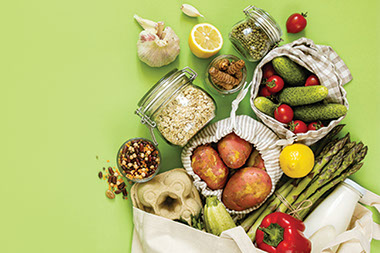
    Variety of food items on green table.

    A sustainable food system is one that provides health and food security both now and in the future.

    Food may be grown, processed, distributed, and prepared in ways that protect, or do not protect, the future ability to produce food. As a consumer, you can make choices that increase the demand for sustainable food.

    Sustainable food systems

    The term food system refers to the elements and activities that relate to the food you eat. This includes agriculture, production, processing, distribution, preparation, and consumption of food.

    A sustainable food system encompasses three pillars:

    *Environmental:A sustainable food system protects natural resources through efficient use of land, water, forest, and fisheries.

    *Economic:A sustainable food system protects and improves livelihoods and requires responsible and efficient governance.

    *Social:A sustainable food system supports the resilience of the community and enhances social well-being.

    Why it matters

    If any aspect of a food system degrades the ability to continue to produce nutritious food, that practice is considered unsustainable.

    For example, some farming techniques may deplete the health of the soil. Over time the soil may be less able to support healthy crops, making the practice unsustainable.

    In addition, a sustainable food system ensures no one goes hungry, now or in future generations.

    What you can do

    Much of the work to make food systems sustainable requires top-down regulation and innovation. However, there are things you can do to support sustainability efforts:

    *  Grow some of your own food.

    *  Purchase from local growers.

    *  Cook at home.

    *  Compost food scraps.

    *  Reduce food waste.

    *  Volunteer with non-profit organizations that are working to fight hunger.

    © American Institute for Preventive Medicine