Blog

  • Make A New Thanksgiving Tradition

    FAMILY LIFE

    Family walking along a trail.

    As much as we love Thanksgiving, most of us do not love the way we feel afterward. Heartburn, bloating, and sleepiness are common complaints after the holiday feast.

    But, a simple family tradition could mean a better day for everyone. Instead of collapsing on the couch in a food coma, get the whole family out for a walk!

    Walking after your Thanksgiving meal has several benefits:

    1.  Taking a walk right after eating may improve digestion. Physical activity stimulates the digestive system and keeps food moving through properly.

    2.  A post-meal walk may prevent a big spike in blood sugar. This means there is less chance of a “sugar-crash” later.

    3.  Walking may reduce your risk of disease, help you maintain a healthy weight, and even lengthen your life.

    4.  Being active as a family is an opportunity to strengthen bonds and enjoy uninterrupted quality time together.

    © American Institute for Preventive Medicine

  • Make A Healthy, Filling Snack With Hummus

    HEALTHY EATING

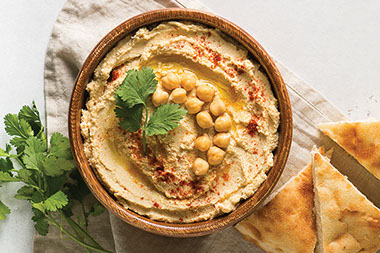
    A bowl of hummus.

    Hummus is a dip and spread that originated in the Middle East. But today, it’s popular in many parts of the world. It’s made with chickpeas, tahini (ground sesame seeds), garlic and spices.

    Hummus is vegan, but even meat-eaters can enjoy this spread. Hummus is a good source of plant-based protein. It’s also high in fiber,  B vitamins, magnesium and iron. And because it’s a great source of fiber, hummus helps keep you feeling fuller longer.

    If you don’t like plain hummus, you can make it many different ways. Some people add garlic, black beans or red peppers. But you can sweeten it up with sweet potato, pumpkin or even dark chocolate!

    Hummus is a healthy, satisfying dip that you can use in place of cheese and cream-based dips. Try it with tortilla strips, whole wheat crackers or on sandwiches.

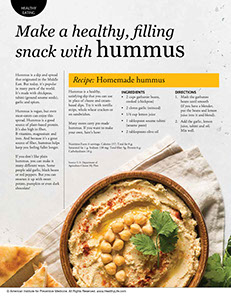
    Many stores carry pre-made hummus. If you want to make your own, here’s how:

    Ingredients

    *  2 cups garbanzo beans, cooked (chickpeas)

    *  2 cloves garlic (minced)

    *  1/4 cup lemon juice

    *  1 tablespoon sesame tahini (sesame paste)

    *  2 tablespoons olive oil

    Directions

    1. Mash the garbanzo beans until smooth (if you have a blender, put the beans and lemon juice into it and blend).

    2. Add the garlic, lemon juice, tahini and oil. Mix well.

    Nutrition Facts: 6 servings. Calories 157; Total fat 8 g; Saturated fat 1 g; Sodium 138 mg; Total fiber 5g; Protein 6 g; Carbohydrates 18 g.

    Source: U.S. Department of Agriculture Choose My Plate

    © American Institute for Preventive Medicine

  • Make A Cold Care Kit

    SELF-CARE CORNER

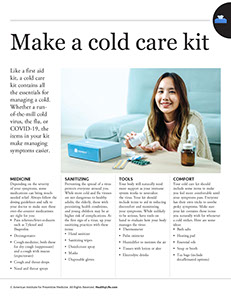
    Women siting at table with a box and medicine.

    Like a first aid kit, a cold care kit contains all the essentials for managing a cold. Whether a run-of-the-mill cold virus, the flu, or COVID-19, the items in your kit make managing symptoms easier.

    Medicine

    Depending on the severity of your symptoms, some medications can bring much-needed relief. Always follow the dosing guidelines and talk to your doctor to make sure these over-the-counter medications are right for you:

    *  Pain relievers/fever-reducers such as Tylenol and Ibuprofen

    *  Decongestants

    *  Cough medicine, both those for dry cough (suppressant) and a cough with mucus (expectorant)

    *  Cough and throat drops

    *  Nasal and throat sprays

    Sanitizing

    Preventing the spread of a virus protects everyone around you. While most cold and flu viruses are not dangerous to healthy adults, the elderly, those with preexisting health conditions, and young children may be at higher risk of complications. At the first sign of a virus, up your sanitizing practices with these items:

    *  Hand sanitizer

    *  Sanitizing wipes

    *  Disinfectant spray

    *  Masks

    *  Disposable gloves

    Tools

    Your body will naturally need more support as your immune system works to neutralize the virus. Your kit should include items to aid in reducing discomfort and monitoring your symptoms. While unlikely to be serious, have tools on hand to evaluate how your body manages the virus:

    *  Thermometer

    *  Pulse oximeter

    *  Humidifier to moisten the air

    *  Tissues with lotion or aloe

    *  Electrolyte drinks

    Comfort

    Your cold care kit should include some items to make you feel more comfortable until your symptoms pass. Everyone has their own tricks to soothe pesky symptoms. Make sure your kit contains those items you naturally wish for whenever a cold strikes. Here are some ideas:

    *  Bath salts

    *  Heating pad

    *  Essential oils

    *  Soup or broth

    *  Tea bags (include decaffeinated options)

    © American Institute for Preventive Medicine

  • Magnificent Magnesium

    HEALTHY EATING

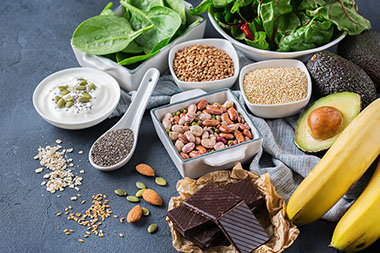
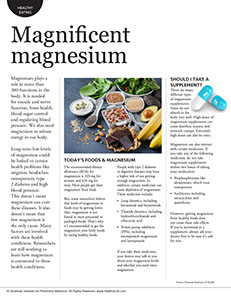
    Image of magnesium food sources.

    Magnesium plays a role in more than 300 functions in the body. It is needed for muscle and nerve function, bone health, blood sugar control and regulating blood pressure. We also need magnesium to release energy in our body.

    Long-term low levels of magnesium could be linked to certain health problems like migraine headaches, osteoporosis, type 2 diabetes and high blood pressure. This doesn’t mean magnesium can cure these diseases. It also doesn’t mean that low magnesium is the only cause. Many factors are involved with these health conditions. Researchers are still working to learn how magnesium is connected to these health conditions.

    Today’s foods & magnesium

    The recommended dietary allowance (RDA) for magnesium is 320 mg for women and 420 mg for men. Most people get their magnesium from food.

    But, some researchers believe that levels of magnesium in foods may be getting lower. Also, magnesium is not found in most processed or packaged foods. That’s why it’s recommended to get the magnesium your body needs by eating healthy foods.

    People with type 2 diabetes or digestive diseases may have a higher risk of not getting enough magnesium. In addition, certain medicines can cause depletion of magnesium. These medicines include:

    *  Loop diuretics, including furosemide and bumetanide

    *  Thiazide diuretics, including hydrochlorothiazide and ethacrynic acid

    *  Proton pump inhibitors (PPIs), including esomeprazole magnesium and lansoprazole

    If you take these medicines, your doctor may talk to you about your magnesium levels and whether you need extra magnesium.

    Should I take a supplement?

    There are many different types of magnesium supplements. Some do not absorb in the body very well. High doses of magnesium supplements can cause diarrhea, nausea, and stomach cramps. Extremely high doses can also be toxic.

    Magnesium can also interact with certain medicines. If you take any of the following medicines, do not take magnesium supplements within two hours of taking your medication:

    *  Biophosphonates like alendronate, which treat osteoporosis

    *  Antibiotics including tetracyclines and quinolones

    However, getting magnesium from healthy foods does not cause these side effects. If you’re interested in a supplement, always ask your doctor first to be sure it’s safe for you.

    Source: National Institutes of Health

    © American Institute for Preventive Medicine

  • Lower Your Breast Cancer Risk

    MEDICAL NEWS

    Couple jogging on side walk.

    A risk factor is something that changes your chances of getting a disease. Knowing which risk factors you have can be helpful.

    You may be able to make changes that lower your risk of breast cancer. Also, you can have screenings done to catch it early, when it is easier to treat and cure. Talk with your doctor about getting regular mammograms to detect breast cancer.

    These are risk factors that a person may be able to change.

    Alcohol

    Drinking alcohol raises your risk of breast cancer. The more alcohol a person drinks, the higher the risk.

    The American Cancer Society (ACS) recommends that women have no more than one drink a day. If you don’t drink, don’t start. The lowest risk is in women who don’t drink alcohol at all.

    Manage weight

    Having more body fat after menopause can make estrogen levels higher. Higher estrogen raises the risk of breast cancer. Being overweight can also raise insulin levels. Higher insulin levels are linked to breast cancer.

    The ACS recommends people work to stay at a healthy weight or lose weight if they are overweight. Weight loss can be difficult, so ask your doctor if you need help.

    Using hormone therapy

    Some women use hormone therapy after menopause. Hormone therapy may also be called HRT, HT or menopause therapy. This can help with menopause symptoms like hot flashes and night sweats.

    Hormone therapy increases the risk of breast cancer. But, the risk may go back down after about five years of stopping treatment. Hormone therapy can also increase the risk of heart disease, stroke and blood clots.

    If you need hormone therapy for menopause symptoms, talk to your doctor about it. Usually it’s best to use it at the lowest dose for the shortest amount of time.

    Smoking

    Smoking increases the risk of cancer, including breast cancer. Ask your doctor if you need help quitting.

    Not being active

    Getting regular exercise can lower your breast cancer risk. While exercising five days a week is best, try to exercise whenever you can. Even a small amount of exercise is better than none.

    Sources: American Cancer Society, Centers for Disease Control and Prevention

    © American Institute for Preventive Medicine

  • Low Or No-Cost Family  Outings

    FAMILY LIFE

    Father and son feeding a giraffe.

    Depending on your budget and the size of your family, fun outings can be cost-prohibitive. Try these low or no-cost options for family fun.

    Farmers market

    In addition to strolling among the stalls, many farmer’s markets offer live music and free kid-friendly activities.

    Bird watching

    Invest in a pair of binoculars and a bird guide book, and you have all you need to start a new family hobby. You can even make bird bingo cards for a fun family competition.

    Zoo free days

    A few times a year, most zoos offer free admission days. You can also check at your local library to see if they have free zoo tickets.

    Movie in the park

    Many towns schedule free family outdoor movie nights at local parks. Pack blankets, pillows, and popcorn for a night under the stars.

    Geocaching

    All you need is a GPS device and a geocaching app to get started. Plus, everyone will learn valuable skills while searching for your next cache.

    Cookout at the park

    Check if your local park has firepits or grills you can reserve for a cookout. Invite family and friends to join for added fun.

    © American Institute for Preventive Medicine

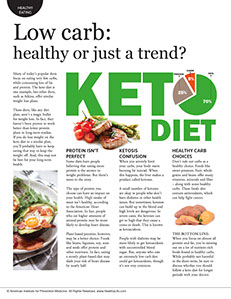
  • Low Carb: Healthy Or Just A Trend?

    HEALTHY EATING

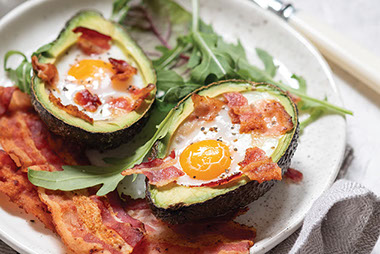
    Image of avocado stuffed with eggs and bacon.

    Many of today’s popular diets focus on eating very few carbs, while consuming lots of fat and protein. The keto diet is one example, but other diets, such as Atkins, offer similar weight loss plans.

    These diets, like any diet plan, aren’t a magic bullet for weight loss. In fact, they haven’t been proven to work better than lower protein plans in long-term studies. If you do lose weight on the keto diet or a similar plan, you’ll probably have to keep eating that way to keep the weight off. And, this may not be best for your long-term health.

    Protein isn’t perfect

    Some diets have people believing that eating more protein is the answer to weight problems. But there’s more to the story.

    The type of protein you choose can have an impact on your health. High intake of meat isn’t healthy, according to the American Heart Association. In fact, people who eat higher amounts of animal protein may be more likely to develop heart disease.

    Plant-based proteins, however, may be a better choice. Foods like beans, legumes, soy, nuts and seeds offer protein and other nutrients. In fact, eating a mostly plant-based diet may slash your risk of heart disease by nearly half.

    Ketosis confusion

    When you severely limit your carbs, your body starts burning fat instead. When this happens, the liver makes a product called ketones.

    A small number of ketones are okay in people who don’t have diabetes or other health issues. But sometimes, ketones can build up in the blood and high levels are dangerous. In severe cases, the ketones can get so high that they cause a coma or death. This is known as ketoacidosis.

    People with diabetes may be more likely to get ketoacidosis with uncontrolled blood sugar. But, anyone who eats an extremely low carb diet could get ketoacidosis, though it’s not very common.

    Healthy carb choices

    Don’t rule out carbs as a healthy choice. Foods like sweet potatoes, fruit, whole grains and beans offer many vitamins, minerals and fiber – along with some healthy carbs. These foods also contain antioxidants, which can help fight cancer.

    The bottom line:When you focus on almost all protein and fat, you’re missing out on a lot of nutrient-rich foods found in healthy carbs. While probably not harmful in the short-term, be sure to discuss whether you should follow a keto diet for longer periods with your doctor.

    © American Institute for Preventive Medicine

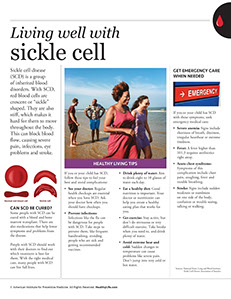
  • Living Well With Sickle Cell

    MEDICAL NEWS

    Two couples walking and laughing along the beach.

    Sickle cell disease (SCD) is a group of inherited blood disorders. With SCD, red blood cells are crescent or “sickle” shaped. They are also stiff, which makes it hard for them to move throughout the body. This can block blood flow, causing severe pain, infections, eye problems and stroke.

    Can SCD be cured?

    Some people with SCD can be cured with a blood and bone marrow transplant. There are also medications that help lower symptoms and problems from the disease.

    People with SCD should work with their doctors to find out which treatment is best for them. With the right medical care, many people with SCD can live full lives.

    Healthy living tips

    If you or your child has SCD, follow these tips to feel your best and avoid complications:

    *  See your doctor: Regular health checkups are essential when you have SCD. Ask your doctor how often you should have checkups.

    *  Prevent infections: Infections like the flu can be dangerous for people with SCD. Take steps to prevent them, like frequent handwashing, avoiding people who are sick and getting recommended vaccines.

    *  Drink plenty of water: Aim to drink eight to 10 glasses of water each day.

    *  Eat a healthy diet: Good nutrition is important. Your doctor or nutritionist can help you create a healthy eating plan that works for you.

    *  Get exercise: Stay active, but don’t do strenuous or very difficult exercise. Take breaks when you need to, and drink plenty of water.

    *  Avoid extreme heat and cold: Sudden changes in temperature can cause problems like severe pain. Don’t jump into very cold or hot water.

    Get emergency care when needed

    If you or your child has SCD with these symptoms, seek emergency medical care:

    *  Severe anemia: Signs include shortness of breath, dizziness, irregular heartbeat or extreme tiredness.

    *  Fever: A fever higher than 101.3 requires antibiotics right away.

    *  Acute chest syndrome: Symptoms of this complication include chest pain, coughing, fever and trouble breathing.

    *  Stroke: Signs include sudden weakness or numbness on one side of the body, confusion or trouble seeing, talking or walking.

    Sources: National Heart, Lung and Blood Institute, Sickle Cell Disease Association of America

    © American Institute for Preventive Medicine

  • Listen To Your Ears

    SELF-CARE CORNER

    Workers with safety gear protecting head, eyes and ears.

    It’s easy to take hearing for granted. But without proper care of your ears, you could end up with hearing loss or ear problems.

    Worried about wax

    Your body makes ear wax to protect your ears. Wax keeps dust and other particles from getting inside.

    Only clean the outside of your ears with a tissue, washcloth or cotton swab. Never stick anything, including a cotton swab, in your ear. This will push wax farther down into the ear and can create a harmful blockage.

    If you feel that there’s a lot of wax in the ear, you can safely try to soften it with a drop of mineral oil or glycerin. Your doctor can also remove ear wax blockages without damaging your ear.

    Saying no to noise

    One of the most common reasons people lose their hearing is exposure to loud noises. This can happen very quickly after a loud sound like an explosion. Or, it can happen over time if a person is exposed to loud sounds for months or years.

    You can help prevent noise-induced hearing loss with one simple tool: ear plugs. Wear them when going to a loud concert, watching fireworks or attending loud events. Wear them when mowing the lawn or using loud power equipment at home.

    If you have a job where you are exposed to noise, make sure you are using the right hearing protection. You may need something more powerful than ear plugs for certain jobs. Talk about this with your employer.

    Use headphones with care

    The World Health Organization says people should limit how much they use headphones. Don’t use them more than one hour a day. Keep the volume as low as possible, but no louder than 60 percent.

    Noise-cancelling headphones help you keep the volume low because they block out sounds around you. But, you should not use these when driving, cycling or walking because you won’t be able to hear possible dangers nearby.

    Talk to your doctor about your hearing health. Together, you can decide when you may need a hearing test.

    Sources: American Academy of Family Physicians, National Institute on Deafness and Other Communication Disorders

    © American Institute for Preventive Medicine