MEDICAL NEWS
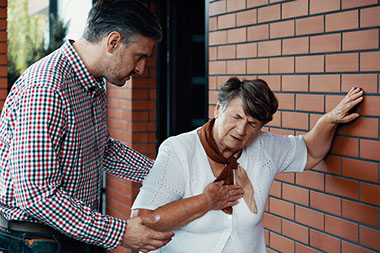
Sepsis can happen when a person has an infection like pneumonia, an infected cut in the skin or a urinary tract infection. Then, the body’s immune system releases a strong response that can get out of control. This immune response is so powerful that it can damage the body’s organs and cause blood clots.
Sepsis can cause blood pressure to get extremely low and heart rate to get faster. This can trigger septic shock. With septic shock, the body becomes starved for blood and oxygen. It is a life-threatening emergency.
Most who get an infection will not get sepsis. But experts don’t know why some people get it and others don’t. It seems to affect older adults, babies and young children the most. People who have a weakened immune system or a long-term illness like diabetes, liver disease or cancer are also more likely to get it.
Spot sepsis signs
Sepsis can be hard to spot. At first, symptoms may look like a mild illness. Sometimes a person has an infection and doesn’t know it. Signs include:
* Fever or a low body temperature
* Chills
* Fast heartbeat
* Trouble breathing or fast breathing
* Blotchy skin or rash
* Being confused
* Feeling faint or lightheaded
Even if you don’t have an infection, or don’t think you have one, ask yourself:
* Was I recently around someone who was ill?
* Did I recently have surgery or a medical procedure?
* Do I have any cuts or breaks in the skin?
Getting treatment
If you think a person might have sepsis, it’s important to get them medical care right away. Doctors will look at symptoms and may order blood tests. Sometimes other tests, like an x-ray or CT scan, may be needed.
Sepsis is serious, so doctors often treat it in the Intensive Care Unit (ICU) of a hospital. Treatment usually includes antibiotics and getting fluids.
Fortunately, most people who recover from sepsis often contine to have a normal, healthy life.
Sources: Centers for Disease Control and Prevention, National Institutes of Health, Sepsis Alliance
© American Institute for Preventive Medicine