Tag: awareness

  • Identify Emotions That Prompt You To Eat

    Healthylife® Weigh

    Part 6

    Top view of woman on the sofa eating a healthy salad.

    Indicate how often the following scenarios apply to you.

    *  When I’m angry or upset, I think, “I don’t care what I eat or how much I eat.”

    *  When I see something tasty, I eat it but regret it later. I find myself saying, “Why did I just do that? I didn’t really want it.”

    *  When I have a craving for something, it is very difficult for me not to satisfy it right away. I may feel frustrated until I have it.

    *  When I’m stressed, I tell myself, “I can take a break from eating healthy so I can focus on the stressful things. I will get back on track later.”

    *  When I am eating with my friends or family, I can’t seem to stick to my healthy plans.

    *  Once I start eating something I really like, I have a hard time stopping, even when I want to.

    *  I find myself saying, “Oh, what the heck, I blew it anyway. I might as well eat whatever I want.”

    © American Institute for Preventive Medicine

  • Sugar: Not So Sweet For Your Health

    HEALTHY EATING

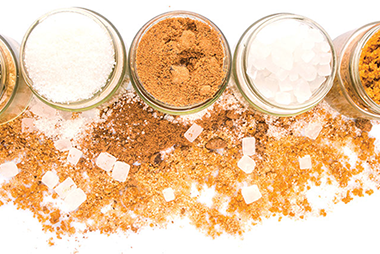
    Image of different types of sugars.

    Cookies, cake, and candy – we all know which foods are high in sugar. Or do we?

    The average American is consuming too much sugar today, and the American Heart Association says this is hurting us. Sugar is loaded with calories, which can cause weight gain and heart problems. A high-sugar diet can also be a factor in diabetes. Sugar can cause cavities and other dental problems.

    You might be surprised to find that many regular or even “healthy” foods have a lot of sugar in them. That’s why the FDA is proposing a change to the food Nutrition Facts label that would list “added sugar.”

    What is added sugar?

    Some healthy foods contain a certain amount of natural sugar. These include fruits, vegetables, dairy, and whole grains. The sugar (simple carbohydrate) naturally occurs in the food.

    On the other hand, many packaged and processed foods contain “added sugar.” This sugar has been added to improve the taste. Many things you wouldn’t suspect, like “diet” foods, soup, yogurt, crackers, and salad dressings can contain a lot of added sugar.

    How do I spot added sugar?

    Sugar can be listed by many different names in the ingredients. So, it’s hard to know how much added sugar you’re getting. Until the nutrition label change takes place, the best thing to do is look at the sugar listing on the Nutrition Facts. Keep track of how many grams are in each serving of food and add them up each day. The AHA recommends:

    *  No more than six teaspoons (25 grams) for women per day

    *  No more than nine teaspoons (37.5 grams) for men per day

    If you eat processed or packaged foods or drinks, look at the Nutrition Facts and see how much sugar each one contains. You may be surprised at how many grams of sugar you consume, even if you’ve been watching your diet. And drinks count too – fruit juice, sports drinks, and sodas are usually loaded with sugar. In fact, a 12- ounce serving of soda contains about 38 grams (nine to 10 teaspoons) of sugar.

    Many food labels don’t list the word “sugar” in the ingredients. In fact, there are more than 50 different names for sugar! These include sucrose, dextrose, maltose, corn syrup, corn syrup solids, dextrin and maltodextrin.

    © American Institute for Preventive Medicine

  • Limit Artificial Sweeteners

    Healthylife® Weigh

    Part 3

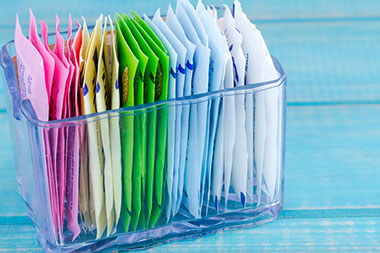
    Packets of artificial sweeteners in glass container.

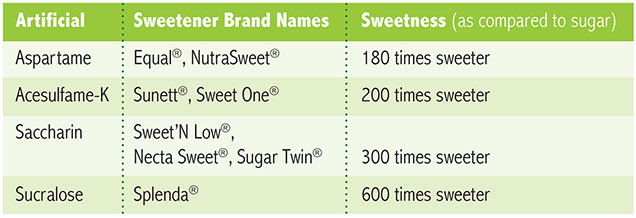
    Artificial sweeteners give a sweet taste without adding the calories you get with sugar. They don’t contribute to tooth decay and don’t raise blood sugar levels. However, consuming these sugar substitutes can have significant drawbacks. They may:

    1. Raise your sweetness threshold. This can make it harder to break a sugar “addiction.” Artificial sweeteners are hundreds of times sweeter than regular sugar. This may cause you to crave sweeter foods.

    2. Cause you to eat more. Eating and drinking sweet things signals the brain to want more. Even if the artificial sweetener doesn’t have any calories, it can lead to overeating and consuming extra foods that do.

    3. Cause discomfort. This can be headaches, exhaustion, and digestive discomfort, including gas, bloating, and constipation.

    4. Harm your gut bacteria. Artificial sweeteners may promote the growth of gut bacteria that store energy as fat. Gut bacteria that is not working properly also contributes to high blood sugar.

    Stevia (Truvia®, Pure Via®) is a non-caloric sweetener made from an herb. It has not been studied as much as artificial sweeteners, but it is still super sweet (300 times sweeter than sugar) and may cause digestive discomfort for some people.

    Sugar Alcohols (e.g., xylitol, sorbitol) are not sweeter than sugar and contain fewer calories than sugar. However, they may also cause digestive discomfort and headaches for some people.

    © American Institute for Preventive Medicine

  • The One Question Parents Need To Ask

    FAMILY LIFE

    Image of gun and bullets.

    Before you let your child play at another person’s house, you may ask some safety questions. For instance, you’ll probably want to know if adults are there, when they will be home, and what they will be doing.

    There’s another question that may be harder to ask, but your child’s life may depend on it: “Is there an unlocked gun in your house?”

    The American Academy of Pediatrics says half of all U.S. homes contain firearms. More than a third of all accidental shootings of children happen in the homes of friends, neighbors or relatives.

    Follow these gun safety tips to help keep loved ones safe:

    *  Never keep a loaded gun in the house or in a car.

    *  Keep guns locked up and unloaded. Lock ammunition up in a separate location. Be sure your kids can’t get the keys.

    *  Put trigger locks on all guns.

    *  Know how to operate a gun before you load it.

    *  Don’t point a gun at another person.

    *  Unload the gun before setting it down.

    © American Institute for Preventive Medicine

  • Mindfulness

    Healthylife® Weigh

    Part 6

    Man mediating on bedroom floor.

    Mindfulness means you are fully aware of all aspects of what you are sensing in the current moment. Practice mindfulness while you listen to music, walk, run, garden, or eat.

    *  Focus on current thoughts without judging them.

    *  Put past thoughts and what the future has in store out of your mind.

    Mindfulness can activate areas in the brain that give you feelings of calmness and help reduce stress.

    Mindfulness Exercise

    *  Set aside five (or more) minutes. Find a place with no distractions.  Get comfortable.

    *  Focus on your breathing or anything in the present, such as the sounds you hear or an object in your sight.

    *  As thoughts pop up in your mind, let them go without judging them. Return your focus to what you see, hear, and feel.

    Mindful Eating

    *  Have a space for eating that is separate from where you do other tasks.

    *  Calm yourself first. Use other relaxation techniques to help you focus on the present.

    *  When you are eating, just eat. Avoid multi-tasking. Distractions like watching TV or looking at your phone take away from being mindful.

    *  Savor your food and the act of eating it. Embrace all of the senses-touch, smell, sight, taste, and sound.

    *  Avoid judging yourself while you eat. Once you have chosen what to eat, enjoy it fully.

    Practice Mindfulness with an Orange

    Peeling an orange or other fragrant fruit can help you practice focusing on the moment. Press your nail into the thick skin to break through. Breathe in the citrus scent as you slowly take pieces off the fruit. Bite into a slice of the orange. Notice the taste on your tongue and the feel of the juices.

    © American Institute for Preventive Medicine

  • Gluten-Free Diet Is Treatment, Not Trend

    MEDICAL NEWS

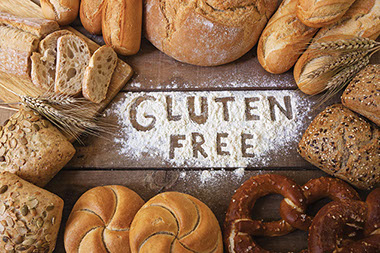
    Image of various breads with the words "Gluten Free" written in powedered white flour.

    You’d never suspect it from the growing number of gluten-free items on supermarket shelves, but only one in about every 133 people has celiac disease. This genetic autoimmune disorder causes the body to react negatively to the intake of gluten, a protein found in wheat, rye, barley, and their byproducts.

    It is estimated that more than 80% of the Americans whose systems can’t tolerate gluten are either not diagnosed or misdiagnosed. And the average time a person waits for a correct diagnosis is more than 10 years. A prime reason is that the symptoms of gluten-related problems vary widely-from migraine headaches and diarrhea to joint pain and skin rashes-and are common to numerous other conditions and disorders.

    When a person with celiac disease consumes gluten, the protein triggers an immune response that damages part of the small intestine called villi, which interferes with the absorption of nutrients from the food. This can cause malnutrition, trigger other health problems-among them cancer, osteoporosis, and infertility-and open the door to other autoimmune disorders.

    “There’s greater awareness of celiac disease, we have better tests, and we know more about who should be screened, but we’re still seeing only the tip of the iceberg,” said  Dr. Anca M. Safta, a gastroenterologist at Wake Forest Baptist Medical Center and director of its Gluten & Allergic Digestive Disorders Program.

    A simple antibody blood test can screen for celiac disease. And because the disease is inherited, there’s also genetic testing. But while these tests can eliminate the possibility of celiac disease, they can’t confirm its presence. That usually has to be done with an endoscopic biopsy. This procedure examines the small intestine and removes tissue samples for analysis.

    If the biopsy results are positive for celiac disease, the only way to repair existing damage to the small intestine and prevent reoccurrence is for the person to adopt a strict gluten-free diet.

    That’s also the treatment for people with non-celiac gluten sensitivity. This has symptoms much like those of celiac disease but doesn’t cause the same intestinal damage and can’t be identified through blood or tissue testing.

    Steering completely clear of gluten can be tricky. Gluten isn’t just in grain-based products such as bread, cereal, cookies, pastry, pasta, and beer. It also can be found in candy, ice cream, lunch meats, cooking oil, salad dressing, condiments, instant coffee, soup mixes, and a host of other processed foods. Vitamins, toothpaste, and lipstick can also contain gluten.

    Gluten-free products are more plentiful than ever, but they’re also costly-nearly 250% more expensive than their conventional counterparts. And because even small amounts of gluten can produce negative effects, cross-contamination-when gluten-free foods come into contact with or are prepared with gluten products-is a threat, especially when eating outside the home.

    Is going gluten-free good for everybody? In a word, no.

    “It’s not necessarily a healthier diet if you don’t need it,” Dr. Safta said.

    Any time you restrict your diet, you have a greater chance of not getting all the nutrients you need. You risk developing a nutrient or vitamin deficiency because gluten-free products aren’t fortified or enriched like most regular bread and cereal products are.

    Going gluten-free is not the best way to shed excess pounds. Weight loss is generally due to eating fewer processed foods and more fruits and vegetables, not shunning gluten. And gluten-free foods can contain as many calories as standard products, or even more.

    © American Institute for Preventive Medicine

  • Tips For Keeping A Food Diary

    HEALTHY EATING

    Image of young man writing in a journal.

    If you’re trying to lose weight or simply want to eat healthier, keeping a food diary can help. Often times, we eat little bites here and there that don’t seem like much, but calories from them can add up quickly. A food diary will help you see everything you eat and drink so you can be more aware of extra calories or unhealthy choices. It can also help you see if you are eating because of stress or emotions. Then, you can find ways to stop these habits.

    A food diary doesn’t have to be complicated. Food diary apps are available, but they’re not necessary. The American Academy of Family Physicians and the CDC say you should write down these things:

    *  What you ate and drank

    *  The time you ate meals and snacks

    *  Where you ate and any other activity you were doing (watching TV, checking emails, etc.)

    *  Who you were with

    *  How you were feeling (before, during, and after eating)

    Don’t rely on your memory at the end of the day. It’s too difficult to remember every bite or sip. Instead, have the diary with you and write things down as soon as you can. Being honest and taking note of everything you eat and drink can help you see your eating patterns and pinpoint ways you can make healthy changes.

    © American Institute for Preventive Medicine

  • Recognize When Something Is Bothering You

    Healthylife® Weigh

    Part 6

    Couple having dinner at restaurant.

    Identify what forces are at play. These may be positive or negative emotions that are pushing you to do something you don’t need or want to do.

    The following emotions that trigger less healthy eating.

    *  Anger

    *  Anxiety

    *  Boredom

    *  Depression

    *  Frustration

    *  Insecurity

    *  Stress

    *  Celebration

    Write other feelings you have that trigger feelings of hunger:

    *  Accept that you are having these feelings. Rather than trying to change how you feel, focus on changing your response to these feelings.

    *  Keep a journal to determine what triggers lead you to emotional eating.

    For negative emotions, did eating food solve the situation? Chances are it did not. Food does not solve emotional problems. It never has and it never will. Food simply keeps you from dealing with the issue at hand. When the last bite is eaten, the problem is still there.

    Positive emotions, like joy and comradery, may cause you to overeat. Think of a time when you were celebrating and over-ate.

    Avoid feeling guilty if you have overeaten or chosen less healthy foods. The feeling of guilt can make digestion difficult or lead to more overeating.

    © American Institute for Preventive Medicine