Tag: diet

  • Slash Your Cholesterol Levels

    SELF-CARE CORNER

    Illustration of a heart with a pop out illustration of a build up in an artery.

    Many people don’t really know what cholesterol is, or why it matters for your health.

    If your cholesterol levels are too high, you are at an increased risk of heart attack and stroke. This is because too much “bad” LDL cholesterol causes a hard buildup inside your arteries known as plaque. If this buildup breaks loose, it can block an artery to your brain or your heart.

    The good news is there are a number of ways to help lower your cholesterol to a healthy level. Your doctor can help you decide what you need. Medicines can help, but there are also natural ways you can slash your cholesterol. They include:

    *Don’t eat trans fats.Transfats are listed on food labels and are known to raise “bad” LDL cholesterol levels. They are found in processed foods such as doughnuts, cookies, biscuits, pies, crackers and margarines. Be sure to check the Nutrition Facts panel for trans fats and avoid them whenever possible.

    *Cut back on saturated fats.These are found in meat and dairy products. They are okay to eat in small amounts. The American Heart Association recommends up to 6 percent of your daily calories be from saturated fat.

    *Eat “good” fats. Some fats are good for your cholesterol.They include monounsaturated and polyunsaturated fats. These are found in plant foods and oils such as canola, olive, safflower and grapeseed oils. Avocado, seeds and nuts are also great sources. Fatty fish, such as salmon, also include heart-healthy fats known as omega-3s.

    *Eat colorful fruits and vegetables.Brightly colored berries, dark green spinach, orange sweet potatoes and more: colors are good for lowering cholesterol! Eat plenty of bright produce for a boost in cholesterol-lowering nutrients.

    *Cut back on sugar and refined grains.Sweets, white bread, and anything that contains added sugar should be limited. These foods don’t help your heart or your overall health.

    Sources: American Heart Association; Harvard Medical School

    When to check your cholesterol

    Your cholesterol can be checked with a simple blood test. High cholesterol has no symptoms, so you won’t know you have it unless you get checked. The American Heart Association says adults age 20 and older should have their cholesterol checked every four to six years. Some people may need it checked more often. See your doctor for regular checkups to discuss your cholesterol and other heart disease risk factors.

    © American Institute for Preventive Medicine
  • Sugar: Not So Sweet For Your Health

    HEALTHY EATING

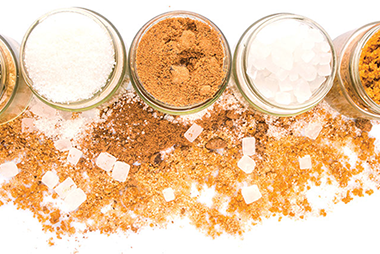
    Image of different types of sugars.

    Cookies, cake, and candy – we all know which foods are high in sugar. Or do we?

    The average American is consuming too much sugar today, and the American Heart Association says this is hurting us. Sugar is loaded with calories, which can cause weight gain and heart problems. A high-sugar diet can also be a factor in diabetes. Sugar can cause cavities and other dental problems.

    You might be surprised to find that many regular or even “healthy” foods have a lot of sugar in them. That’s why the FDA is proposing a change to the food Nutrition Facts label that would list “added sugar.”

    What is added sugar?

    Some healthy foods contain a certain amount of natural sugar. These include fruits, vegetables, dairy, and whole grains. The sugar (simple carbohydrate) naturally occurs in the food.

    On the other hand, many packaged and processed foods contain “added sugar.” This sugar has been added to improve the taste. Many things you wouldn’t suspect, like “diet” foods, soup, yogurt, crackers, and salad dressings can contain a lot of added sugar.

    How do I spot added sugar?

    Sugar can be listed by many different names in the ingredients. So, it’s hard to know how much added sugar you’re getting. Until the nutrition label change takes place, the best thing to do is look at the sugar listing on the Nutrition Facts. Keep track of how many grams are in each serving of food and add them up each day. The AHA recommends:

    *  No more than six teaspoons (25 grams) for women per day

    *  No more than nine teaspoons (37.5 grams) for men per day

    If you eat processed or packaged foods or drinks, look at the Nutrition Facts and see how much sugar each one contains. You may be surprised at how many grams of sugar you consume, even if you’ve been watching your diet. And drinks count too – fruit juice, sports drinks, and sodas are usually loaded with sugar. In fact, a 12- ounce serving of soda contains about 38 grams (nine to 10 teaspoons) of sugar.

    Many food labels don’t list the word “sugar” in the ingredients. In fact, there are more than 50 different names for sugar! These include sucrose, dextrose, maltose, corn syrup, corn syrup solids, dextrin and maltodextrin.

    © American Institute for Preventive Medicine

  • Want To Eat Healthier?

    HEALTHY EATING

    Image of family eating dinner at the kitchen table.

    Then cook meals at home

    People who frequently cook meals at home eat healthier and consume fewer calories than those who cook less, according to Johns Hopkins Bloomberg School of Public Health research.

    “When people cook most of their meals at home, they consume fewer carbohydrates, less sugar and less fat than those who cook less or not at all-even if they are not trying to lose weight,” according to a study in Public Health Nutrition.

    © American Institute for Preventive Medicine

  • Cholesterol Health

    Heart & Circulation Problems

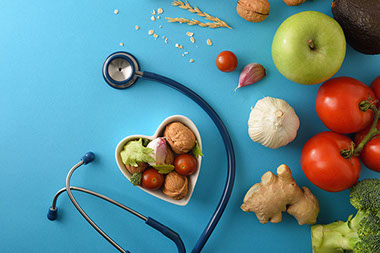
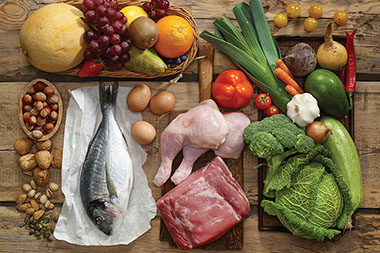
    Heart shape plate filled with walnuts, tomatoes, apple, garlic, etc.

    Controlling LDL-blood cholesterol levels lowers the risk for coronary heart disease. LDL-cholesterol is called “bad” cholesterol because high levels of it lead to a buildup of cholesterol in the arteries.

    To lower LDL-cholesterol, lose weight if you are overweight; limit saturated fats found in fatty meats high-fat dairy products, and desserts.

    Eat plenty of veggies, fruit, whole grains, beans, and lentils. Take cholesterol lowering medicine as advised. Also, stay physically active, manage stress, get quality sleep, avoid or limit alcohol, and quit tobacco.

    Get your blood cholesterol levels checked as often as advised by your doctor.

    Find out more about cholesterol and following a heart-healthy lifestyle atnhlbi.nih.gov/health/blood-cholesterol.

    Health at Home Lifetime book by the American Institute for Preventive Medicine. www.HealthyLife.com. All rights reserved.

    © American Institute for Preventive Medicine

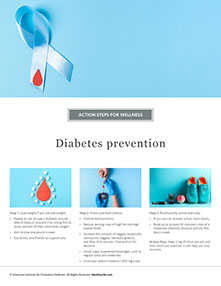
  • Diabetes Prevention

    Diabetes Education

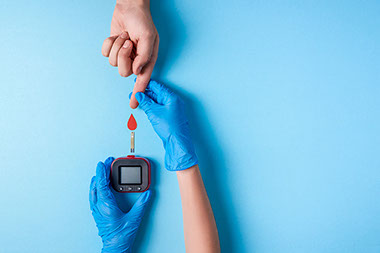
    Gloved hands, helping another hand check blood sugar level.

    Step 1: Lose weight if you are overweight.

    *  People at risk of type 2 diabetes may be able to delay or prevent it by losing five to seven percent of their total body weight.

    *  Aim to lose one pound a week.

    *  Ask family and friends to support you.

    Step 2: Make wise food choices.

    *  Control food portions.

    *  Reduce serving sizes of high fat and high calorie foods.

    *  Increase the amount of veggies (especially nonstarchy veggies, like leafy greens), and fiber that you eat. Choose fruit for desserts.

    *  Avoid sugar sweetened beverages, such as regular soda and sweet tea.

    *  Limit your sodium intake to 1,500 mg a day.

    Step 3: Be physically active every day.

    *  If you are not already active, start slowly.

    *  Build up to at least 30 minutes a day of a moderate-intensity physical activity five days a week.

    Action Step:Keep a log of what you eat and how much you exercise. It will help you stay on track.

    Health at Home Lifetime book by the American Institute for Preventive Medicine. www.HealthyLife.com. All rights reserved.

    © American Institute for Preventive Medicine
  • A Diet For Lifetime Health

    Mature Health: Over Age 50

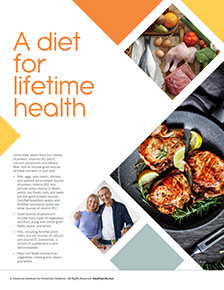
    Image rich in B vitamins.

    Studies show that some older adults are deficient in vitamins B6, B12, and folate (a B vitamin). To guard against vitamin deficiencies, plan a diet that includes food sources of these nutrients.

    *  Lean meats, chicken, organ meats and fish, are high in B6.

    *  Milk, eggs, and lean meats are excellent sources of B12.

    *  Asparagus, brussels sprouts, and almost all green, leafy vegetables are high in folate. Other sources are cantaloupe, orange juice, and fortified grain products.

    *  Citrus fruits, tomatoes, cantaloupe, strawberries, green pepper, and broccoli are rich in vitamin C.

    It is also important to get adequate protein and calcium daily. Low-fat dairy products are rich sources of calcium. Two servings a day of 2 to 3 ounces of meat, chicken, or fish provide the protein you need. Other sources of protein include cooked dried beans, peanut butter, milk, and eggs.

    A Year of Health Hints book by the American Institute for Preventive Medicine. www.HealthyLife.com. All rights reserved.

    © American Institute for Preventive Medicine
  • Gestational Diabetes

    Pregnancy & Prenatal Care

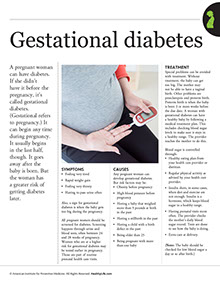
    A pregnant woman can have diabetes. If she didn’t have it before the pregnancy, it’s called gestational diabetes. (Gestational refers to pregnancy.) It can begin any time during pregnancy. It usually begins in the last half, though. It goes away after the baby is born. But the woman has a greater risk of getting diabetes later.

    Symptoms

    *  Feeling very tired

    *  Rapid weight gain

    *  Feeling very thirsty

    *  Having to pass urine often

    Also, a sign for gestational diabetes is when the baby gets too big during the pregnancy.

    All pregnant women should be screened for diabetes. Screening happens through urine and blood tests. Those are part of routine prenatal health care visits.

    Causes

    Any pregnant woman can develop gestational diabetes. But risk factors may be:

    *  Obesity before pregnancy

    *  High blood pressure before pregnancy

    *  Having a baby that weighed more than 9 pounds at birth in the past

    *  Having a stillbirth in the past

    *  Having a child with a birth defect in the past

    *  Being older than 25

    *  Being pregnant with more than one baby

    Treatment

    Special problems can be avoided with treatment. Without treatment, the baby can get too big. The mother may not be able to have a vaginal birth. Other problems are preeclampsia and preterm birth. Preterm birth is when the baby is born 3 or more weeks before the due date. There can also be delivery problems. But a woman with gestational diabetes can have a healthy baby. She needs proper medical care, though.

    Blood sugar must be controlled. This is done through:

    *  Special diet from the health care provider

    *  Exercises from the health care provider

    *  Insulin shots, in some cases, when diet and exercise are not enough. Insulin is a hormone. Among other things, it keeps blood sugar from getting too high. The provider teaches how to do the shots. The provider teaches the mother how to check her own blood sugar. It is important to do what the provider requests.

    *  Having prenatal visits more often. The provider checks the mother’s daily blood sugar record. Tests are done to see how the baby is doing.

    *  Extra care at delivery

    {Note: The baby should be checked for low blood sugar a day or so after birth.}

    Questions to Ask

    Self-Care / Prevention

    If you get diabetes during pregnancy:

    *  Follow the diet and exercise plan your health care provider or dietitian gives you.

    *  Drink at least 8 to 10 cups of fluids a day. Drink enough for your thirst. Limit ones with a lot of sugar. Examples: all kinds of sodas, fruit drinks and juices.

    *  Get plenty of rest when you feel tired.

    *  If you are told to do so, test your blood sugar levels at home. Your health care provider will tell you how. Keep a daily record of the results.

    *  After you have your baby, get your blood sugar checked when your doctor tells you to.

    {Note: Some pregnant women need to give themselves insulin shots at home. If your provider says you need to, you will be shown how. Be sure to give the insulin correctly. It’s an important way of taking care of yourself and your baby.}

    Prenatal Self-Care book by the American Institute for Preventive Medicine. www.HealthyLife.com. All rights reserved.

    © American Institute for Preventive Medicine
  • 10 Habits For Healthy Weight

    SELF-CARE CORNER

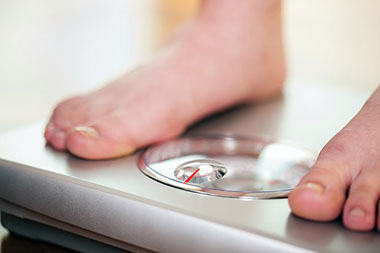
    Image of feet on a scale.

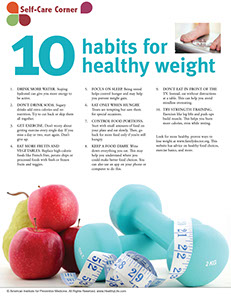
    1.  Drink more water. Staying hydrated can give you more energy to be active.

    2.  Don’t drink soda. Sugary drinks add extra calories and no nutrition. Try to cut back or skip them all together.

    3.  Get exercise. Don’t worry about getting exercise every single day. If you miss a day or two, start again. Don’t give up.

    4.  Eat more fruits and vegetables. Replace high-calorie foods like French fries, potato chips or processed foods with fresh or frozen fruits and veggies.

    5.  Focus on sleep. Being rested helps control hunger and may help you prevent weight gain.

    6.  Eat only when hungry. Treats are tempting but save them for special occasions.

    7.  Control food portions. Start with small amounts of food on your plate and eat slowly. Then, go back for more food only if you’re still hungry.

    8.  Keep a food diary. Write down everything you eat. This may help you understand where you could make better food choices. You can also use an app on your phone or computer to do this.

    9.  Don’t eat in front of the TV. Instead, eat without distractions at a table. This can help you avoid mindless overeating.

    10. Try strength training. Exercises like leg lifts and push-ups build muscle. This helps you burn more calories, even while resting.

    Look for more healthy, proven ways to lose weight atwww.familydoctor.org. This website has advice on healthy food choices, exercise basics, and more.

    © American Institute for Preventive Medicine
  • Calming An Irritable Bowel

    SELF-CARE CORNER

    Image of a women holding stomach in pain.

    Irritable bowel syndrome (IBS) is a disorder of the digestive system. Experts believe that IBS happens when there is a problem with how the brain and the gut work together. IBS can have bothersome symptoms like stomach pain, diarrhea and constipation. But, IBS does not damage the digestive tract like the effects of ulcerative colitis or Crohn’s disease.

    Millions of people in the U.S. have IBS. And some people have severe symptoms that require medication or other medical care. IBS should be diagnosed by a doctor to ensure your symptoms are not caused by other diseases.

    Fortunately, mild to moderate symptoms of IBS can often be improved with some self-care and lifestyle changes.

    Foods to skip

    Some foods are known to cause more cramping and diarrhea. People with IBS may wish to avoid these foods, which include:

    *  Fried foods or high-fat meals

    *  Artificial sweeteners

    *  Caffeine, such as coffee or tea

    *  Alcohol

    You should also avoid eating large meals.

    Keep a food diary

    It may be a good idea to keep a food diary to identify other problem foods and eating habits, especially during flare-ups.

    Feel fiber-fabulous

    Fiber is one of the most effective ways to help calm an irritable bowel. Fiber can improve constipation because it softens stool and makes it easier to pass. And, it may help “bulk up” stool to reduce diarrhea.

    The 2015-2020 Dietary Guidelines for Americans says that adults should be eating 22 to 34 grams of fiber per day. Soluble fiber may be the best choice for those with IBS.

    Good sources of soluble fiber include:

    *  Oats

    *  Nuts

    *  Lentils

    *  Beans

    *  Fruits & Vegetables

    If you’re not used to eating fiber, don’t eat too much at first. This could lead to gas, bloating, and more IBS symptoms. Gradually increase the amount of fiber you eat by 2 to 3 grams per day until you’re eating the recommended amount. Be sure to drink plenty of fluids to absorb the extra fiber.

    Get better sleep

    Sleep helps the body restore itself, and poor sleep may aggravate IBS symptoms. Help your body rest by practicing good sleep hygiene. You can do this by:

    *  Shutting off computers, smart phones and other screens two hours before bedtime

    *  Going to bed and getting up at the same time every day

    *  Avoiding alcohol and heavy meals in the evening

    *  Not smoking

    *  Getting regular exercise (even light exercise can help you sleep better)

    *  Avoiding naps if you have trouble sleeping at night

    Get help from your doctor

    If these self-care steps don’t help, it may be time to talk to your doctor about other solutions. Some people find success by avoiding gluten, a protein found in wheat, barley, rye, oats and many other foods.

    A low-FODMAP diet may also be helpful. FODMAPS are carbohydrates that can be harder for the intestines to digest. Avoiding these foods helps some people with IBS. Ask your doctor before you begin any diet that eliminates certain foods.

    Sources: International Foundation for Functional Gastrointestinal Disorders, National Institute of Diabetes and Digestive and Kidney Diseases, National Sleep Foundation

    © American Institute for Preventive Medicine
  • Do “Meal Replacement” Diets Work?

    HEALTHY EATING

    Image of a nutrition bar.

    It seems simple enough: to cut calories, sip a shake or eat a bar instead of a meal. There’s no risk of accidentally eating too much, and you don’t have to spend time preparing a meal or measuring portions.

    Also known as meal replacement diets, these programs have their pros and cons. A study published in The Journal of the Academy of Nutrition and Dietetics showed they can help people effectively lose weight. But, no single diet works for everyone. Before you try meal replacement, here’s what you should know:

    *  Talk with your doctor before you start any diet plan.

    *  Eat plenty of whole foods daily. Fruits, vegetables, whole grains, lean protein, low-fat dairy and healthy fats are recommended by the USDA. Bars and shakes cannot fully replace the nutrients you get from whole foods.

    *  Get the right amount of calories. There’s a healthy range of calories based on your age, weight and activity level. Learn yours by going to the USDA’s SuperTracker Tool atsupertracker.usda.gov.

    *  Drink plenty of water between meals to stay hydrated. This can improve your energy levels and may help you fight off hunger.

    If you follow the guidelines, you may find success with a meal replacement plan. Be sure to follow the plan as recommended and still eat nutritious foods at other meals. If you find you’re too hungry or it’s not working for you, talk with your doctor or a dietitian about another option.

    © American Institute for Preventive Medicine