Tag: diet

  • Gluten-Free Diet Is Treatment, Not Trend

    MEDICAL NEWS

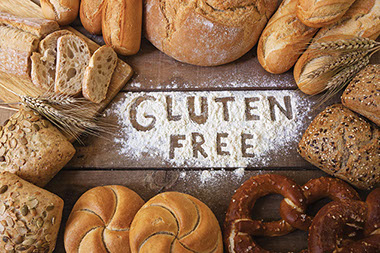
    Image of various breads with the words "Gluten Free" written in powedered white flour.

    You’d never suspect it from the growing number of gluten-free items on supermarket shelves, but only one in about every 133 people has celiac disease. This genetic autoimmune disorder causes the body to react negatively to the intake of gluten, a protein found in wheat, rye, barley, and their byproducts.

    It is estimated that more than 80% of the Americans whose systems can’t tolerate gluten are either not diagnosed or misdiagnosed. And the average time a person waits for a correct diagnosis is more than 10 years. A prime reason is that the symptoms of gluten-related problems vary widely-from migraine headaches and diarrhea to joint pain and skin rashes-and are common to numerous other conditions and disorders.

    When a person with celiac disease consumes gluten, the protein triggers an immune response that damages part of the small intestine called villi, which interferes with the absorption of nutrients from the food. This can cause malnutrition, trigger other health problems-among them cancer, osteoporosis, and infertility-and open the door to other autoimmune disorders.

    “There’s greater awareness of celiac disease, we have better tests, and we know more about who should be screened, but we’re still seeing only the tip of the iceberg,” said  Dr. Anca M. Safta, a gastroenterologist at Wake Forest Baptist Medical Center and director of its Gluten & Allergic Digestive Disorders Program.

    A simple antibody blood test can screen for celiac disease. And because the disease is inherited, there’s also genetic testing. But while these tests can eliminate the possibility of celiac disease, they can’t confirm its presence. That usually has to be done with an endoscopic biopsy. This procedure examines the small intestine and removes tissue samples for analysis.

    If the biopsy results are positive for celiac disease, the only way to repair existing damage to the small intestine and prevent reoccurrence is for the person to adopt a strict gluten-free diet.

    That’s also the treatment for people with non-celiac gluten sensitivity. This has symptoms much like those of celiac disease but doesn’t cause the same intestinal damage and can’t be identified through blood or tissue testing.

    Steering completely clear of gluten can be tricky. Gluten isn’t just in grain-based products such as bread, cereal, cookies, pastry, pasta, and beer. It also can be found in candy, ice cream, lunch meats, cooking oil, salad dressing, condiments, instant coffee, soup mixes, and a host of other processed foods. Vitamins, toothpaste, and lipstick can also contain gluten.

    Gluten-free products are more plentiful than ever, but they’re also costly-nearly 250% more expensive than their conventional counterparts. And because even small amounts of gluten can produce negative effects, cross-contamination-when gluten-free foods come into contact with or are prepared with gluten products-is a threat, especially when eating outside the home.

    Is going gluten-free good for everybody? In a word, no.

    “It’s not necessarily a healthier diet if you don’t need it,” Dr. Safta said.

    Any time you restrict your diet, you have a greater chance of not getting all the nutrients you need. You risk developing a nutrient or vitamin deficiency because gluten-free products aren’t fortified or enriched like most regular bread and cereal products are.

    Going gluten-free is not the best way to shed excess pounds. Weight loss is generally due to eating fewer processed foods and more fruits and vegetables, not shunning gluten. And gluten-free foods can contain as many calories as standard products, or even more.

    © American Institute for Preventive Medicine
  • Paleo Diet: The Good And The Bad

    HEALTHY EATING

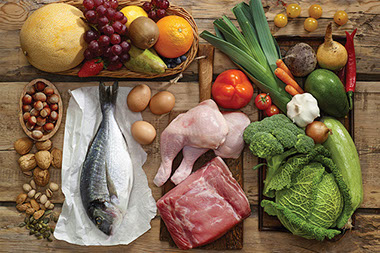
    Image of items that are apart of a Paleo diet.

    Fads come and go – and not just hairstyles and clothing choices. Diets go through fads, too – and one of the latest is the popular Paleo diet.

    The name “Paleo” refers to our Paleolithic ancestors, also known as “cavemen.” The creators of the Paleo Diet say the foods included are those that would have been eaten by our ancestors, long before humans had agriculture and modern-day processed foods.

    Although eating more whole foods can be a good thing, the American Academy of Nutrition and Dietetics says this diet isn’t in line with current healthy eating guidelines. Here’s the pros and cons to the Paleo diet:

    THE GOOD:Processed foods are out. Chips, crackers, and other unhealthy processed foods are not allowed.

    THE BAD:Eliminating all processed foods is difficult for most people. This could lead to frustration and diet failure.

    THE GOOD:No sugar is allowed.

    THE BAD:Because milk products contain natural sugar, no dairy is allowed with the exception of butter. Milk, cheese, and yogurt are good sources of calcium, and skipping them makes it difficult to get enough of this mineral in your daily diet.

    THE GOOD:Promotes vegetables.

    THE BAD:Only small amounts of fruit are allowed. Because of their natural sugar content, the Paleo diet doesn’t allow you to eat more than a small amount each day.

    THE GOOD:You’re encouraged to eat lean meats and fish.

    THE BAD:The Paleo diet suggests far more meat than the USDA advises. Diets heavy in animal fat and protein may increase your risk of heart disease due to their saturated fat content. Also, healthy vegetarian sources of protein such as beans and legumes are not allowed. These foods offer fiber and nutrients most people need in their diet and should eat regularly.

    BOTTOM LINE:

    The emphasis on vegetables and lean meats is a good concept that can offer health benefits. But, limiting or avoiding healthy foods such as dairy and fruit limits your intake of important nutrients. The USDA Guidelines, found atchoosemyplate.gov, offer a more varied – and heart-healthy – approach to eating.

    Talk with your physician before starting any diet program.

    © American Institute for Preventive Medicine

  • Prevent Diabetes

    SELF-CARE CORNER

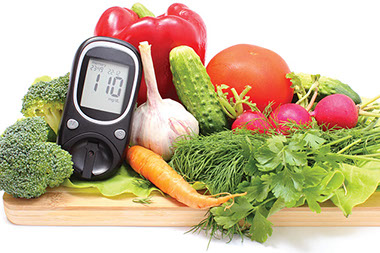
    Image of home testing glucose machine surrounded by vegetables.

    Diabetes may run in your family, but you can avoid or delay its development.

    You can reduce your risk for type 2 diabetes by eating a healthy diet, getting plenty of physical activity, and losing  excess weight, according to NIH in Health. Type 2 diabetes occurs due to problems related to a hormone called insulin. When your body digests food, it’s broken down and converted to glucose and other molecules, which then travel through the bloodstream. Insulin signals cells to let glucose in for use as an energy source.

    In a person with type 2 diabetes, either the body’s cells have trouble using insulin or the body isn’t making enough insulin. As a result, glucose can build up to harmful levels in the blood. That’s why people with diabetes often have high blood glucose levels.

    These high levels raise your risk for heart disease, kidney problems, blindness, amputations, and other serious conditions.

    Being overweight, obese, or inactive increases the risk to develop type 2 diabetes. You can change these risk factors. Losing just 5-10 percent of your weight and exercising 30 minutes a day on 5 days a week goes a long way to lower your risk.

    Steps to prevent diabetes

    *  Move more. It doesn’t matter what activity you do, as long as you enjoy it.

    *  Choose healthy foods. Eat fiber-rich fruits and vegetables.

    *  Maintain a healthy weight. With healthy eating and physical activity, you can drop pounds and keep them off.

    *  Set reasonable goals. Start with small changes, even walking 15 minutes a day. Add 5 minutes per day next week and so on. Goal: 30 minutes, 5 days a week.

    *  Record your progress. Keep a diary of what you eat and drink and the number of minutes you exercise to stay focused on your goal.

    *  Keep at it. Making even small changes is hard in the beginning. If you get off track, start again.

    © American Institute for Preventive Medicine
  • Simple Steps To Prevent Diabetes

    MEDICAL NEWS

    Image of man with bicycle along the beach.

    The good news is that many cases of type 2 diabetes, which account for between 90 and 95% of all adult cases of the disease, can be prevented by leading a healthy lifestyle, according to the CDC. So whether you’re flirting with pre-diabetes or just want to lower your risk, the American Diabetes Association suggests eating a balanced diet and getting regular exercise.

    Follow these tips on how to fit healthy eating and exercise into your busy day.

    *Sneak some exercise into your day.Being physically fit can lower blood sugar, blood pressure, and cholesterol by helping insulin work better. All of these factors help reduce your risk for diabetes, heart disease, and stroke. Plus, being in shape helps you feel better both physically and mentally.

    *Add exercise to your daily routine.If you don’t currently exercise on a regular basis, start with small amounts of physical activity. For instance, take a brisk 15-minute walk in the morning. Have a walking meeting with co-workers instead of meeting in a conference room.

    *Make exercise fun.Any kind of physical activity is exercise. This includes doing yard work, dancing, or walking the dog. Choose a few activities you enjoy, and take steps to fit them into your schedule. Find a workout buddy to do a few laps around the neighborhood after dinner. Make bike riding or hiking regular family activities.

    *Choose foods with a low glycemic index.The glycemic index is a measure of the effects of carbohydrates on blood sugar levels. These foods include white pasta, cookies, and crackers. They are typically made with processed white flour. When we eat these foods, it causes a spike in blood sugar. Eating these foods also tends to result in weight gain since they are often high in calories. Plus, they are often high in sodium and not very nutritious. Most Americans eat foods with a high glycemic index.

    *Cut back on your sugar intake.If you eat a lot of sugar in your diet, try to reduce sugary foods and beverages. For example, instead of soda and juice, try seltzer or water. When the craving for a cookie or piece of cake hits, try a piece of fruit instead. Some studies have shown that the natural sugar in fruit can help decrease sugar cravings.

    *Incorporate more fresh fruits and vegetables into your diet.Eating more fruits and vegetables keeps your blood pressure stable and gives you much-needed nutrients and fiber. Plus, most fruits and vegetables are low in fat and calories.

    *Choose healthy snacks.Before having a high-sugar or high-fat snack, reach for a handful of nuts, some low-fat popcorn, or whole-wheat crackers. Keep healthy snacks on hand whether you are at home, at work or on the go.

    *Remember these tips when eating out.Think of your plate as a pie chart. You should fill up half of your plate with vegetables, a fourth with protein, and a fourth with a starch or carbohydrate.

    © American Institute for Preventive Medicine