Tag: Exercise Safety

  • Be A Safe Swimmer

    BE FIT

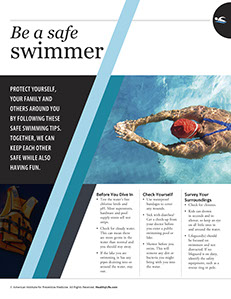
    Bird eye view of female swimming.

    Protect yourself, your family and others around you by following these safe swimming tips. Together, we can keep each other safe while also having fun.

    Before You Dive In

    *  Test the water’s free chlorine levels and pH. Most superstores, hardware and pool supply stores sell test strips.

    *  Check for cloudy water. This can mean there are more germs in the water than normal and you should stay away.

    *  If the lake you are swimming in has any pipes draining into or around the water, stay out.

    Check Yourself

    *  Use waterproof bandages to cover any wounds.

    *  Sick with diarrhea? Get a check-up from your doctor before you enter a public swimming pool or lake.

    *  Shower before you swim. This will remove any dirt or bacteria you might bring with you into the water.

    Survey Your Surroundings

    *  Check for closures.

    *  Kids can drown in seconds and in silence, so keep an eye on all little ones in and around the water.

    *  Lifeguard(s) should be focused on swimmers and not distracted. If no lifeguard is on duty, identify the safety equipment, such as a rescue ring or pole.

    © American Institute for Preventive Medicine

  • A Shoulder To Lean On

    BE FIT

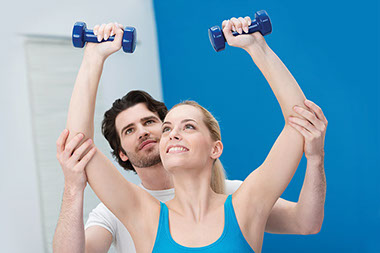
    Image of women and trainer exercising the shoulders.

    Shoulder injuries are common. Why? Because of improper exercise technique, say exercise experts at the American Council on Exercise (ACE), and because people commonly over-train one or two deltoid muscles while neglecting others.

    Strength-training routines are typically dominated by exercises that train only the front of the shoulder, which is actually comprised of three distinct muscles. So ACE looked into the most effective exercises for strengthening the overall shoulder and preventing injury.

    The result? Researchers from the University of Wisconsin, LaCrosse shrugged their shoulders when asked to pick the top exercise. Results showed there is not one best exercise that completely works all muscles of the shoulders.

    Instead, for best results, exercisers should perform the dumbbell shoulder press to target the front, and either the 45-degree incline row or the seated rear lateral raise for the rear. Ask your gym’s expert to show you these techniques.

    69% of people will experience a shoulder injury at some point in their lives, according to the NIH.

    © American Institute for Preventive Medicine

  • Beware Of Exercise Gimmicks

    BE FIT

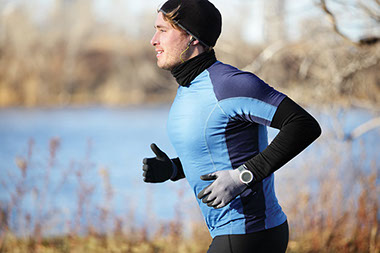
    Image of man running outside.

    Let’s face it: working out is, well, work. It takes time and commitment to exercise regularly, and sticking to it can be tough.

    Exercise gimmicks and fads target the millions of people who want the benefits of exercise but may be looking for a quicker solution. Some products may claim to “spot reduce,” or slim one area of the body, such as the tummy or legs. Others may claim to give you the benefits of a long workout in just a few minutes.

    Sometimes it’s hard to tell whether something is an effective piece of equipment or a scam. Before purchasing, ask yourself if the product:

    *  Promises amazing results without any work or “sweat”

    *  Focuses on just one area of the body, saying you can trim this problem area

    *  Advertises that you can lose many inches or pounds in just a few days or weeks

    *  Doesn’t provide a clear cost for the equipment or only offers monthly payment plans

    Unfortunately, many of these products don’t do what they claim, and some may not work at all. But, you don’t need a device or special equipment to reap the benefits of exercise. You can lose weight and get healthier with just 30 minutes a day of activity. Walking, gardening, dancing and biking are possible options. Pick something you enjoy so you’ll stick with it. If you don’t have 30 minutes in your day, break it up into three 10-minute chunks.

    Instead of worrying about the latest fitness gimmick, stick to the activities listed above. Your health and fitness level will improve, and you can save your money for fitness rewards, such as a new pair of walking shoes or exercise clothes.

    Source: National Institute of Diabetes and Digestive and Kidney Diseases

    © American Institute for Preventive Medicine

  • Boomers Beware

    BE FIT

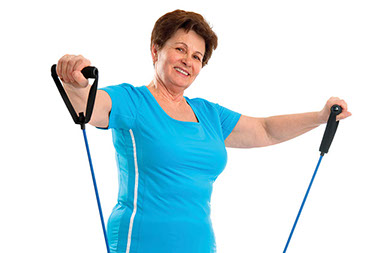
    Image of older women with exercise equipment.

    Boomers are now age 50 and older. And they are getting lots of injuries to backs, knees, hips, ligaments and tendons (the structures that attach muscles to bones).

    Regular exercise is critical for maintaining and improving bone and muscle strength. And yet if not done properly, exercise can result in pain and injury, sprains and strains. The American Academy of Orthopaedic Surgeons offers the following exercise safety advice for anyone older than 50:

    Warm up and stretch.Walking, bending, jumping jacks, and running in place before exercise gets and keeps the circulatory system moving and helps prevent injury. Stretching can be done before or after a workout.

    Exercise consistently.Don’t be a weekend warrior. Try to get at least 30 minutes of moderate physical activity every day.

    Take lessons.Consider taking lessons for the sport you love. Whether you’re new to a sport or have been taking part in it a long-time, proper form and instruction reduce the chance of an overuse injury like tendonitis or stress fractures.

    Wear the proper equipment.Select the proper gear and shoes for your sport.

    Listen to your body.As you age, you may find that you are not as flexible as you once were, or that you cannot tolerate the same types of activities. If so, modify your exercise routine to accommodate your body’s needs. For example, if you’ve been a daily runner for many years, consider replacing a day or two of that activity with swimming, biking, or another sport that puts less impact on your joints.

    Use the 10% rule.When changing your activity level, increase it in increments of no more than 10% per week. Slowly build up each week until you reach your higher goal. This will prevent overuse injuries that may keep you from exercising or enjoying your favorite sport for some time.

    Develop and maintain a balanced fitness program.Include cardiovascular exercise, strength training, and flexibility. A balanced exercise program will provide a total body workout. This keeps you from getting bored and lessens your chances for injury.

    Take a break.Hard workouts can take a toll on your body and thus require strategies aimed at recovery. Learn to take a day off or cut back your training to allow your body to adapt and recover. Gentle stretching, light aerobic exercises, and proper nutrition and hydration are all helpful to the recovery process.

    Consult your doctor.If you develop or have had a sports or orthopedic injury like tendonitis, arthritis, stress fracture, or low back pain, consult an orthopedic surgeon who can help design or modify your fitness routine to promote wellness and minimize the chance of injury.

    © American Institute for Preventive Medicine

  • Cold Temps & Exercise: A Great Pair

    BE FIT

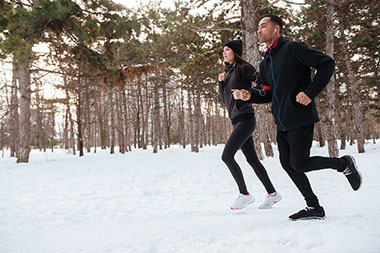
    Image of couple jogging in the winter.

    Has cold weather got you hiding under the blankets? Don’t let it turn you into a couch potato. Your body needs exercise year-round to be healthy. And, exercising in the cold can be enjoyable if you know how to prepare for it.

    Why cold weather workouts are cool

    Cold air can be refreshing! Stepping out into a chilly day may help you stay moving. There’s no sweltering heat or sticky humidity to slow you down. If fact, the lack of heat may help you work out a little longer and harder. You could burn even more calories and give your energy levels a boost.

    Getting out in the daylight can improve your mood. This can help you get through the long winter with good mental health. Your immune system will thank you, too. Just a few minutes a day of exercise may help you stave off colds and flu.

    How to work out when it’s cold

    Not sure what you should or shouldn’t do in the winter? Try these activities:

    *  Brisk walking or hiking

    *  Ice skating

    *  Sledding

    *  Cross-country skiing

    *  Snowshoeing

    Safety first

    Staying warm and dry is key during winter workouts. Hypothermia and frostbite are dangerous and are more likely to happen if you’re not properly dressed for the weather. These steps can help you avoid getting dangerously cold:

    *  Use a moisture-wicking fabric as the first layer against your skin. Never use cotton, as it traps moisture and will make you feel colder.

    *  The next layer should be a warm material, like fleece.

    *  The outside layer of clothing should be windproof to keep out moisture and chilly gusts.

    Don’t forget to drink plenty of water! Even if you don’t feel hot, your body needs hydration during exercise.

    Indoor workouts work, too

    If it’s simply too cold, icy or otherwise unsafe to exercise outdoors, you can still get off the couch and get healthier. Indoor workouts include:

    *  Going up and down stairs

    *  Dancing

    *  Vacuuming, mopping or other active housework

    *  Roller skating

    *  Yoga

    *  Workout classes at a local gym or community center

    People who have had a heart attack or stroke, or are at risk of either one, should ask their doctor about safe ways to exercise.

    Signs of hypothermia

    Hypothermia means the body temperature has dropped too low. Seek immediate care and/or go to an emergency room if hypothermia is suspected. Signs to look for include:

    *  Sudden clumsiness, lack of coordination

    *  Confusion

    *  Shivering

    *  Sleepiness

    *  Slurred speech

    *  Very cold feet or hands

    Source: American Heart Association

    © American Institute for Preventive Medicine

  • Don’T Let Shin Splints Stop You

    BE FIT

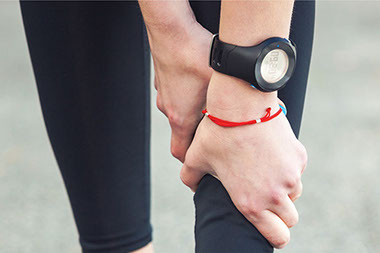
    Close up images of hands holding shins in pain.

    If you’ve ever felt aching or shooting pain up the front of your lower legs after running, it could be shin splints. Though it’s usually not serious, it can be painful enough to stop even the most dedicated exerciser.

    If you get shin splints, try these tips:

    *Switch to lower impact exercise.Until the pain goes away, try swimming, biking, or using an elliptical machine, so you put less pressure on your legs.

    *Wear proper shoes.If you’ve had the same running shoes for years, it may be time for a new pair. Support wears down over time, causing pain in the feet and legs. Make sure you have enough support under the arch and heel areas.

    *Ice the area.Apply ice packs for up to 20 minutes at a time, a few times a day, to help with pain.

    If the pain doesn’t go away, see your doctor. Sometimes shin splints may be a sign of a small bone break or inflammation of tendons in the legs.

    Source: American Academy of Orthopedic Surgeons

    © American Institute for Preventive Medicine

  • Exercise Addiction: Are You At Risk?

    BE FIT

    Image of female in fitness attire.

    Many women think that with achieving a fabulous figure like fashion models comes happiness, wealth, and the ideal mate. They will often exercise to a dangerous point in pursuit of “their dream body,” say Dr. Julia Samton, a neuropsychiatrist, and Certified Personal Trainer Franci Cohen who speak out about the dangers of pushing yourself past your limit.

    “For some girls, this desire for that picture-perfect life can lead to exercise addiction-the beginning of this quest for perfection,” says Dr. Samton.

    Typical symptoms of someone who is letting exercise take over her (or his) life:

    *Intention effects.The amount of exercise or length of exercise sessions is longer than originally intended.

    *Time.Large amounts of time are spent exercising and conflict with other areas of life.

    *Continuance.The person will continue to exercise even with persistent physical or psychological issues that are made worse from exercising, such as a recurring injury.

    “The biggest red flag,” according to Dr. Samton, “would be when exercise starts to interfere with one’s occupational, social, and overall functioning. It’s at this point that treatment is recommended.”

    “Cognitive behavioral therapy can be helpful, but seeking a therapist with experience in exercise addiction is crucial. For extreme cases, there are inpatient treatment facilities,” says Dr. Samton.

    © American Institute for Preventive Medicine

  • High-Intensity Workouts Aren’T Always Best

    BE FIT

    Image of women running during sunset.

    High-intensity workouts aren’t always best

    When it comes to exercise, is harder and longer always better? No, according to two studies recently published in the academic journal, Heart.

    The first study found that those who performed the most strenuous daily exercise were more than twice as likely to die of a heart attack or stroke. The second study found that men who exercised intensely for more than five hours a week were more likely to develop an irregular heartbeat later in life.

    So what’s the best exercise to do? Strive for moderate intensity exercise. You develop a fast heart rate while doing this type of exercise, but you should still be able to talk while doing the activity.

    Moderate exercise = longer life

    Studies show if you do seven hours of moderate intensity exercise each week, you will lower your risk of dying early by 40 percent. This is compared with those who exercise 30 minutes or less per week. If seven hours a week is too much for you, aim for 150 minutes per week. This amount of exercise also produces similar benefits.

    Before you start any exercise program, talk with your doctor about what’s best for you.

    Source: CDC and World Health Organization

    © American Institute for Preventive Medicine

  • How Does Your Heart ‘Rate’?

    BE FIT

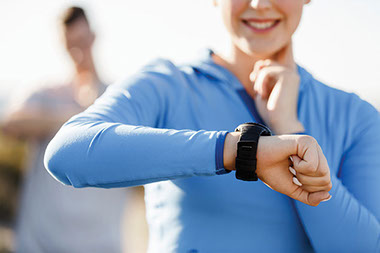
    Image of female checking heart rate.

    When it comes to getting a good workout, no two people are alike. Age, health status, fitness level, and many other factors can play a role in how hard you can – or should – exercise.

    Your target heart rate can tell you if you’re exercising hard enough to burn calories, but not too hard. Your target heart rate is how fast you want your heart to beat during exercise.

    You can find your target heart rate by following these steps:

    1. Get a stopwatch or use a watch or clock that has a second hand.

    2. Periodically during exercise, put two fingers on a pulse point. This can be the inside of your wrist on the thumb side, the inside of your elbow, or the side of your neck.

    3. Count how many times your heart beats in 60 seconds.

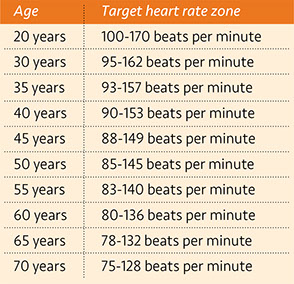
    Next, find your age in the chart and see if your heart rate is within the target heart rate zone listed. If it’s higher than the zone, take your workout down to an easier level. If it’s below, you may be able to exercise a little harder.

    Chart of Target Heart Rate Zone.

    If you’re just starting out with exercise, aim for the lower end of the range. After a few weeks, you can gradually work up to a higher heart rate within the zone.

    People who have heart conditions or other health problems should discuss any exercise or fitness activities with their doctor before starting. Certain medications that treat heart and blood pressure disease can cause a lower heart rate. Discuss your medications with your physician before trying to reach your maximum heart rate.

    Heart rate and blood pressure explained

    Heart rate and blood pressure are not the same thing. Blood pressure is the force of blood moving through your body. Heart rate or pulse is simply the number of times your heart beats per minute.

    A faster heart rate does not necessarily mean your blood pressure is rising. When the heart rate speeds up, blood vessels get bigger, allowing more blood to move through. This means many people can safely raise their heart rate during exercise without affecting their blood pressure.

    Talk to your doctor about blood pressure and get it checked yearly. Most people with high blood pressure can and should exercise with their doctor’s approval.

    Source: American Heart Association
    © American Institute for Preventive Medicine

  • If You Have A Cold, Should You Exercise?

    BE FIT

    Image of women sick in bed.

    Yes and no. Moderate exercise (30 minutes a day, on most, if not all, days of the week) actually lowers your risk for respiratory infections, said David C. Nieman from the American College of Sports Medicine. But prolonged, intense exercise, on the other hand, can weaken your immune system and allow viruses to gain a foothold and spread. If you’re already sick with a respiratory infection (common cold or flu), approach exercise cautiously during your illness. To help you decide whether to hit the gym or stay in bed, Dr. Nieman says this:

    DOexercise moderately if your cold symptoms are confined to your head. If you’re dealing with a runny nose or sore throat, moderate exercise is okay. Intense exercise can be continued a few days after symptoms go away (in cases of the common cold).

    DON’Tsweat out your illness. Exercise during an illness does NOT help cure it.

    DOstay in bed if your illness has spread beyond your head. Respiratory infections, fever, swollen glands, and extreme aches and pains all indicate that you should rest up, not work out.

    DON’Tjump back in too soon. If you’re recovering from a more serious bout of cold or flu, gradually ease back into exercise after at least 2 weeks of rest.

    “In general, if your symptoms are from the neck up, go ahead and take a walk,” said Dr. Nieman. “But if you have a fever or general aches and pains, rest up and let your body get over the illness.”

    © American Institute for Preventive Medicine