Tag: exercise

  • Slash Your Cholesterol Levels

    SELF-CARE CORNER

    Illustration of a heart with a pop out illustration of a build up in an artery.

    Many people don’t really know what cholesterol is, or why it matters for your health.

    If your cholesterol levels are too high, you are at an increased risk of heart attack and stroke. This is because too much “bad” LDL cholesterol causes a hard buildup inside your arteries known as plaque. If this buildup breaks loose, it can block an artery to your brain or your heart.

    The good news is there are a number of ways to help lower your cholesterol to a healthy level. Your doctor can help you decide what you need. Medicines can help, but there are also natural ways you can slash your cholesterol. They include:

    *Don’t eat trans fats.Transfats are listed on food labels and are known to raise “bad” LDL cholesterol levels. They are found in processed foods such as doughnuts, cookies, biscuits, pies, crackers and margarines. Be sure to check the Nutrition Facts panel for trans fats and avoid them whenever possible.

    *Cut back on saturated fats.These are found in meat and dairy products. They are okay to eat in small amounts. The American Heart Association recommends up to 6 percent of your daily calories be from saturated fat.

    *Eat “good” fats. Some fats are good for your cholesterol.They include monounsaturated and polyunsaturated fats. These are found in plant foods and oils such as canola, olive, safflower and grapeseed oils. Avocado, seeds and nuts are also great sources. Fatty fish, such as salmon, also include heart-healthy fats known as omega-3s.

    *Eat colorful fruits and vegetables.Brightly colored berries, dark green spinach, orange sweet potatoes and more: colors are good for lowering cholesterol! Eat plenty of bright produce for a boost in cholesterol-lowering nutrients.

    *Cut back on sugar and refined grains.Sweets, white bread, and anything that contains added sugar should be limited. These foods don’t help your heart or your overall health.

    Sources: American Heart Association; Harvard Medical School

    When to check your cholesterol

    Your cholesterol can be checked with a simple blood test. High cholesterol has no symptoms, so you won’t know you have it unless you get checked. The American Heart Association says adults age 20 and older should have their cholesterol checked every four to six years. Some people may need it checked more often. See your doctor for regular checkups to discuss your cholesterol and other heart disease risk factors.

    © American Institute for Preventive Medicine

  • Stay In The Game

    SELF-CARE CORNER

    Image of older man wearing knee pads while holding a helmet.

    Although many athletes understand the importance of keeping their muscles and bones healthy, it’s also important for them to take care of their skin. Sports equipment, especially protective helmets and pads, creates a warm, moist and dark environment for the germs that can cause skin infections to grow.

    “Athletes are at an increased risk of skin infection, which can have serious consequences and may take them-and their teammates-out of the game for days, weeks or months,” said dermatologist Jeffrey V. Benabio. “If athletes notice anything on their skin that itches, burns or may be infected, they should see a board-certified dermatologist or sports medicine doctor.”

    To help prevent skin infections, Dr. Benabio recommends that coaches, athletes, and athletic trainers follow these tips:

    *  Keep cuts and scrapes clean and covered with a bandage until healed. A cut or scrape weakens the skin’s defense and allows germs that cause infections to enter.

    *  Prevent blisters to reduce infections. Apply a pad, gel or spray to areas that routinely blister. To help prevent blisters on the feet, ankles and hands, consider using specialized gloves and socks or wearing two pairs of socks. Athletes should also make sure that their footwear fits properly.

    *  Wear moisture-wicking clothes. This helps keep the athlete’s skin dry and prevents germs from growing.

    *  Wear sandals in the locker room. Wearing sandals or other shoes helps reduce infections on the feet.

    *  Shower after every practice and game. In addition, athletes should use an antimicrobial soap and wash their entire body.

    *  Do not share personal care items. Athletes should always use a clean towel after showering and use their own towels, soaps, razors and other personal care items.

    *  Wash clothes and towels after each use. Sports bags should also be washed, as germs that cause infections can remain in the bags and grow.

    *  Disinfect equipment, including protective gear, daily. For proper disinfection, follow the manufacturers’ instructions.

    *  Perform regular skin checks. Athletes should check their skin daily, especially those in high-risk sports, such as wrestling. Look for any changes, such as cuts, sores, redness, swelling and pus, and report any changes to an athletic trainer or doctor.

    © American Institute for Preventive Medicine

  • Ways To Improve Heart Health

    HEALTHY EATING

    Images of fruits and vegetables shaped into a heart.

    (With ingredients in the foods you already eat)

    Poor diet increases the risk of high blood pressure, high cholesterol, and poor circulation-3 major factors that affect overall heart health. Know which nutrients and foods in your diet may decrease risk for heart disease-the number one cause of death in the U.S.

    Phytosterols:Compounds similar to cholesterol that are found in all edible plants. They help reduce low density lipoprotein (LDL) cholesterol, which is a main risk factor for heart disease.

    Cocoa flavanols:Can help maintain the elasticity of blood vessels, which contributes to normal blood flow. Quite simply: dark chocolate.

    Omega-3 fatty acids:Primarily found in fish. Have been shown to decrease triglyceride levels, potentially lowering blood pressure.

    Hydroxytyrosol:An antioxidant found in olive oil, protects blood lipids (fats) from oxidative damage.

    Blueberries: May reduce high blood pressure.

    Oat beta-glucan:Daily consumption of at least 3 grams (your morning cereal) effectively lowers cholesterol.

    Grape seed extract:Shown to support blood pressure within a normal range. This is ground up seeds from red wine grapes.

    Vitamin K:Helps to keep excess calcium out of blood vessel walls and improve cardiovascular health. Found in green leafy vegetables.

    Dairy:Daily consumption of low-fat milk products decreases the risk of high blood pressure.

    Almonds:Improves serum fatty acid profiles and decreases the overall risk of heart disease (a handful a day).

    Walnuts:Good source of omega-3 fatty acids and alpha linolenic acid (ALA) which help your heart by preventing dangerous heart rhythms that can lead to heart attacks.

    © American Institute for Preventive Medicine

  • Six Ways To Build Better Brainpower

    Mature Health: Over Age 50

    Image of adults writing and using a computer.

    Research shows that older adults who lead active, stimulating lives keep their brains fit and healthy, too. Your mind needs “exercise,” just like the rest of your body.

    Some mind-stimulating tips include:

    *  Learn something new-or try something different-every day. Studies show that curiosity keeps people mentally sharp.

    *  Play mind-stretching games such as Scrabble, chess, and cards.

    *  Do the crossword puzzle in the daily newspaper.

    *  Read books and magazine articles about subjects of interest to you.

    *  Attend lectures, plays, and exhibits, and watch educational television.

    *  Use memory aids, such as appointment calendars, “to do” lists, and Post-it notes.

    Also, concentrate on what people say, repeat what you want to remember out loud, and associate an action with an object (like leaving your tote bag near the door so you remember to take it with you when you leave).

    A Year of Health Hints book by the American Institute for Preventive Medicine. www.HealthyLife.com. All rights reserved.

    © American Institute for Preventive Medicine
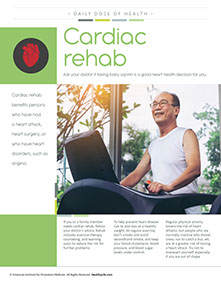
  • Cardiac Rehab

    Heart & Circulation Problems

    Smiling women with laptop.

    Ask your doctor if taking baby aspirin is a good heart health decision for you.

    Cardiac rehab benefits persons who have had a heart attack, heart surgery, or who have heart disorders, such as angina.

    If you or a family member needs cardiac rehab, follow your doctor’s advice. Rehab includes exercise therapy, counseling, and learning ways to reduce the risk for further problems.

    To help prevent heart disease: Get to and stay at a healthy weight; do regular exercise; don’t smoke and avoid secondhand smoke; and keep your blood cholesterol, blood pressure, and blood sugar levels under control.

    Regular physical activity lowers the risk of heart attacks, but people who are normally inactive who shovel snow, run to catch a bus, etc. are at a greater risk of having a heart attack. Try not to overexert yourself, especially if you are out of shape.

    Health at Home Lifetime book by the American Institute for Preventive Medicine. www.HealthyLife.com. All rights reserved.

    © American Institute for Preventive Medicine

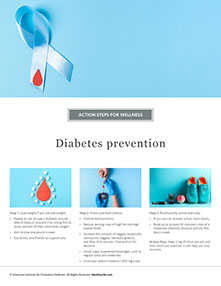
  • Diabetes Prevention

    Diabetes Education

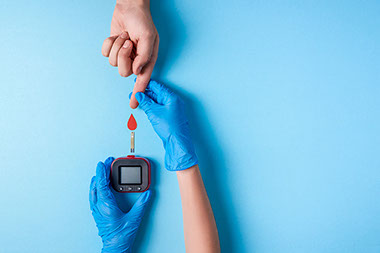
    Gloved hands, helping another hand check blood sugar level.

    Step 1: Lose weight if you are overweight.

    *  People at risk of type 2 diabetes may be able to delay or prevent it by losing five to seven percent of their total body weight.

    *  Aim to lose one pound a week.

    *  Ask family and friends to support you.

    Step 2: Make wise food choices.

    *  Control food portions.

    *  Reduce serving sizes of high fat and high calorie foods.

    *  Increase the amount of veggies (especially nonstarchy veggies, like leafy greens), and fiber that you eat. Choose fruit for desserts.

    *  Avoid sugar sweetened beverages, such as regular soda and sweet tea.

    *  Limit your sodium intake to 1,500 mg a day.

    Step 3: Be physically active every day.

    *  If you are not already active, start slowly.

    *  Build up to at least 30 minutes a day of a moderate-intensity physical activity five days a week.

    Action Step:Keep a log of what you eat and how much you exercise. It will help you stay on track.

    Health at Home Lifetime book by the American Institute for Preventive Medicine. www.HealthyLife.com. All rights reserved.

    © American Institute for Preventive Medicine
  • Smart Ways To Exercise During Pregnancy

    Pregnancy & Prenatal Care

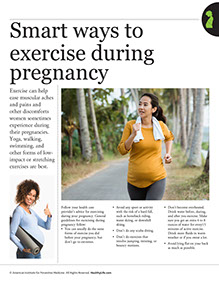
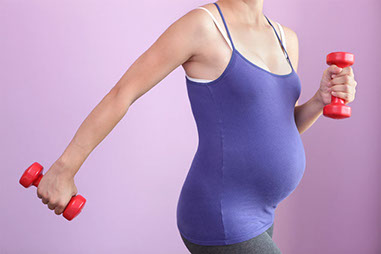
    Image of pregnant women exercising with dumb bells.

    Exercise can help ease muscular aches and pains and other discomforts women sometimes experience during their pregnancies. Yoga, walking, swimming, and other forms of low-impact or stretching exercises are best.

    Follow your health care provider’s advice for exercising during your pregnancy. General guidelines for exercising during pregnancy follow:

    *  You can usually do the same forms of exercise you did before your pregnancy, but don’t go to extremes.

    *  Check your pulse when you exercise. In general, your heart rate should stay below 140 beats a minute.

    *  Avoid any sport or activity with the risk of a hard fall, such as horseback riding and water skiing.

    *  Don’t do exercises that involve jumping, twisting, or bouncy motions.

    *  Don’t become overheated. Drink water before, during, and after you exercise. Make sure you get an extra 4 to 8 ounces of water for every 15 minutes of active exercise. Drink more fluids in warm weather or if you sweat a lot.

    *  After the 20th week of pregnancy, avoid exercises in which you lie flat on your back.

    A Year of Health Hints book by the American Institute for Preventive Medicine. www.HealthyLife.com. All rights reserved.

    © American Institute for Preventive Medicine
  • Tips For A Healthier, Easier Pregnancy

    Pregnancy & Prenatal Care

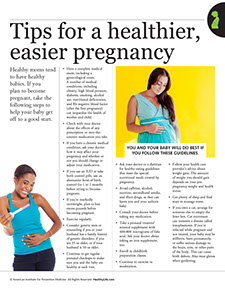
    Close up image of 4 pregnant bellies.

    Healthy moms tend to have healthy babies. If you plan to become pregnant, take the following steps to help your baby get off to a good start.

    *  Have a complete medical exam, including a gynecological exam. A number of medical conditions, including obesity, high blood pressure, diabetes, smoking, alcohol use, nutritional deficiencies, and Rh negative blood factor (after the first pregnancy) can jeopardize the health of mother and child.

    *  Check with your doctor about the effects of any prescription or over-the-counter medication you take.

    *  If you have a chronic medical condition, ask your doctor how it may affect your pregnancy and whether or not you should change or adjust your medication.

    *  If you use an IUD or take birth control pills, use an alternative form of birth control for 1 to 2 months before trying to become pregnant.

    *  If you’re markedly overweight, plan to lose excess pounds before becoming pregnant.

    *  Exercise regularly.

    *  Consider genetic tests or counseling if you or your husband has a family history of genetic disorders, if you are 35 or older, or if your husband is 50 or older.

    You and your baby will do best if you follow these guidelines.

    *  Ask your doctor or a dietitian to outline a meal plan that meets the special nutritional needs created by pregnancy.

    *  Avoid caffeine, alcohol, nicotine, and illicit drugs, as they can harm you and your unborn baby.

    *  Consult your doctor before taking any medication.

    *  Ask your doctor what prenatal vitamin/mineral supplement you should take.

    *  Follow your health care provider’s advice about weight gain. The amount of weight you gain should depend on your pre-pregnancy weight and health status, as well as your ethnic background. If you are very overweight, plan to lose excess pounds before you get pregnant.

    *  Continue to exercise in moderation.

    *  Practice relaxation and other stress management techniques. (Doctors think emotional stress may constrict the blood supply to the uterus and placenta, the baby’s only source of oxygen and nutrients.)

    *  Enroll in childbirth preparation classes.

    *  If you own a cat, arrange for someone else to empty the litter box. Cat excrement can transmit a disease called toxoplasmosis. If you’re infected while pregnant, your baby may be stillborn, born prematurely, or suffer serious damage to the brain, eyes, or other parts of the body.

    A Year of Health Hints book by the American Institute for Preventive Medicine. www.HealthyLife.com. All rights reserved.

    © American Institute for Preventive Medicine
  • Be Physically Active

    Healthylife® Weigh

    Part 5

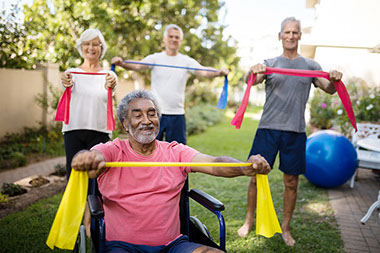
    Group of friends outside exercising.

    All physical activity has benefits for the body and mind. This section will help you find reasons to be active that go beyond weight management. This section will also help you to:

    *  Add variety to the physical activity you already enjoy.

    *  Value different types of activity that have different benefits.

    *  Make a plan to be more physically active.

    *  Manage time and other barriers to do physical activity.

    *  Develop a healthy relationship with your body.

    *  Appreciate what your body is capable of doing.

    HealthyLife® Weigh

    QUICK LINKS: PART 5

    Current Exercise Habits

    Find Reasons to Care About Physical Activity

    Mental Health

    Energy, Learning, Focus

    Physical Health

    Exercise and Sleep

    Reduce Sit-Time

    Do Activities You Enjoy

    Types of Physical Activity

    Cardio Training

    Resistance Training

    Stretching & Rehabilitation

    Yoga

    Massage

    Avoid Injury

    Appreciate the Journey

    Set Fitness Goals

    Plan Physical Activity

    Tackle Limitations

    Injury and Disability

    Manage Your Time

    Set Up for Success

    What Are You Waiting For?

    Responsibility for Change

    Create “If, Then” Plans

    Exercise and Eating

    Eating and Body Image

    How Do You View Your Body?

    Identify Disordered Eating

    Review and Prepare

    © American Institute for Preventive Medicine
  • 10 Habits For Healthy Weight

    SELF-CARE CORNER

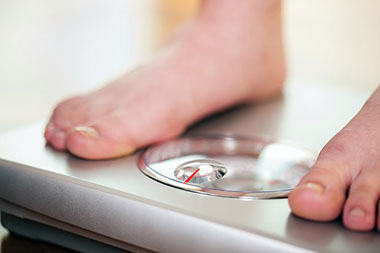
    Image of feet on a scale.

    1.  Drink more water. Staying hydrated can give you more energy to be active.

    2.  Don’t drink soda. Sugary drinks add extra calories and no nutrition. Try to cut back or skip them all together.

    3.  Get exercise. Don’t worry about getting exercise every single day. If you miss a day or two, start again. Don’t give up.

    4.  Eat more fruits and vegetables. Replace high-calorie foods like French fries, potato chips or processed foods with fresh or frozen fruits and veggies.

    5.  Focus on sleep. Being rested helps control hunger and may help you prevent weight gain.

    6.  Eat only when hungry. Treats are tempting but save them for special occasions.

    7.  Control food portions. Start with small amounts of food on your plate and eat slowly. Then, go back for more food only if you’re still hungry.

    8.  Keep a food diary. Write down everything you eat. This may help you understand where you could make better food choices. You can also use an app on your phone or computer to do this.

    9.  Don’t eat in front of the TV. Instead, eat without distractions at a table. This can help you avoid mindless overeating.

    10. Try strength training. Exercises like leg lifts and push-ups build muscle. This helps you burn more calories, even while resting.

    Look for more healthy, proven ways to lose weight atwww.familydoctor.org. This website has advice on healthy food choices, exercise basics, and more.

    © American Institute for Preventive Medicine