Tag: Eye Conditions

  • Clear Facts On Eye Drops

    SELF-CARE CORNER

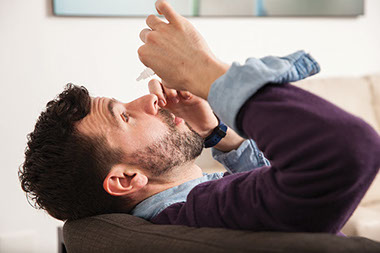
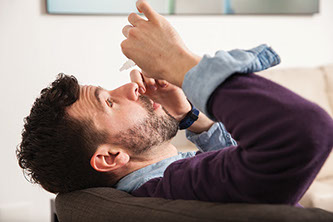
    Image of man placing eye drop in eye.

    Staring at a computer, dry winter air, cold temperatures, allergies, medications. A number of things can make eyes red, dry or uncomfortable.

    Many people turn to a bottle of eye drops for quick relief. But, if you use eye drops often, there are a few things you should know.

    Seeing red

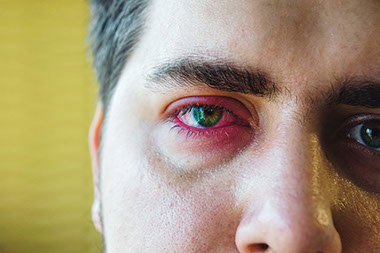
    Redness relief eye drops contain an ingredient that shrinks blood vessels in the eye, giving you that bright-eyed effect. But, these drops can be harmful if you overuse them.

    Using redness drops frequently can cause a “rebound” effect, making the redness even worse. Then you feel like you have to use the drops more and more to control the redness.

    Don’t use redness relief drops on a regular basis. If your eyes are often red, you should see an eye care professional to get to the root cause.

    Artificial tears

    Artificial tear eye drops are generally safe to use regularly. They don’t contain any active ingredients. Instead, they are designed to mimic your own tears. These work well for occasional dryness or discomfort.

    Keep an eye on preservatives

    Many eye drops contain preservatives. These keep germs from growing in the drops. They allow you to use the same bottle of drops for a longer period of time.

    Some people find that the preservatives in eye drops make their eyes itchy or irritated. If you notice any burning or stinging after using eye drops, even artificial tears, stop using them.

    Preservative-free eye drops are available. These work well for people who are sensitive to preservatives. They are usually in small single-use vials that come in a pack. You use the vial once and throw it away.

    Eye health red flags

    The best way to keep eyes healthy is to see your eye health professional regularly. Ask your optometrist or ophthalmologist how often they should see you. It will depend on your age, any health issues and your eye health history.

    Call your eye professional right away if you notice:

    *  Pain or itching in the eye

    *  Redness that won’t go away

    *  Dry eyes that aren’t relieved with artificial tears

    *  Changes in vision, such as not seeing as well

    *  Cloudy or blurry vision

    *  Floaters or other spots in your vision

    Source: American Academy of Ophthalmology
    © American Institute for Preventive Medicine
  • Irritated Eyelids And Blepharitis

    SELF-CARE CORNER

    Grandfather and grandson flexing arms.

    You might not think about your eyelids very much. That is, until there’s a problem with them. Blepharitis, a common eyelid condition, can cause irritated, red, itchy eyelids. It can also cause flaking on the eyelids.

    What causes blepharitis?

    Blepharitis usually happens when bacteria on the skin become unbalanced. Certain things can trigger this bacteria growth, including:

    *  Allergies

    *  Mites

    *  Dandruff

    *  Oily skin

    *  Rosacea

    Signs and symptoms

    Blepharitis can feel different to different people. Blepharitis symptoms include:

    *  Watery eyes or extra tearing

    *  Red and swollen eyelids

    *  Dry eyes

    *  Crusting of the eyelids

    *  Itching

    *  Blurry vision

    Self-care

    Most people can manage blepharitis with self-care at home. Here’s how:

    *  Wash your hands. Then apply a warm, moist compress to each eyelid twice a day. Use a clean cloth for each eye.

    *  Gently scrub the eyelids with water and baby shampoo or a gentle eyelid cleanser.

    *  Rinse thoroughly with clean, warm water and dry with a clean towel.

    *  If you have dandruff, wash your hair with anti-dandruff shampoo on a regular basis.

    *  Avoid using eye makeup or wearing contact lenses until blepharitis symptoms are gone.

    Is blepharitis dangerous?

    Blepharitis isn’t usually dangerous. But its symptoms can be painful or bothersome. Sometimes blepharitis can cause other eye problems, such as:

    *Stye:A red, painful bump on the eyelid caused by a blocked oil gland.

    *Chalazion:A red bump on the eyelid that doesn’t hurt.

    *Cornea damage:The cornea is the clear outer layer of the eye.

    If blepharitis doesn’t get better with self-care measures, contact your doctor. In some cases, you may need special eye drops or antibiotic ointment. Always ask your doctor before using any drops or other products in your eyes.

    Sources: American Academy of Ophthalmology, National Institutes of Health

    © American Institute for Preventive Medicine
  • Is Lasik Right For You?

    SELF-CARE CORNER

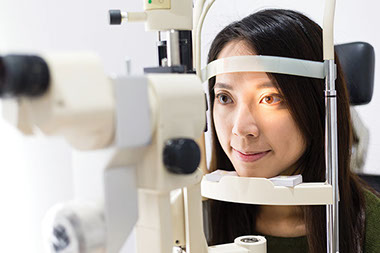
    Female getting her eyes examied.

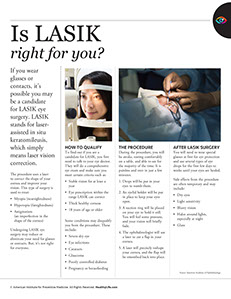
    If you wear glasses or contacts, it’s possible you may be a candidate for LASIK eye surgery. LASIK stands for laser-assisted in situ keratomileusis, which simply means laser vision correction.

    The procedure uses a laser to correct the shape of your cornea and improve your vision. This type of surgery is used to treat:

    *  Myopia (nearsightedness)

    *  Hyperopia (farsightedness)

    *  Astigmatism (an imperfection in the shape of the cornea)

    Undergoing LASIK eye surgery may reduce or eliminate your need for glasses or contacts. But, it’s not right for everyone.

    How to qualify

    To find out if you are a candidate for LASIK, you first need to talk to your eye doctor. They will do a comprehensive eye exam and make sure you meet certain criteria such as:

    *  Stable vision for at least a year

    *  Eye prescription within the range LASIK can correct

    *  Thick healthy corneas

    *  18 years of age or older

    Some conditions may disqualify you from the procedure. These include:

    *  Severe dry eye

    *  Eye infections

    *  Cataracts

    *  Glaucoma

    *  Poorly controlled diabetes

    *  Pregnancy or breastfeeding

    The procedure

    During the procedure, you will be awake, resting comfortably on a table, and able to see for the majority of the time. It is painless and over in just a few minutes.

    1.  Drops will be put in your eyes to numb them.

    2.  An eyelid holder will be put in place to keep your eyes open.

    3.  A suction ring will be placed on your eye to hold it still. You will feel some pressure, and your vision will briefly fade.

    4.  The ophthalmologist will use a laser to cut a flap in your cornea.

    5.  A laser will precisely reshape your cornea, and the flap will be smoothed back into place.

    After LASIK surgery

    You will need to wear special glasses at first for eye protection and use several types of eye drops for the first few days to weeks until your eyes are healed.

    Side effects from the procedure are often temporary and may include:

    *  Dry eyes

    *  Light sensitivity

    *  Blurry vision

    *  Halos around lights, especially at night

    *  Glare

    Source: American Academy of Ophthalmology

    © American Institute for Preventive Medicine
  • Keeping An Eye Out For Cataracts

    SELF-CARE CORNER

    Eye doctor examining patients eye.

    Most people will have cataracts by the age of 80. But they don’t have to mean loss of vision. They are treatable.

    What is a cataract?

    A normal lens inside the eye is clear. Cataracts happen when the proteins in the eye’s lens start to break down. Then they clump together. This causes cloudiness and problems with your vision.

    Cataracts may occur with normal aging. But they can also happen after an eye injury or if you had eye surgery.

    Signs of cataracts

    People often notice changes in vision when cataracts start to form. These changes include:

    *  Blurry or distorted vision

    *  Being sensitive to light

    *  Seeing a “halo” around lights

    *  Seeing double

    *  Trouble seeing at night or in dimly lit rooms

    *  Seeing colors as dull or yellow-tinted

    Prevention

    The best way to help prevent cataracts is with eye sun protection. Wear sunglasses that block out 100 percent of UV rays when you’re outside during the day. Not all sunglasses offer 100 percent UV protection. Check the packaging to be sure. Wear a wide-brimmed hat to keep sun off your face.

    Smoking increases the risk for cataracts, so quit smoking. Get help quitting if you need it.

    Finally, get a dilated eye exam regularly. Ask your eye care specialist or doctor how often you need one.

    Seeing a doctor

    If you think you might have cataracts, talk to a doctor. You may need an eye exam from an optometrist or ophthalmologist. During the exam, your eye care specialist can perform tests to look for cataracts.

    Treatment options

    If your doctor finds cataracts, don’t panic. There are ways to treat them.

    First, your doctor may recommend new glasses or contacts for mild symptoms. You may also find that using brighter lights or a magnifying lens is helpful for reading or working.

    If your cataracts are interfering with life, you may need surgery. Cataracts surgery involves putting a new artificial lens in the eye. It is a safe surgical procedure and works well for most people.

    Sources: American Academy of Ophthalmology, National Eye Institute

    © American Institute for Preventive Medicine
  • Keeping An Eye Out For Retinal Detachment

    SELF-CARE CORNER

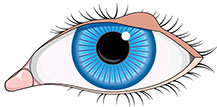
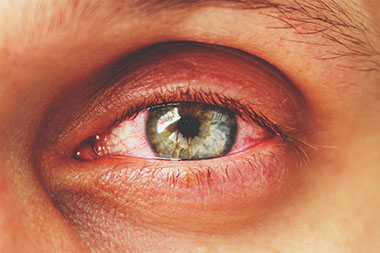
    Close up of eye.

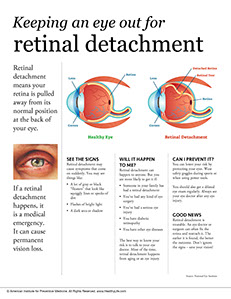
    Retinal detachment means your retina is pulled away from its normal position at the back of your eye. If a retinal detachment happens, it is a medical emergency. It can cause permanent vision loss.

    See the signs

    Retinal detachment may cause symptoms that come on suddenly. You may see things like:

    *  A lot of gray or black “floaters” that look like squiggly lines or specks of dirt

    *  Flashes of bright light

    *  A dark area or shadow

    Will it happen to me?

    Retinal detachment can happen to anyone. But you are more likely to get it if:

    *  Someone in your family has had a retinal detachment

    *  You’ve had any kind of eye surgery

    *  You’ve had a serious eye injury

    *  You have diabetic retinopathy

    *  You have other eye diseases

    The best way to know your risk is to talk to your eye doctor. Most of the time, retinal detachment happens from aging or an eye injury.

    Can I prevent it?

    You can lower your risk by protecting your eyes. Wear safety goggles during sports or when using power tools.

    You should also get a dilated eye exam regularly. Always see your eye doctor after any eye injury.

    Good news

    Retinal detachment is treatable. An eye doctor or surgeon can often fix the retina and reattach it. The earlier it is found, the better the outcome. Don’t ignore the signs – save your vision!

    Source: National Eye Institute

    © American Institute for Preventive Medicine
  • Shopping Around For Contact Lenses

    FINANCIAL HEALTH

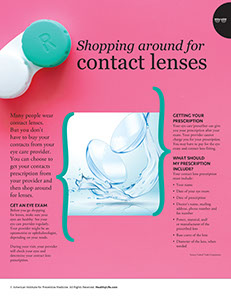
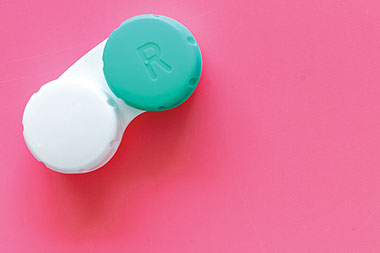
    Contact case holder.

    Many people wear contact lenses. But you don’t have to buy your contacts from your eye care provider. You can choose to get your contacts prescription from your provider and then shop around for lenses.

    Get an eye exam

    Before you go shopping for lenses, make sure your eyes are healthy. See your eye care provider regularly. Your provider might be an optometrist or ophthalmologist, depending on your needs.

    During your visit, your provider will check your eyes and determine your contact lens prescription.

    Getting your prescription

    Your eye care prescriber can give you your prescription after your exam. Your provider cannot charge you for your prescription. You may have to pay for the eye exam and contact lens fitting.

    What should my prescription include?

    Your contact lens prescription must include:

    *  Your name

    *  Date of your eye exam

    *  Date of prescription

    *  Doctor’s name, mailing address, phone number and fax number

    *  Power, material, and/or manufacturer of the prescribed lens

    *  Base curve of the lens

    *  Diameter of the lens, when needed

    Source: Federal Trade Commission

    © American Institute for Preventive Medicine
  • Cataracts Can Be Treated

    MEDICAL NEWS

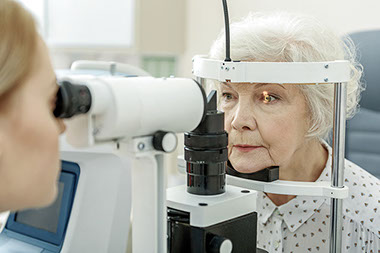
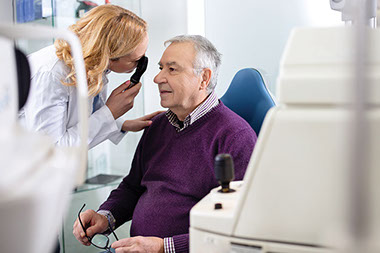
    Elderly women getting her eyes checked by a doctor.

    The eye has a clear lens inside that allows you to focus on things. But, as we get older, the lens may not be clear anymore. Proteins inside the lens stick together, causing a cloudy spot. This is a cataract.

    Cataracts are common. More than half of people age 80 and over have cataracts or had cataract surgery.

    What causes cataracts?

    Cataracts cannot always be prevented. Many people get them simply from getting older. This is because proteins in the eye’s lens start to break down with time.

    But there are some things you can do to reduce your risk of getting cataracts:

    *  Get regular eye exams.

    *  Don’t smoke – or quit if you do smoke.

    *  Limit or avoid alcohol.

    *  Protect your eyes with proper sunglasses and hats that shield the sun.

    *  Eat a healthy diet and get exercise. This can help prevent diabetes and high blood pressure, which may cause cataracts.

    Do I have cataracts?

    Many people don’t realize they have cataracts. This is because changes in vision happen very slowly over time.

    People who have cataracts may notice:

    *  Colors look faded or yellowed; things look blurry or cloudy

    *  Seeing a “halo” around lights

    *  It’s harder to read without a very bright light

    *  Trouble with night vision

    *  Double vision in one eye

    What can I do about cataracts?

    While cataracts may take away your clear vision, there is good news. Many cataracts can be corrected with surgery.

    The operation usually takes less than an hour. The doctor will replace the cloudy lens with a clear artificial lens. Usually, no stitches are needed. You may also have the surgery without general anesthesia, or being put to sleep. The doctor will numb the eye area so you won’t feel anything.

    People usually have only minor pain afterward. You may need to use eye drops after surgery to help the eye heal, or wear a protective eye shield when you sleep. Your doctor can let you know when it is safe for you to drive and do other activities.

    In most cases, the eye is totally healed within a few weeks and vision is much better.

    Sources: American Academy of Ophthalmology, National Eye Institute

    © American Institute for Preventive Medicine
  • See The Light In Healthy Ways

    Eye Conditions

    Women wearing sunglasses with a huge smile.

    *  Compact fluorescent light bulbs (CFLs) uses 75% less energy and last 10 times longer than incandescent bulbs, but contain tiny amounts of mercury. Recycle them according to your state’s guidelines. To safely dispose of a broken CFL, follow EPA guidelines fromepa.gov/hg.

    *  Wear eyewear that protects your eyes from ultraviolet (UV) light when it is sunny and even on cloudy days. Choose sunglasses that block 99 to 100% of both UVA and UVB rays.

    *  Wear a wide-brimmed hat during outdoor activities.

    *  Open blinds and curtains to let daylight fill rooms during the day.

    *  Install a skylight or solar panels for light and warmth and to save on cooling, heating, and lighting costs.

    *  Turn off lights when not in use. Install motion sensors, timers, and task lighting to save on light usage. One to two hours before bedtime, dim the lights.

    *  Wear protective eyewear during sporting events. Before mowing the lawn, look for and remove debris.

    Health at Home Lifetime book by the American Institute for Preventive Medicine. www.HealthyLife.com. All rights reserved.

    © American Institute for Preventive Medicine
  • Stye

    Eye Conditions

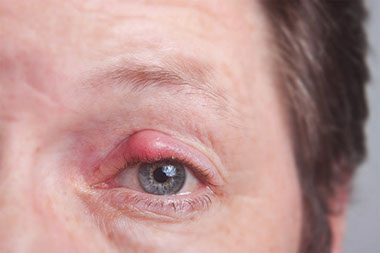
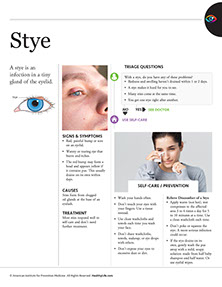
    Close up image of eye with a stye.

    A stye is an infection in a tiny gland of the eyelid.

    Illustration of a stye.

    Signs & Symptoms

    *  Red, painful bump or sore on an eyelid.

    *  Watery or tearing eye that burns and itches.

    *  The red bump may form a head and appears yellow if it contains pus. This usually drains on its own within days.

    Causes

    Sties form from clogged oil glands at the base of an eyelash.

    Treatment

    Most sties respond well to self-care and don’t need further treatment.

    Questions to Ask

    Self-Care / Prevention

    *  Wash your hands often.

    *  Don’t touch your eyes with your fingers. Use a tissue instead.

    *  Use clean washcloths and towels each time you wash your face.

    *  Don’t share washcloths, towels, makeup, or eye drops with others.

    *  Don’t expose your eyes to excessive dust or dirt.

    To Relieve the Discomfort of a Stye

    *  Apply warm (not hot), wet compresses to the affected area 3 to 4 times a day for 5 to 10 minutes at a time. Use a clean washcloth each time.

    *  Don’t poke or squeeze the stye. A more serious infection could occur.

    *  If the stye drains on its own, gently wash the pus away with a clean, wet cloth.

    Healthier at Home book by the American Institute for Preventive Medicine. www.HealthyLife.com. All rights reserved.

    © American Institute for Preventive Medicine
  • Tips To Protect Your Eyes

    Eye Conditions

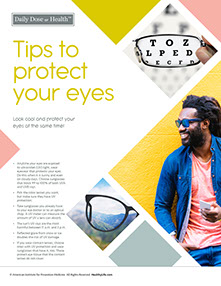
    Man smiling wearing dark sunglasses.

    Look cool and protect your eyes at the same time!

    *  Anytime your eyes are exposed to ultraviolet (UV) light, wear eyewear that protects your eyes. Do this when it is sunny and even on cloudy days. Choose sunglasses that block 99 to 100% of both UVA and UVB rays.

    *  Pick the color lenses you want, but make sure they have UV protection.

    *  Take sunglasses you already have to your eye doctor or to an optical shop. A UV meter can measure the amount of UV a lens can absorb.

    *  The sun’s UV rays are the most harmful between 11 a.m. and 3 p.m.

    *  Reflected glare from snow or ice doubles the risk of UV damage.

    *  If you wear contact lenses, choose ones with UV protection and wear sunglasses that have it, too. These protect eye tissue that the contact lenses do not cover.

    Health at Home Lifetime book by the American Institute for Preventive Medicine. www.HealthyLife.com. All rights reserved.

    © American Institute for Preventive Medicine