Tag: family

  • Infant Safety

    Child Safety

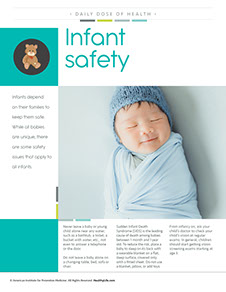
    Young baby wearing blue hat and wrapped in blue blanket.

    Infants depend on their families to keep them safe. While all babies are unique, there are some safety issues that apply to all infants.

    Never leave a baby or young child alone near any water, such as a bathtub, a toilet, a bucket with water, etc., not even to answer a telephone or the door.

    Do not leave a baby alone on a changing table, bed, sofa or chair.

    Sudden Infant Death Syndrome (SIDS) is the leading cause of death among babies between 1 month and 1 year old. To reduce the risk, place a baby to sleep on its back with a wearable blanket on a flat, sleep surface, covered only with a fitted sheet. Do not use a blanket, pillow, or add toys.

    From infancy on, ask your child’s doctor to check your child’s vision at regular exams. In general, children should start getting vision screening exams starting at age 3.

    A Year of Health Hints book by the American Institute for Preventive Medicine. www.HealthyLife.com. All rights reserved.

    © American Institute for Preventive Medicine

  • Medical History Chart

    Medical History

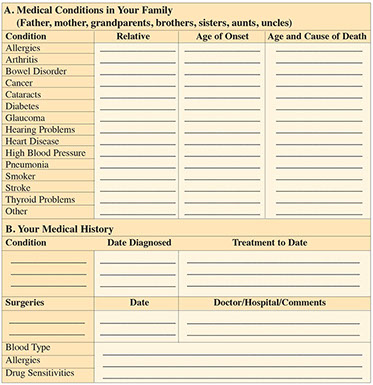
    Medical history chart.
    Page from the Health at Home Lifetime book by the American Institute for Preventive Medicine. www.HealthyLife.com. All rights reserved.

    © American Institute for Preventive Medicine

  • Fun Ways To Reduce Family Stress

    SUCCESS OVER STRESS

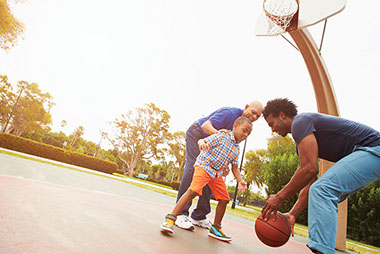
    Grandfather, father, and young son playing basketball.

    Spending time with people you care about can be a powerful stress reliever. This is true for every person in your family. Finding activities you all enjoy can strengthen family bonds, reduce everyone’s stress, and bring more fun into your life. Here are some stress-relieving activities that can work for the whole family.

    Plan a craft night

    Creative activities are a great way to relax together. Put on some music and get out crafting, drawing, or painting supplies. If you’re not much of a crafter, consider signing up the family for a class or a night out at a local craft shop.

    Play a sport

    Find a sport you all enjoy. Plan a weekly or monthly time to play together as a family. Keep it low stakes and focused on fun. Being active as a family can relieve stress and put everyone in a more positive mood.

    Watch a comedy

    Turn on a show everyone finds funny or look up some silly online videos. Instead of each family member retreating to their own screens, make time to watch something together. Choose something that will get everyone laughing to reduce stress and promote family bonding.

    © American Institute for Preventive Medicine

  • Slow Cooker Tips For Busy Days

    HEALTHY EATING

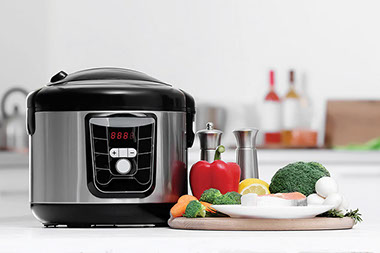
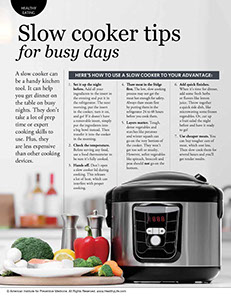
    Slow cooker on counter.

    A slow cooker can be a handy kitchen tool. It can help you get dinner on the table on busy nights. They don’t take a lot of prep time or expert cooking skills to use. Plus, they are less expensive than other cooking devices.

    Here’s how to use a slow cooker to your advantage:

    1.Set it up the night before.Add all your ingredients to the insert in the evening and put it in the refrigerator. The next morning, put the insert in the cooker, turn it on, and go! If it doesn’t have a removable insert, simply put the ingredients into a big bowl instead. Then transfer it into the cooker in the morning.

    2.Check the temperature.Before serving any food, use a food thermometer to be sure it’s fully cooked.

    3.Hands off.Don’t open a slow cooker lid during cooking. This releases a lot of heat, which can interfere with proper cooking.

    4.Thaw meat in the fridge first.The low, slow cooking process may not get the meat hot enough for safety. Always thaw meats first by putting them in the refrigerator 24 to 48 hours before you cook them.

    5.Layers matter.Tough, dense vegetables and starches like potatoes and winter squash can go on the very bottom of the cooker. They won’t get too soft or mushy. However, softer vegetables like spinach, broccoli and peas should not go on the bottom.

    6.Add quick finishes.When it’s time for dinner, add some fresh herbs or flavors like lemon juice. Throw together a quick side dish, like microwaving some frozen vegetables. Or, cut up a fruit salad the night before and have it ready to go!

    7.Use cheaper meats.You can buy tougher cuts of meat, which cost less. Then slow cook them for several hours and you’ll get tender results.

    © American Institute for Preventive Medicine

  • The Abcs Of Traveling With Children

    Healthy Travel

    Image of kids hanging around a camp site.

    Traveling with children can be very trying-you try to keep them from getting tired, bored, hungry, sick, or lost. Here are a few strategies to help you succeed.

    *  Make sure your child has had all immunizations required or recommended for travel.

    *  Have each child wear an identification tag that includes his or her name, plus your name and home address, phone number where you can be reached, and where you’ll be staying. In airports, add the name of your airline, flights, and departure times. The identification tag should be placed inside (not on the outside) of the child’s garments. Tell your child what to do if he or she gets lost.

    *  Take along a child-strength painkiller, motion sickness medication, cold preparations, an antibiotic, and Pedalyte (a medicine that replaces essential body minerals lost due to vomiting and diarrhea).

    *  Dress your child in loose, comfortable travel clothing and shoes.

    *  According to the American Academy of Pediatrics, all children need their own seats on airplanes and children younger than age 2 or weighing less than 40 pounds should be fastened in child restraint seats on an airplane. Parents should choose safety seats that are labeled for use on aircraft.

    *  On long automobile trips, stop every 2 hours and walk around with your child. When flying or traveling by train, take your child for a walk around the coach or cabin.

    *  Help prevent your child from getting motion sickness. Children between the ages of 2 and 12 are more prone to motion sickness than toddlers or teens.

    *  If your child will be flying unaccompanied by an adult, make arrangements with the airline for an adult to escort the child off the plane.

    *  Avoid introducing a young child to a lot of unfamiliar foods away from home.

    *  When traveling in developing countries, repeatedly remind your child about food and beverage safety.

    *  For more information on safe air travel for children, contact the FAA at 1.866.TELL.FAA (835.5322) orwww.faa.gov.

    Page image from A Year of Health Hints book by the American Institute for Preventive Medicine. www.HealthyLife.com. All rights reserved.

    © American Institute for Preventive Medicine

  • Family Matters 2

    Social Health

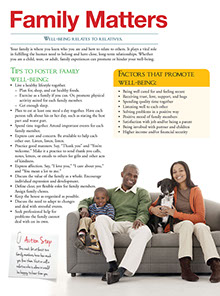
    Well-being relates to relatives.

    Your family is where you learn who you are and how to relate to others. It plays a vital role in fulfilling the human need to belong and have close, long-term relationships. Whether you are a child, teen, or adult, family experiences can promote or hinder your well-being.

    Tips to foster family well-being:

    *  Live a healthy lifestyle together.

    – Plan for, shop, and eat healthy foods.

    – Exercise as a family if you can. Or, promote physical activity suited for each family member.

    – Get enough sleep.

    *  Plan to eat at least one meal a day together. Have each person talk about his or her day, such as stating the best part and worst part.

    *  Spend time together. Attend important events for each family member.

    *  Express care and concern. Be available to help each other out. Listen, listen, listen.

    *  Practice good manners. Say, “Thank you” and “You’re welcome.” Make it a practice to send thank you calls, notes, letters, or emails to others for gifts and other acts of kindness.

    *  Express affection. Say, “I love you,” “I care about you,” and “You mean a lot to me.”

    *  Discuss the value of the family as a whole. Encourage individual expression and development.

    *  Define clear, yet flexible roles for family members. Assign family chores.

    *  Keep the house as organized as possible.

    *  Discuss the need to adapt to changes and deal with stressful events.

    *  Seek professional help for problems the family cannot deal with on its own.

    Factors that promote well-being:

    *  Being well cared for and feeling secure

    *  Receiving trust, love, support, and hugs

    *  Spending quality time together

    *  Listening well to each other

    *  Solving problems in a positive way

    *  Positive mood of family members

    *  Satisfaction with job and/or being a parent

    *  Being involved with partner and children

    *  Higher income and/or financial security

    Action Step

    This week, let at least two family members know how much you love them. Visit or call a relative who is alone or would be happy to hear from you.

    ays to Well-Being book by the American Institute for Preventive Medicine. www.HealthyLife.com. All rights reserved.

    © American Institute for Preventive Medicine

  • Build Support At Home

    Healthylife® Weigh

    Part 4

    Mature couple talking together on sofa.

    Talk to the people you live with about what you are doing. Let them know why you are making these changes. Ask for their support and say “thank you” for things they do that help you.

    *  Set food rules for everyone in the family to follow. This may include eating together at the table and keeping the TV off. Keep phones in another room.

    *  Keep unhealthy snacks in dark containers, out of plain sight.

    *  Encourage positive talk about new meals and snacks in the house. If a new food is disliked, talk about why. A food can be prepared in a different way.

    *  Involve others in meal planning, especially if everyone will be eating the same meals.

    *  Prepare meals together. Adults and children can learn valuable lessons in the kitchen, from math skills to building self-confidence.

    *  Be active together. Make this time more about shared family joys than weight loss. Stretch together in the morning or go for a walk after dinner. Plan family picnics that involve a hike or bike ride.

    © American Institute for Preventive Medicine

  • Picky Eaters

    Healthylife® Weigh

    Part 3

    Women having lunch.

    Perhaps you buy food or cook for a picky eater. Perhaps that picky eater is you! Vegetables tend to be one of the biggest sticking points with picky eaters, though picky eating can apply to all food groups. Don’t give up!

    Here are some tips for managing picky eating:

    *  Set an example by trying it yourself and using positive language. Even if you don’t like the taste, you can express gratitude or pat yourself on the back for trying a new food.

    *  Add the new food to a food you already like. For example, if peanut butter and jelly is a favorite, swap white bread for whole grain bread. This will add extra nutrients while keeping the preferred peanut butter & jelly filling!

    *  Stock up on healthy choices. Limit junk food and unhealthy options.

    *  Try new foods. Serve a variety of foods at meals to provide a choice. Encourage kids to pick out a new vegetable when grocery shopping. To make it fun, have a child pick a color first. Then, have the child pick out a vegetable that matches that color.

    *  Don’t force a food that is disliked. Part of managing weight is developing a healthy relationship with food.

    *  If it has been more than 6 months since you tried it, try it again! Tastes can change.

    Appreciate your own willingness and effort to try something new! If you have children, they are watching and learning the value of openness.

    © American Institute for Preventive Medicine