Tag: Family Life

  • Fun Ways To Reduce Family Stress

    SUCCESS OVER STRESS

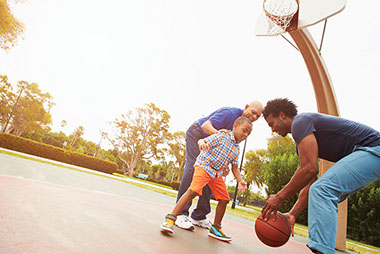
    Grandfather, father, and young son playing basketball.

    Spending time with people you care about can be a powerful stress reliever. This is true for every person in your family. Finding activities you all enjoy can strengthen family bonds, reduce everyone’s stress, and bring more fun into your life. Here are some stress-relieving activities that can work for the whole family.

    Plan a craft night

    Creative activities are a great way to relax together. Put on some music and get out crafting, drawing, or painting supplies. If you’re not much of a crafter, consider signing up the family for a class or a night out at a local craft shop.

    Play a sport

    Find a sport you all enjoy. Plan a weekly or monthly time to play together as a family. Keep it low stakes and focused on fun. Being active as a family can relieve stress and put everyone in a more positive mood.

    Watch a comedy

    Turn on a show everyone finds funny or look up some silly online videos. Instead of each family member retreating to their own screens, make time to watch something together. Choose something that will get everyone laughing to reduce stress and promote family bonding.
    © American Institute for Preventive Medicine
  • Prevent Firework Injuries

    WELL-BEING

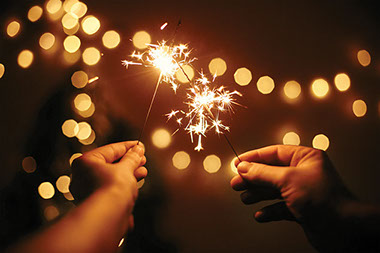
    Two hands holding sparklers.

    Fireworks are all fun and games until someone gets hurt. In fact, fireworks start an average of 18,500 fires each year and cause thousands of injuries. However, those facts still don’t deter many people from buying and setting off fireworks each summer. To keep yourself and your family safe, practice these fireworks safety tips.

    Leave it to the professionals

    If you can, allow professionals to set off any fireworks. Attend a public fireworks event over trying to set up your own fireworks display.

    Keep children away

    If you are setting off your own fireworks, do not allow children to help and make sure everyone is at a safe distance.

    Say no to drugs and alcohol

    Do not set off any fireworks while impaired by drugs or alcohol. Or, ask someone else who is not impaired to set off the fireworks for you.

    Handle with care

    Do not hold the fireworks in your hands or set off indoors. Only use them away from people, houses and flammable material. Do not point or throw fireworks at another person and never ignite devices in a container.

    Stay away from defective fireworks

    Do not try to re-light or handle malfunctioning fireworks. Soak both used and unused fireworks in water for a few hours before discarding. Keep a bucket of water nearby to fully extinguish fireworks that don’t go off or use in case of fire.

    Sparklers are scary

    This popular pastime for children has proven to be one of the most dangerous. Sparklers burn at about 2,000 degrees – hot enough to melt some metals. They can ignite clothing and severely burn children who drop them on their feet. Safer alternatives to consider are glow sticks, confetti poppers and colored streamers.

    Source: National Safety Council

    © American Institute for Preventive Medicine
  • Be Safe – Prevent Falls Checklist

    Home Safety

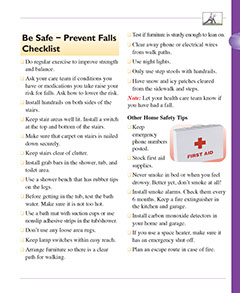
    *  Do regular exercise to improve strength and balance.

    *  Ask your care team if conditions you have or medications you take raise your risk for falls. Ask how to lower the risk.

    *  Install handrails on both sides of the stairs.

    *  Keep stair areas well lit. Install a switch at the top and bottom of the stairs.

    *  Make sure that carpet on stairs is nailed down securely.

    *  Keep stairs clear of clutter.

    *  Install grab bars in the shower, tub, and toilet area.

    *  Use a shower bench that has rubber tips on the legs.

    *  Before getting in the tub, test the bath water. Make sure it is not too hot.

    *  Use a bath mat with suction cups or use nonslip adhesive strips in the tub/shower.

    *  Don’t use any loose area rugs.

    *  Keep lamp switches within easy reach.

    *  Arrange furniture so there is a clear path for walking.

    *  Test if furniture is sturdy enough to lean on.

    *  Clear away phone or electrical wires from walk paths.

    *  Use night lights.

    *  Only use step stools with handrails.

    *  Have snow and icy patches cleared from the sidewalk and steps.

    Note: Let your health care team know if you have had a fall.

    Other Home Safety Tips

    *  Keep emergency phone numbers posted.

    *  Stock first aid supplies.

    *  Never smoke in bed or when you feel drowsy. Better yet, don’t smoke at all!

    *  Install smoke alarms. Check them every 6 months. Keep a fire extinguisher in the kitchen and garage.

    *  Install carbon monoxide detectors in your home and garage.

    *  If you use a space heater, make sure it has an emergency shut off.

    *  Plan an escape route in case of fire.

    Health at Home Lifetime book by the American Institute for Preventive Medicine. www.HealthyLife.com. All rights reserved.

    © American Institute for Preventive Medicine
  • How To Save Your Life In A House Fire

    Home Safety

    Image of mother and children in front of a house fire.

    Knowing how to react fast in a house fire can save your life and the lives of those you love. Here are some guidelines to follow.

    *  Keep the phone number of your local fire department clearly posted near all telephones in the house. (Try to memorize the number, in case you have to use a neighbor’s phone.) Use 911! where the service is available.

    *  Prearrange a plan for family members to follow in case of fire. Conduct fire drills using your escape route.

    *  If you live in a two-story house, purchase and install an emergency escape ladder and practice using it.

    *  If a fire breaks out, don’t stop to collect personal possessions. Get people out of the house!

    *  If you can’t get to within 10 to 12 feet of a fire, you can assume it’s too big to handle on your own. Call the fire department immediately. (Call them for small fires, too.)

    *  If you try to put out the fire, make sure you can get to an exit. Don’t back yourself into a corner.

    *  Smother a fire thoroughly and keep it covered so it doesn’t ignite again. The fire department will determine if the fire has been contained or if it has spread.

    *  If you fail to extinguish the fire and smoke is accumulating, get out of the house quickly!

    Poisonous gases and smoke are often more dangerous than flames. (Smoke rises, so remember to “stay low and go.” Crawl if you must. And if you can, place a wet towel over your face to filter out smoke and fumes.)

    A Year of Health Hints book by the American Institute for Preventive Medicine. www.HealthyLife.com. All rights reserved.

    © American Institute for Preventive Medicine

  • Reduce Indoor Air Pollution For A Healthier Home

    Home Safety

    Women tending to her plants.

    *  Do not smoke. Do not allow smoking in your house.

    *  Open windows as much as you can to let fresh outdoor air in.

    *  Live clean and green. Use baking soda, vinegar, plain soap, etc. and/or 100 percent biodegradable products that do not have chlorine, phosphates, and dyes. Paint with zero-or low volatile organic (VOC) compound paints. Use products with the EPA’s “Design for the Environment (DfE)” on the label. Find out more fromepa.gov/dfe.

    *  Have green houseplants, such as Boston ferns and spider plants. These absorb indoor air pollutants.

    *  Choose energy-efficient products, such as ones with an ENERGY STAR. Find out about these fromenergystar.gov.

    *  To help eliminate gases, odors, chemicals and particles, put an air filter or electronic air cleaner on your furnace. Or use a portable air purifier and/or a vacuum that has a HEPA filter.

    *  To limit mold growth, keep your house clean, dry, and well ventilated.

    A Year of Health Hints book by the American Institute for Preventive Medicine. www.HealthyLife.com. All rights reserved.

    © American Institute for Preventive Medicine

  • Get Ready To Garden

    WELL-BEING

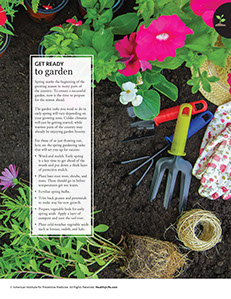
    Gardening tools on dirt with flowers ready to plant.

    Spring marks the beginning of the growing season in many parts of the country. To ensure a successful garden, now is the time to prepare for the season ahead.

    The garden tasks you need to do in early spring will vary depending on your growing zone. Colder climates will just be getting started, while warmer parts of the country may already be enjoying garden bounty.

    For those of us just thawing out, here are the spring gardening tasks that will set you up for success:

    *  Weed and mulch. Early spring is a key time to get ahead of the weeds and put down a thick layer of protective mulch.

    *  Plant bare-root trees, shrubs, and roses. These should go in before temperatures get too warm.

    *  Fertilize spring bulbs.

    *  Trim back grasses and perennials to make way for new growth.

    *  Prepare vegetable beds for early spring seeds. Apply a layer of compost and turn the soil over.

    *  Plant cold-weather vegetable seeds such as lettuce, radish, and kale.

    © American Institute for Preventive Medicine

  • Q & A Blood Donation

    WELL-BEING

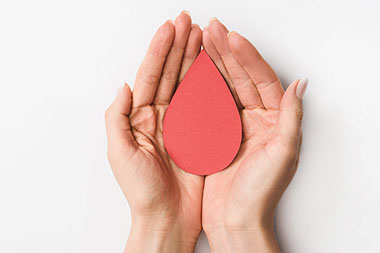
    Close up of hands holding a piece of paper shaped as a blood drop.

    Every day, people need life-saving blood transfusions. These transfusions are possible because people donate their blood. Despite the need for donated blood, many people are afraid to donate. They may have fears about the process, needles or even their own health. Get the facts about blood donation so you can make an informed decision.

    More than 4 million lives are saved each year because of blood donations.

    Q: Is blood donation safe?

    A: Yes. Each donation uses a new, sterile needle that is thrown away after one use. You may also be given a quick health check to be sure you’re healthy enough to donate. This may include taking your temperature, blood pressure and pulse.

    Q: What if I don’t like needles?

    A: Many people have a fear of needles. But blood donation is a quick process that can help save up to three lives. Facing your fears can mean the world to another person. Try listening to relaxing music, deep breathing or reading a book during your donation. Drinking fluids before donating will make donation easier and faster.

    Q: Will I faint afterward?

    A: Some people feel lightheaded after donating blood. But most people feel fine afterward. If this concerns you, you can have a few extra minutes to sit or lie down. You can also lower the risk of this happening by eating a healthy meal before your donation and drinking at least 16 ounces of water. When you feel well enough, slowly sit up. Blood donation only takes about 1/10th of the blood from your body. Your body replaces this lost blood quickly.

    Q: Don’t they only need rare blood types?

    A: Sometimes there is a public appeal for certain blood types. But all blood types are needed and valuable. If you don’t know your blood type, you can find out after your donation.

    If you have any health conditions, you can ask your doctor whether blood donation is right for you.

    Source: American Heart Association

    © American Institute for Preventive Medicine
  • Burglarproof Your Home

    Home Safety

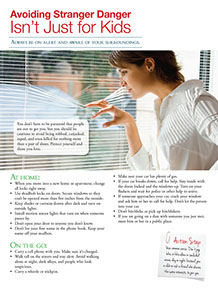
    Don’t be an easy target for thieves.

    Most home burglaries are the work of amateurs who are looking for a quick in and out. Make it look like someone is at home, especially while you are away.

    Dos:

    *  Inspect all locks on exterior doors. If they can be opened with a screwdriver or a credit card, replace them with single cylinder deadbolt locks.

    *  Install outside lighting with motion sensors around the house and garage.

    *  Consider installing an alarm system. Make sure the sign for it can be easily seen from the street.

    *  Close and lock windows. Put a metal or wooden rod between windows and frames, especially in door walls.

    *  Keep shrubs in front of windows no higher than three feet tall. This makes it hard for a burglar to hide in them.

    *  Engrave a personal contact code on your TV and other valuables to make them harder to sell and easier to trace.

    *  Join or start a neighborhood watch group.

    If your home will be vacant for several days or longer:

    *  Ask a relative or a neighbor you trust to watch your house. Consider leaving a key with one of them and ask them to do a periodic walk-through.

    *  Put a stop on delivery of mail and newspapers.

    *  Arrange for someone to mow the lawn or clear snow from the driveway and sidewalk. Ask a neighbor to park in your driveway.

    *  Preset automatic light timers to keep the house   well-lit during the evening and make it look like someone is home.

    *  Keep a radio on while you are gone. Set it to a 24-hour news or talk station.

    *  Find out if your local police department keeps a “vacant house list.” This alerts police to drive by and check on your house if you are gone for a week or longer.

    Action Step

    Store valuable items in places not easily seen. As an extra preventive measure, put valuable jewelry in a bank safety deposit box.

    Ways to Well-Being book by the American Institute for Preventive Medicine. www.HealthyLife.com. All rights reserved.

    © American Institute for Preventive Medicine
  • How To Steer Clear Of Drunken Drivers

    Personal Safety

    Image of keys and a glass of alcohol in the background.

    Driving under the influence of alcohol is a common cause of auto accidents. If you can spot a drunken driver and stay out of his or her way, you may be able to avoid an accident. Watch out for drivers who:

    *  Drive too fast or too slow.

    *  Make jerky starts or stop abruptly.

    *  Overshoot stop signs.

    *  Ignore traffic signals.

    *  Follow cars too closely.

    *  Pass other cars too quickly or too slowly.

    *  Change lanes frequently.

    *  Drive without their lights on after sundown.

    *  Drive with their windows rolled down in cold or wet weather.

    *  Are obviously partying and having a good time with their passengers when they should be paying attention to the road.

    A Year of Health Hints book by the American Institute for Preventive Medicine. www.HealthyLife.com. All rights reserved.

    © American Institute for Preventive Medicine
  • A Safer Way To Shovel Snow

    Personal Safety

    Image of a person shoveling snow.

    Many people know that shoveling snow can put many at risk for back injury or a heart attack, but think, “It won’t happen to me” and shovel anyway.

    Shoveling snow strains the back, because you bend at the waist to lift a load. And shoveling can trigger a heart attack in three ways. The increase in activity requires your heart to work harder. Also, without realizing it, you may hold your breath as you lift, which can trigger a sudden rise in heart rate and blood pressure. And cold weather causes blood vessels to constrict, so the heart has to pump more blood.

    If you have a history of back problems or heart problems, don’t shovel snow, period. Have someone else do it. If you’re over age 40 and overweight, if you have high blood pressure, if you smoke, or if you lead a sedentary life, check with your doctor before lifting a shovel.

    The following hints can help make a tough job easier, even if you’re not at special risk for back or heart problems.

    *  Dress properly. Protect your head and hands from the cold, and don’t bundle up so much that you overheat or can’t move freely.

    *  To prevent back strain, keep your knees slightly bent and both feet planted firmly on the ground or pavement.

    *  Consider removing snow with a snowblower or plow instead of a shovel-it’s far less stressful and gets the job done quickly.

    A Year of Health Hints book by the American Institute for Preventive Medicine. www.HealthyLife.com. All rights reserved.

    © American Institute for Preventive Medicine