Tag: Family Life

  • Pack A Travel First Aid Kit

    WELL-BEING

    Illustration of an airplane and first aid kid.

    Traveling? Make a little room in your luggage for a travel first aid kit. It won’t cost much or take up much space. Once you reach your destination, you won’t need to reach any further than your suitcase to relieve those minor aches and pains that can put a major damper on your plans.

    A basic travel first aid kit should include a handful of over-the-counter remedies you can buy just about anywhere, said Caroline Sullivan, DNP, assistant professor at Columbia University School of Nursing.

    Here’s what should go in the kit:

    *  Tylenol or Advil to ease a headache or fever

    *  Cortisone 10 cream to soothe an itchy, swollen insect bite

    *  Antibiotic ointment like Neosporin or Bacitracin to prevent infection from minor cuts, scrapes, and burns

    *  Band-Aids to cover up blisters, or for those minor cuts and scrapes

    *  Pepto-Bismol tablets to relieve diarrhea, upset stomach, heartburn, indigestion, and nausea after too much food and drink. Note: This is for adults only. Pepto-Bismol has salicylates which have been linked to Reye’s syndrome.

    *  Benadryl to relieve allergies, and also to help you sleep

    *  Hand sanitizer that contains at least 60% alcohol

    *  Tissues to sneeze, dab cuts, and clean hands in a pinch

    *  Pack your prescription medicines in their original bottles in your carry-on bag.

    © American Institute for Preventive Medicine

  • Start A Conversation About Domestic Violence

    FAMILY LIFE

    Image of female looking downwards.

    Everyone knows a victim of domestic violence, but most people don’t know what to do to help.

    “If someone comes to you and tells you they’re a victim of domestic violence, the most important thing you can do is offer your support without judgment,” said Vicky Dinges, vice president of corporate responsibility at Allstate. “There are 1,300 deaths and two million injuries related to domestic violence each year. Odds are we all know someone who’s in an abusive relationship. Knowing how to help might just save a life.”

    Here are some easy ways to start a conversation:

    *Offer support without judgment or criticism.There are a lot of reasons why victims may stay in an abusive relationship, and many reasons why they may also leave and return to the relationship multiple times. Let them know it’s not their fault and that they are not alone.

    *Don’t be afraid to tell them that you’re concerned for their safety.Help your friend or family member recognize the abuse while acknowledging that they are in a very difficult and dangerous situation.

    *Avoid confrontations.There are many reasons why people experiencing abuse don’t reach out to family and friends. It’s important to recognize when they are ready to talk about their experiences while still offering support.

    *Encourage them to get help.Suggest ways they can get additional support. Help them look into available resources, such as the National Domestic Violence Hotline number – 800-799-SAFE (7233) or website atwww.thehotline.org. This resource also finds local support groups and provides information on staying safe.

    © American Institute for Preventive Medicine

  • The Scoop On Shoveling

    WELL-BEING

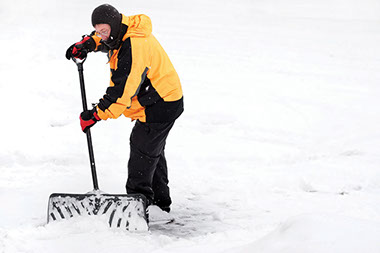
    Image of man shoveling snow.

    Push the snow, dress in layers, and warm up first are sensible rules for shoveling snow. Here are some guidelines you may not know:

    *  Avoid caffeine or nicotine before shoveling, especially if you have a history of or are at high risk for a heart attack. These stimulants may increase your heart rate and cause your blood vessels to constrict, which places extra stress on the heart. If you have a heart condition, respiratory issues, or back problems, check with your doctor before doing any shoveling.

    *  Drink plenty of water to avoid dehydration.

    *  Try to shovel fresh snow, before it becomes packed or refrozen. It may be helpful to shovel a few times during a snowfall rather than waiting until the storm ends when the snow is deeper and heavier.

    *  Switch hands periodically and alternate the side to which you are throwing snow to more evenly distribute the work load and repetitive muscle use.

    *  Use a sturdy snow shovel that has open ends to allow you to easily toss the snow off to the side.

    *  Pace yourself. Be sure to take frequent breaks to rest and avoid overexertion. Exhaustion can make you more susceptible to injury, hypothermia, and frostbite.

    Most important:

    If you begin to experience any pain in your chest, arm or neck, shortness of breath or profuse sweating, stop shoveling immediately and seek emergency medical attention.

    [Source: Kessler Institute]

    © American Institute for Preventive Medicine

  • 3 Keys To A Virtual Family Gathering

    FAMILY LIFE

    Couple waving in front of a computer screen while have dinner.

    While there is no true replacement for being with family & friends, the option to connect virtually is sometimes the best available. To get the most out of your virtual time, consider these tips.

    Have the right technology and try it out in advance

    You need a quality device setup for video chats, such as a laptop, smartphone, or tablet. You also need a good internet connection.

    Choose an app that works for everyone

    There are so many video chat apps out there. The right one for you depends on the size of the group and the devices people are using. Shop around.

    Plan virtual activities that everyone can enjoy

    *  Pictionary

    *  Charades

    *  Scattergories

    *  Talent show

    *  Trivia

    *  Get-to-know-you-better questions

    *  Jokes or riddles

    © American Institute for Preventive Medicine

  • 8 Commandments For Living Long And Living Well

    WELL-BEING

    Image of a group of people with exercise balls.

    You won’t live forever, but you can’t live like there’s no tomorrow, because tomorrow is coming. You can prepare for tomorrow today by making smart lifestyle choices or changing poor health habits-it’s never too late to do that, says Dr. Edward Creagan in his book How Not to Be My Patient: A Physician’s Secrets for Staying Healthy and Surviving Any Diagnosis. Here are Dr. Ed’s eight commandments:

    1. Form stable long-term relationships.

    2. Maintain ideal body weight.

    3. Eat a plant-based diet.

    4. Be active.

    5. No smoking.

    6. Use alcohol in moderation, if at all.

    7. Foster a sense of spirituality and a sense of connectedness to nature or your higher power or force.

    8. Find meaning and purpose in life.

    © American Institute for Preventive Medicine

  • Coping With The Loss Of A Spouse

    FAMILY LIFE

    Image of sad, older female sitting on couch.

    Losing a husband or wife is devastating. A whirlwind of intense emotions-overwhelming sadness as well as shock, fear, guilt, anger, and numbness-make the days and weeks after a spouse’s death agonizing and confusing.

    It may be small comfort to know that these feelings are normal and will be temporary.

    “Sadness may never go away entirely,” said clinical psychologist Dr. Hayley Hirschmann of Morris Psychological Group, “but the pain of acute grief becomes less intense over time as the good days start to outnumber the bad.”

    Dr. Hirschmann offers this advice:

    *Accentuate the positive:Studies have shown that those who are able to draw on humor and pleasurable memories are happier and healthier than those whose thoughts of the deceased are mostly sad and focused on their loss.

    *Let others help:Don’t shy away from expressing your feelings to those close to you; you will feel less alone if you can share your grief with a sympathetic listener. Accept help with chores and legal and financial responsibilities. Consider joining a bereavement support group.

    *Take care of yourself:Eat well, exercise regularly, get enough sleep. Be alert to falling into bad habits.

    *Don’t make big changes right away:Wait a while before moving or changing jobs.

    © American Institute for Preventive Medicine

  • How To Recognize And Report Abuse

    FAMILY LIFE

    Image of the word "Help" spelled out on a green chalk board.

    Child and elder abuse is a serious problem that affects people from all walks of life. One of the most important ways to protect victims from abuse is by making sure they get the help they need and by reporting cases to the authorities. Here’s how to recognize the different types of abuse and what to do in case you know someone who is a victim. This advice is from the General Services Administration of the U.S. government (www.USA.gov).

    Child Abuse

    Children who are victims of physical or emotional abuse often display mental and social development problems. In most cases, the abuse comes from their own parents or caretakers. Here are some of the signs of abuse:

    *Physical abuse:A child who suffers from physical abuse might have bruises, burn marks, broken bones and scars. They are often fearful of adults or certain people.

    *Sexual abuse:Victims of sexual abuse are forced to have sexual relations or engage in inappropriate physical contact with adults. Signs include feeling uncomfortable when changing clothes.

    *Emotional abuse:Children who experience emotional abuse are often victims of private or public humiliation and neglect. A child might show sudden changes in behavior and act violently.

    *Neglect:Children who are physically neglected show signs of lack of personal hygiene and bad health due to malnutrition, among other things.

    If you know or suspect that a child is a victim of abuse and is in immediate danger, call 911. To report a case of child abuse, call the National Child Abuse Hotline at 1-800-422-4453.

    Elder Abuse

    Elder abuse can occur in the victim’s home or at places such as assisted living facilities. People who abuse the elderly are usually people who know or take care of the victims. There are several types of abuse and all of them can have a profound negative impact on a person’s physical and mental health.

    *Physical abuse:As with child abuse, elders who suffer from physical abuse also might show bruises or other signs of injury on their bodies.

    *Sexual abuse:Elders who suffer from sexual abuse might become withdrawn.

    *Emotional abuse:This occurs when the victim is humiliated and treated with disrespect. The victim might feel useless or inferior and might suffer from depression.

    *Neglect:Elders show signs of physical neglect when caretakers fail to help them with their personal hygiene, food, clothing, and medications.

    *Financial abuse:Elders are often targets of financial fraud. This usually happens when people who take care of elders steal their retirement.

    If you know or suspect an elder is a victim of abuse and is in immediate danger, call 911. To report a case of elder abuse, call 1-800-677-1116 or visit the National Center on Elder Abuse atwww.ncea.aoa.gov.

    © American Institute for Preventive Medicine

  • Parenting A Teen

    FAMILY LIFE

    Image of mother and daughter talking.

    It’s not easy parenting a teen. Your teen’s brain is still developing until about age 25, according to the National Institutes of Health. These are areas that control judgment, decision making, and impulse control. What’s a frustrated parent to do? NIH News in Health suggests these actions:

    *  Respect your teen’s opinions. Nonjudgmental communication shows your love.

    *  Be honest and direct with your teen when talking about sensitive subjects such as drugs, drinking, smoking, and sex.

    *  Respect your teen’s privacy.

    *  Have meals together.

    *  Help your teen make healthy choices and plan ahead for difficult situations.

    *  Meet and get to know your teen’s friends.

    *  Compliment your teen and celebrate your child’s efforts and accomplishments.

    *  Limit time your teen uses video games, texting, and instant messaging.

    © American Institute for Preventive Medicine

  • Stay Healthy When Swimming

    WELL-BEING

    Image of beach ball in swimming pool.

    Did you know you can get sick from swimming? Whether it’s a pool, hot tub, water park, fountain, lake, river or ocean, some water can have germs or chemicals in it that cause recreational water illness (RWI). And, the number of RWI outbreaks have increased steadily in the last 30 years.

    RWIs can ruin summer fun

    RWIs most often cause diarrhea, but they can make you sick in other ways too. They can also cause nausea and vomiting, skin rashes, and infections of the eyes, ears, skin and respiratory system.

    Most healthy people will recover from RWIs, but they can be dangerous to pregnant women, young children, and people with weakened immune systems.

    Healthy swimming guidelines

    Many times, the water may look clean and safe when it contains dangerous germs or unsafe chemicals. Though proper chlorine levels are important, some germs are not killed by chlorine. Some water may be treated with too much chlorine or an improper balance that can make people sick. So what can you do to enjoy the water this summer and stay healthy?

    *  Don’t swim when you have diarrhea or you’ve been vomiting. Even a tiny, invisible amount of germs can get in the water and make others sick.

    *  Never get swimming water in your mouth. Keep your mouth closed when underwater.

    *  Shower with soap before you swim and wash your hands after using the toilet or changing diapers. Have your children wash their hands as well.

    *  Don’t allow kids to play in fountains that haven’t been treated with chlorine.

    *  Stop swimming at least once every hour for bathroom breaks and/or diaper changes. Use swim diapers on kids who aren’t potty trained. Many kids will have “accidents” in the water if they don’t get out to use the bathroom.

    *  Don’t change diapers near the swimming area. Do it in a bathroom or away from the water.

    *  If you own a pool, check chlorine levels regularly. Use pool test strips to check for proper pH levels and chemical balances.

    *  Ask to see the last pool inspection report before swimming in a public pool or water park.

    The germ that survives chlorine

    Cryptosporidium, commonly called crypto, is a bacteria that can be spread in swimming water. Chlorine won’t kill crypto, and people with weakened immune systems can get very sick from it. It can cause severe watery diarrhea and is a leading cause of RWIs. To avoid getting or spreading crypto, follow the healthy swimming guidelines on this page. It is not killed by hand sanitizer, so washing hands with soap and water is critical.

    © American Institute for Preventive Medicine

  • Tips For New Empty-Nesters

    FAMILY LIFE

    Image of couple sitting in front of their house.

    Busy parents may dream of the day when they can have time to themselves again. But sometimes when the last child leaves home, parents are left with feelings of sadness and loss. This is known as “empty nest syndrome.”

    Empty nest syndrome happens to many parents. But, there are some ways to help prepare for it and cope with it once it happens.

    Pick a hobby with your spouse.Having an empty nest means you and your partner have more time to do fun things together. This can help you improve your relationship too.

    Get support from friends and family.Talk to those who have been through the empty nest experience.

    See a doctorif you think you may have depression.

    Stay in contact.Talk to your child over the phone, in texts, or online whenever you can.

    Look for new opportunities.Have you been putting off taking a class, working toward a promotion, or other interests? Now may be the time to try it.

    Experts point out that an empty nest isn’t always a time of sadness. Many parents find they enjoy their newfound freedom, according to the American Psychological Association. With today’s technology, it’s easier than ever to stay in touch. And many parents are excited to get more time for their own goals once their children are grown.

    Source: Vanderbilt University Child and Family Center

    Not-so-empty nest

    The number of adult children living with their parents is higher today than ever. Between 2005 and 2011, the percentage of young adults living in their parents’ home went up, according to the U.S. Census Bureau. The percentage of men age 25 to 34 living in their parents’ home rose from 14 percent in 2005 to 19 percent in 2011. For women of the same age, it rose from 8 percent in 2005 to 10 percent in 2011.

    © American Institute for Preventive Medicine