Tag: Family Life

  • Home Safety

    Home Safety

    General Home Safety

    Food Safety

    Home Security

    Prepare for Disasters

    Prevent Choking, Suffocation, & Drowning

    Prevent Falls

    © American Institute for Preventive Medicine

  • Prevent Falls

    Home Safety

    Do This, Not That

    *  Falls are the leading cause of non-fatal injuries for children ages 0 to 19. Every day, about 8,000 children are treated in U.S. emergency rooms for fall-related injuries.

    *  Almost 86,000 fall injuries each year are linked with dogs and cats. This includes falling or tripping over the animal or its toys and/or being pulled down or pushed by a dog.

    *  One out of 3 people age 65 and older takes a bad fall every year. And in this age group, falls are the leading cause of death by injury.

    Older Adults

    People with Special Needs

    General Guidelines

    Safe at Home - Do This, Not That Book. Published by the American Institute for Preventive Medicine. www.HealthyLife.com. All rights reserved.

    © American Institute for Preventive Medicine

  • Fight Back Against Radon

    WELL-BEING

    Women yawning while driving.

    Radon can get into your home and cause serious health problems. But you can take steps to remove this dangerous gas that you can’t see, taste or smell.

    Radon is a natural radioactive gas. When uranium breaks down in the soil, it makes radon. Then, radon can seep into a home’s foundation, causing health problems for the people who live there.

    Why is radon harmful?

    When you breathe in radon, its natural radioactive particles can get trapped in your lungs. Radon is a leading cause of lung cancer in non-smokers. If you smoke and breathe radon, your risk of lung cancer is especially high.

    How do I know if I have radon?

    The only way to know if a home has radon is through a radon test. You can buy radon tests at hardware stores or online. Your local health department may sell them.

    Radon tests are easy to use. Usually, you let the test stay in your basement or the lowest point in your house for a few days. When the test is complete, you mail it in. The testing company sends you the results.

    If your test results say your radon level is 4pCi/L or higher, take a second test to be sure. If the average between the two tests is 4pCi/L or higher, you need to fix the problem. You can do this with radon removal, also called radon mitigation.

    How do I get rid of radon?

    Removing radon from a home requires special skills and tools. Choose a qualified radon mitigation contractor to fix your home.

    Ask your state radon office for names. Many states require radon professionals to be licensed, certified or registered for your added safety.

    New homes aren’t safe

    No matter how old or new your home, radon can get in. It seeps in through foundation seams, joints and cracks. It can also get in through a sump pump or drain located in the basement.

    If you’re buying a home, make sure the home has been tested for radon or that it has a radon mitigation system in place.

    Source: Environmental Protection Agency

    © American Institute for Preventive Medicine

  • Prevent Child Abuse With Strong Families

    FAMILY LIFE

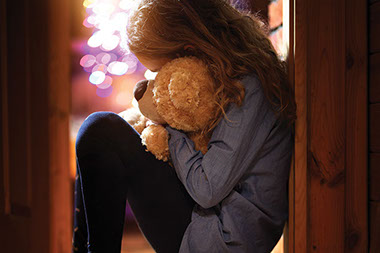
    Young child cuddled up with teddy bear.

    Child abuse affects hundreds of thousands of children each year. Even if you don’t know someone affected by child abuse, you can help prevent it. It starts with knowing its causes and risk factors.

    Why does abuse happen?

    If a parent or caregiver has these risk factors, child abuse is more likely to happen:

    *  Low self-esteem

    *  Poor impulse or temper control

    *  Untreated mental health conditions like depression or anxiety

    *  Substance abuse

    *  Lack of education or knowledge about child development

    *  Unemployment or poverty

    In addition, if a child has special needs or a challenging temperament, they are more likely to be abused. Babies and young children, because they require constant care, are also more likely to be abused than older children. Teens are at a higher risk of sexual abuse than younger children.

    Protective factors

    Protective factors are things that lower the risk of child abuse or neglect. Protective factors include:

    *  Having resources for things everyone needs, like food, transportation and housing

    *  Access to safe schools and health care

    *  Parents who have ways to cope with stress

    *  A strong family support system of family and friends

    *  Children who have self-esteem, confidence and independence

    *  Parents and children who communicate well with each other

    What to do if you suspect abuse

    If you suspect that someone is abusing or neglecting a child, there are resources to help.

    *State child abuse and neglect agencies:Contact your local child protective services office or law enforcement agency.

    *Childhelp National Child Abuse Hotline:1.800-4-A-CHILD  (1-800-422-4453). Professional crisis counselors are available 24 hours a day, 7 days a week, in over 170 languages. All calls are confidential. The hotline offers crisis intervention, information and referrals to thousands of emergency, social service and support resources.

    Sources: Centers for Disease Control and Prevention, Child Welfare Information Gateway

    © American Institute for Preventive Medicine

  • Being Ready For A Disaster

    Home Safety

    By acting on the items below, you and your family can be prepared for many types of disasters that may occur in the future.

    General Tips to Stay Safe

    *  Be alert and aware of what’s around you (e.g., a strange car parked in the same spot for a long time or an odd package). Report these and threats of violence to local police. Since the attack inside Columbine High School in 1999, plans for violence in other schools have been prevented because people have found and told police about notes with plans, materials to make bombs, etc. Stay calm and patient.

    *  Listen for sirens that alert you about a possible disaster.

    *  Tune into the TV or radio for news as well as what to do. The Emergency Alert System (EAS) decides what actions should be taken. For more information, contactwww.fcc.gov/eb/eas.

    *  Check for injuries and give first aid, if needed.

    Plans to Make Before a Disaster

    *  Write down, ahead of time, the steps to take for different disasters (e.g., house, fires, floods, etc.). Go through drills for each plan with the whole family. Make sure the car always has gas. This is in case you have to leave an area.

    *  Know your place of work’s emergency plans. Find out about them from your supervisor, Employee Assistance Program (EAP), etc.

    *  Take a course in first aid from the Red Cross, your police or fire department.

    *  Give each family member a prepaid phone card with about a ten dollar value. Instruct children how to use the card and a pay phone. Some cell phone services may be overwhelmed in an emergency.

    *  Set up a “check-in” plan. Choose someone for family members to call or e-mail to check on each other. Pick someone far enough away who would not likely be part of the same event. Of course, call each other on cell, regular, or pay phones.

    *  Choose two places to meet. One is at home or near your home. Choose another place farther away in case you can’t get home. Make plans for the safety of your children.

    *  If you have children in school, find out the school’s crisis plan. Know the school’s policy for sending children home. Make sure the school has current phone numbers for you and other caregivers in case you can’t be reached. Find out what the school needs to have to release your child to designated caregivers.

    *  If you have a pet, plan for its safety. For more information, contact the Red Cross orwww.disasterrelief.org/library/prepare/pets.html.

    *  When you enter a building, find emergency exits and stairways. Plan ahead how to get out quickly from buildings, vehicles, crowded public places, etc.

    *  Make an emergency supply kit. Put these things in backpacks or containers that one or more family members can easily carry:

    – Three days’ supply of bottled water (one gallon a day per person if possible. Put these next to, not in your containers.)

    – Food that won’t spoil. A hand can opener.

    – Flashlight and extra batteries

    – A battery powered radio or TV and extra batteries

    – First aid kits for the home and the car

    – Sleeping bags or blankets

    – A change of clothing for each person

    – Items for family members with special needs (e.g., baby supplies, medicines, etc.)

    – Duct tape and dry towels that you can make wet to make a room airtight

    – Bleach

    – Important documents, cash, and credit cards

    For more information on being ready for disasters, contactwww.redcross.orgor call your local Red Cross. Ask about their “Preparing for the Unexpected” class. This one and a half-hour class teaches families and employees safety steps to take for many kinds of disasters.

    Types of Disasters

    Weather Disasters

    *  Find out and be prepared for disasters that are likely to occur in your area (e.g., floods, earthquakes, tornados, etc.).

    *  Tune in, daily, to weather forecasts. The Emergency Broadcast System (EBS) uses radio and TV stations to issue a WATCH (for an expected emergency) or a WARNING (for an emergency in progress or one that is about to occur).

    *  Heed the warnings given. Emergency sirens may also sound. Know when your community does a practice drill for sirens (e.g., the first Saturday of the month at 1:00 p.m). Then you won’t confuse this with an actual emergency.

    *  Watch for fallen power lines. Avoid them.

    For more information on weather updates, contact The National Weather Service atwww.nws.noaa.gov.

    Biological Terrorism

    Biological terrorism includes anthrax, smallpox, and other biological agents. If a biological attack occurs, the public will be informed and told what to do. Stay calm and listen for instructions on the radio or television.

    For up-to-date information on biological agents, contact the Centers for Disease Control and Prevention. Call 888.246.2675 (English), 888.246.2857 (Spanish) or visitwww.bt.cdc.gov.

    Bomb Threats

    *  Don’t touch strange packages.

    *  Be suspicious if packages have a ticking sound or have wires or aluminum foil sticking out from them.

    *  Leave the building as fast as you can.

    *  Call local police and the building manager.

    *  When leaving a building, try not to walk by windows.

    For more information, contactwww.disasterrelief.org.

    Anthrax

    Anthrax has already led to illness and death for a limited number of Americans. How concerned should you be about this now? Again, knowledge is power. Don’t panic!

    Know these simple facts:

    *  Anthrax is caused by a specific bacteria. If caught early enough, it can be treated with antibiotics. It does not spread from person to person.

    *  Know what anthrax looks like. It can be brownish and grainy. This is a crude form. It can also be a very fine, white powder.

    *  Know the symptoms of anthrax infections. Symptoms depend on the way anthrax causes the infection. The most common way to get infected is anthrax exposure through a cut or abrasion in the skin. When treated early, this is curable. Inhaled anthrax is more harmful, but is also treatable if found very early.

    Signs and Symptoms of Inhaled Anthrax

    *  Fever

    *  Cough (dry, not with phlegm)

    *  Muscle aches

    *  A hard time breathing

    *  Chest discomfort

    *  A runny nose is not a symptom.

    Signs and Symptoms of Skin Anthrax

    *  A raised, itchy bump that looks like a bug bite

    *  Within two days, this changes into a fluid-filled sac.

    *  A painless ulcer with a dark or black area in the center

    What Else Can You Do?

    *  Get a flu shot at the start of flu season. This lessens the chance of getting the flu. Then you won’t confuse flu symptoms with those of anthrax.

    *  Seek medical care for anthrax symptoms. This is most important for persons who could have been exposed to anthrax where they work or live.

    *  Take antibiotics only if they are prescribed. Don’t take them “just in case” to prevent getting anthrax. Taking antibiotics when they are not needed could lead to resistant bacteria. This means the medicine will no longer work against the germ.

    *  When you open mail keep it away from your face.

    *  Don’t blow or sniff the contents.

    *  WASH YOUR HANDS WELL AFTER YOU HANDLE MAIL!

    *  For more information on anthrax, contactwww.bt.cdc.gov.

    Smallpox

    Smallpox is caused by a specific virus. It was wiped out as a disease in 1977, but may exist in labs in some foreign countries. This makes it possible for use in germ warfare. Smallpox is very contagious.

    What Can You Do?

    *  Listen to the news on a regular basis. If a confirmed case of smallpox occurs, the public will be informed and told what to do.

    *  Know the symptoms of smallpox.

    *  For people exposed to smallpox, a vaccine (from an emergency supply) can be given to lessen the severity of or even prevent the illness. The vaccine needs to be given within 4 days after exposure, though.

    {Note: Besides anthrax and smallpox, there are other biological agents that terrorists could use. The government will provide information if this is an issue to be concerned about.}

    Signs and Symptoms of Smallpox

    These occur about 12 days after exposure.

    *  High fever

    *  Fatigue

    *  Headache

    *  Backache

    *  Skin rash, mostly on the face and then on the arms and legs a few days later

    *  The rash starts out flat and red and then becomes pus-filled.

    *  Crusts form early in the second week.

    *  Scabs form and

    Explosions and Fires

    *  Follow fire prevention measures. Install and maintain smoke alarms. Plan escape routes from both your home and your place of work. For a more complete list of fire prevention tips, contact: National Fire Protection Association atwww.nfpa.orgor contactwww.firesafetytips.com.

    *  Know the building’s emergency plan.

    *  Know where fire exits are.

    *  Keep fire extinguishers working. Know where they are and how to use them.

    *  Learn first aid.

    *  Keep a battery-operated radio, flashlights and extra batteries, a first-aid kit, and bright tape to mark off unsafe areas on each floor.

    *  Stay calm and exit the building quickly.

    *  If things are falling, get under a strong table or chair.

    For more information on fire safety, contactwww.disasterrelief.org.

    When Inside a Building Where a Fire Occurs

    *  Get out! Stay low (crawl) and exit the burning building as fast as you can.

    *  Feel the top, middle, and bottom of a closed door for heat. If the door is not warm, brace yourself against the door and open it slowly. If the door is warm, find another way out.

    *  Always stay below the smoke.

    *  After you are out, call 911!

    When Trapped in a Collapsed Building

    *  Use a flashlight, if you have one.

    *  Don’t move more than necessary so you won’t kick up dust. Cover your mouth with clothing.

    *  To help someone find you, tap a pipe or wall or whistle. Don’t yell. Doing so can cause you to breathe in dangerous amounts of dust. Shout only as a last resort.

    *  Wait for emergency workers. (Untrained people should not try to go inside a collapsed building for any reason.)

    Harmful Chemical Exposures

    Once in awhile, you hear about chemical leaks from industrial sites. The threat of chemical warfare is also on the minds of Americans. Of utmost concern is to keep your home safe.

    What Can You Do?

    *  Install a carbon monoxide detector in your home and garage. Follow the manufacturer’s instructions.

    *  If the alarm sounds, open windows and doors. Leave the building right away. Call 911 if persons are dizzy, weak, short of breath, confused, etc. If not, turn off all appliances that use fuel and have a qualified person inspect your home.

    *  Don’t run cars and lawn mowers in the garage. Don’t use gas ranges for heat.

    *  Have your home furnace, chimney, and flue checked by a qualified person every year. If you think there is a gas leak, call the local gas company and follow their advice.

    *  Use common sense. Buying biohazard suits and expensive gas masks are a waste of money.

    *  If you work at a company where a harmful chemical leak or exposure could occur, follow your workplace safety guidelines. Use Material Safety Data Sheets (MSDS’s), which tell you how to use chemicals safely. Know where this data is. Use the information given.

    *  In the event of a chemical leak or exposure, follow the advice of local officials. You may be told to “evacuate” or “shelter in place.”

    Evacuate

    *  If officials tell you to leave the area, do so right away.

    *  Take your disaster supply kit, if available.

    *  Wear pants, long-sleeved shirts, and sturdy shoes for protection.

    *  Lock your home.

    *  Travel routes approved by local officials. Shortcuts could be dangerous or closed.

    *  Take pets.

    *  Watch for fallen power lines and avoid them.

    Shelter in Place

    If local officials recommend to “shelter in place,” stay in your home or workplace.

    *  Close and lock windows and outside doors.

    *  Turn off heating and cooling units and fans.

    *  Close the fireplace flue.

    *  Get your disaster supply kit, if available.

    *  Turn on the radio and listen for what to do.

    *  If you can, go to an inside room with no windows above ground level.

    *  Seal vents and cracks around doors with duct tape and wet towels. Tape all the faucets and drains, too.

    Contact with chemicals can kill. For this reason, do not leave the shelter to help victims. Persons trained to deal with harmful chemicals should treat victims.
    Take Charge, Coping with a Crisis book by the American Institute for Preventive Medicine. www.HealthyLife.com. All rights reserved.

    © American Institute for Preventive Medicine

  • Home Safety 2

    Home Safety

    Mother sitting in an office chair, talking on the phone, with 2 young kids

    Keeping your home safe takes planning. Get checklists of what to do for all areas of your home.

    The number one cause of unintended deaths in the home is poisoning. This is from drugs, solids and liquid substances, gases and vapors, etc. The 2nd leading cause of unintended deaths in the home or a group residence is from falls.

    To help prevent falls, use safety rails and mats and nonskid rugs. Keep pathways clear of ice and clutter.

    Install smoke alarms as advised by your city’s or county’s code. Check smoke alarms once a month to see that they still work.

    Keep all poisons out of children’s reach. Put child-resistant latches on cabinet doors. Follow use and storage instructions on product labels. Install carbon monoxide detectors, too.

    A Year of Health Hints book by the American Institute for Preventive Medicine. www.HealthyLife.com. All rights reserved.

    © American Institute for Preventive Medicine

  • Prevent Fires & Burns

    Home Safety

    Do This, Not That

    Simple actions can make you and your family safer and keep your things from going up in smoke.

    Most home fire deaths occur at night. If you think that you’ll be awoken by smoke, noise, or breaking glass, then you’re almost certainly wrong. Every fire produces large amounts of carbon monoxide which is a very toxic and odorless gas. You will most likely be overcome by this as you sleep and never wake up.

    Smoke alarms can make the difference between dying in your sleep and getting your family to safety. About two-thirds of home fire deaths occur in homes that have no smoke alarms or have ones that are not working.

    General Guidelines

    Cooking Safety

    Electrical Safety

    Safe at Home - Do This, Not That Book. Published by the American Institute for Preventive Medicine.

    © American Institute for Preventive Medicine

  • 6 Ways To Be A Good Houseguest

    FAMILY LIFE

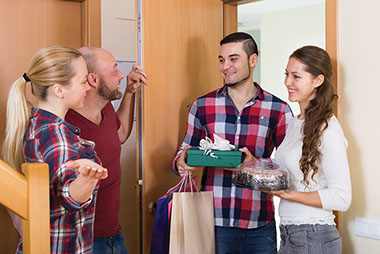
    Image of houseguest entering home with dessert.

    Each year, millions of Americans travel and visit friends and family members for the holidays. And with so many overnight visits this time of year, being a courteous houseguest is a skill that may come in handy. If you’re staying with a friend or family member, remember these tips:

    *Make plans well in advance.Don’t expect family members to drop everything at the last minute for your visit. Give them several weeks notice of when you will be coming (if possible) and don’t arrive earlier or stay longer than planned.

    *Consider a small gift.A bouquet of fresh flowers, a book, or an attractive fruit bowl are good host gifts to consider.

    *  Pay attention to house rules. Are there shoes by the door? Then you should take yours off when you enter.

    *Offer to pitch in.Ask if you can pick up some groceries at the store, or offer to pay for meals when going out.

    *Clean up after yourself.Don’t expect the host to do it all. Help clear the table after meals and wash dishes. The day of your departure, strip the sheets off the bed and offer to throw them in the laundry. Wipe off the bathroom counters after you use them. Put things back where you found them.

    *Send a note afterward.When you return home, send a short but sincere thank you note to your host.

    Source: The Emily Post Institute

    © American Institute for Preventive Medicine

  • Cold Hearts (Why Shoveling Snow Is Extra Dangerous)

    WELL-BEING

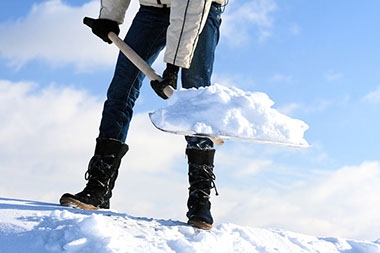
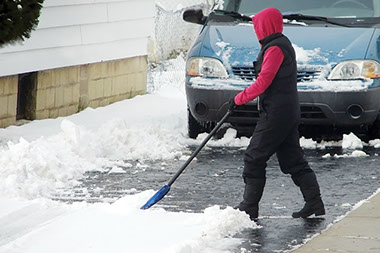
    Image of person shoveling snow from the driveway.

    While you may be used to battling frigid temperatures and the inevitable snowstorms that arrive every winter, are you aware of the dangers these pose to your heart?

    “When the temperature outside drops, our blood vessels narrow to prevent our bodies from losing heat. This is a natural response that can also put people with heart conditions and those involved in strenuous exercise at greater risk of having a heart attack,” says Dr. Holly Andersen of the Perelman Heart Institute at NewYork-Presbyterian Hospital/Weill Cornell Medical Center.

    Shoveling snow is one of the most strenuous and dangerous winter exercise activities. It can raise blood pressure, and coupled with the effects of colder temperatures, shoveling can increase heart attack risk drastically. Take these precautions:

    *Warm up.Warm up with stretching and light activity before shoveling, exercising or beginning more strenuous physical activities.

    *Bundle up.When going out to shovel, always wear a scarf over your mouth and nose to warm the air before you breathe in, and dress in layers. Layering clothes underneath a windproof and waterproof outer shell helps maintain body heat.

    *Push the shovel.It is less strenuous to push the snow rather than lifting it, and this reduces the risk of overexerting yourself.

    *Take breaks.You should take frequent breaks while shoveling to give your muscles, especially your heart muscle, a chance to relax. You may also consider sharing the work with a friend to make the workload lighter and ensure that you are not alone in the event of an emergency.

    *Consult a doctor.If you are over the age of 50, overweight, out of shape or have suffered a heart attack, you should consult a doctor before shoveling snow or starting any exercise routine.

    © American Institute for Preventive Medicine

  • How To Make The Grade This School Year

    FAMILY LIFE

    Image of a group of school children.

    Start talking about the upcoming school year. Listen closely for fears or concerns, advises Dr. Amie Duncan of Cincinnati Children’s Hospital. “It is important that parents listen to and respond to their child’s potential anxieties about the new school year, especially if they are making a big transition such as from an elementary school to a middle school. It is perfectly normal to experience first day jitters,” she said. These feelings can be relieved with some of these suggestions.

    Preschoolers and kindergartners need to know what will happen.

    *  Visit the school together. Let them play on the playground, walk through the classroom, and meet new teachers.

    *  Go on a school shopping trip for a backpack and supplies. Assign a school prep area at home for supplies and lunchboxes.

    *  Tuck a small family picture in a backpack or lunch.

    *  Set bedtime and wake-up routines 4 weeks before school starts.

    *  Be positive and excited for the new school year.

    Elementary and middle-school children will need to adjust to new beginnings.

    *  Expect that your child may want trendy or “cool” school supplies.

    *  Take a quick trip to school before classes start to help find classrooms, lockers, the cafeteria, and the bus drop-off location.

    *  Right from the start, help your child get and stay organized. Choose places to store their backpack and a distraction-free area to complete homework.

    *  Talk to your child about high-risk behaviors, such as drinking, drug use, and sexual activity. Have this talk early and often.

    *  Encourage your child to choose to take part in at least one school club, sport, or other activity outside of school hours.

    *  Don’t hesitate to make an appointment with the school counselor right away if you have concerns about how your child is adjusting to school. Keep the lines of communication open.

    High schoolers need and thrive on positive reinforcement.

    *  Help your teen set realistic goals on how to earn the best grades and complete assignments.

    *  Stay organized. Buy a daily planner and teach your teen how to use it correctly or teach them how to organize their schedule with a tablet computer or laptop.

    *  Encourage your teen to get involved in at least one extracurricular activity or sport because it will help them meet people.

    *  Continue to support and encourage good study habits with regular homework/study times. Search for ways to offer positive support.

    *  Ask about what’s going on in your child’s life. (Use open-ended questions, rather than those that require only a “yes” or “no” response). Be an active listener without judging your child.

    *  Stay involved in your child’s school life and you will know what is going on, and how they are doing.

    © American Institute for Preventive Medicine