Tag: hazards

  • Audit Your Home For Safety

    Home Safety

    Most accidents happen at home. If you think your house is “home, safe home,” take a look around. At first glance it may look orderly, but certain common trouble spots can lead to cuts, falls, burns, or other injuries. The following room-by-room checklist can alert you to accidents waiting to happen.

    Kitchen

    *  Cleaners and dangerous chemicals should be stored out of children’s reach.

    *  Scissors, knives, ice picks, and other sharp tools should be stored separately from other utensils out of the reach of children.

    *  Towels, curtains, and other flammable materials should hang a safe distance from heat sources like the stove.

    *  Kitchen fans and stove ventilation exhausts should be clean and in good working order.

    *  Electrical cords should run a safe distance from the sink or range.

    *  Electrical outlets should not be overloaded.

    *  A sturdy step stool should be available to help reach high cabinets.

    *  Vinyl floors should be cleaned with nonskid wax.

    *  A nonskid floor mat should be in place in front of the sink.

    *  The kitchen should be well-lit.

    Bedroom

    *  Electrical cords should be tucked away from foot traffic and in good working order.

    *  Electrical outlets should not be overloaded.

    *  Electric blankets should not be covered by bedspreads or other blankets when in use.

    *  Carpeting should be secured to the floor.

    *  A night-light should be situated between the bed and the bathroom or hallway.

    *  The bedroom telephone should be easy to reach, even from the floor, if necessary.

    *  Ashtrays, irons, electric hair curlers, and other potential fire hazards should be located away from bedding, curtains, or other flammable material.

    *  Smoke detectors should be located near entrances to rooms.

    Bathroom

    *  Floor mats should have nonskid backing.

    *  Rubber mats or adhesive-backed strips should be in place in the bathtub or shower stall.

    *  A support bar should be securely installed in the bathtub or shower stall.

    *  Hair dryers, electric shavers, or other electric appliances should be kept away from water and unplugged when not in use.

    *  A light switch should be located near the bathroom entrance or entrances.

    Halls and Stairs

    *  Halls and stairs should be well-lit, with a light switch at each end of a stairway.

    *  If a staircase is dimly lit, the top and bottom steps should be marked with reflective tape.

    *  Sturdy hand rails should be securely installed on both sides of each stairway.

    *  Floor covering on stairs and in halls should be skid-proof or carpeted and not creased or frayed.

    *  Stairways should be clear of shoes, books, toys, tools, or other clutter.

    *  When young children are in the house, gates should block access to stairways.

    Basement and Garage

    *  To avoid confusion and misuse, all chemicals and cleaners should be kept in their original containers.

    *  Hazardous chemicals should be kept under lock and key or out of reach of children.

    *  Sharp or otherwise potentially hazardous tools should be in good working order.

    *  Gasoline and other flammable materials should be stored in airtight containers and away from heat sources (outside the home, if possible).

    *  To prevent suffocation, dispose of all plastic bags, or keep them out of reach of children.

    *  Don’t leave objects small enough to be swallowed within reach of children.

    *  Buy a radon test kit from your state department of health or department of environmental protection, or contact the National Radon Hotline at 1.800.767.7236 for information on radon testing. (Radon is an invisible gas that causes health problems if it builds up in homes and can’t escape.) If your home has high radon levels, hire a reliable radon expert to help you reduce levels of this gas in your home.

    Elsewhere around the House

    *  Outdoor porches and walkways should be kept clear of ice in winter weather.

    *  Window screens should be securely fastened, especially if small children are around.

    *  Take steps to remedy unsafe situations as soon as possible.
    A Year of Health Hints book by the American Institute for Preventive Medicine. www.HealthyLife.com. All rights reserved.

    © American Institute for Preventive Medicine
  • Home Safety Checklist

    Home Safety

    *  Keep your doors locked.

    *  Use a peephole in the front door.

    *  If you live alone, arrange for daily contact with a neighbor, relative, etc.

    *  Clearly post emergency numbers. Teach children how to call 9-1-1, etc. for help.

    *  Stock first aid supplies. In case of accidental poisoning, call the Poison Control Center (800.222.1222) for advice.

    *  Install smoke alarms and a carbon monoxide detector. Check them every 6 months. Keep a fire extinguisher handy.

    *  Never smoke in bed or when you feel drowsy. Better yet, don’t smoke at all!

    *  If you use a space heater, make sure it has an emergency shut off.

    *  Plan an escape route in case of fire. Practice it with all household members every couple of months.

    *  Keep flashlights handy.

    *  Use night lights.

    *  Keep stair areas well lit.

    *  Have snow and icy patches cleared from the sidewalk and steps.

    *  Be careful or stay home if it is icy or slippery outside.

    *  Monitor your medication use. Let your doctor know if medicine(s) affect your vision, balance, etc. If prescribed sedatives or tranquilizers, be careful when you take them. They can increase the risk of falls.

    *  Don’t get up too quickly after lying down, resting, or eating a meal. Low blood pressure can cause dizziness.

    *  Wear nonslip, snug-fitting shoes and slippers.

    *  Use safety mats or nonskid tape in your tub and shower. Install grab bars in the shower and tub, too.

    *  If you use a shower bench, use one with rubber tips on its legs.

    *  Before getting in the tub, test the bath water. Make sure it is not too hot.

    *  Never lock the bathroom door.

    *  Use a cane or walker, if necessary.

    *  Install handrails on both sides of the stairs. Keep clutter off stairs.

    *  Don’t use loose area rugs. See that carpet on stairs is nailed down securely.

    *  Arrange furniture so there is a clear path for walking. Test if furniture is sturdy enough to lean on.

    *  Clear away phone or electrical wires from walk paths.

    *  Use a step stool with a safety rail.

    *  Be alert to spills or wet floors.

    *  To pick up things, bend at your knees and keep your back straight. Don’t stoop.

    Healthier at Home book by the American Institute for Preventive Medicine. www.HealthyLife.com. All rights reserved.

    © American Institute for Preventive Medicine
  • Killer Household Products

    Home Safety

    Harmful drugs could be right under your nose.

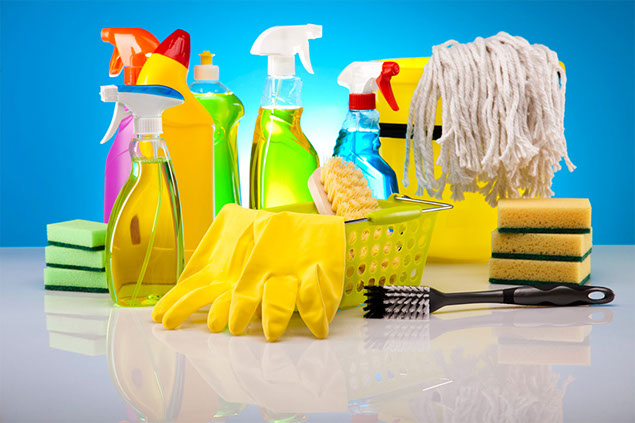
    Spray paint, gasoline, glue, hair spray, and cleaning products become drugs when their vapors are inhaled on purpose to get “high.” Inhalants are easy to get and are among the most popular and deadly substances that teens abuse.

    The highs and lows

    At first, the effects of sniffing or snorting fumes are like drinking alcohol. But feeling giddy and less inhibited lasts only a few minutes. Continued use of the inhalant is needed to feel “high” longer. Breathing in chemical fumes replaces oxygen in the lungs. As a result, repeated use can cause:

    *  Death (even from one session of repeated use of the inhalant)

    *  Liver, kidney, and bone marrow problems

    *  Heart rhythm problems and heart failure

    *  Headaches

    *  Dizziness

    *  Confusion

    *  Delusions

    Also, the use of inhalants over time can cause health problems that cannot be reversed:

    *  Hearing loss

    *  Problems with learning and memory

    *  Muscle spasms

    Signs of inhalant use:

    *  Chemical smell on clothing or breath

    *  Drunk, dazed, or dizzy look

    *  Slurred speech

    *  Sores around the nose or mouth

    *  Paint or other chemical stains on fingers

    *  Empty spray paint bottles or rags hidden in closets

    If you suspect that a family member is using inhalants, get medical help without delay.

    Action Step

    Talk to your kids about the dangers of inhalants. Find out more fromwww.inhalants.drugabuse.gov.

    Ways to Well-Being book by the American Institute for Preventive Medicine. www.HealthyLife.com. All rights reserved.

    © American Institute for Preventive Medicine

  • General Safety Guidelines

    Student Health

    *  Learn your school’s safety guidelines and follow them. Read your school’s safety handbook. Memorize the telephone number(s) for emergency help, such as 9-1-1. Carry a cell phone with you at all times. Pre-program emergency telephone numbers in the phone to be able to call them quickly.

    *  If you choose to drink, do so responsibly. Don’t use drugs. Be careful around other persons who drink heavily and/or use drugs, too. Designate a sober driver.

    *  Always wear a seatbelt in a motor vehicle. Wear a helmet when riding on a motorcycle, bike, or when rollerblading.

    *  To avoid being robbed, assaulted, etc.

    – When you go out, go with a friend or a group of people, especially at night and to unfamiliar places.

    – Use ATM machines in well-lit areas, preferably while a friend is with you.

    – Keep your doors and windows locked, especially when you are alone.

    – Lock your bike with a U-shaped lock that is hard for someone to remove.

    – Hold your backpack, purse, etc., securely so someone can’t grab it from you. Don’t leave these and other personal items, such as your laptop computer, unattended.

    – Have your car, house, or room keys in your hand, ready to unlock your doors.

    – If you use social networking Web sites, such as facebook, be aware of potential dangers. Find out safety tips fromwww.wiredsafety.org.

    – Report suspicious behaviors and activities to your school’s security or the police.

    – Take a class, etc., to learn how to avoid sexual assault.

    *  To Avoid Fires:

    – Don’t smoke in bed or when you are very tired. Better yet, don’t smoke at all!

    – Follow fire safety precautions when cooking in your dorm room or kitchen.

    – Follow your school’s policy on candle use.

    – Keep a working fire extinguisher in your dorm room or house.

    *  To Manage Conflict Without Violence:

    – Be assertive, not aggressive, when you communicate.

    – Learn to deal with frustration, disappointment, rejection, ridicule, jealousy, and anger.

    – Accept differences in others, including sexual preferences, ethnic and religious backgrounds, etc. You do not need to change your convictions, but don’t expect other persons to change their convictions either.

    – Be an active listener. Pay attention to what the other person is saying and try to understand his or her point of view or simply accept it as an opinion.

    – Take a class or seminar in conflict resolution to gain skills in managing conflict.

    – When you can’t resolve a conflict on your own, get help.

    Resources

    Your school’s Student Health Service, Student Counseling or Mental Health Service, Office of Student Conflict Resolution, Office of the Ombudsman, or Student Affairs

    The National Crime Prevention Council’s Online Resource Center

    www.ncpc.org

    For Sexual Assault/Hate Crimes/Other Crimes: The National Center for Victims of Crime

    www.ncvc.org

    National Domestic Violence Hotline

    800.799.SAFE (799.7233)

    www.ndvh.org

    Student Self-Care book by the American Institute for Preventive Medicine. www.HealthyLife.com. All rights reserved.

    © American Institute for Preventive Medicine
  • Childproofing

    FAMILY LIFE

    Image of mother with toddler.

    Chase a toddler around for a day. Now that’s exercise. Any new parent quickly learns that a toddler is into everything. It only takes a quick second for that child to get out of your sight and around something potentially dangerous.

    The nation’s emergency physicians treat children every day who are injured by something in their own home or someone else’s home. Now is the time to childproof it, advises the American College of Emergency Physicians.

    What you can do in your home right now to protect young children

    *  Use safety latches for drawers and cabinets in kitchens, bathrooms, and other rooms that may contain dangerous products like cleaning supplies, knives and sharp objects, and medicines.

    *  Use safety gates to help prevent falls down stairs and to help prevent children from going in areas that may have potential dangers. Make sure these gates meet current safety standards. (Gates that only press against walls, called pressure-mounted gates, are not secure enough.)

    *  Place protective childproof covers on all electrical outlets that are in reach of children.

    *  Make sure all electrical cords are out of a child’s reach and properly secure.

    *  Fasten all heavy bookshelves, televisions, cabinets, or anything that could pose a potential tipping hazard to a secure wall, making sure it cannot fall on a child.

    *  Use toilet seat lid-locking devices on all toilet seats to decrease drowning hazards.

    *  Use cordless window coverings to help prevent strangulation.

    *  Use corner or edge bumpers on anything with sharp edges, like furniture and fireplaces.

    *  Create a protective barrier around pools and spas that include at least a 4-foot-tall fence with self-closing and self-latching gates. It’s also a good idea to look into getting pool alarms as an additional layer of protection.

    But the best device of all? Make sure a responsible person is with children at all times.

    © American Institute for Preventive Medicine