Tag: Health Conditions

  • When To Consider Crowns

    Dental & Mouth Concerns

    Crowns can restore teeth that are broken, chipped, missing, or damaged by decay or disease. A crown is a tooth-shaped porcelain cap that fits over the natural tooth. Crowns improve your appearance, but they also protect your teeth and prolong their useful life.

    Ask your dentist about crowns if you have any of the following dental problems.

    *  Badly decayed and damaged teeth.

    *  Stained, chipped, or cracked teeth.

    *  Noticeable spaces or gaps between teeth.

    *  Teeth loosened by periodontal (gum) disease.

    *  Teeth that have undergone root canal therapy.

    image of dentist with patient.
    A Year of Health Hints book by the American Institute for Preventive Medicine. www.HealthyLife.com. All rights reserved.

    © American Institute for Preventive Medicine

  • Calming An Irritable Bowel

    SELF-CARE CORNER

    Image of a women holding stomach in pain.

    Irritable bowel syndrome (IBS) is a disorder of the digestive system. Experts believe that IBS happens when there is a problem with how the brain and the gut work together. IBS can have bothersome symptoms like stomach pain, diarrhea and constipation. But, IBS does not damage the digestive tract like the effects of ulcerative colitis or Crohn’s disease.

    Millions of people in the U.S. have IBS. And some people have severe symptoms that require medication or other medical care. IBS should be diagnosed by a doctor to ensure your symptoms are not caused by other diseases.

    Fortunately, mild to moderate symptoms of IBS can often be improved with some self-care and lifestyle changes.

    Foods to skip

    Some foods are known to cause more cramping and diarrhea. People with IBS may wish to avoid these foods, which include:

    *  Fried foods or high-fat meals

    *  Artificial sweeteners

    *  Caffeine, such as coffee or tea

    *  Alcohol

    You should also avoid eating large meals.

    Keep a food diary

    It may be a good idea to keep a food diary to identify other problem foods and eating habits, especially during flare-ups.

    Feel fiber-fabulous

    Fiber is one of the most effective ways to help calm an irritable bowel. Fiber can improve constipation because it softens stool and makes it easier to pass. And, it may help “bulk up” stool to reduce diarrhea.

    The 2015-2020 Dietary Guidelines for Americans says that adults should be eating 22 to 34 grams of fiber per day. Soluble fiber may be the best choice for those with IBS.

    Good sources of soluble fiber include:

    *  Oats

    *  Nuts

    *  Lentils

    *  Beans

    *  Fruits & Vegetables

    If you’re not used to eating fiber, don’t eat too much at first. This could lead to gas, bloating, and more IBS symptoms. Gradually increase the amount of fiber you eat by 2 to 3 grams per day until you’re eating the recommended amount. Be sure to drink plenty of fluids to absorb the extra fiber.

    Get better sleep

    Sleep helps the body restore itself, and poor sleep may aggravate IBS symptoms. Help your body rest by practicing good sleep hygiene. You can do this by:

    *  Shutting off computers, smart phones and other screens two hours before bedtime

    *  Going to bed and getting up at the same time every day

    *  Avoiding alcohol and heavy meals in the evening

    *  Not smoking

    *  Getting regular exercise (even light exercise can help you sleep better)

    *  Avoiding naps if you have trouble sleeping at night

    Get help from your doctor

    If these self-care steps don’t help, it may be time to talk to your doctor about other solutions. Some people find success by avoiding gluten, a protein found in wheat, barley, rye, oats and many other foods.

    A low-FODMAP diet may also be helpful. FODMAPS are carbohydrates that can be harder for the intestines to digest. Avoiding these foods helps some people with IBS. Ask your doctor before you begin any diet that eliminates certain foods.

    Sources: International Foundation for Functional Gastrointestinal Disorders, National Institute of Diabetes and Digestive and Kidney Diseases, National Sleep Foundation

    © American Institute for Preventive Medicine

  • Hard To Pronounce, Painful Foot Pain

    SELF-CARE CORNER

    Illustration of an inflammed plantar fascia.

    Ouch! That heel pain you feel when you first get up in the morning has a name.

    Plantar fasciitis(PLAN-ter fash-ee-EYE-tus). An inflammation of the fibrous band of tissue that connects your heel bone to the base of your toes along the bottom of your foot. The condition usually starts with pain the morning after a day of increased physical activity. You may not remember a specific injury.

    Ice the sore area for 20 minutes two times a day, after dinner and before bedtime, to relieve symptoms. Ask your doctor about taking nonsteroidal anti-inflammatory pain relievers, suggest experts at the American Orthopaedic Foot & Ankle Society.

    Stretching the plantar fascia with these exercises (www.aofas.org/footcaremd/conditions/ailments-of-the-heel/Pages/Plantar-Fasciitis.aspx) is the best treatment after the initial inflammation has gone down.

    For longer-term problems and pain that won’t go away, some injections are available, and shock wave therapy is an option. Surgery may be a final solution.

    © American Institute for Preventive Medicine

  • Pop The Cork, Not Your Eye

    WELL-BEING

    Image of cork popping from a champagne bottle.

    Americans will consume more than a billion glasses of champagne during holiday and New Year celebrations. According to the American Academy of Ophthalmology, the careless handling of champagne is one of the most common causes for holiday-related eye injuries. These injuries are often caused by improperly opening the bottle, as a champagne cork is just less than 90 pounds of pressure-3 times the pressure inside a car tire.

    The Korbel Champagne authorities offer this advice:

    *  The recommended way to properly open a bottle is to ease the cork out slowly, with the sound of a gentle sigh-not a pop, which wastes champagne.

    *  Make sure your champagne is chilled and unshaken. Chill the bottle for at least 4 hours in the refrigerator (a warm bottle is more likely to pop).

    *  Remove the foil cap covering the top of the bottle, exposing a wire hood.

    *  Undo the wire hood with 6 half-turns of the knob.

    *  Hold the bottle at a 45-degree angle while holding the cork firmly with one hand and the base of the bottle with the other. Be sure to point the bottle away from your guests.

    *  Do not twist the cork. Rather, turn the bottle slowly while letting the cork glide out gently, emitting a gentle sigh.

    *  In the did-you-know department: There are more than 50 million bubbles in a standard bottle of champagne.

    © American Institute for Preventive Medicine

  • Take These Small Steps To Manage Diabetes

    MEDICAL NEWS

    Close up image of female hands taking a sugar glucose reading.

    Nearly 26 million Americans have diabetes, and more than a quarter of them do not know it. Left untreated, diabetes can lead to serious problems such as heart disease, stroke, kidney disease, blindness, and loss of limbs.

    An estimated 79 million adults have pre-diabetes, a condition that places them at increased risk for developing type 2 diabetes and heart disease.

    Even if you know what to do to improve your health, figuring out how to do it and fitting it into your daily routine can be a big challenge. Making changes in how you care for your health is a matter of trying and learning.

    The National Diabetes Education Program suggests you make a plan and take small, but important steps to help you reach your goal:

    *  Think about what is important to you and your health.

    *  What changes are you willing and able to make (such as testing your blood glucose, exercising, planning diabetes-friendly meals and snacks)?

    *  Decide what steps will help you reach your health goals (such as talking with your doctor about your blood glucose goal, taking a tour of the grocery store with a diabetes educator, learning how to make healthier meals).

    *  Choose one goal to work on first. Start this week. Pick one change you can start to make right now.

    *  Don’t give up. It’s common to run into some problems along the way. If things don’t go as planned, think about other ways to reach your goal.

    © American Institute for Preventive Medicine

  • Why Memories Change

    MEDICAL NEWS

    Image of older man looking out a window thinking.

    Memory is like the old telephone game, according to researchers at Northwestern University School of Medicine. You remember when kids took turns whispering a message into the ear of the next person in line? By the time the last person spoke it out loud, the message had radically changed. It’s been altered with each retelling.

    Every time you remember an event from the past, your brain networks change in ways that can alter the later recall of the event. Thus, the next time you remember it, you might recall not the original event but what you remembered the previous time. The Northwestern study is the first to show this.

    “A memory is not simply an image produced by time traveling back to the original event-it can be an image that is somewhat distorted because of the prior times you remembered it,” said Donna Bridge, lead author of the study published in the Journal of Neuroscience. “Your memory of an event can grow less precise even to the point of being totally false with each retrieval.”

    The reason for the distortion, Bridge said, is the fact that human memories are always adapting. Take note, lawyers and eyewitnesses.

    © American Institute for Preventive Medicine

  • Allergies

    General Health Conditions

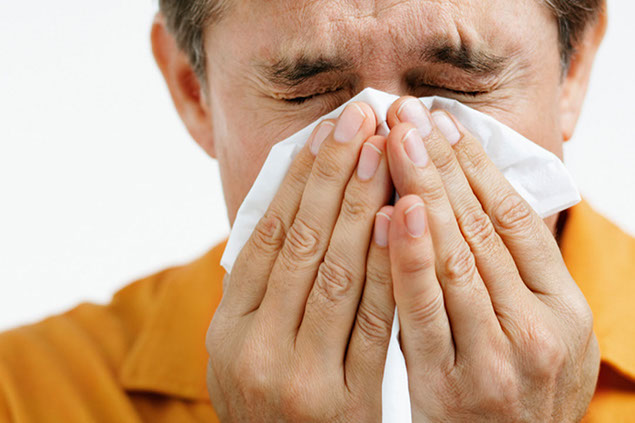
    An allergy is an immune system problem to a substance (allergen) that is normally harmless. An allergen can be inhaled, swallowed, or come in contact with the skin.

    Signs & Symptoms

    For Common Allergies

    *  Sneezing. Watery eyes. Cold symptoms that last longer than 10 days without a fever. Dark circles under the eyes.

    *  Frequent throat clearing. Hoarseness. Coughing or wheezing.

    *  Skin rash.

    *  Loss of smell or taste.

    *  Ear and sinus infections occur again and again.

    Signs of a Severe Allergic Reaction

    *  Shortness of breath. A hard time breathing or swallowing. Wheezing.

    *  Severe swelling all over, or of the face, lips, tongue, and/or throat.

    *  Feeling dizzy, weak, and/or numb.

    *  Pale or bluish lips, skin, and/or fingernails.

    *  Cool, moist skin or sudden onset of pale skin and sweating.

    *  Fainting. Decreasing level of awareness.

    Causes

    *  Allergic rhinitis. This is caused by breathing allergens from animal dander; dust; grass, weed and tree pollen; mold spores, etc.

    *  Asthma.

    *  Food allergies. Common ones are milk, fish, nuts, wheat, corn, and eggs.

    *  Skin allergies.

    Anaphylaxis is a sudden and severe allergic reaction. It occurs within minutes of exposure. It worsens very fast. It can lead to anaphylactic shock and death within 15 minutes if emergency medical care is not received.

    Insect stings, nuts, penicillin, and shellfish are common causes of a severe allergic reaction.

    Treatment

    How are allergies treated? Avoid the allergen(s). Skin tests can identify allergens. Allergy shots may be prescribed. Medications can prevent and relieve symptoms. Persons who have had a sudden, severe allergic reaction may be prescribed medicine, such as an EpiPen. This is used for a severe reaction before getting emergency medical care.

    Questions to Ask

    Self-Care / Prevention

    For a Severe Allergic Reaction

    *  Take prescribed medicine, such as an EpiPen, as advised. Then get emergency care!

    *  Wear a medical ID alert tag for things that cause a severe allergic reaction.

    *  Avoid things you are allergic to.

    For Other Allergic Reactions

    *  If mild symptoms occur after you take a medicine, call your doctor for advice.

    *  For hives and itching, take an OTC antihistamine, such as Benadryl. Take it as prescribed by your doctor or as directed on the label.

    *  Don’t use hot water for baths, showers, or to wash rash areas. Heat worsens most rashes and makes them itch more.

    *  For itching, use an oatmeal bath or calamine (not Caladryl) lotion. You can also use a paste made with 3 teaspoons of baking soda and 1 teaspoon of water.

    *  Avoid things you are allergic to.

    *  Read food labels. Don’t eat foods that have things you are allergic to. When you eat out, find out if menu items have things you are allergic to before you order them.

    Resources

    Asthma and Allergy Foundation of America 800.7.ASTHMA (727.8462)

    www.aafa.org

    Healthier at Home book by the American Institute for Preventive Medicine. www.HealthyLife.com. All rights reserved.

    © American Institute for Preventive Medicine

  • Cataract 2

    Eye Conditions

    A cataract is a cloudy area in the lens or lens capsule of the eye. A cataract blocks or distorts light entering the eye. Vision gradually becomes dull and fuzzy, even in daylight. Most of the time, cataracts occur in both eyes, but only one eye may be affected. If they form in both eyes, one eye can be worse than the other, because each cataract develops at a different rate.

    Signs & Symptoms

    *  Cloudy, fuzzy, foggy, or filmy vision.

    *  Pupils (normally black) appear milky white.

    *  Frequent changes in eyeglass prescriptions. Better near vision for a while, but only in far-sighted people.

    *  Sensitivity to light and glazed nighttime vision. This can cause problems when driving at night.

    *  Blurred or double vision. Changes in the way you see colors.

    *  Seeing glare from lamps or the sun. Halos may appear around lights.

    Causes

    *  The most common form of cataracts come with aging due to changes in the chemical state of lens proteins. More than half of Americans age 65 and older have a cataract.

    *  Cataracts can also result from damage to the lens capsule due to trauma; from ionizing radiation or infrared rays; from taking corticosteroid medicines for a long time; and from chemical toxins. Smokers have an increased risk for cataracts. So do persons with diabetes and glaucoma.

    Treatment

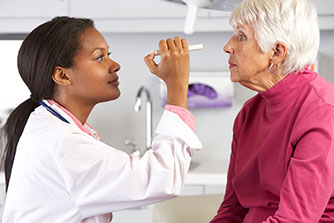
    Treatment includes eye exams, corrective lenses, cataract glasses, and cataract surgery, when needed.

    A person who has cataract surgery usually gets an artificial lens at the same time. A plastic disc called an intraocular lens (IOL) is placed in the lens capsule inside the eye.

    It takes a couple of months for an eye to heal after cataract surgery. Experts say it is best to wait until your first eye heals before you have surgery on the second eye if it, too, has a cataract.

    Questions to Ask

    Self-Care / Prevention

    To Help Prevent Cataracts

    *  Limit exposing your eyes to X-rays, microwaves, and infrared radiation.

    *  Avoid overexposure to sunlight. While outdoors, wear sunglasses with UV block and wear a hat with a brim.

    *  Wear glasses or goggles that protect your eyes whenever you use strong chemicals, power tools, or other instruments that could result in eye injury.

    *  Don’t smoke. Avoid heavy drinking.

    *  Keep other illnesses, such as diabetes, under control.

    *  Eat foods high in beta-carotene and/or vitamin C, which may help to prevent or delay cataracts. Examples are carrots, cantaloupes, oranges, and broccoli.

    To Treat Cataracts

    *  Be careful about driving at night. Let someone else drive if you can’t see well.

    *  Wear sunglasses with UV block.

    *  When indoors, don’t have lighting too bright or pointed directly at you. Install dimmer switches so you can lower the light level. Use table lamps, not ceiling fixtures.

    *  Use soft, white (not clear) light bulbs.

    *  Arrange to have light reflect off walls and ceilings.

    *  Read large print items. Use magnifying glasses, if needed.

    *  Schedule eye exams as advised by your doctor.

    *  Wear your prescribed glasses.

    Resources

    National Eye Institute (NEI)

    www.nei.nih.gov

    Healthier at Home book by the American Institute for Preventive Medicine. www.HealthyLife.com. All rights reserved.

    © American Institute for Preventive Medicine

  • Diabetes

    Diabetes Education

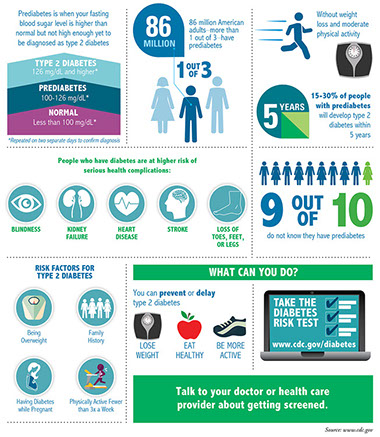
    Diabetes is too much sugar (glucose) in the blood. Glucose needs to get into the cells to be used for energy. Insulin is the hormone needed for glucose to get from the blood into the cells. Diabetes results when no insulin is made, not enough insulin is made, or the body does not use insulin well.

    Types of Diabetes

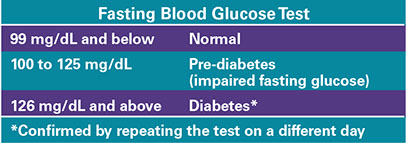
    One test used to diagnose diabetes is a fasting blood glucose test.

    Overweight and obese adults between ages 40 and 70 years old should be tested for adnormal blood sugar levels and type 2 diabetes. Follow your doctor’s advice for screening tests for diabetes.

    Type 1

    With this type, the pancreas gland makes no insulin or very small amounts. Often, the pancreas has fewer cells that make insulin. This type most often occurs in children and young adults. It can happen at any age, though.

    Type 2

    With this type, the pancreas does not make enough insulin or the body does not use insulin the right way. Often, this occurs in persons who are overweight and/or who don’t exercise. Modest weight loss and moderate physical activity can delay or help prevent type 2 diabetes.

    Pre-diabetes

    With this type, blood glucose levels are higher than normal, but not high enough to be diagnosed with diabetes. Many people with pre-diabetes develop type 2 diabetes within 10 years. Modest weight loss and moderate physical activity can delay or help prevent type 2 diabetes.

    Gestational

    This type occurs during pregnancy. It usually ends when the pregnancy ends. It does, though, increase the risk for the mother to get diabetes in the future. The mother will need follow-up blood sugar checks.

    Signs & Symptoms

    In the U.S., about 27 percent of people with diabetes do not know they have it. They may not have symptoms. According to the American Diabetes Association, some signs and symptoms of diabetes are:

    *  Urinating often

    *  Unusual thirst

    *  Extreme hunger

    *  Unusual weight loss

    *  Extreme fatigue

    *  Being very cranky

    *  Blurry vision

    If you have any of these symptoms, see your doctor. In type 1 diabetes, symptoms tend to come on quickly. In type 2, symptoms tend to come on more slowly. You can even have diabetes without any symptoms.

    A screening test can detect diabetes early. Early treatment may reduce other health problems related to diabetes.

    Diabetes has no cure, but it can be controlled. Goals are to keep blood sugar levels between 70 and 130 mg/dL before meals; and less than 180 mg/dL two hours after starting a meal.

    Health Problems Related to Diabetes

    When diabetes is left untreated or not treated well, you are at an increased risk for these health problems:

    *  Heart disease

    *  Stroke

    *  Poor circulation

    *  Foot problems

    *  Infections in general and slow healing of wounds and infections

    *  Yeast infections, especially in women

    *  Kidney and eye problems. This includes blindness.

    *  Gangrene. Sometimes this is so severe that the affected limb must be amputated.

    Risk Factors

    Discuss your risk for diabetes with your doctor or health care provider.

    For Type 2 Diabetes

    *  Your mother, father, brother, and/or sister has or had diabetes.

    *  You are overweight. You are not physically active.

    *  You are age 45 or older.

    *  You are female with a past history of gestational diabetes and/or you had at least one baby who weighed more than 9 pounds.

    *  You come from ethnic groups that are more prone to diabetes: African Americans, Latinos, Native Americans, Asian Americans, and Pacific Islanders.

    For Type 1 Diabetes

    *  You have a family history of type 1 diabetes.

    *  You had a virus that has injured the pancreas gland or a problem that has destroyed cells in the pancreas gland that make insulin.

    Medical Care

    Medication

    Diabetes pills. These are prescribed when diet and exercise are not enough to control your blood sugar. Types include:

    *  Ones that delay or block the breakdown of starches and some sugars (e.g., acarbose).

    *  Ones that help your body release more insulin (e.g., glyburide and tolbutamide).

    *  Ones that lower blood sugar without helping your body make more insulin (e.g., metformin).

    Insulin. There are different types based on how fast and over how many hours they work. People with type 1 diabetes need insulin. Some persons with type 2 diabetes need insulin. It can be given through:

    *  Insulin injections (shots)

    *  Insulin pump therapy

    Other medicines, as needed, to control blood pressure, blood cholesterol levels, etc.

    Exams & Tests

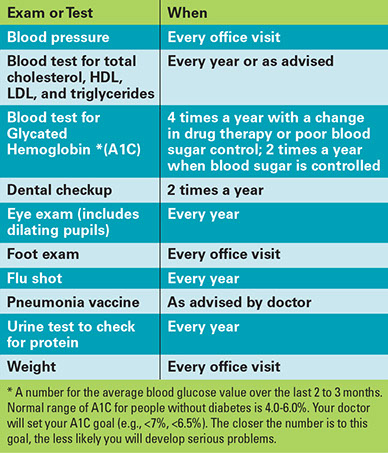
    If you have diabetes, have exams and tests, as advised. In general, diabetics should have the following:

    Self-Care

    Keep Track of Your Blood Glucose

    *  Test your blood sugar, as advised. People with type 1 diabetes may be told to test before each meal and at bedtime. People with type 2 diabetes may be told to test every other day or daily and at certain times.

    *  Keep a log of your blood sugar results. Note any reasons that could help explain why your blood sugar is higher or lower than usual. Share this log with your health care provider.

    Foot Care

    *  Check your feet every day. Let your health care provider know of any problems (swelling, redness, other color changes, ingrown toenails, corns, and foot injuries). Use a mirror to look at the bottom of your feet.

    *  Keep your feet clean.

    *  Wear shoes and slippers that fit your feet well. Don’t go barefoot, indoors or outdoors.

    *  Cut nails straight across and not too close to the skin. Have a foot doctor cut your toenails, if advised.

    Skin Care

    To reduce the risk of skin problems and infections:

    *  Keep your skin clean. Bathe or shower, daily, with warm water and a mild soap.

    *  Apply lotion to your skin to keep it moist.

    *  Protect your skin from damage.

    – Avoid cuts, scrapes, punctures, etc. If you get a skin injury, treat it right away. Keep it clean and cover the area with a clean, dry bandage. Call your doctor if the injury does not start to heal in a day or two or if you notice signs of infection (redness, swelling, pus, throbbing, and pain).

    – Avoid sunburn. Use a “broad spectrum” sunscreen, with an SPF of 15 or higher.

    – Wear gloves in cold weather and when you do work that may injure your hands.

    Diet

    In general, you may be advised to:

    *  Lose weight if you are overweight.

    *  Eat meals at regular times.

    *  Follow a meal plan for breakfast, lunch, dinner, and snacks. You may be told to count carbohydrates. Books, booklets, and food labels list carbohydrate amounts.

    *  Have 20 to 35 or more grams of dietary fiber per day. Fiber is in bran, whole-grain breads and cereals, fresh fruits and vegetables, beans and peas, and seeds.

    *  Strictly limit saturated and trans fats. To do this, choose nonfat dairy products; very lean meats (and in small amounts); and limit all animal and “hydrogenated fats.”

    *  Limit alcohol. Follow your doctor’s or health care provider’s advice.

    Exercise

    Regular exercise helps control your weight and blood sugar. It also lowers your blood cholesterol, blood pressure, and risk of heart disease. Exercise may also reduce the amount of medicine you need to take for your diabetes and make you feel better.

    *  If told to, test your blood glucose before and after exercise.

    *  When you exercise, have with you a carbohydrate source, such as fruit juice, hard candies, or glucose gel or tablets. For each of these, take the amount as advised by your health care provider.

    *  Find out if you should also carry a glucagon emergency kit. Your doctor needs to prescribe this. You and persons you exercise with should learn how to use this.

    Diabetic Emergencies

    Hypoglycemia (Low Blood Sugar)

    This can happen if you: Skip or don’t finish meals or snacks or wait too long to eat; exercise more than usual; and/or take excess diabetes medicine or insulin.

    Symptoms

    *  Shaky feeling. Weakness. Dizziness.

    *  Rapid pulse. Shallow breathing.

    *  Sweating. Cold, clammy skin.

    *  Sudden blurred or double vision

    *  Numbness or tingling around the mouth and lips

    *  Sudden mood changes. Confusion.

    *  Faintness. You may pass out.

    What to Do

    If you can, check your blood sugar. If it is lower than the level set by your health care provider, such as 70 mg/dL, have 15 grams of a “fast acting” carbohydrate. Examples are:

    *  1/2 cup (4 ounces) fruit juice or regular (not diet) pop

    *  5 or 6 regular (not sugar-free) hard candies

    *  4 teaspoons of sugar or honey

    *  6 to 10 gumdrops or jelly beans

    *  3 glucose tablets (or the number your health care provider advises). Drug stores sell these.

    *  1 cup (8 ounces) of milk

    *  If you don’t feel better after 15 minutes, take the same amount of sugar source again. If you still don’t feel better, call your doctor.

    *  If a person with diabetes passes out, can’t swallow, or can’t be roused, get emergency care. Use a prescribed emergency glucagon kit to inject glucagon. If there is no glucagon, rub sugar or any type of sweet paste, such as cake frosting, inside the person’s mouth. Call for emergency medical care. Do not give insulin, food, or liquids.

    Hyperglycemia (High Blood Sugar)

    This can happen if you: Get sick; eat too much; don’t do your normal exercises; don’t take your insulin or your diabetes pills or don’t take enough of them.

    Symptoms

    *  Extreme thirst

    *  Urinating often

    *  Nausea

    *  Acting cranky

    *  Dry, itchy skin

    *  Feeling very sleepy

    *  Blurred vision

    What to Do

    *  Check your blood sugar. Follow your doctor’s advice for your blood sugar level. If it is over 240 mg/dL or if you are sick, you may be told to check your urine for ketones. Call your doctor right away if your urine shows moderate or large amounts of ketones.

    *  Follow your treatment plan more closely.

    High Blood Sugar with Ketones in the Blood

    This is a serious condition. It can result in a coma. It occurs in persons who have type 1 diabetes. It is called diabetic ketoacidosis (DKA).

    Early Symptoms

    *  Intense thirst. Dry mouth.

    *  High blood glucose levels

    *  Urinating often

    *  Positive urine ketone tests

    Later Symptoms

    *  Tiredness. Dry, flushed skin.

    *  Nausea and/or vomiting

    *  “Fruity” breath odor

    *  Hard time breathing. Usually short, deep breaths.

    *  Lethargy. Can’t be roused.

    What to Do

    *  Call your doctor right away for advice.

    *  If you can’t reach your doctor, get to a hospital emergency department right away.

    High Blood Glucose without Ketones

    This is called hyperosmolar hyperglycemic nonketonic syndrome (HHNS). It occurs most often in persons who have type 2 diabetes. It usually comes after another illness, such as the flu, that caused dehydration. If it is not treated, seizures, coma, and even death can occur.

    Symptoms

    *  Dehydration. This may be the only symptom.

    Warning Signs of HHNS

    These occurred days or weeks before HHNS.

    *  Extreme thirst

    *  Very high blood glucose levels (over 600 mg/dL)

    *  High fever

    *  May have vision loss

    *  Sleepiness or confusion

    What to Do

    *  Drink water

    *  Get to a hospital emergency department right away.

    Resources

    American Diabetes Association

    800.DIABETES (342.2383)

    www.diabetes.org

    National Institute of Diabetes and Digestive and Kidney Diseases (NIDDK)

    www.niddk.nih.gov
    Diabetes brochure by the American Institute for Preventive Medicine. www.HealthyLife.com. All rights reserved.

    © American Institute for Preventive Medicine

  • Seizures

    Children’s Health

    And How to Keep Your Child From Getting Fever Seizures

    Signs, Symptoms & Causes

    A seizure is like a short-circuit in the brain. Information in nerves in the brain gets mixed up. There are many forms of seizures.

    A general seizure. This affects the whole brain. A convulsion happens with this kind. These are signs of a convulsion.

    *  The neck muscles or all the body muscles get stiff.

    *  The arms or legs jerk around.

    *  The eyes roll up and back in the head.

    *  The child falls down.

    *  The child blacks out.

    *  The child wets or soils his or her clothes.

    An absence seizure. A convulsion does not happen with this kind of seizure. These are signs of this kind of seizure:

    *  The child stares into space. It looks like the child is not paying attention.

    *  The child smacks his or her lips.

    *  The child may blink over-and-over.

    Seizures that come with a high fever.

    In fact, high fevers cause most seizures in children ages 6 months to 5 years old. This happens when the body’s own temperature control isn’t working just right yet.

    Sicknesses that make a child’s temperature go up fast can bring on seizures. Here are some other causes of seizures:

    *  Epilepsy.

    *  Poisons.

    *  Infections that cause a high fever.

    *  Drugs.

    *  Reye’s Syndrome.

    *  Snakebites.

    *  Some vaccinations.

    Most seizures last from 1 to 5 minutes. Short seizures don’t cause problems unless the child stops breathing and turns blue. But a seizure that lasts longer than 5 minutes can be a sign of a big problem. Let your child’s doctor know if your child has any kind of seizure.

    How to Keep Your Child From Getting Fever Seizures

    Keep trying to bring the fever down until it is 101ºF or less. Try to bring your child’s fever down fast:

    *  Dress your child in light, loose clothes or take off most of his or her clothes.

    *  Ask your doctor about fever-lowering suppositories.

    *  Put washcloths rinsed in lukewarm (not cold) water on your child’s forehead and neck. Don’t use rubbing alcohol.

    *  Give your child acetaminophen or ibuprofen. Make sure you give the right kind and dose for his or her weight. Do this if the fever gets above 103°F. (Note: Do not give aspirin. Aspirin and other medicines that have salicylates have been linked to Reye’s Syndrome.)

    Questions to Ask

    Self-Care

    Don’t panic! A fever seizure will stop by itself in a few minutes. The two things you can do are:

    *  Try to keep your child from getting hurt during the seizure.

    *  Lower his or her fever.

    Follow these tips during the seizure:

    *  Protect your child from falling and hitting his or her head. (Watch out for tables and sharp things.)

    *  Make sure your child can breathe:

    – Roll the child on his or her side so spit can drain from the mouth.

    – Gently pull on the jaw and bend the neck back. (This opens up the throat.)

    *  Don’t put anything in your child’s mouth. Children hardly ever bite their tongues during a fever seizure.

    *  Don’t give your child any medicine, food, or drink by mouth.

    Follow these tips after the seizure:

    *  If the seizure was from a fever, start lowering the fever. Sponge your child’s body with lukewarm water. Don’t use rubbing alcohol. Don’t put the child in a bathtub. Don’t use an ice pack. It drops the temperature too fast.

    *  Your child will probably be sleepy after the seizure. He or she may not remember anything. This is O.K.

    *  Dress the child in light, loose clothes. Put him or her to sleep in a cool room.

    *  Let your child’s doctor know about the seizure.

    Children's Self-Care book by the American Institute for Preventive Medicine. www.HealthyLife.com. All rights reserved.

    © American Institute for Preventive Medicine