Tag: Health Conditions

  • Glaucoma

    Eye Conditions

    Glaucoma is a group of eye diseases that damages the optic nerve and causes vision loss.

    Signs & Symptoms

    For Chronic (Open-Angle) Glaucoma

    This type takes place gradually, and causes no symptoms early on. Loss of side (peripheral) vision and blurred vision are the first signs.

    Later, symptoms include:

    *  Vision loss in side and central vision, usually in both eyes.

    *  Blind spots. Seeing halos around lights.

    *  Poor night vision.

    *  Blindness, if not treated early.

    For Acute (Angle-Closure) Glaucoma

    This type is a medical emergency! These symptoms occur suddenly:

    *  Severe eye pain and nausea.

    *  Blurred vision. Seeing halos around lights.

    *  Redness in the eye. Swollen upper eyelid.

    *  Severe headache that throbs.

    Causes

    Glaucoma occurs when the pressure of the liquid in the eye gets too high and causes damage to the optic nerve. Increased eye pressure without damage is not glaucoma, but increases the risk for it. Antihistamines and long-term corticosteroid use can trigger or worsen glaucoma.

    Risk Factors for Glaucoma

    *  Being over age 60, especially Mexican Americans.

    *  Being African American over age 40.

    *  Having a family history of glaucoma.

    *  Having diabetes.

    *  Being nearsighted.

    Treatment

    Treatments help with current vision. They do not improve sight already lost from glaucoma. Glaucoma may not be preventable, but the blindness that could result from it is. Get tested for glaucoma when you get regular vision exams. If pressure inside the eyeball is high, an eye doctor will prescribe treatment. This includes:

    Medicines used for acute glaucoma are prescribed for life. If medicines do not control the pressure, your doctor may advise:

    *  Laser beam surgery.

    *  Surgery that drains fluid from the eye.

    *  Medicines. These are the most common early form of treatment.

    – Prescribed eye drops or pills lower eye pressure, cause the eye to make less fluid, or help drain fluid from the eye.

    – Take medicines on a regular basis.

    – Let your eye doctor know of side effects.

    Questions to Ask

    Self-Care / Prevention

    *  Don’t smoke. If you smoke, quit.

    *  Do not take any medicine, including over-the-counter ones, without first checking with your doctor or pharmacist. Most cold medications and sleeping pills, for example, can cause the pupil in the eye to dilate. This can lead to increased eye pressure.

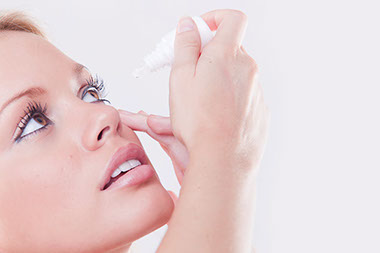
    *  If prescribed eye drops for glaucoma, use them as directed.

    *  Ask your eye doctor about low vision services and devices.

    *  Try not to get upset and fatigued. These can increase pressure in the eye.

    Resources

    National Eye Institute (NEI)

    www.nei.nih.gov

    Healthier at Home book by the American Institute for Preventive Medicine. www.HealthyLife.com. All rights reserved.

    © American Institute for Preventive Medicine

  • Hiatal Hernia

    Abdominal & Urinary Conditions

    With a hiatal hernia, the normal action that closes off the top of the stomach does not work well. Food or stomach acids back up into the esophagus. This is known as Gastroesophageal reflux disease (GERD).

    Signs & Symptoms

    Many people have no symptoms with a hiatal hernia. Others have one or more of these problems:

    *  Acid reflux. Stomach acid backs up into the esophagus.

    *  Chest pain. {Note: Don’t assume that chest pain is due to a hiatal hernia.}

    *  Pain in the esophagus. Heartburn.

    *  Hiccups. Belching after meals.

    *  A hard time swallowing.

    Causes

    The actual cause is not known. Risk factors are obesity, being a woman, or being middle aged. Smoking, lifting, strong coughing, and straining with bowel movements also increase the risk.

    Treatment

    Hiatal hernias are usually not serious problems. Often they can be treated with self-care. If not, surgery is an option.

    Questions to Ask

    Self-Care / Prevention

    *  Don’t smoke. If you smoke, quit.

    *  Get regular exercise. This helps keep abdominal muscles in shape.

    *  Lose weight if you are overweight.

    *  Eat 5 to 6 small meals a day instead of 3 larger meals.

    *  Avoid alcohol, caffeine, and spicy foods.

    *  Don’t lie down after eating. Wait 2 to 3 hours.

    *  Raise the head of the bed 6 inches. Put 6 inch blocks under the legs of the head of the bed or put a 6 inch wedge between the mattress and box springs at the head portion. Don’t prop your head up with pillows. Doing this puts pressure on your stomach area and can help force acid up into the esophagus.

    *  Don’t strain to pass stool.

    *  Take over-the-counter antacids or acid controllers, such as Pepcid AC or Tagamet HB. {Note: Read the labels before taking. Check with your doctor, too. Adverse side effects are more likely and more severe in older persons who take some acid controllers, such as Tagamet HB.}

    *  If you take aspirin, ibuprofen, or naproxen sodium, take it with food.

    Healthier at Home book by the American Institute for Preventive Medicine. www.HealthyLife.com. All rights reserved.

    © American Institute for Preventive Medicine
  • Macular Degeneration

    Eye Conditions

    Macular degeneration is a progressive eye disorder. Known as age-related macular degeneration (AMD), it is the most common cause of central vision loss in older Americans. The central part of the retina (the macula) deteriorates. This results in the loss of central (straight-ahead) vision. One or both eyes may be affected. The most common type is called the dry form. With this, cells under the retina do not function well, causing subtle to overt blank spots in central vision. Only 1 to 2% of people with the dry form have a lot of vision loss. In the wet form, tiny blood vessels leak blood or fluid around the macula. The wet form is less common than the dry form. It causes more vision loss, though.

    Signs & Symptoms

    Macular degeneration is painless. It usually develops gradually, especially the dry form. With the wet form, symptoms can occur more rapidly. Symptoms for both forms are:

    *  Blurred or cloudy vision.

    *  Seeing a dark or blind spot at the center of vision.

    *  A hard time reading or doing other close-up work.

    *  A hard time doing any activity, such as driving, that needs sharp vision.

    *  Complete loss of central vision. Side vision is not affected.

    Cover one eye and stare at the center dot in this grid. Seeing blurry, curvy, or distorted lines or empty spots could be a sign of macular degeneration. Repeat, covering the other eye.

    This grid shows how the lines might look to someone with macular degeneration.

    Causes

    The exact cause of age-related macular degeneration (AMD) is not known. Risk factors are:

    *  Advancing age.

    *  Cigarette smoking. High blood pressure.

    *  Family history of AMD.

    *  Having light-colored eyes.

    *  Exposure to ultraviolet light.

    *  Poor diet.

    Treatment

    Treatment for the wet form includes photodynamic therapy and laser therapy. Medicine called “anti-VEGF therapy” can also be given. Most dry form cases are not treatable. Your eye doctor may prescribe special eyeglasses and low vision aids. He or she may also prescribe a specific high dose vitamin and mineral to reduce the risk of advanced AMD.

    Questions to Ask

    Self-Care / Prevention

    To Reduce the Risk for AMD

    *  Don’t smoke. If you smoke, quit.

    *  Follow a healthy diet. Include green leafy vegetables and fish.

    *  Protect your eyes from the sun’s ultraviolet rays. Wear sunglasses with UV block. Wear a hat with a wide brim.

    *  Use Self-Care / Prevention measures to control high blood pressure and heart disease.

    To Treat AMD

    *  Wear the special eyeglasses and use other vision aids, such as magnifying devices, as advised by your doctor.

    *  Talk to your doctor before taking vitamin and mineral supplements.

    Resources

    Macular Degeneration Foundation

    www.eyesight.org

    National Eye Institute (NEI)

    www.nei.nih.gov

    Healthier at Home book by the American Institute for Preventive Medicine. www.HealthyLife.com. All rights reserved.

    © American Institute for Preventive Medicine
  • The Right Way To Use Mouthwash

    Dental & Mouth Concerns

    Image of blue mouthwash.

    Be it red, green, blue, or amber, consumers spend millions of dollars a year on mouthwash. Many mouthwashes are strictly cosmetic-they leave your mouth smelling fresh and feeling tingly for a few minutes but don’t appreciably affect oral health. If you want to fight plaque, look for mouthwash containing cetylpridinium chloride or domiphen bromide, ingredients that dissolve this troublesome film of bacterial goo. If you want to fight cavities (especially cavities that form between teeth, where your toothbrush can’t reach), look for an anti-plaque, anti-gingivitis mouthrinse. Fluoride mouthrinses help prevent tooth decay, too, but should not be given to children age six and younger because they may swallow the mouthrinse.

    To get the best results from your mouthwash, follow this routine.

    *  Brush first, then rinse (unless the product label instructs otherwise).

    *  Swish mouthwash or mouthrinse around in your mouth as directed on the label, then spit it out. (Don’t swallow it.)

    *  Rinse with mouthwash or mouthrinse once a day, preferably at bedtime.

    *  Don’t eat or drink anything for 30 minutes after rinsing.

    A Year of Health Hints book by the American Institute for Preventive Medicine. www.HealthyLife.com. All rights reserved.

    © American Institute for Preventive Medicine
  • Sunburn

    Skin Conditions

    You should never get sunburned! It leads to premature aging, wrinkling of the skin, and skin cancer.

    Signs & Symptoms

    *  Red, swollen, painful, and sometimes blistered skin

    *  Headache

    *  Mild fever

    *  Chills, fever, nausea, and vomiting if the sunburn is extensive and severe

    Causes, Risk Factors & Care

    Sunburn results from too much exposure to ultraviolet (UV) light from: The sun, sunlamps, and workplace light sources, such as welding arcs. Severe sunburn can occur even when the skies are overcast.

    The risk for sunburn is increased for persons with fair skin, blue eyes, and red or blond hair and for persons taking some medicines. These include sulfa drugs, tetracyclines, some diuretics, and Benadryl, an over-the-counter antihistamine.

    Self-care treats most cases of sunburn. Medical treatment is needed for a severe case of sunburn. Immediate care is needed if dehydration and/or a heat stroke is also present with the sunburn.

    Prevention

    *  Avoid exposure to the midday sun (10 a.m. to 4 p.m. standard time or 11 a.m. to 5 p.m. daylight saving time).

    *  Use sunscreen with a sun protection factor (SPF) of 15 to 30 or more when exposed to the sun. The lighter your skin, the higher the SPF number should be. Make sure the sunscreen blocks both UVA and UVB rays. Reapply sunscreen every hour and after swimming.

    *  Use moisturizers, make-up, lip balm, etc. with sunscreen.

    *  Wear a wide-brimmed hat and long sleeves.

    *  Wear clothing with sunscreen protection or muted colors, such as tan. Bright colors and white reflect the sun onto the face.

    *  Wear sunglasses that absorb at least 90% of both UVA and UVB rays.

    Self-Care

    *  Cool the affected area with clean towels or gauze dipped in cool water. Take a cool bath or shower.

    *  Take an over-the-counter medicine for pain and/or fever.

    *  Apply aloe vera gel to the sunburned area 2 to 3 times a day.

    *  When you go in the sun again, wear sunscreen and cover sunburned skin so you don’t get burned more.

    *  Rest in a cool room. Find a position that doesn’t hurt the sunburn.

    *  Drink plenty of water.

    *  Don’t use local anesthetic creams or sprays that numb pain, such as Benzocaine or Lidocaine. If you must use them, use only a little, because they cause allergic reactions in some people.

    Signs & Symptoms

    Contact Doctor When:

    You have a fever of 102°F or higher and/or severe pain or blistering with a sunburn.

    Get Immediate Care When:

    You have signs of heat stroke.

    Health at Home Lifetime book by the American Institute for Preventive Medicine. www.HealthyLife.com. All rights reserved.

    © American Institute for Preventive Medicine
  • 10 Dental Problems And What To Do About Them

    SELF-CARE CORNER

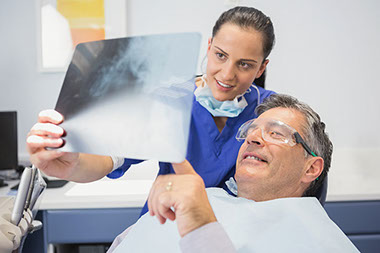
    Image of dentist.

    1.Bad breath:For fresh breath, brush twice a day, floss daily, drink plenty of water, see your dentist regularly, and don’t smoke. If bad breath persists, talk to your dentist or doctor.

    2.Tooth decay:When cavities are left untreated, they can get worse and lead to infections and loss of teeth. Get cavities filled quickly to prevent more extensive dental work and serious health problems.

    3.Gum disease:Without treatment, gum disease gets worse and can lead to tooth loss. Symptoms include bleeding, swollen, tender, and red gums, but it often has no signs in the early stages.

    4.Stained teeth:Some medications, foods, and drinks can yellow or discolor teeth. Many dentists offer whitening treatments that can help.

    5.Mouth sores:A salt water rinse can help with canker sores or irritation from braces or other dental appliances. But, if sores last a week or more, your dentist should take a look.

    6.Tooth sensitivity:Special toothpaste or dental procedures, such as crowns, can help relieve sensitivity to hot or cold. Look for the ADA (American Dental Association) seal of acceptance on products before buying.

    7.Enamel erosion:Acidic foods and drinks can wear away at the tooth’s protective enamel over time. This can lead to tooth sensitivity and discoloration. Drinking water and milk instead of soda can help avoid this problem.

    8.Wisdom teeth:Third molars, or wisdom teeth, often need to be removed during the teen or young adult years. If the jaw doesn’t have enough space for them, they can crowd or damage the other teeth.

    9.Oral cancer:Cancer of the mouth, lips or gums affects about 50,000 Americans every year. Symptoms may include sores, patches, lumps, or pain in the mouth. If you notice any of these signs, contact your dentist or doctor.

    10.Teeth grinding:Teeth grinding can lead to cracks and damage to the teeth enamel. A special guard made by your dentist can help protect your teeth. Beware of mouth guards sold over the counter as they can fit improperly and become a choking hazard when you sleep.

    Even if you don’t have any tooth pain or other symptoms, it’s important to see your dentist every six months. Regular checkups with your dentist can prevent or treat these problems so you can keep a healthy, bright smile for life.

    Sources: American Dental Association, Oral Health Foundation

    © American Institute for Preventive Medicine
  • Caring For Minor Burns

    SELF-CARE CORNER

    Image of first aid on a burn to the arm.
    Chart of degree of burns.

    Many people have experienced the pain that even a minor burn can cause. The home can have many burn hazards, such as touching a hot stove, getting splashed with hot water, or even biting into food with hot spots. Children, especially, can be prone to burns when they accidentally touch something hot. Adults need to be careful too: burns are painful – and possibly dangerous –  at any age.

    What to do after a burn

    If you do get a minor (first-degree) burn, know how to care for it at home so it heals as quickly as possible. If the skin isn’t broken, you should:

    *  Run cool water over the burn or soak it in cool water. Do not use ice: it’s too harsh. Keep the area under water for at least 5 minutes. You may also use a clean towel or cloth soaked in cold water.

    *  After soaking or rinsing the burn, cover it with a clean, dry bandage or gauze pad.

    *  Pain relievers like ibuprofen (e.g., Advil®) or acetaminophen (e.g., Tylenol®) can help if advised by a doctor.

    What not to do

    Treat burns with care. Do NOT:

    *  Use oil, ointment, butter or other greasy substances on the burn.

    *  Breathe or blow on the burn.

    *  Touch or pop blistered or dead skin.

    When it’s an emergency

    Always call 911 or seek emergency medical care if:

    *  You’re not sure how bad the burn is.

    *  A child gets burned.

    *  Burn is caused by chemicals or electricity.

    *  You think it might be a second or third-degree burn.

    *  It covers a large area of skin, bigger than 2 to 3 inches wide.

    *  The burn is on a hand, foot, face or genitals.

    Sources: American Academy of Family Physicians, American Academy of Pediatrics

    © American Institute for Preventive Medicine

  • Hope For Migraine Headaches

    SELF-CARE CORNER

    Image of man with a migraine.

    Migraine headaches are more than an inconvenience. Migraine pain is severe and can interfere with a person’s life. Fortunately, today’s migraine treatments can help many people get the relief they need.

    There are two types of medicines for migraines: abortive and preventive.

    Abortive medicines

    Abortive medicines, also referred to as acute, are designed to stop, or abort, a migraine. They should be taken as early as possible when a person feels a migraine starting. Some of these medicines include:

    *  Pain relievers. Aspirin, ibuprofen, and other common pain relievers can be used to treat mild migraines. But, for many people, these aren’t enough to get rid of a migraine. Experts say people shouldn’t take these medicines more than twice a week. Overusing these medicines can lead to stomach problems and can even cause more headaches.

    *  Prescription migraine medicines. Your doctor may prescribe special medicines that are designed to relieve migraine pain and other symptoms, such as nausea. These may work well for people who don’t find relief from over-the-counter pain relievers.

    Preventing migraines

    Some of the medicines available today are used to prevent migraines before they happen. These are called preventive treatments. These types of medicines are recommended for people who:

    *  Get four or more migraines a month

    *  Have migraines that last 12 hours or longer

    *  Haven’t found relief with  abortive medicines

    *  Can’t take abortive medicines

    There are different types of preventive medicines available. Sometimes a person needs to try several different medicines before finding the one that works best for them. Keeping track of how many migraines you have and their severity can help you see how well a medicine is working.

    In addition to medicines, you and your doctor may discuss migraine triggers and how to avoid them. Certain foods, stress, lack of sleep, hormonal changes, and many other things can cause migraines. Learning your own triggers and how to avoid them is an important part of preventing migraines.

    What makes a migraine

    Migraines usually have the following symptoms:

    *  Severe pain and intense pounding in the head that makes it impossible to do daily tasks

    *  Nausea and/or vomiting

    *  Sensitivity to light or sound

    Some migraines also start with an aura. An aura may be vision changes, like seeing flashes of light or lines. Some people have trouble seeing clearly and cannot focus on objects. An aura may also cause tingling in an arm or leg. Only about 20 percent of people who get migraines will have an aura.

    © American Institute for Preventive Medicine

  • Prediabetes: Are You At Risk?

    MEDICAL NEWS

    Prediabetes infograph.

    © American Institute for Preventive Medicine
  • Teeth Grinding: Causes And Solutions

    SELF-CARE CORNER

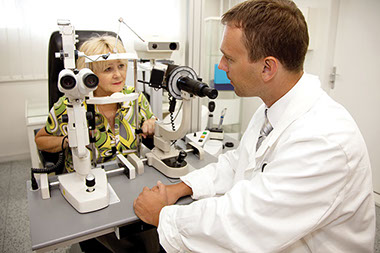
    Image of dentist with a patient.

    Teeth grinding is a movement disorder of the jaw in which there is gnashing, grinding, or clenching of the teeth. It’s called bruxism. Often, people are unaware of their habit.

    The two primary types of teeth grinding are sleep bruxism, which occurs during sleep, and awake bruxism, which occurs when the person is awake.

    There is not a single contributing factor that results in teeth grinding or bruxism, rather it is believed to be the result of complex interactions between many factors, including stress, tension and anxiety; levels of certain chemicals in the brain; other sleep disorders such as snoring or sleep apnea; or a response to pain from earaches or teething (in children).

    “Teeth grinding is most often diagnosed by a combination of information derived from a history reported by the patient and a clinical exam performed by the patient’s dentist,” according to Dr. Erica Harvey, a representative of the Pennsylvania Dental Association.

    While some people noticeably grind their teeth, 80% make no sound, which makes bruxism even harder to discover. Common symptoms include reports of grinding noises during sleep by family members, tooth hypersensitivity, fractured, chipped or worn teeth, and waking up with a constant, dull headache or sore jaws.

    Regular dental checkups can help detect bruxism, and your dentist may recommend these methods to help stop or relieve the symptoms:

    *  Find ways to reduce your stress level and relax.

    *  Avoid or limit the amount of caffeine and alcohol you consume.

    Ask your dentist about the use of a nightguard to prevent further wear of your teeth.

    © American Institute for Preventive Medicine