Tag: movement

  • Avoiding The Afternoon Slump

    WORK LIFE

    Image of a group of co-workers smiling and laughing.

    Do you often feel tired and worn out after lunch? It can be hard to stay productive and get through the workday if you’re fighting fatigue and exhaustion. Often times, this afternoon slump can be avoided by making a few simple changes:

    *Use caffeine sparingly.A cup of coffee or tea can give you a boost in the morning, but drinking too much can cause an energy crash after it wears off. Finish your last caffeinated drink before noon, and limit intake to four 8 oz. cups of coffee.

    *Include lean protein and healthy fats in your lunch.This can help stabilize blood sugar levels and fight fatigue. Examples include turkey, low-fat dairy, avocado, nuts and fish.

    *Drink plenty of water.Even mild dehydration can make you tired. Aim for eight 8 oz. glasses per day.

    *Get moving.If you can, walk outside at lunch and get fresh air, even for just 10 minutes. This can energize and relax you. But even walking indoors or stretching in your office can be helpful. Sitting at a desk for hours without getting up can make you feel tired. Do alternative activities and walk around when you can.

    *Having more energy starts the day before.If you find that you’re tired every day despite these tips, you may need more sleep. Aim for 7 to 9 hours a night.

    Sometimes, ongoing fatigue can be a sign of a health issue. If you find that your energy levels are always low despite making healthy choices, talk to your doctor. Problems such as sleep disorders, anemia, depression, diabetes, and many other conditions can cause energy levels to sag. Certain medications can also cause sleepiness. You and your doctor can discuss your health history and make a plan to address any issues to get you feeling better again.

    © American Institute for Preventive Medicine
  • Back In Action

    MEDICAL NEWS

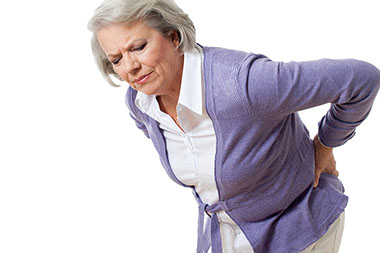
    Image of older women holding her back in pain.

    Back pain. In the last 3 months, about 1 in 4 adults has had at least one day of back pain, mostly in the lower back, according to NIH in Health.

    The good news is that most back pain goes away by itself-in time. If pain continues for more than 3 months, you have chronic back pain. If doctors can find out the source of your pain, you may be treated effectively with certain surgeries.

    But even chronic pain can clear up without surgery. Don’t let the pain take over. Doctors advise:

    *  Stay active and maintain a healthy weight.

    *  Stretch before exercise or other strenuous physical activity.

    *  Don’t slouch when standing or sitting.

    *  Make sure your work surface is at a comfortable height for you.

    *  Wear comfortable, low-heeled shoes.

    *  Lift, if you must, with your back straight, bend at the knees, and put the stress on your legs and hips.

    *  Don’t smoke.

    *  Talk with your doctor to make sure you’re getting enough calcium and vitamin D.

    © American Institute for Preventive Medicine

  • Beat Winter Doldrums By Using A Pool Indoors

    BE FIT

    Image of smiling female standing next to indoor pool.

    If you think swimming pools are just for summer fun, think again. Winter is a great time to take advantage of an indoor pool to get some low-impact exercise. Exercising in water offers many benefits no matter what the season. Try it this winter because:

    *  It’s low impact, so it’s easy on joints that may get sore with activities like running or jumping.

    *  It helps you be more flexible. In the water, you may be able to move your arms and legs in ways that are difficult on land.

    *  Warm water pools can feel soothing, especially in cold weather.

    *  It helps people with arthritis or orthopedic/joint injuries to improve joint movement without pain or strain from traditional exercise.

    *  It offers a nice change from land exercises – and variety may help you stick with a workout.

    *  A pool workout helps keep you cool, even if you’re working hard.

    *  Water exercise may improve mood and mental well-being.

    *  Water offers natural resistance that can tone and strengthen muscles.

    Don’t swear off pool exercise because you can’t swim.

    There are many exercises that can be done in the water that don’t include traditional swimming. If you can’t swim, stick to the shallow end or wear a life jacket. Try these exercises:

    *  Walk or jog from end to end in the shallow end.

    *  Grab the edge of the pool and kick your legs from side to side.

    *  Try the “superman”: hold the edge of the pool and point your body out straight behind you. Keep your body in a straight line and hold the pose for a few seconds.

    *  Do jumping jacks in chest-deep water

    Many local fitness centers have pools for exercise and even water aerobics classes. A community center, hotel or school may offer public swim times as well.

    To help keep public pools clean and to avoid illness:

    *  Shower before and after using a pool

    *  Don’t get pool water in your mouth

    *  Don’t use the pool if you’re sick, especially if you have had vomiting or diarrhea within the last week

    *  Stay out of the pool if you have an open wound that’s not fully healed or fully covered with a waterproof bandage

    © American Institute for Preventive Medicine

  • Exercise May Keep Some Cancers Away

    BE FIT

    Low angle image of women running.

    A recent study from the National Cancer Institute and the American Cancer Society says the most active people have a lower risk of getting 13 different types of cancers. The study said the most active people saw the most benefit, but even moderate exercise (150 minutes per week) was still very helpful. Examples of moderate exercise are walking, swimming and running.

    According to the study, people who exercise regularly have a lower risk of:

    *  Colon cancer

    *  Breast cancer

    *  Endometrial (uterine) cancer

    *  Esophageal adenocarcinoma

    *  Liver cancer

    *  Cancer of the gastric cardia

    *  Kidney cancer

    *  Myeloid leukemia

    *  Myeloma

    *  Cancers of the head and neck, rectum and bladder

    © American Institute for Preventive Medicine

  • Get Fit While Cleaning House

    BE FIT

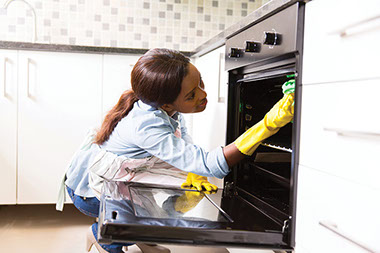
    Image of women cleaning the oven.

    If you have a home, you probably spend a good amount of time cleaning it. What if you spent that time not only cleaning your house, but cleaning up your health too?

    If you do your chores with a few fitness upgrades, you could burn extra calories and feel great when you’re done. Here’s how you can do it:

    1. Turn on the tunes.

    Use upbeat music to get motivated and set it for 30 minutes of play time. Or, set an oven timer for 30 minutes. Then, dance and move around the house as you organize, sweep, wash dishes or put laundry away. Keep your body moving as much as possible but make it fun!

    2. Focus on a muscle group while working.

    If you’re vacuuming or mopping floors, you’re already burning some calories. But, take it up a notch by working your muscles even harder during the task. For instance, hold your abdominal core (belly) muscles tight as you do your task. Try holding them for 10 seconds. Then, take a 10-second break. If this becomes too easy, increase the time to 20 seconds.

    3. Do squats as you pick up.

    If you’re spending time getting toys, clothes or other items off the floor, use this chore to work your lower body. After you pick up something, do a squat. Keeping your back straight and belly tight, slowly bend your knees and lower your bottom slightly toward the floor. Don’t let your knees reach over your toes. Come back up slowly. If this hurts your knees or back, you should stop.

    Remember, exercise doesn’t have to be a workout at the gym. You can move your body while doing everyday jobs and multitask for your health!

    Sources: Calorie Control Council, Compendium of Physical Activities

    © American Institute for Preventive Medicine

  • Get Out Of Your Seat

    MEDICAL NEWS

    Image of women standing and talking on the phone.

    There are lots of things you can do to keep your body healthy. Eat nutritious foods like fruits and vegetables, get exercise, and see your doctor as needed for checkups. But the American Cancer Society says there’s something else we need to do: don’t sit so much.

    A large study showed that women who sat for more than six hours per day had a higher risk of cancer than those who sat for three hours or less. In addition, studies have found links between sitting for long periods and dying younger, the ACS says.

    But what if you have to sit for your job? There are some ways you can reduce your sitting time:

    *  Stand during conference calls.

    *  Take a quick standing or walking break every hour if you can.

    *  Park farther away from the building.

    *  Walk during your lunch break.

    Remember, every little bit helps. A few minutes of walking here and there can add up to big health benefits.

    © American Institute for Preventive Medicine

  • Get Your Game On

    BE FIT

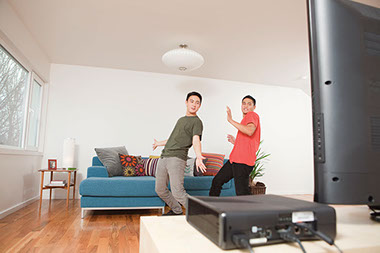
    Image of two males playing active video game, such as the Wii.

    Active video games, also known as “exergames,” are not the perfect solution to getting the nation moving, but they can play a role in getting some people up off the couch and moving right in front of it.

    Michigan State University researchers reviewed published research of studies of these games and say that most of the games provide only “light-to-moderate” intensity physical activity.

    And that, they say, is not nearly as good as what would be real exercise, but video gaming may be a step in the right direction. They generally do not provide the recommended 30 minutes of moderate activity per day, but for some people, the researchers said, light activity can sometimes be enough.

    The researchers named the three video gaming systems that offer active video games as ways to increase physical activity: Nintendo’s Wii, Xbox 360 (Kinect), and PlayStation 3 (Move). The study was published in Health Education and Behavior.

    © American Institute for Preventive Medicine