Tag: nutrition

  • Make The Most Of Mealtime

    Mature Health: Over Age 50

    Image of a man pan stirring vegetables.

    Mealtime is something to look forward to. But for some older adults, especially men living alone, preparing meals can be both awkward and troublesome. This can lead to the “tea and toast” syndrome of skipped or unbalanced meals. Hit-or-miss eating habits can, in turn, lead to loss of energy and malnutrition. Coupled with the fact that older adults often need more calcium than other folks (for strong bones), more fiber (to prevent constipation), and adequate supplies of other important dietary components, poor meal habits can directly affect your health.

    Here are a few hints to make preparing meals and eating meals more pleasant and convenient.

    *  Make a list before you shop for food. Include fish, poultry, lean meats, nonfat dairy products, whole-grain breads and cereals, fresh fruits and vegetables.

    *  When you shop for meat or produce, ask a store clerk to cut or repackage large quantities into smaller single- or double-serving portions.

    *  Take advantage of salad bars in supermarkets. They’re a convenient way to incorporate fresh vegetables into your diet.

    *  Buy some back-up supplies of nutritious foods-like tuna canned in water or low-salt soups-for days when you don’t have the time or inclination to cook a full meal from scratch.

    *  Read labels. Avoid foods high in fat, salt, and sugar. These ingredients contribute to many of the chronic health problems that affect people after age 40.

    *  Prepare double portions of main dishes, so you can reheat leftovers a day or two later.

    *  Share shopping, meal preparation, and meals with a friend or neighbor.

    A Year of Health Hints book by the American Institute for Preventive Medicine. www.HealthyLife.com. All rights reserved.

    © American Institute for Preventive Medicine

  • Arm Yourself With A Vegetable Scrubber

    HEALTHY EATING

    Image of vegetables being washed in a scrubber.

    A University of Nebraska-Lincoln food safety specialist said it is important to properly wash fresh produce before eating to reduce harmful microorganisms that could cause foodborne illness.

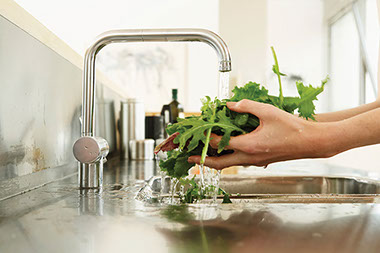
    Wash produce with running water and then let that water go down the drain. Do not just soak the produce, said Julie Albrecht, UNL Extension food safety specialist at the Institute of Agriculture and Natural Resources.

    If there is something on the outside of a food, soaking it could allow the microorganisms to spread to other parts of the food or to other produce in the same sink. Running water washes the microorganisms down the drain.

    “It’s really just about preventing cross contamination,” Albrecht said. “Always use a colander or strainer so the water goes through the produce instead of just letting produce sit in water.”

    It is important to wash all fresh produce, even ones with rinds that are not eaten, Albrecht said. Bacteria could be living on the surface and then spread to the inside of the fruit when the rind is cut.

    Scrub foods with tough surfaces, such as melons and potatoes, with a vegetable scrubber.

    Immediately refrigerate fresh produce after cutting it. Most fruits and vegetables can be stored at 40ºF or below, which is cold enough to prevent microorganisms from growing.

    “Once you cut something or peel it, keep it cold, refrigerate it. Do not let it sit out at room temperature because microorganisms grow best around temperatures of 80 to 100. Plus, your food will be crisper and of a better quality,” Albrecht said.

    Leafy vegetables and tomatoes have been linked to foodborne illness outbreaks in recent years, so take extra care to wash them and keep them cold, Albrecht said.

    Be sure to also wash hands, surfaces, and utensils before handling raw produce.

    While shopping, only buy the best-looking produce that will stay fresh the longest. “Pick high-quality produce with no bumps or scratches at the peak of ripeness or maybe a little under ripe,” Albrecht said. “And make sure there is no mold, especially on berries.”

    © American Institute for Preventive Medicine

  • Eat Right For Your Lifestyle

    HEALTHY EATING

    Image of two women eating lunch.

    What’s your lifestyle? Busy parent, jet-setting exec, student, athlete, or vegetarian? Or some combination of these? Jim White, spokesperson for the Academy of Nutrition and Dietetics, says one size doesn’t fit all nutritional needs. You have flexibility in making healthy eating choices. He offers some suggestions:

    *Career-minded.Busy work days. Business travel. Eating on the fly. Suggestions: Keep single-serve packages of crackers, fruit, peanut butter, low-sodium soup, and canned tuna in your desk. Tuck portable, nonperishable foods in your purse, briefcase, or backpack for a meal on the run. Try granola bars, peanut butter and crackers, fresh fruit, trail mix, and single-serve packs of whole-grain cereal or crackers.

    *Athletes.Even for the casual workout. Your body needs fuel to function, so eat a light breakfast or snack before you exercise. Try low-fat yogurt, graham crackers with peanut butter, a banana, or cereal with low-fat milk. Before, during, and after exercise, replace fluids with plenty of water or a sports drink.

    *Students.Ah, the fast-paced lifestyle on a low budget. Stock smart grab-and-go snacks that combine protein and carbs to fuel you, such as apples with peanut butter, carrots and hummus, hard cooked eggs and fruit, banana and yogurt, almonds with low-fat cheese or whole-grain cereal. In the cafeteria, choose the salad bar but go easy on cheese, bacon, high-calorie add-ons, and  salad dressings.

    *Families.Quick and nutritious can be done. Keep things simple. Build a collection of favorite recipes and choose ingredients that you can use in more than one meal. For example, cook extra grilled chicken for chicken salad or fajitas the next day.

    *Vegetarians.You can include nutrient-rich beans in vegetarian chili, a hummus-filled pita sandwich, or veggie burger. Make popular items vegetarian, such as veggie pizza and pasta primavera.

    © American Institute for Preventive Medicine

  • Go With The Grain

    HEALTHY EATING

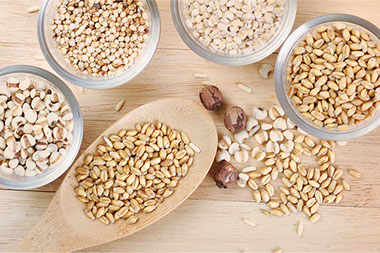
    Image of different grains.

    With one look down the grocery store aisle or a quick glance at a restaurant menu, it’s clear that whole-grain options are popping up everywhere. From quinoa to buckwheat and farro to freekeh, the number of grain possibilities is growing, leaving home cooks and diners puzzled by how to choose the right one and know how to prepare it.

    Not only do whole grains provide an array of health benefits, they can also be an excellent base for hearty dishes that taste great and are remarkably filling. Whether featured in a salad, formed into a patty as a vegetarian burger option, warmed up for breakfast, or used as the base of a thick stew, grains are extremely versatile and can be enjoyed as part of breakfast, lunch, dinner or dessert.

    Although cooking with grains can seem like a daunting task, the chef instructors at Le Cordon Bleu encourage home cooks to soak their long-cooking grains, whether for a few hours or overnight, to minimize the cooking time. This also ensures that any resin left on the grain that can cause a bitter taste will get washed off.

    They also suggest these cooking tips:

    *  Whole-grain options can be customized for each meal of the day. Make a big batch of steel-cut oats on Sunday evening and eat it for breakfast throughout the week. Add quinoa to lunchtime salads-add the dressing in advance so the grain fully absorbs the flavors of the dish. For dinner, add wheat berries or barley to soups for a hearty, filling meal.

    *  Resist the urge to stir grains as they are cooking. Stirring causes whole grains, especially rice, to become sticky and clump together, making it difficult to prepare a fluffy, flavorful dish.

    *  After they are cooked, whole grains stay fresh for several days in the refrigerator. You can cook a large pot of brown rice or quinoa at the beginning of the week and use it in dishes throughout the week to save cooking time.

    © American Institute for Preventive Medicine
  • Make Your Own Smoothie

    HEALTHY EATING

    Image of 3 different smoothies.

    Don’t settle for a restaurant smoothie that likely has loads of added sugar and very little nutrition. Instead, use this formula to make your own smoothies at home. All you need is a blender or juicer and the fresh ingredients you enjoy. Have fun with it and try different ingredients each time until you discover your favorite recipe.

    Illustration on how to make your own smoothie.

    © American Institute for Preventive Medicine

  • So Do You Really Need That Vitamin?

    MEDICAL NEWS

    Concept image of young women with cooking pan and different vitamins words above.

    Before taking a daily vitamin or dietary supplement, you might want to think about what you’re really consuming, suggests a Kansas State University human nutritionist.

    “Supplements are not regulated by the Food and Drug Administration like other drugs are regulated, which is something I think a lot of people don’t realize,” said Brian Lindshield, assistant professor of human nutrition.

    Lindshield researches supplements to see if the ingredients listed on the label actually match what is found in the bottle. You don’t always get what you pay for and think you’re getting.

    If you want to get the most accurate product, look for the bottles with the more descriptive labels. Also, paying a little extra will usually get you the ingredients you are seeking.

    “You should probably avoid buying the cheapest supplement available because if the manufacturer is cutting corners to get the price really cheap, they probably are not using the same standards that the manufacturers of more expensive products are,” Lindshield said.

    Another tip: Don’t expect supplements to make up for a poor diet. “Vitamins and minerals will prevent deficiency, but it’s not going to make up for a lot of the chronic disease risks that come with an unhealthy diet,” Lindshield said.

    © American Institute for Preventive Medicine
  • Wash And Eat

    HEALTHY EATING

    Image of man holding a bowl of fruit.

    Pesticides are compounds that help to protect crops from devastating pests and weeds. Whether conventional or organic, farmers safely and carefully use pesticides as necessary to control insects, weeds, and fungus (organic farming does permit the use of certain pesticides), says the International Food Information Council.

    Pesticide residues are tiny amounts of chemicals that may remain on food from their application to crops while being grown on the farm. Some crops are less susceptible to pesticide residues, such as those with a husk (corn), shell (peanuts), or skin (bananas). However, even those without an outer layer are safe to eat, and simply washing raw fruits and vegetables before eating them removes most traces of pesticide residues.

    © American Institute for Preventive Medicine

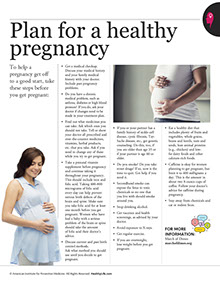
  • Plan For A Healthy Pregnancy

    Women’s Health

    To help a pregnancy get off to a good start, take these steps before you get pregnant:

    *  Get a medical checkup. Discuss your medical history and your family medical history with your doctor.

    *  Do you have a chronic medical problem, such as asthma, diabetes, or high blood pressure? If you do, ask your doctor if changes need to be made in your treatment plan.

    *  Find out what medicines you can take. Ask which ones you should not take. Tell or show your doctor all prescribed and over-the-counter medicines, vitamins, herbal products, etc. that you take. Ask if you need to change any of these while you try to get pregnant.

    *  Take 400 to 800 micrograms (.4 to .8 milligrams) of folic acid every day. This B vitamin can help prevent serious birth defects of the brain and spine. Make sure you take folic acid for at least one month before you get pregnant. Women who have had a baby with a serious problem of the brain or spine should take the amount of folic acid their doctors advise.

    *  Discuss current and past birth control methods.  Ask what method you should use until you decide to get pregnant.

    *  If you or your partner has a family history of sickle-cell disease, Tay-Sachs disease, etc., get genetic counseling. Do this, too, if you are older than age 35 or if your partner is age 60 or older.

    *  Do you smoke? Do you take street drugs? If so, now is the time to quit. Get help if you need it.

    *  Stop or limit alcohol use. This will make it easier to go without it when you are pregnant.

    *  Get vaccines, as advised by your doctor.

    *  Avoid exposure to X-rays.

    *  Caffeine is okay for women planning to get pregnant, but limit it to 400 milligrams a day. This is the amount in about two 8-ounce cups of coffee. Follow your doctor’s advice for caffeine during pregnancy.

    *  Get regular exercise.

    *  If you are overweight, lose weight before you get pregnant.

    *  Eat healthy foods. These include:

    – Fruits and vegetables.

    – Whole grain breads and cereals.

    – Low-fat dairy foods and other calcium-rich foods.

    Resources

    March of Dimes

    www.marchofdimes.com

    Women's Self-Care book by the American Institute for Preventive Medicine. www.HealthyLife.com. All rights reserved.

    © American Institute for Preventive Medicine
  • Best Snacks To Eat Before And After Exercise

    HEALTHY EATING

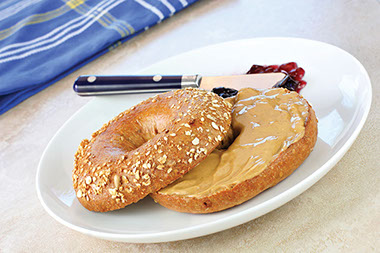
    Image of a whole grain bagel with a peanut butter spread.

    Pick the right foods that give the most energy regardless of your activity level. Carbohydrates are the first responders to the body’s need for energy during exercise. Protein and fat are not nearly as efficient.

    Hit the trail or the gym with the following healthy food ideas before and after your workout, suggests Anita Kobuszewski, RD, author of Food: Field to Fork, How to Grow Sustainably, Shop Wisely, Cook Nutritiously, and Eat Deliciously:

    *  Whole-grain bagel with peanut butter and yogurt

    *  Thin-crust pizza with green peppers

    *  Granola with low-fat milk and banana

    *  Trail mix with nuts and dried fruit (see Walk the Trail Mix recipe)

    *  Instant oatmeal made with low-fat milk

    *  Bran or corn muffin with egg whites and salsa

    *  Fig bars with peanut butter and juice

    © American Institute for Preventive Medicine

  • Eating Healthy At Summer Gatherings

    HEALTHY EATING

    Image of a group of friends eating at a pinic table.

    Eating and socializing go hand in hand. Throughout human history, people have gathered together to eat. Some research has shown that when people are in a group, they tend to eat larger meals and more calories. As a result, it can be hard to stick with your healthy eating plans when you’re at a social event such as a summer barbecue or special occasion.

    To help you stay on track, try these tips from the Academy of Nutrition and Dietetics:

    *Drink plenty of water.Your body needs water for nearly all of its functions. And if you’re dehydrated, the hunger and thirst cues can get confused. Drink water at gatherings, especially before your meals. You may end up feeling fuller and eating less.

    *Bring your own food.If you know you’ll have a hard time passing up the high-calorie treats, bring your own healthy dish to pass. Summer is the optimal time to share delicious, fresh fruits and vegetables that are in season.

    *Don’t deprive yourself.You can still have a small portion of your favorite summer treat. Just fill up on the healthier options first. This will satisfy most of your hunger and can help you control your portion sizes. Choose low-calorie, high-fiber foods like fruits, vegetables and beans before you go for the fried foods or desserts.

    © American Institute for Preventive Medicine